
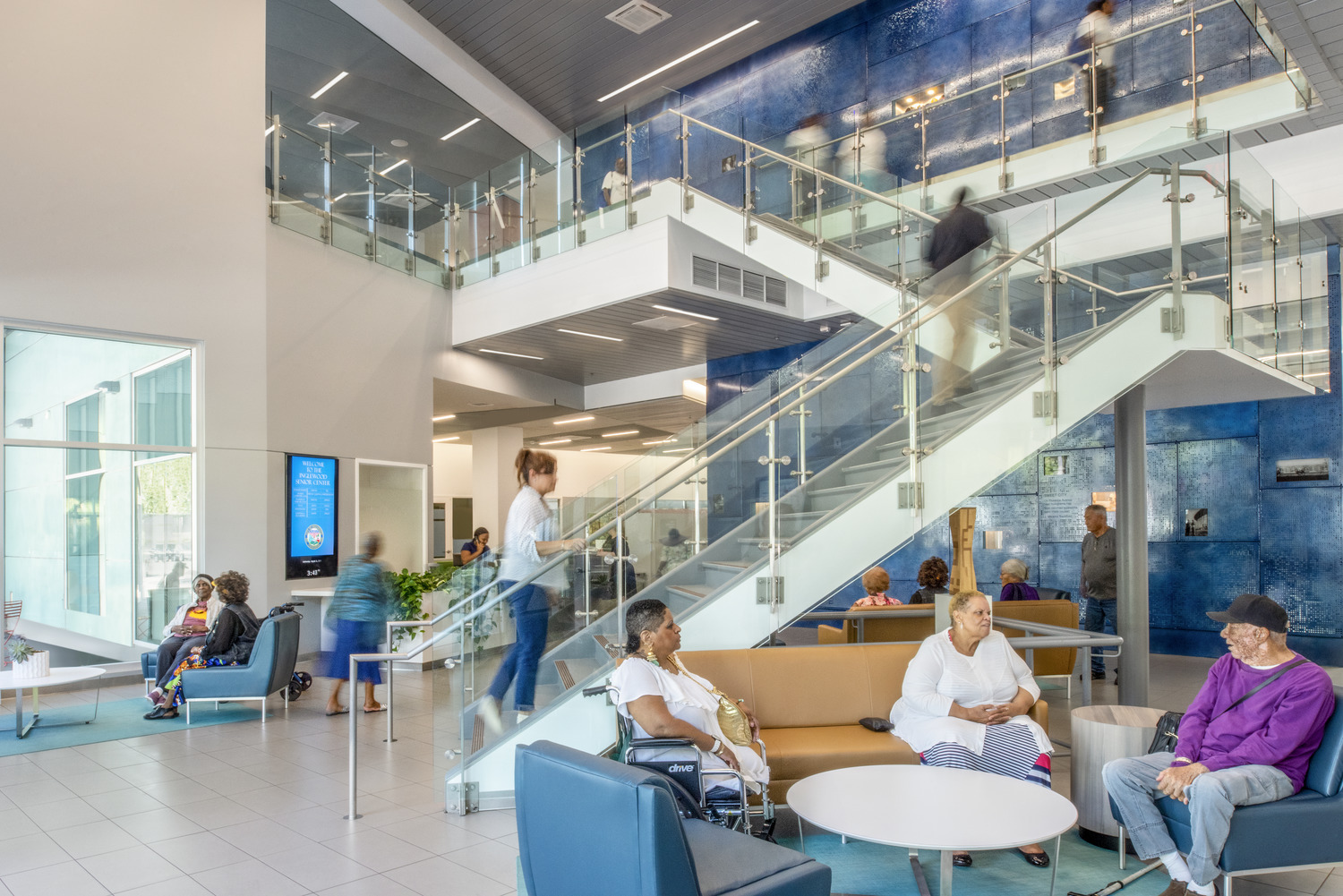

Why Aging Well Depends on the Built Environment
Generations Journal, vol. 50, no. 3 (Fall 2026 Issue)

Guest Editor: Felix Kabo, PhD
R&D Director at CannonDesign and Senior Impact Designer in Residence at the Ross School of Business at the University of Michigan
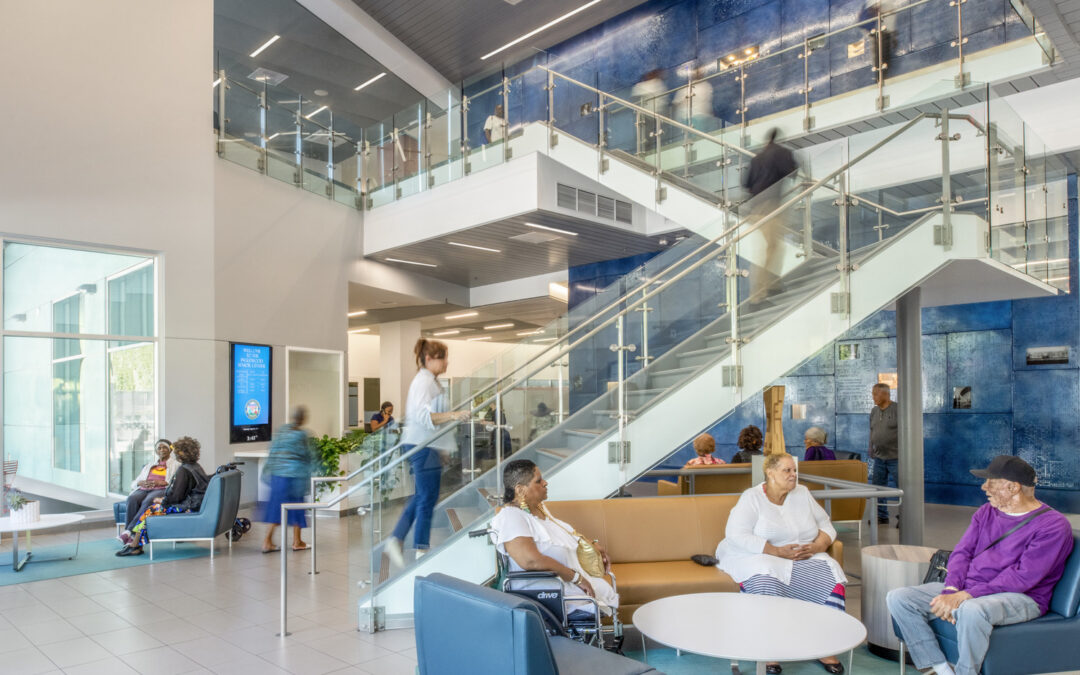
The Future Is Older, Now: Why Aging Well Depends on the Built Environment
Population aging is rapidly becoming one of the most intractable wicked problems of the 21st century. It is no longer a distant horizon, something that can be punted to future generations. Rather, many countries and societies are already grappling with it, and it is an uncertain landscape that many in the world are already walking through. Consider that...

Rebuild. Retrofit. Reimagine: A New Vision for Aging and Care in America
Abstract An aging population is increasing demand for long-term services and supports at a time when many care environments remain rooted in outdated institutional models. While innovative residential and household-based approaches have demonstrated benefits for autonomy, quality of life, workforce outcomes, and health, access to these environments remains...

Designing for Successful Aging as Health Creation: An Equity-Centered Salutogenic Approach to the Built Environment
Abstract This article proposes an equity-centered approach to salutogenic design in environments for older adults. While salutogenesis offers a useful framework for understanding how design can support health through manageability, comprehensibility, and meaningfulness, these conditions are not experienced equally. They are shaped by culture, income,...
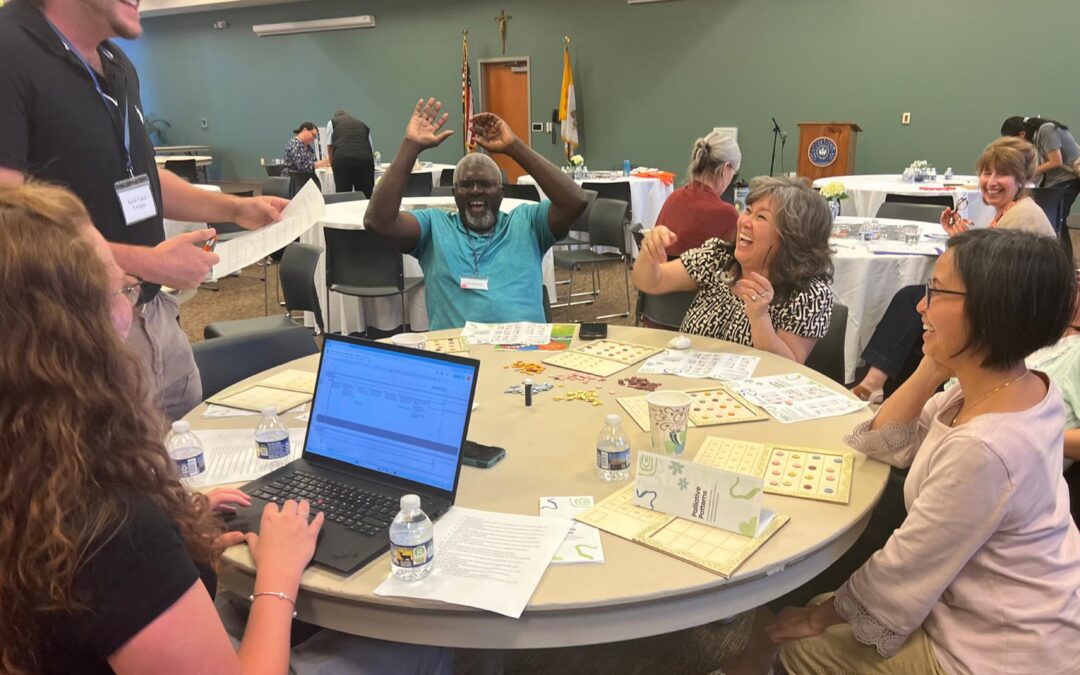
A New HEARTH Village Model for Human Flourishing in Older Adulthood
Abstract Population aging demands alternatives to institutional models of long-term care that better promote health, well-being, and quality of life. This paper presents the Healthy Environments for Aging, Resilience, Thriving, and Hope (HEARTH) Village Model, a framework started in an interdisciplinary programming seminar involving architecture,...
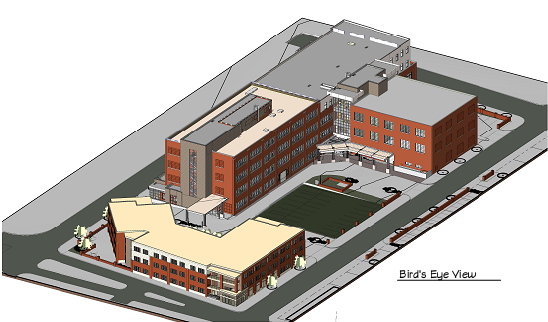
Thome Rivertown Neighborhood: Affordable Housing and Support System that Works
Abstract While the government has been working to advance home and community-based services (HCBS) for well over a decade, these services are often fractured, difficult to identify, and sometimes still not affordable to people with lower income. Additionally, many people find it difficult to manage their health care needs, with insufficient insurance, poor...
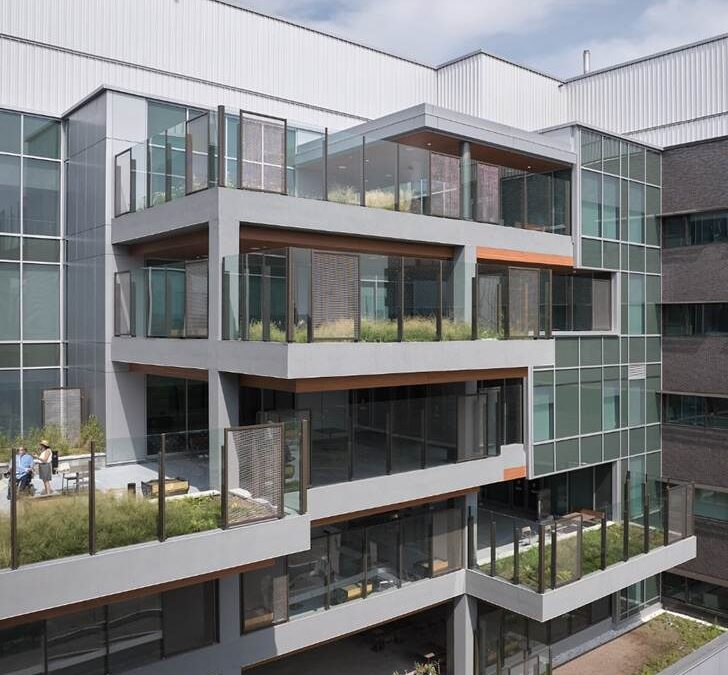
Enhancing Older Adult Daily Life Through Improved Patient-Centered Care
Abstract West Park Healthcare Centre’s redevelopment in Toronto presents an age-friendly, person-centered approach to post-acute rehabilitation. Completed in April 2024, the campus combines medical care with environmental, psychological, social, emotional, and spiritual support intended to improve quality of life and encourage independence. Guided by...
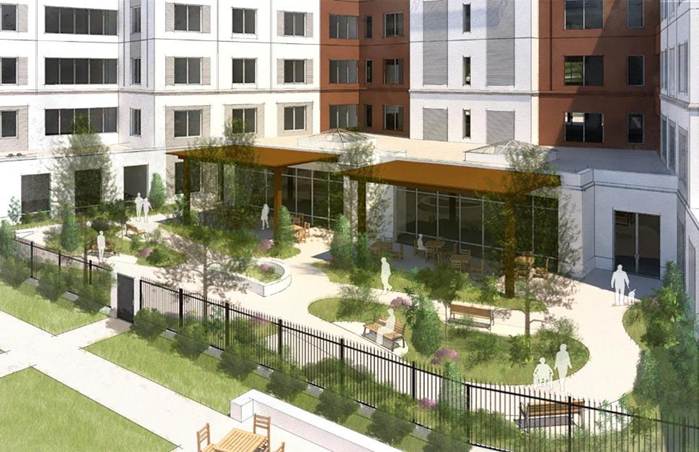
The Veterans Home of California-Yountville: A New Model for Dignity, Autonomy, and Belonging in Later Life
Abstract The Skilled Nursing and Memory Care facility at the Veterans Home of California-Yountville was designed to focus on the abilities versus disabilities of residents through the application of the seven basic Universal Design principles originally developed by Ronald Mace and by ensuring that households and neighborhoods are designed to work equally...

Aging in Place is Not Working: Why Home Modification Fails Those Who Need It Most
Abstract Home modification has been recognized as essential for successful aging in place, yet it remains underutilized, especially among low-income older adults and people with disabilities. The central problem is that systems often fail to make home modification accessible, affordable, and actionable for those who need it most. This article identifies...
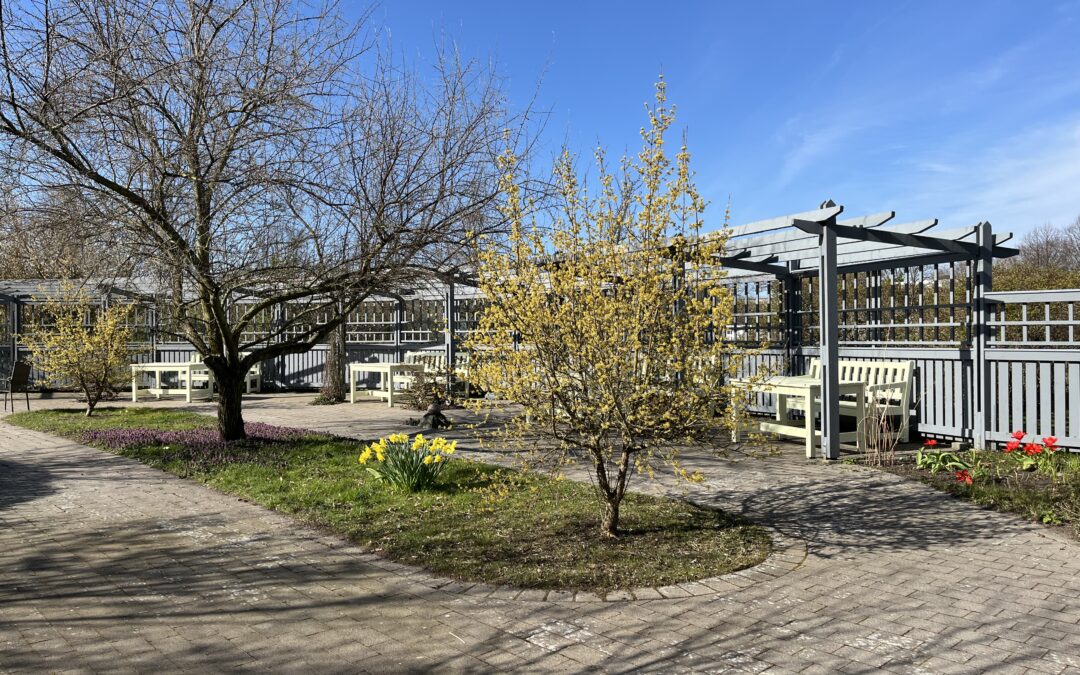
Aging, Place, and the Preservation of Culture and Identity
Abstract Culture and identity shape individuals' relationships with their environments throughout the life course. As people age, social and physical environments play an increasingly important role in sustaining culture and identity while supporting adaptation to age-related changes. Drawing on the authors' cross-continental experiences and observations...
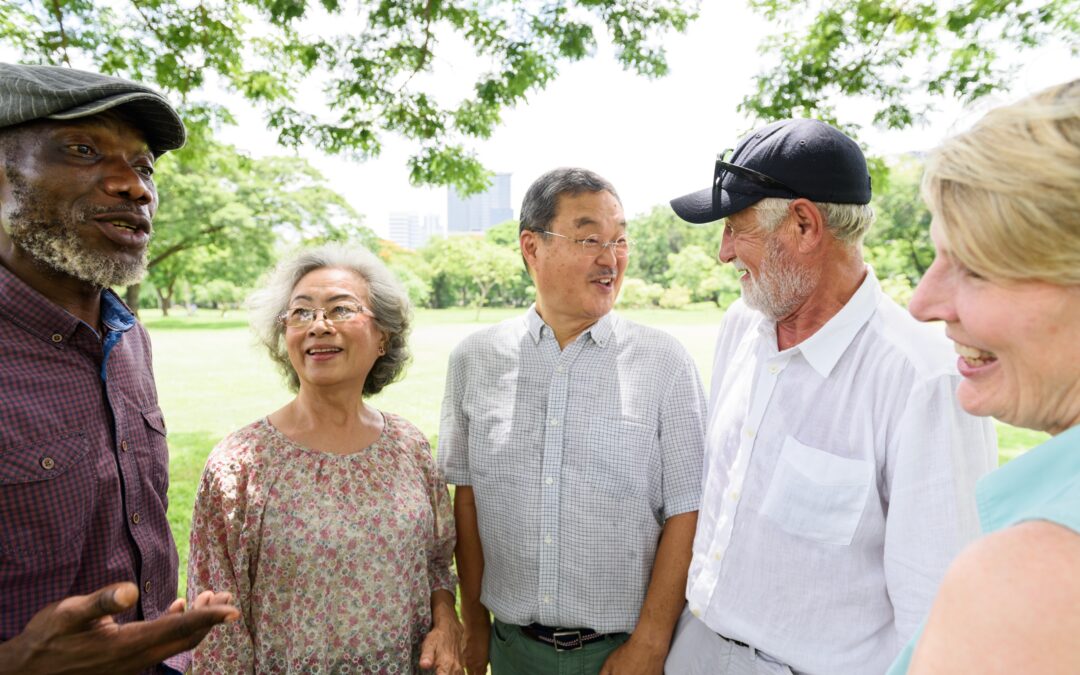
Designing for Belonging: How Place Attachment Can Support Aging in Immigrant Communities
Abstract The United States is undergoing a significant demographic transformation as both its older adult and immigrant populations continue to grow. While efforts to support immigrant inclusion often focus on language access, legal services, and social programs, the role of the built environment in shaping everyday experiences is often overlooked. For...
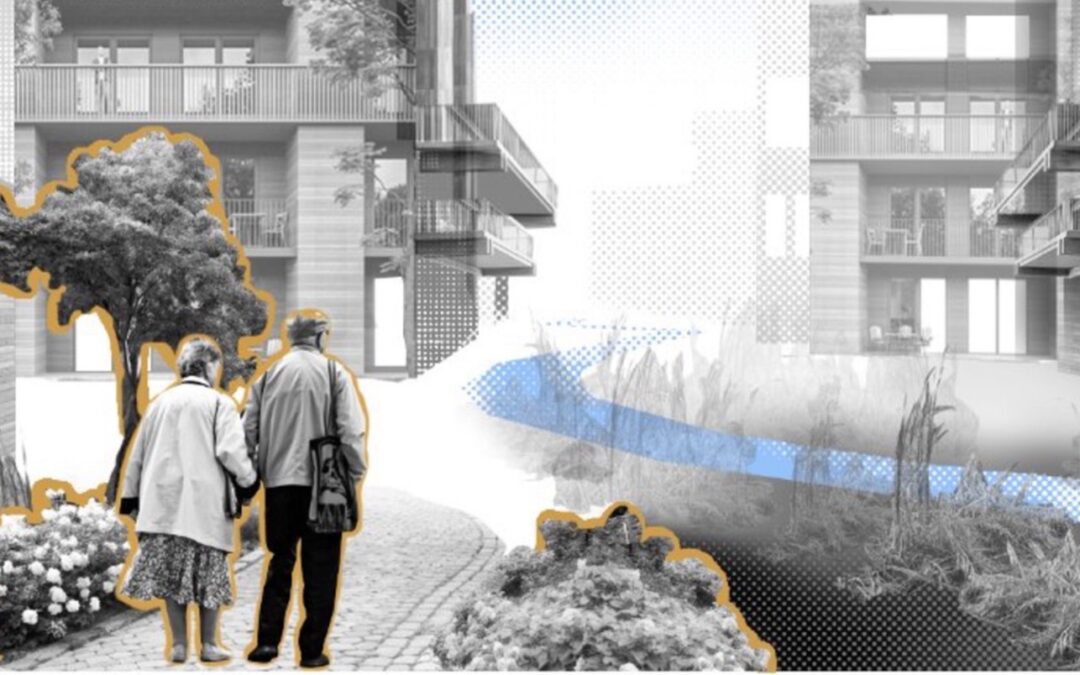
Boxville: Creating Intergenerational Communities of Care
Abstract Communities across North America are confronting three interrelated challenges: population aging, housing insecurity, and the decline of aging retail landscapes. Yet these issues are rarely addressed together. This article introduces “Boxville” as both a familiar commercial landscape and a metaphor for the fragmented systems through which aging,...

An Urban Approach to the Future of Aging: Vertical Villages
Abstract The post-COVID-19 decline in office occupancy presents an opportunity to rethink vacant downtown high-rises as housing and community resources for future aging populations. This paper introduces the Vertical Village, an adaptive reuse model combining principles of the 15-minute city, intergenerational housing, and aging in place. Developed through...

Challenging Urban Footprints to Innovate Our Support Systems
Abstract Falling birth rates threaten population sustainability of our nations and care structures for vulnerable populations but are not an isolated challenge. Our failing social infrastructure impedes a functioning system of care, which can be transformed through our urban environments. Challenging traditional practices of urban renewal, we can engineer...

Staff
Editor-in-Chief: Leanne Clark-Shirley, PhD
Editorial Director: Amy Nelson
Issue Contents
Thome Rivertown Neighborhood: Affordable Housing and Support System that Works By Margaret Calkins, Roger Myers and Brian Carnaghi
Enhancing Older Adult Daily Life Through Improved Patient-Center Care By Elika Herischi
Challenging Urban Footprints to Innovate Our Support Systems By Cameron M. Contreras
Editorial Advisory Board
Ruth E. Katz, Chair
Wendy Lustbader, Immediate Past Chair
Joe Angelelli, PhD
Fayron Epps, PhD
Donna M. Lisi, PharmD
Heather Menne, PhD
Winifred V. Quinn, PhD, FAANP, FAAN
Laura Trejo, PhD
ISSN 2694-5126
Suggested citation for articles in this issue: [Last Name(s), First Name(s)]. “Article Title.”
About Generations Journal
Generations Journal is the quarterly journal of the American Society on Aging. Each issue is devoted to bringing together the most useful and current knowledge about a specific topic in the field of aging, with emphasis on practice, research, and policy.