In a five-country pilot, two artificial intelligence assistants never imagined a candidate, customer, or expert older than 55.

The Age When a Person Stops Being Pictured
read more
In a five-country pilot, two artificial intelligence assistants never imagined a candidate, customer, or expert older than 55.

Adding aging services on top of disability services does little to create continuity
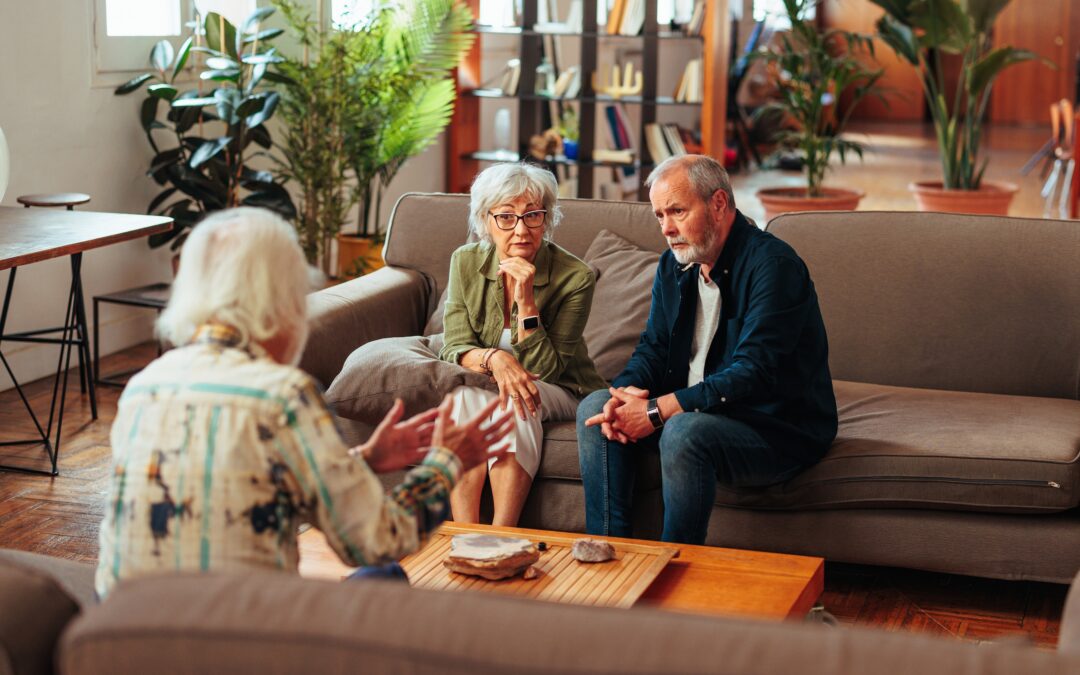
The counseling gap for older adults is not only about access. It is about who is trained to understand what later life contains.

ASA launches Community Groups
Four questions to consider when making policy decisions
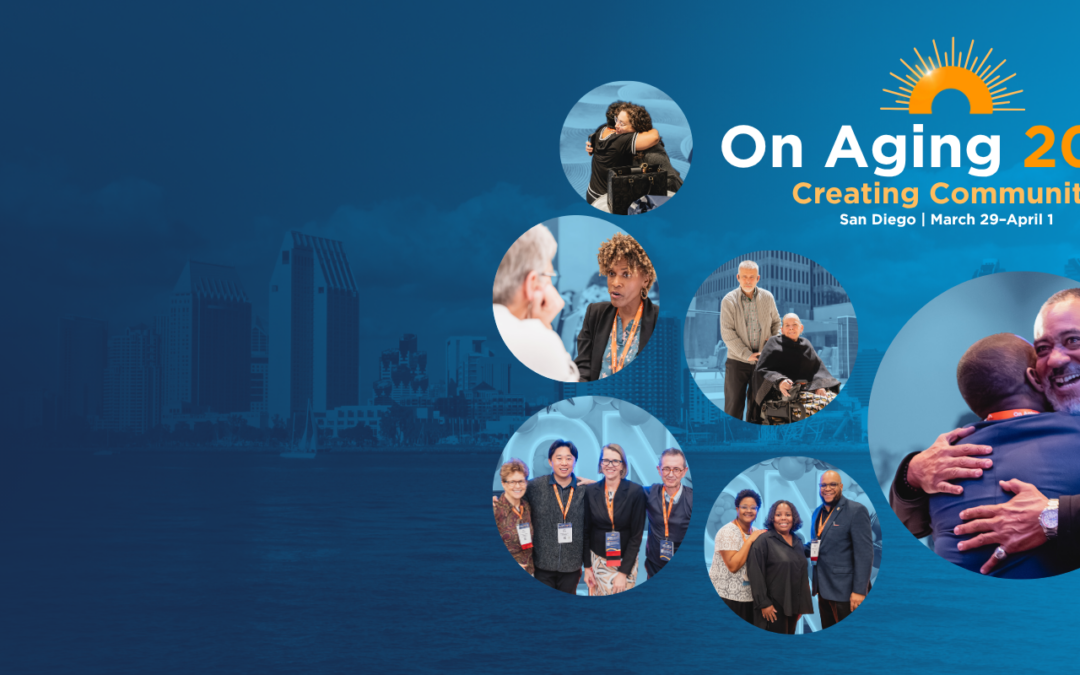
Letter from ASA’s Patrice Dickerson is an open invite to On Aging 2027: Creating Community conference

Letter from ASA President and CEO Leanne Clark-Shirley outlines six new groups

Organizations embracing artificial intelligence may risk overlooking the experienced professionals, residents, and advocates whose accumulated judgment can reveal what the data cannot

Five steps to take to ensure artificial intelligence is not introducing errors or biases
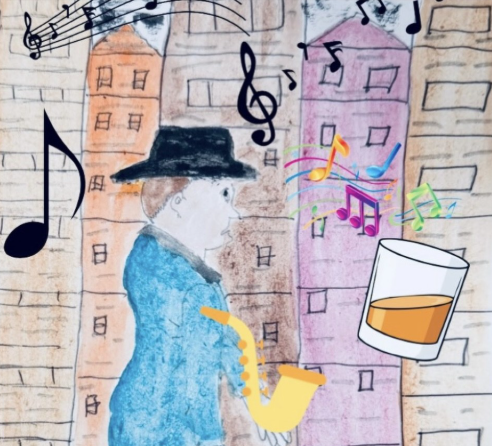
My drawing starts with Steely Dan as the line follows the rhythm.
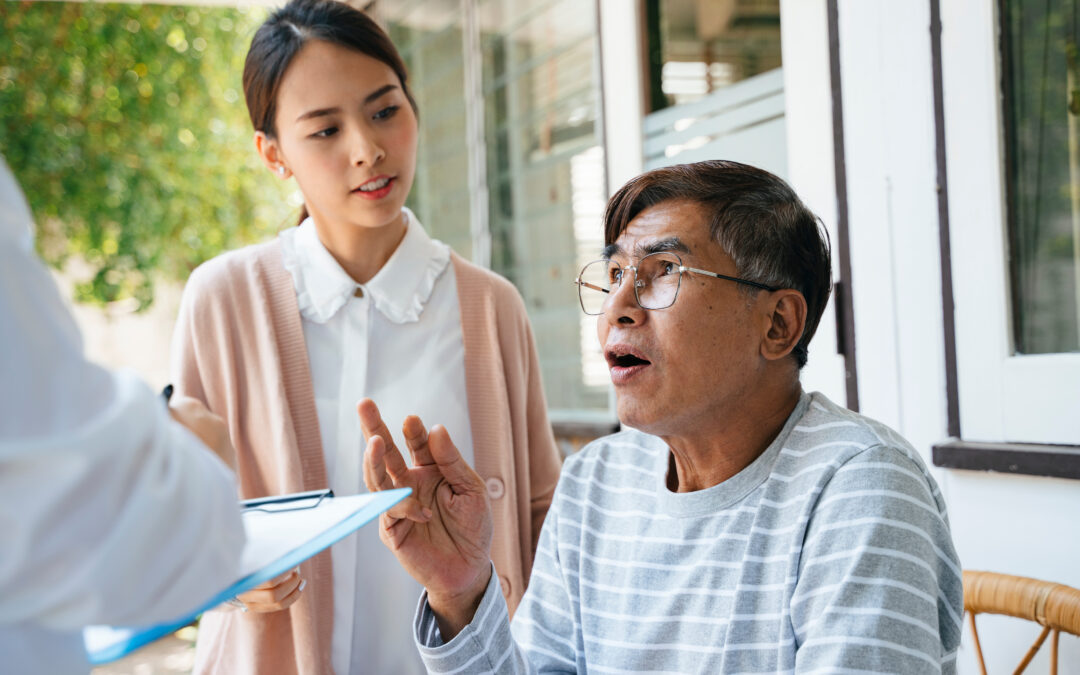
The first reaction when dealing with an ageist situation should be to figure out why it’s happening and what to do about it.

Elder mistreatment prevention cannot sit outside the places older adults already turn to for care, support, housing, and protection.

Few model healthy aging and present themselves as the exception to growing older.

An examination of issues facing a dramatically changing workforce.

Understand why Americans are working longer and how employers can support their well-being through workplace design.

Exploring the evidence underlying a complex labor market for workers 50 and older.

Study finds most employers have advanced only a few age-specific efforts.

Expanding MPAs supports work, economic opportunity, and the continuing contributions of older adults.
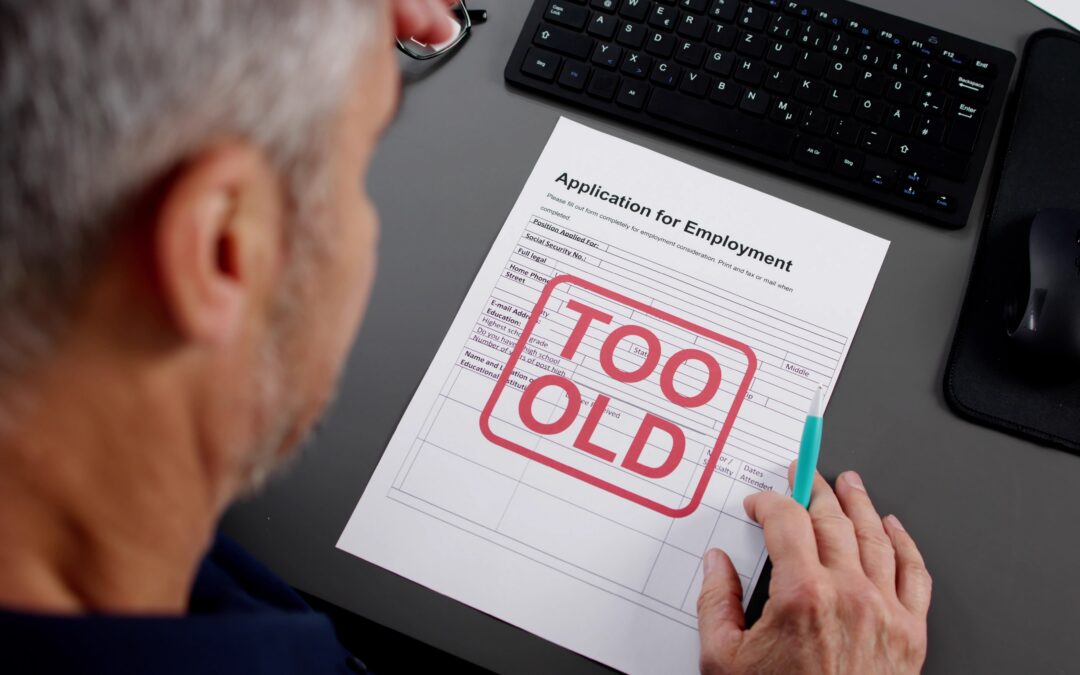
The changing nature of the workplace presents challenges and opportunities for older workers and employers.

Employers must balance and recognize strengths of employees’ general and firm-specific experiences.