
What our ASA RISE Fellowship Program research project into solo aging discovered.
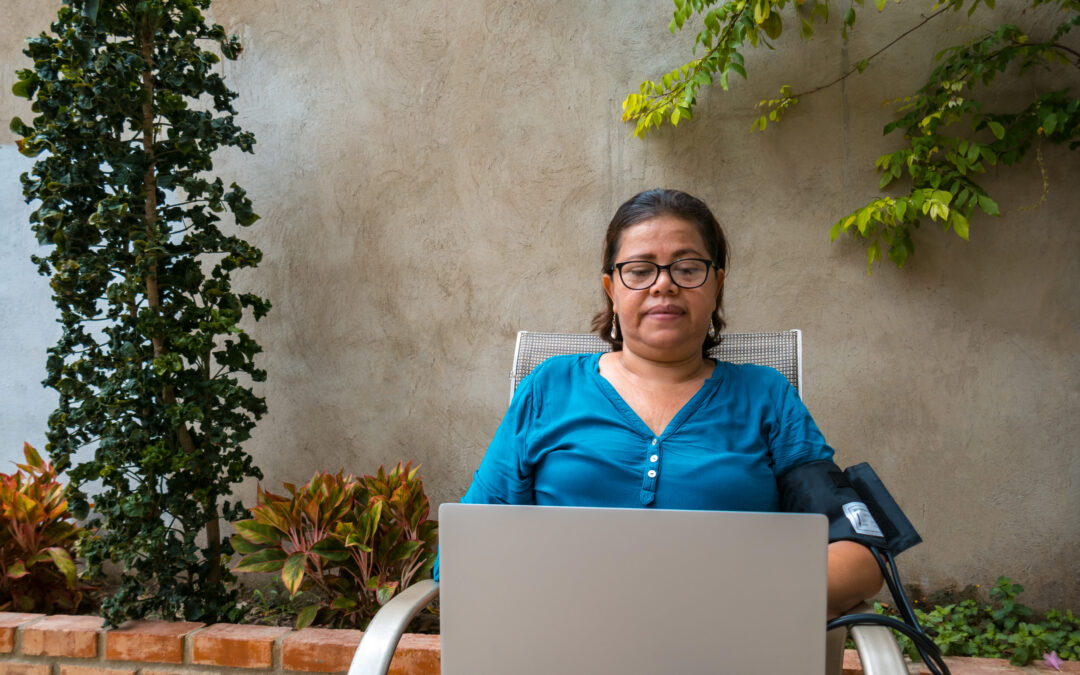
From the Shadows to the Light: Centering Solo Agers in Healthcare
read more
What our ASA RISE Fellowship Program research project into solo aging discovered.

How the Center to Advance Palliative Care (CAPC) is working to reduce disparities for older adults living with serious illness.
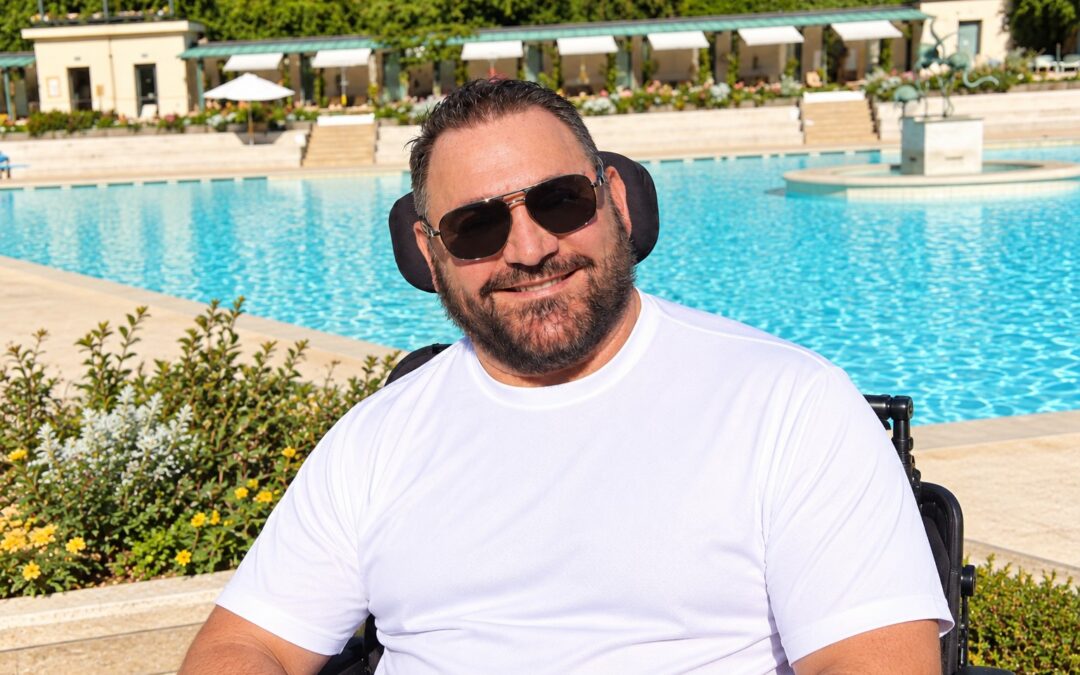
Adding aging services on top of disability services does little to create continuity.
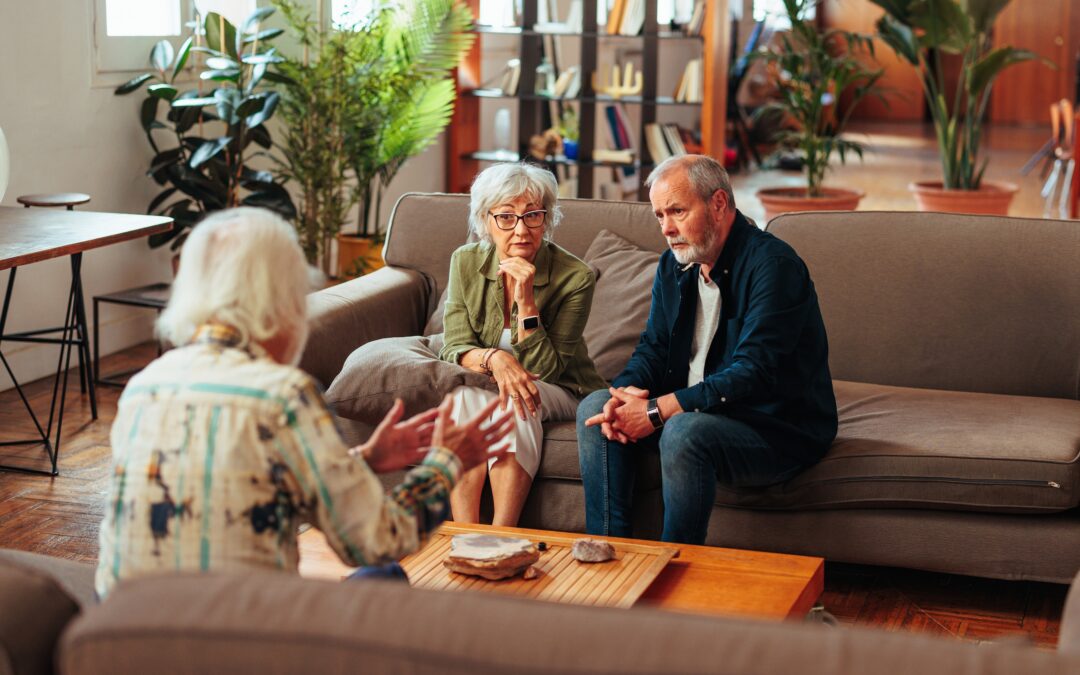
The counseling gap for older adults is not only about access. It is about who is trained to understand what later life contains.

An excerpt from “Grandfamilies: Stories of Children and the Loving Relatives Who Raise Them.”

ASA is examining the future of aging and learning from others.
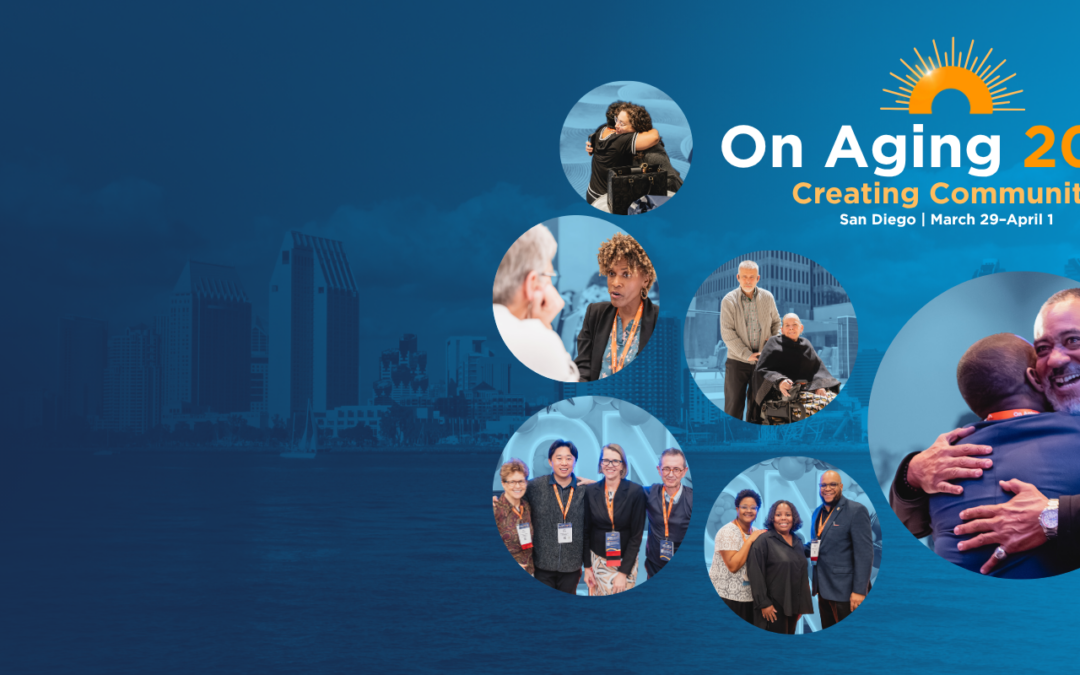
Letter from ASA’s Patrice Dickerson is an open invite to On Aging 2027: Creating Community conference
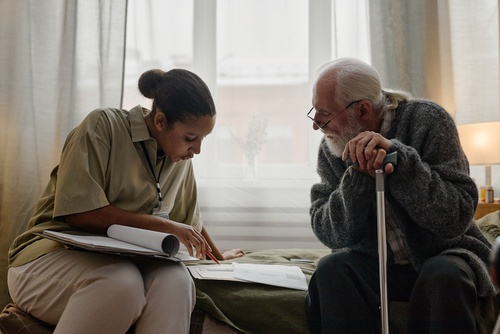
Four questions to decide if a care plan is feasible.
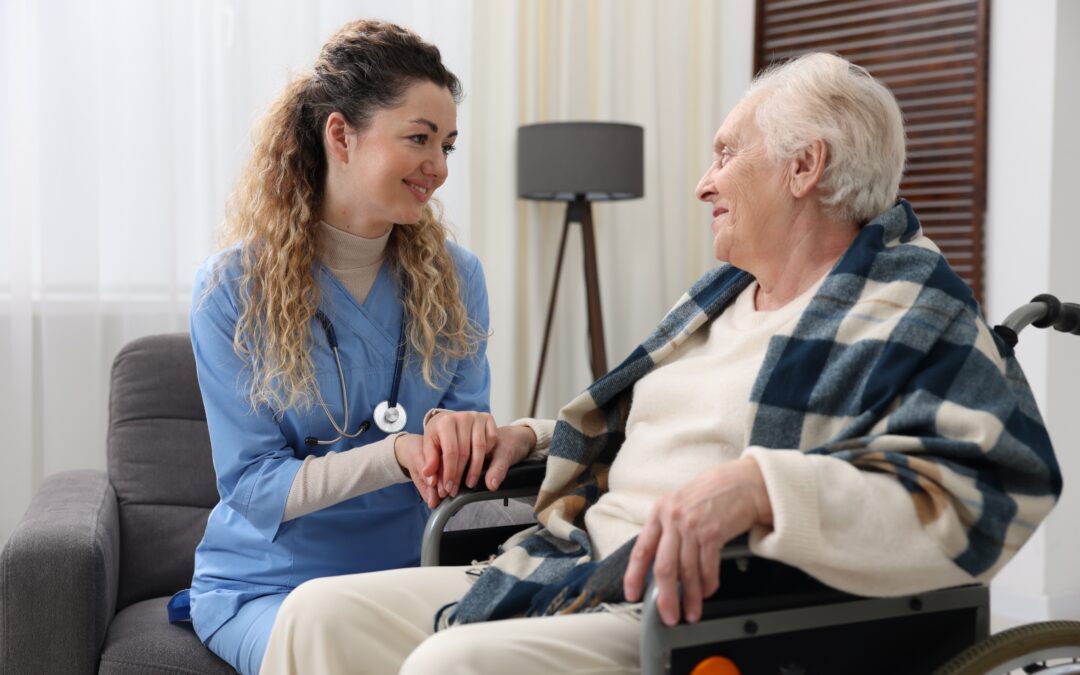
We measure tasks completed and minutes worked but not connections made and personal impact.
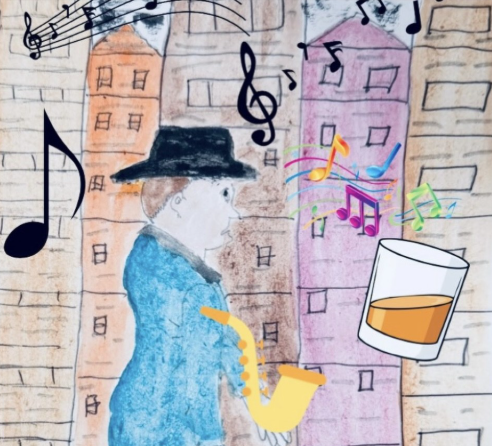
My drawing starts with Steely Dan as the line follows the rhythm.
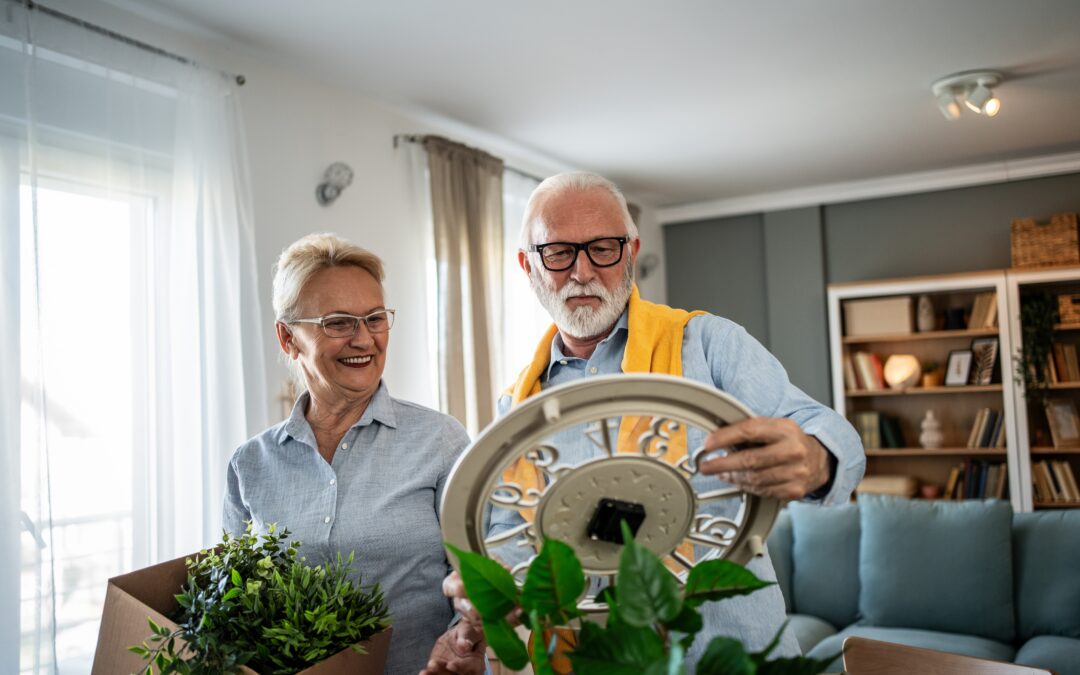
How to help older adults change residences and transition to a new home.
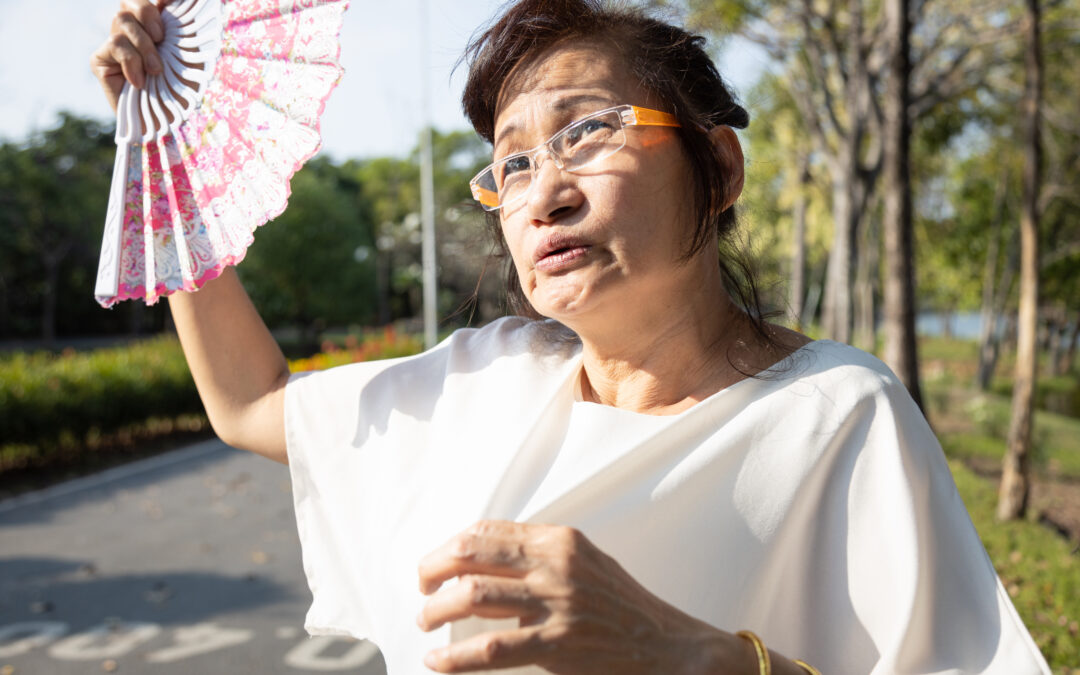
The intersecting trends of aging populations and increasing global temperatures require viable solutions.
Few model healthy aging and present themselves as the exception to growing older.

An excerpt from author and new longevity expert Michael Clinton’s latest book.
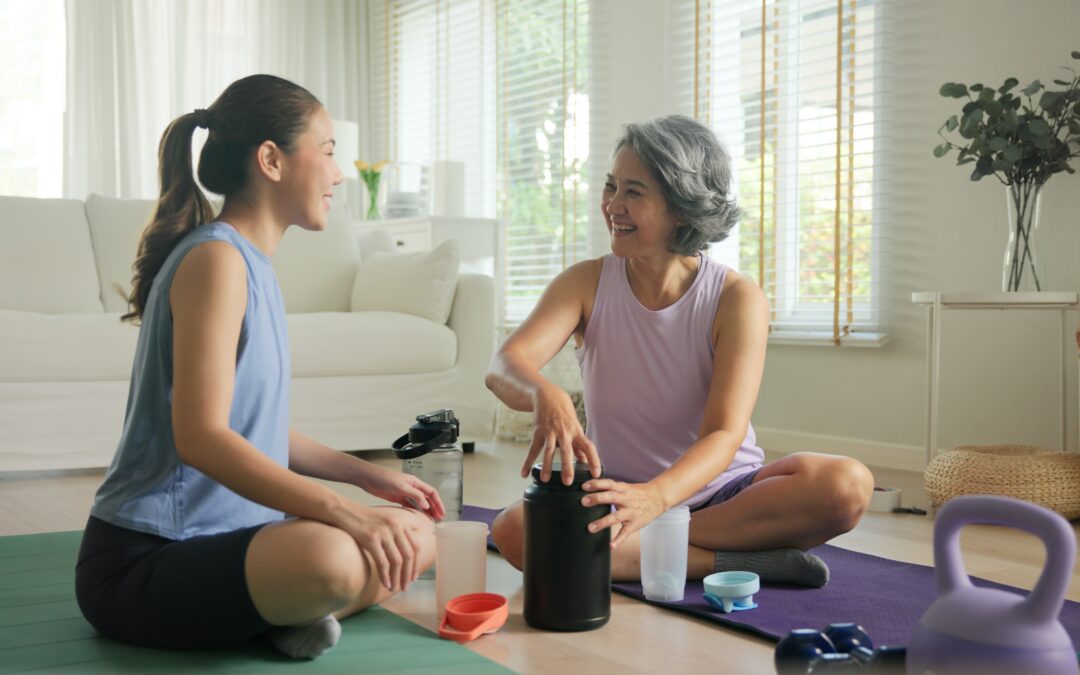
Benefits and misconceptions of creatine supplementation.

The Telehealth Intervention Programs for Seniors helps older adults stay healthier at home.
Six recommendations to consider for MPAs.

Emerging technologies can help people age in place when integrated into strong public and community systems.
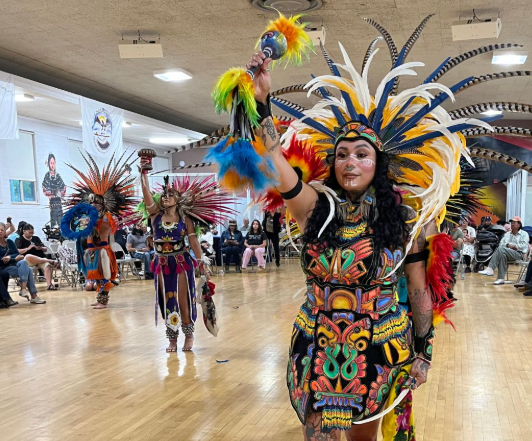
Urban Indian Center of Salt Lake helps American Indian and Alaska Native members connect.
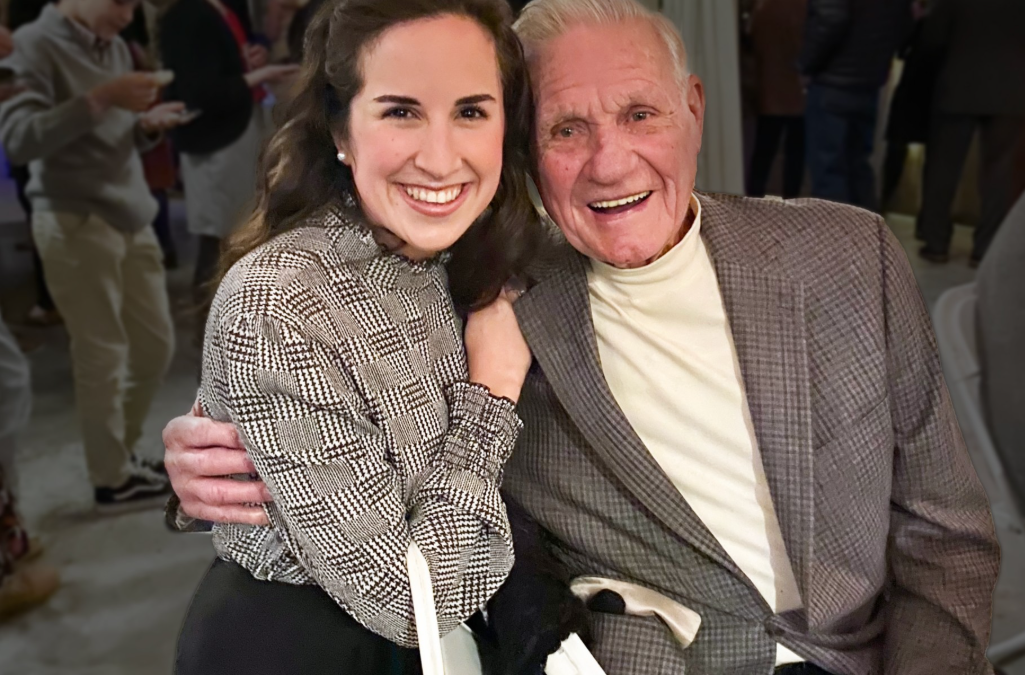
Being aware that time may be limited has helped me embrace spending time with friends.