
Abstract
Communities across North America are confronting three interrelated challenges: population aging, housing insecurity, and the decline of aging retail landscapes. Yet these issues are rarely addressed together. This article introduces “Boxville” as both a familiar commercial landscape and a metaphor for the fragmented systems through which aging, housing, care, and development are typically understood. Drawing on an architectural design studio at the University of Wisconsin–Milwaukee, it explores how failing big-box retail sites might be reimagined as intergenerational communities of care organized around relationships, health, and diverse household structures.
Key Words
Aging, communities of care, intergenerational communities, social infrastructure, healthy aging, housing, retail redevelopment, placemaking
What kinds of places are needed to support an aging society?
As people live longer, communities are confronting rising social isolation, growing caregiving demands, and increasing pressure on housing affordability and stability (Joint Center for Housing Studies of Harvard University, 2024; National Academies of Sciences, Engineering, and Medicine [NASEM], 2020; Reinhard et al., 2019). At the same time, many municipalities face another set of related challenges: aging shopping centers, vacant big-box stores, and declining commercial corridors (Dunham-Jones & Williamson, 2011).
Intergenerational communities of care and failing retail landscapes are seldom part of the same conversation. This article argues that they should be.
Reclaiming Boxville for Communities of Care
“Boxville” describes aging retail landscapes found in communities across North America: Vacant big-box stores, underused parking lots, and declining commercial corridors that are difficult to redevelop despite their strategic locations in established neighborhoods and along major transit routes. Midtown Center in Milwaukee, Wisconsin, offers one example (Figure 1). Once a regional shopping center and later a big-box retail district, Midtown saw two major stores fail within a few years, leaving behind large empty buildings and extensive surface parking. Like many Boxvilles across the United States, Midtown’s location suggests an opportunity to reconnect housing, care, and community life.
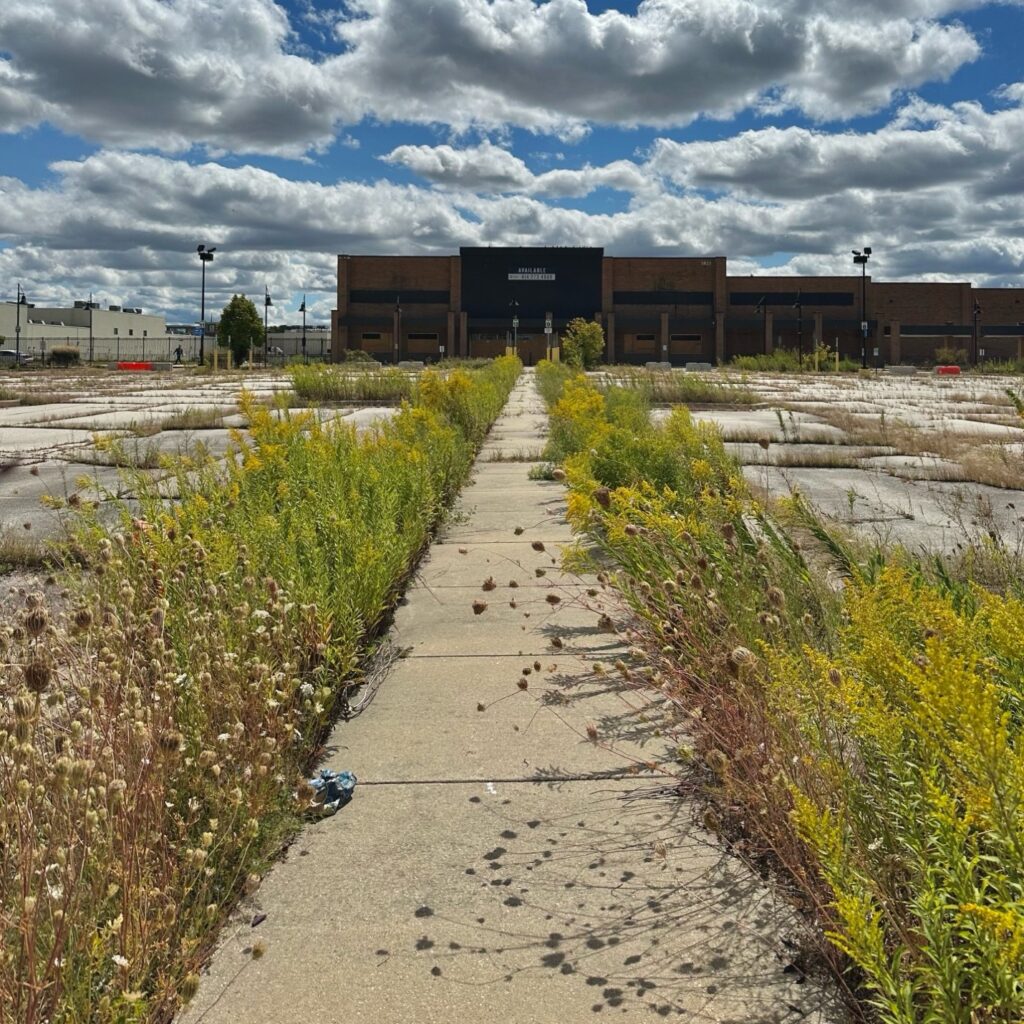
Figure 1. Overgrown Parking Lot, Midtown Center, Milwaukee, Wisconsin. Photograph by the author, 2025.
More than a description of physical decline, Boxville is a metaphor for the siloed ways we address aging, housing, care, and development. These issues are often treated as separate policy domains, even though they are deeply connected in people’s daily lives. That disconnect reaches beyond services for older adults. It also affects families, neighborhoods, and the social and environmental systems that sustain community life.
What if Boxville were reimagined as an intergenerational community of care—one that addresses these intertwined challenges together?
More than a description of physical decline, Boxville is a metaphor for the siloed ways we address aging, housing, care, and development. These issues are often treated as separate policy domains, even though they are deeply connected in people’s daily lives.
What Is a Community of Care?
A community of care recognizes that people depend on one another throughout life. Caregiving is not simply a service to be delivered; it is a shared social practice embedded in neighborhoods, institutions, and everyday relationships (Tronto, 2013). Such communities support older adults as well as families, caregivers, children, and others whose well-being depends on networks of mutual support.
Historically, communities have often been organized around what they produce or consume. A community of care offers a different possibility: organizing places around the work of supporting one another across generations. What if places designed for consumption were reimagined as places organized around care?
Reimagining Boxville through Architectural Design
These questions were explored in Boxville, an architectural design studio taught at the University of Wisconsin–Milwaukee. The studio used failing retail landscapes as speculative sites for rethinking aging, housing, and care through design. Rather than presenting a tested model, the work used design inquiry to ask how underused commercial sites might become intergenerational communities that support belonging, economic resilience, and mutual support.
Matthew Desmond’s Evicted (2016) was an important influence on the studio. The book shows that housing instability is not only a housing problem. It also weakens caregiving networks, disrupts social ties, and undermines a sense of belonging. This perspective encouraged students to look beyond housing units and building types to consider the broader social and spatial systems that support community life.
Although Evicted is not a book about aging, its central lesson is highly relevant: Stable housing provides a foundation for relationships, caregiving, and community life. Older adults do not age in isolation; they age within families, neighborhoods, support networks, and communities (NASEM, 2020). For that reason, the studio asked students to consider how built environments might support not only services, but also social connection, mobility, purpose, and everyday forms of mutual support.
The studio began with the premise that support is often informal. It may come from neighbors, friends, extended family members, faith communities, caregivers, or people connected through shared activities and interests. Architecture cannot create these relationships by itself, but it can shape the conditions that make them easier—or harder—to form.
Rather than treating care as something delivered only through formal institutions, students explored how neighborhoods themselves might help sustain caregiving through everyday relationships and shared community resources.
Because this was a speculative design exercise, the studio does not offer tested solutions. Instead, its value lies in the design hypotheses it generated: spatial, social, and organizational propositions for what might become possible when retail decline, aging, and care are considered together. Across the projects, three ideas emerged as especially worth exploring in future redevelopment: that former retail landscapes could support relationships, support health, and support diverse households.
Supporting Relationships
Across the projects, students explored how networks of shared community spaces might foster relationships, purpose, and informal support.
Social infrastructure. One proposal introduced a network of “Hobby Houses”—small community buildings dedicated to gardening, cooking, art, movement, and other shared activities (Figure 2). More than community amenities, these spaces were envisioned as places where residents could build relationships, share skills, discover purpose, and develop informal caregiving networks.
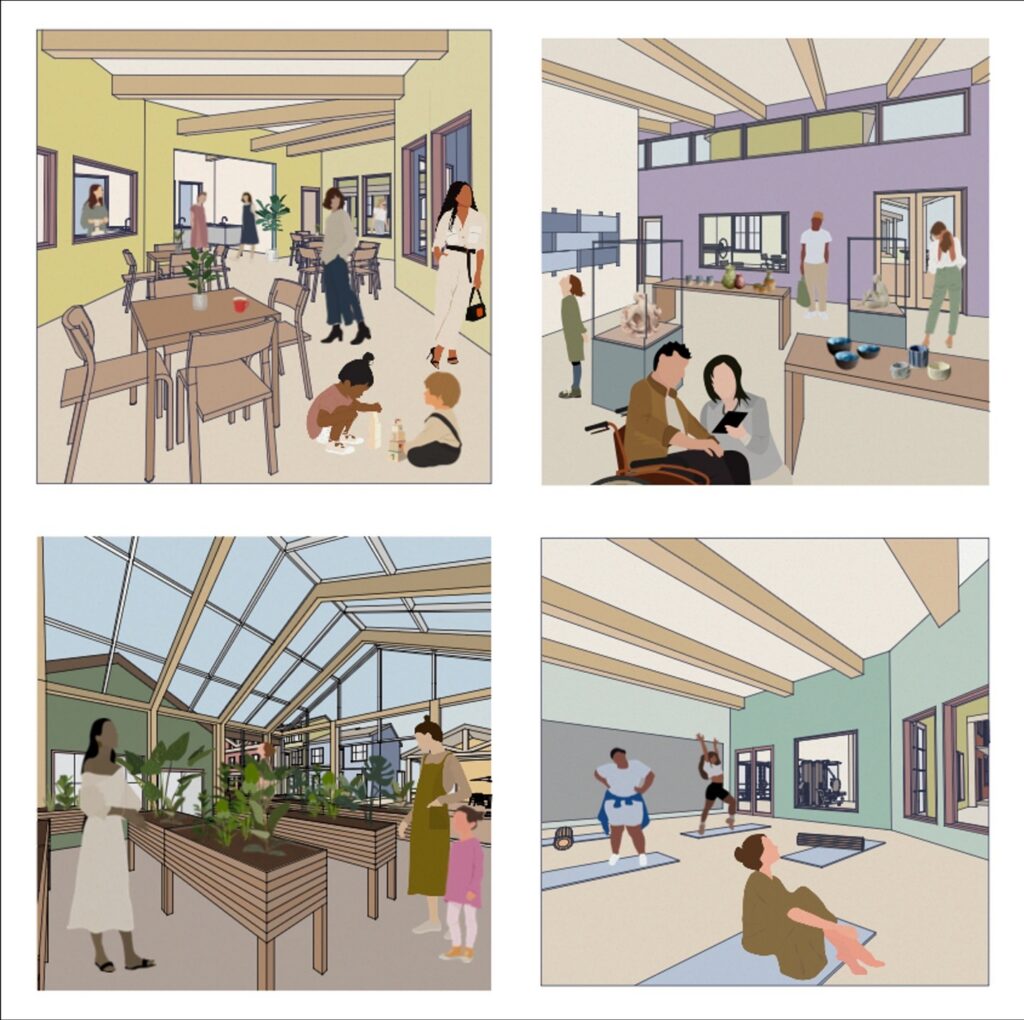
Figure 2. Hobby Houses as Social Infrastructure. Student project by Lauren Dresang, Natalie Powers, and Liz Wilson, University of Wisconsin–Milwaukee, Fall 2025.
Care infrastructure. Caring for one another requires more than healthcare facilities or formal caregiving services. It also depends on places that support caregivers, encourage neighborly assistance, and make everyday acts of care easier. The projects incorporated spaces for wellness programs, caregiver respite, adult day services, mentoring, community meals, and informal assistance among neighbors. Rather than treating care as something delivered only through formal institutions, students explored how neighborhoods themselves might help sustain caregiving through everyday relationships and shared community resources.
Supporting Health
Health is shaped not only by health care, but also by the places where people live their everyday lives. Across the studio, students explored how former retail landscapes might support healthy aging by encouraging movement, contact with nature, independence, and social interaction.
Longevity landscapes. Many proposals emphasized environments that invite walking, recreation, discovery, and everyday encounters. They introduced subtle changes in topography, winding pathways, and a variety of destinations to encourage exploration, movement, and social interaction among residents.
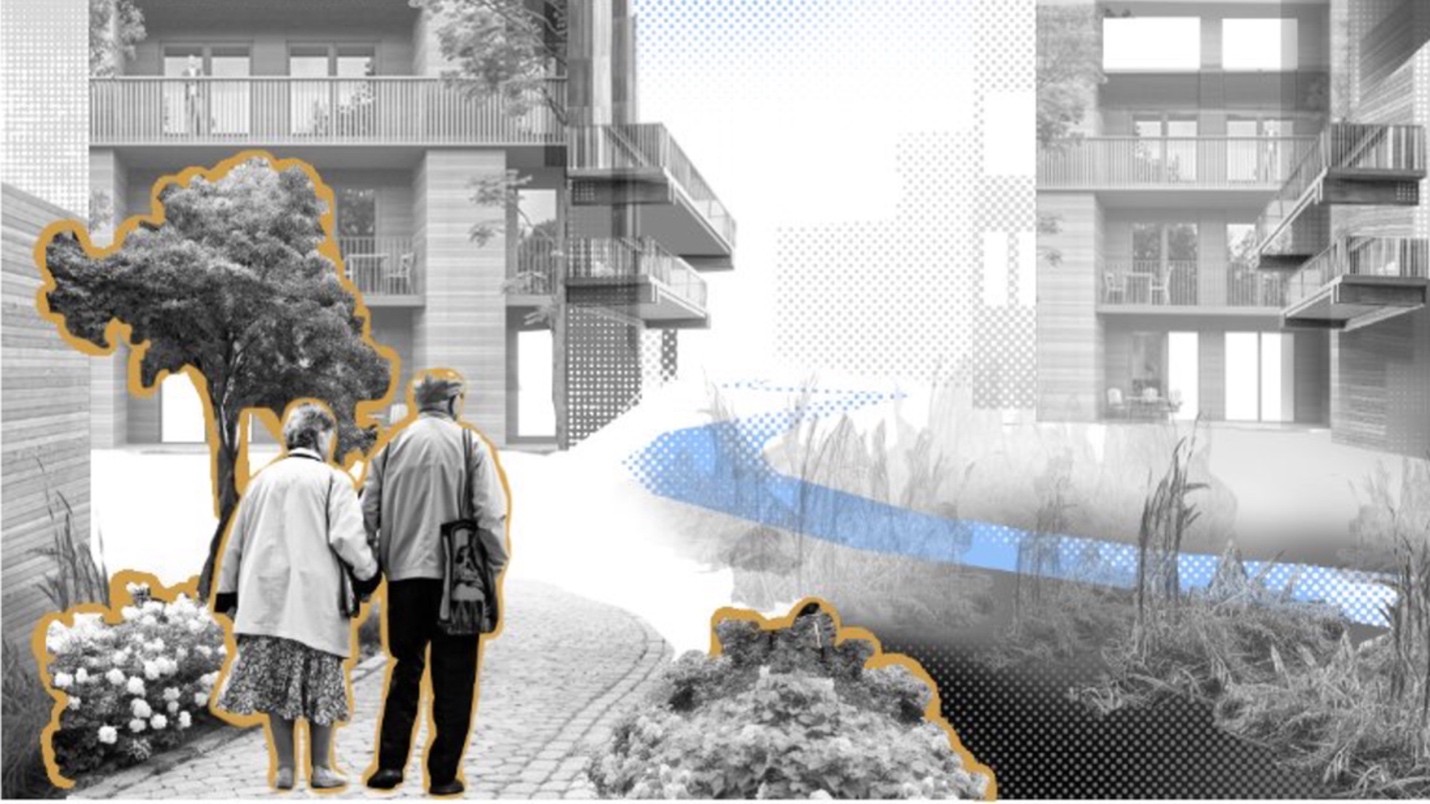
Ecological repair. Environmental restoration also became a strategy for community renewal. Students proposed daylighting buried streams, restoring native landscapes, reducing impervious surfaces, and repairing ecological systems that had been lost during earlier phases of commercial development. These interventions were intended not only to improve environmental health but also to reconnect people with nature and create inviting settings for everyday community life (Figure 3).
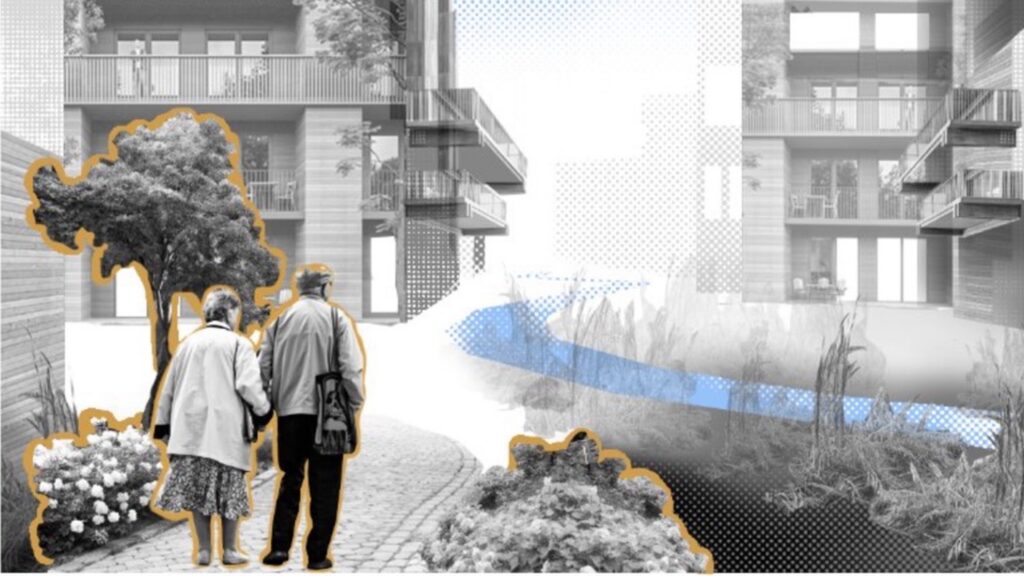
Figure 3. Aging, nature, and repair. Student project by Olivia Crocker, Jocelyn Muelver, and David Schmeelk, University of Wisconsin–Milwaukee, Fall 2025.
Walkability. Walkable neighborhoods can help older adults remain independent while making everyday destinations easier to reach. Students clustered housing, services, recreation, and community facilities within comfortable walking distance to reduce dependence on automobiles and create more opportunities for informal social interaction.
Supporting Diverse Households
Communities of care must be able to support the wide variety of households that exist today and adapt to changing caregiving relationships over time. Across the studio, students explored housing strategies that respond to changing family structures, caregiving responsibilities, and the diversity of contemporary households.
A critical first step was to imagine who might live in these communities. Drawing inspiration from the circumstances described in Evicted, students developed resident profiles that included a single mother facing repeated eviction, a disabled veteran raising children, a grandparent caring for grandchildren, an older adult aging alone, and a caregiver supporting a spouse with dementia. These scenarios encouraged students to design for the realities of everyday life rather than idealized household types.
As communities confront the intertwined challenges of aging, housing insecurity, and commercial decline, the most promising solutions will be those that address them together rather than one at a time.
Flexible households. Housing needs change over time as families grow, caregiving responsibilities evolve, and household composition shifts (NASEM, 2020). Students explored adaptable housing arrangements capable of accommodating caregivers, extended family members, roommates, and changing household needs across the life course.
Cooperative living. Housing affordability and social connection were addressed together through shared ownership models, common facilities, and collective approaches to living. These arrangements sought to reduce housing costs while creating opportunities for mutual support, resource sharing, and stronger community ties.
Multigenerational living. Rather than separating age groups, many proposals intentionally brought older adults, families, children, and younger adults into close proximity. These communities were designed to foster reciprocal support, reduce isolation, share caregiving responsibilities, and strengthen community resilience.
Supporting an aging society will depend on our ability to rethink places like Boxville. Although the projects described here are speculative, they suggest several design principles worthy of further exploration. Communities of care may be strengthened by investing in social and care infrastructure that supports relationships and informal caregiving, by creating healthy environments that encourage movement, ecological restoration, and everyday social interaction, and by providing housing that responds to diverse households and changing caregiving needs across the life course
The vast parking lots, vacant retail buildings, and oversized parcels scattered throughout our communities are not only signs of commercial decline; they are opportunities to reconnect systems that have become fragmented—to link housing with caregiving, aging with community life, redevelopment with social purpose, and environmental repair with community renewal (Klinenberg, 2018). As communities confront the intertwined challenges of aging, housing insecurity, and commercial decline, the most promising solutions will be those that address them together rather than one at a time.
Brian Schermer, PhD, recently retired as Professor of Architecture and Urban Planning at the University of Wisconsin–Milwaukee, Milwaukee, Wisconsin. He is Director of Design Research at Workshop Architects, Milwaukee, Wisconsin.
Acknowledgment: The author gratefully acknowledges the students of the Boxville Studio at the University of Wisconsin–Milwaukee, whose design work informed the ideas presented in this article, and Gene Guszkowski and Andrew Alden of AG Architecture for their guidance and mentorship.
Photo credit: Courtesy Olivia Crocker, Jocelyn Muelver, and David Schmeelk
References
Desmond, M. (2016). Evicted: Poverty and profit in the American city. Crown.
Dunham-Jones, E., & Williamson, J. (2011). Retrofitting suburbia: Urban design solutions for redesigning suburbs. John Wiley & Sons.
Joint Center for Housing Studies of Harvard University. (2024). The state of the nation’s housing 2024. Harvard University. https://www.jchs.harvard.edu/sites/default/files/reports/files/Harvard_JCHS_The_State_of_the_Nations_Housing_2024.pdf
Klinenberg, E. (2018). Palaces for the people: How social infrastructure can help fight inequality, polarization, and the decline of civic life. Crown.
National Academies of Sciences, Engineering, and Medicine. (2020). Social isolation and loneliness in older adults: Opportunities for the health care system. The National Academies Press. https://www.nationalacademies.org/projects/HMD-HSP-17-25
Reinhard, S. C., Feinberg, L. F., Houser, A., Choula, R., & Evans, M. (2019). Valuing the invaluable: 2019 update. Charting a path forward. AARP Public Policy Institute. https://www.advancingstates.org/hcbs/article/valuing-invaluable-2019-update-charting-path-forward
Tronto, J. C. (2013). Caring democracy: Markets, equality, and justice. New York University Press.