
Abstract
Culture and identity shape individuals’ relationships with their environments throughout the life course. As people age, social and physical environments play an increasingly important role in sustaining culture and identity while supporting adaptation to age-related changes. Drawing on the authors’ cross-continental experiences and observations from study visits to exemplary Swedish long-term care homes, this paper examines how thoughtfully designed environments may help older adults preserve their culture and identity. It also considers how these environments can respond to diverse aging populations if thoughtfully integrated in long-term care homes.
Key Words
Outdoor environments, prospect and refuge theory, residential care facilities, long-term care, nursing homes, identity
Culture and identity shape the social and physical environments individuals inhabit from early life onward, influencing how people understand themselves and relate to the world around them. In later life, these same environments play a critical role in supporting older adults as they navigate age‑related changes, offering continuity, familiarity, and cues that help sustain a sense of self. As mobility, sensations, and cognition become more limited, the alignment between an older adult’s environment and their cultural identity becomes increasingly important, whether they are living in personal homes, participating in community life, or residing in congregated long‑term care homes. Understanding how different environments reinforce or undermine cultural identity is therefore essential for designing supportive spaces that promote well‑being across diverse aging trajectories.
Background
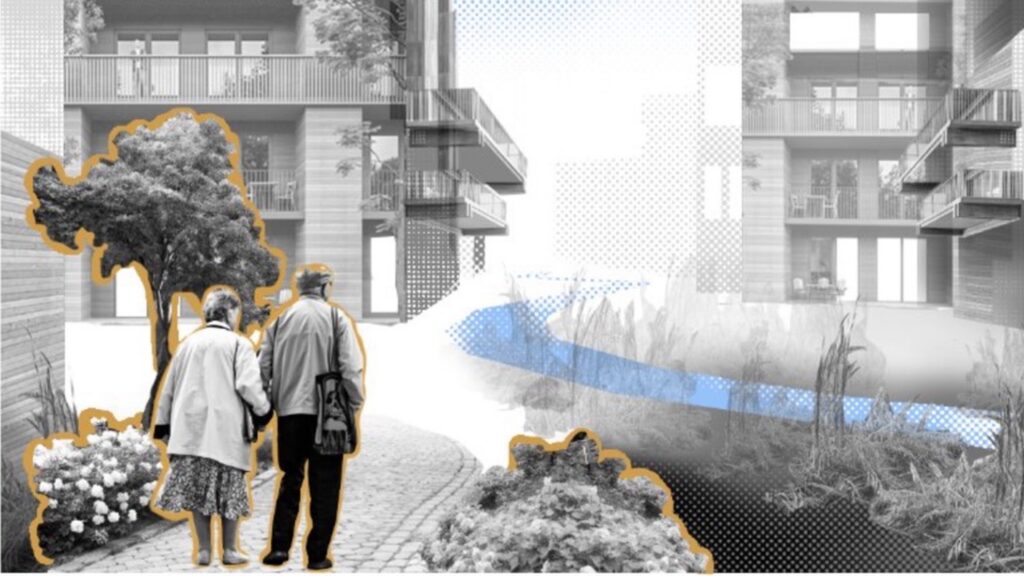
For older adults aging in place, their homes (i.e., social atmospheres, interior spaces, and the exteriors of buildings) serve as the primary sites where culture and identity are expressed and reinforced. These environments are intentionally shaped over time to reflect personal histories, values, and routines, and their familiarity provides a strong foundation for continued independence. In contrast, surrounding community environments vary widely depending on municipal design features such as accessibility, walkability, and connectivity to essential destinations (e.g., stores, services, healthcare clinics, community centers, and parks). These public spaces may or may not reflect an individual’s cultural identity, yet they remain important as places for exploration and engagement beyond one’s home. Together, personal homes and surrounding community environments allow the dynamic described in the theory of prospect and refuge (Appleton, 1984) to unfold: the home as a place of refuge and the broader community environment as a space for prospect.
Together, personal homes and surrounding community environments allow the dynamic described in the theory of prospect and refuge to unfold: the home as a place of refuge and the broader community environment as a space for prospect.
The greatest challenges arise in long‑term care homes, where opportunities to maintain culture and identity are often constrained. In many cases, culture and identity can only be expressed within the private bedroom—if residents are permitted to bring personal decorations and furnishings and are not required to share a semi‑private room. In congregated long-term care settings, the private bedroom might function as the personal home for refuge and the shared spaces beyond it as areas for prospect. This border between the private room and the shared spaces in long-term care homes may be more significant for, and easier for, residents to perceive than for staff (Jonsson et al., 2014). Physical and social environments of long‑term care homes vary considerably and are frequently constrained by operational policies, making it difficult to meaningfully support individualized culture and identity for all residents. In the next section, the importance of physical and social environments is demonstrated through cross-continent reflections from personal experiences.
Cross-Continent Reflections
The first author’s experience as an immigrant from Taiwan to Canada illustrates how profoundly physical and social environments shape one’s sense of culture and identity across the life course. In Taichung (Taiwan’s second-largest city; 2.82 million inhabitants), mixed‑use buildings are common, and daily life unfolds within semi-dense, safe, walkable neighbourhoods where residential, commercial, and community spaces are tightly interwoven. On main streets, families often live above shops they own or rent out, which serve as semi-public gathering spaces. On residential streets, families are only steps from fresh groceries, prepared meals, parks, cultural centers, and mini temples (community anchors). This network of spaces offers sensory reminders of cultural identity—familiar foods, languages, routines, and community rhythms—embedded into the built form. The built environment fosters one’s social environment and enforces proximity to family for the first author’s parents (a total of 10 siblings and 25 kids), strengthening the social relationships across generations. The spaces between refuge (one’s home) and prospect (environments beyond one’s home) are closely connected, making exploration convenient.
By contrast, the first author’s family immigrated to Mississauga, Ontario (Canada’s seventh-largest municipality; 718 thousand inhabitants) where mixed-use buildings are uncommon. Most residential neighborhoods have wider lot widths, segregated land uses, and greater distances between residential, commercial, and community spaces, creating environments that are less walkable and therefore less reflective of the cultural patterns with which the first author’s parents grew up. Moreover, social disconnection is exacerbated by geographical distance due to immigration. Over time, this difference can be disorienting for aging older immigrants whose mobility, sensory, and cognitive abilities are changing and whose sense of self is tied to the Taiwanese environments that shaped their identity. They rely on the limited social environments of family (three kids and four grandkids across North America) and a few nearby friends with whom they can connect on culture. Spaces between refuge and prospect are separated by drives and flights, making exploration inconvenient and less accessible.
The second author’s experience focuses on the changes to the social environment in Sweden due to the decline in family size. His father, who once had six siblings and 34 cousins, moved back from a commuting municipality near Stockholm (the capital of Sweden; 1.65 million inhabitants) to a commuting municipality on the Baltic Sea coast near the medium-sized town Hudiksvall (17 thousand inhabitants in the central town), where he was born to age in place with his family, who mostly stayed in the same area. In this scenario, he can move to a supportive social environment in a familiar physical environment, preserving his cultural identity.
On the other hand, he is physically distant from his three kids and three grandkids who live and work across Sweden, illustrating the increase in long-distance families. The second author’s experience as the father of an only child living in Stockholm while working four hours away in Lund illustrates the growing geographic dispersion of families. His child’s five cousins are similarly distributed across different regions of the country. This decline in family size and the distance of extended families is happening in many countries worldwide. This demographic change influences the social environment of family support networks as well as people’s sense of home, culture, and identity. Consequently, it influences places of refuge and spaces of prospect. Moreover, this shift in the social environment may influence how physical environments develop and how future generations perceive cultural identity within the built form.
Through the lens of the theory of prospect and refuge (Appleton, 1984), the contrast becomes even more pronounced. For many older adults, the home is the primary site of refuge—a place where cultural identity can be preserved through familiar objects, routines, and sensory cues. The spaces beyond the home span a spectrum, bookended by the familiar and the unfamiliar. Older adults may feel comfortable exploring new environments when accompanied by familiar people yet may avoid them when alone. Conversely, they may navigate familiar community spaces alone, even if those spaces are not explicitly culturally reflective.
In long‑term care homes, the degree of novelty and familiarity is amplified: opportunities to express cultural identity are limited, and the broader environment rarely mirrors the cultural cues that once anchored daily life. As a result, the balance between prospect and refuge becomes difficult to achieve for individuals with their different preferences, underscoring the need for long-term care environments that better support diverse cultures and identities.
Environmental Constraints in Long‑Term Care
The challenges of sustaining culture and identity are pronounced when considering long-term care homes. Long-term care homes that aim to support specific cultural groups may offer familiar foods, smells, languages, or decorations, yet these provisions vary widely in their effectiveness. For example, a long‑term care home oriented toward “Asian culture” may still fall short, as the category encompasses multiple languages, traditions, and sensory cues that do not uniformly resonate with all residents. In long-term care homes without explicit cultural reference, the mismatch can be more significant. Urban and suburban residents and staff are often culturally diverse and rarely aligned in language or cultural background with the residents they care for, heightening a sense of unfamiliarity.
For many older adults, including older immigrants, natural environments serve as neutral yet spaces for prospect and refuge that can evoke cultural identity, memories, and provide a sense of grounding in an unfamiliar space in later life.
For many older adults, including older immigrants, natural environments serve as neutral yet spaces for prospect and refuge that can evoke cultural identity, memories, and provide a sense of grounding in an unfamiliar space in later life. While preferences and experiences vary, many older adults (including older immigrants) have childhood memories on farms. In lieu of contemporary landscapes, which may be meaningless to older adults, farm-focused landscapes with food crops and animals can be beneficial, as seen in Green Care Farms (Verbeek et al., 2024). Despite this known relationship between older adults and farms, access to the outdoor natural environment in long-term care homes is often severely restricted due to locked doors, limited staffing, and institutional risk-management practices in Southern Ontario, Canada (Chi, 2023). Moreover, these limitations prohibit the restorative benefits of the natural environment (Kaplan, 1995) in long-term care settings (Chaudhury et al., 2018; Verderber et al., 2023) and across healthcare settings (Chi et al., 2020). The absence of private balconies or patios—spaces that could otherwise serve as personal extensions of refuge—further reduces opportunities for older adults in long-term care homes to connect their culture and identity.
Within this context, the theory of prospect and refuge becomes difficult to realize. Spaces are typically not customizable, and the physical environment seldom reflects the cultural and environmental markers that once anchored daily life. Home no longer feels like home. Even the sensory environment in long-term care homes can conflict with the memories of one’s culture and identity. The degree of unfamiliarity underscores how poor environmental design, restrictive operational policies, and incongruence with culture and identity collectively reduce quality of life later in life in long-term care homes. The challenges of attracting and retaining the healthcare workforce in long-term care further complicate the mismatch between residents and the social and physical environments of long-term care homes.
Contrasting Models of Supportive Long‑Term Care Homes
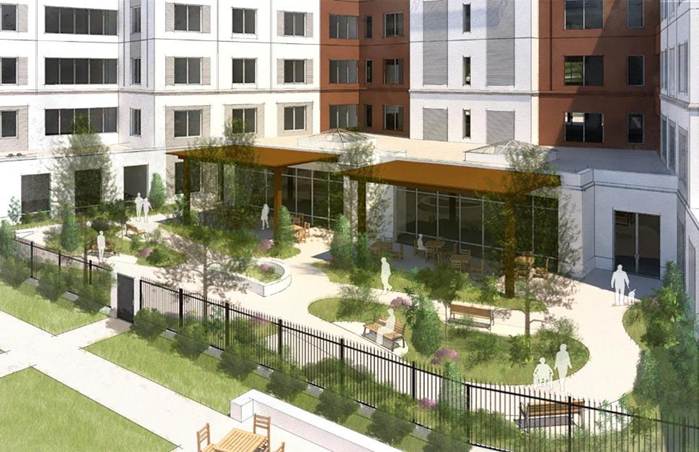
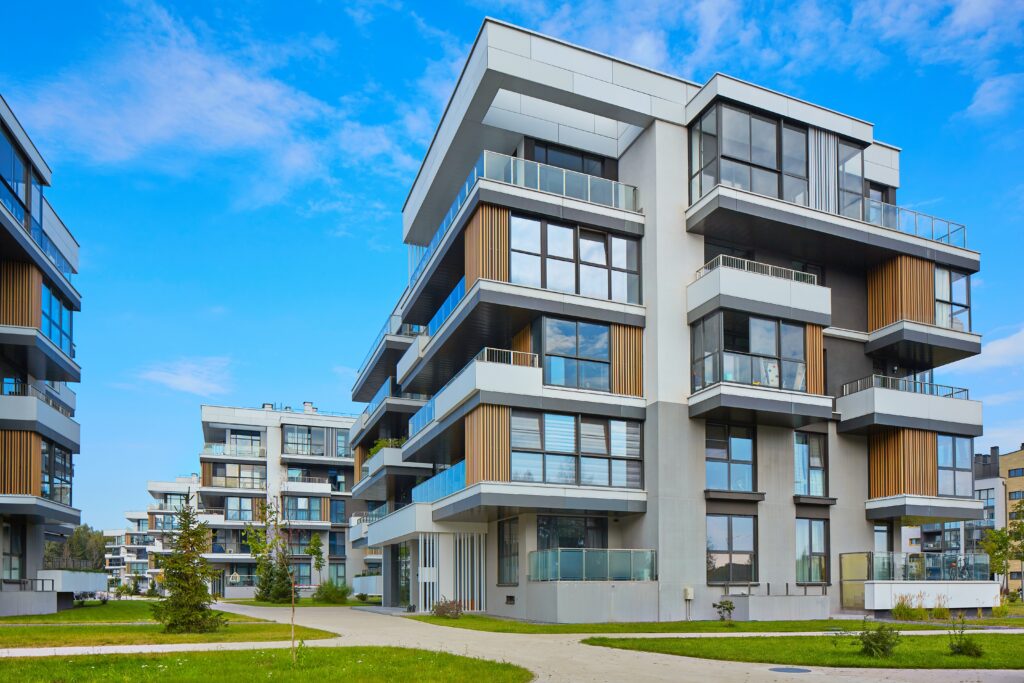
In contrast to the environmental and cultural constraints described above, a 2025 study visit by the co-authors to several exemplary long-term care homes in Malmö, Sweden, demonstrated how thoughtfully designed physical environments can remain culturally neutral while supporting residents’ identities. In Sweden, the objective is for a long-term care home to be a “home,” and the private rooms in these homes should feel more like small apartments than parts of a healthcare facility. This interpretation of home gently shifts the way long-term care homes operate. Below are examples of supportive design features found in these exemplary homes that provide opportunities for acts of independence, reinforce self-identity, and align closely with older adults’ needs for both refuge and prospect.
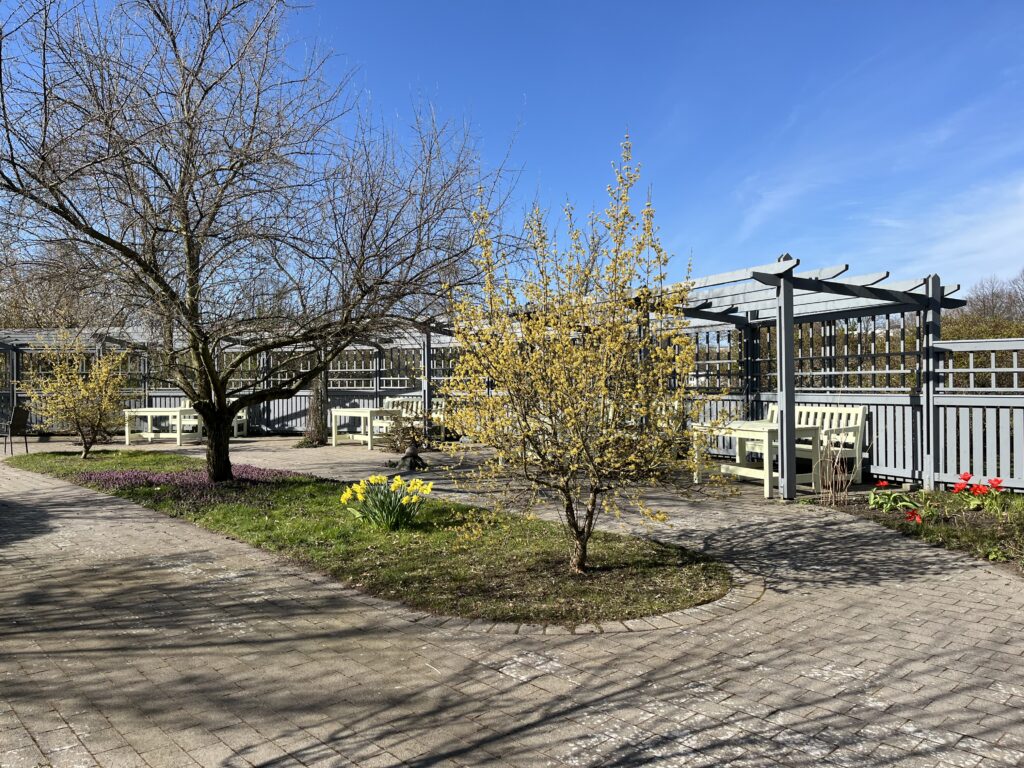
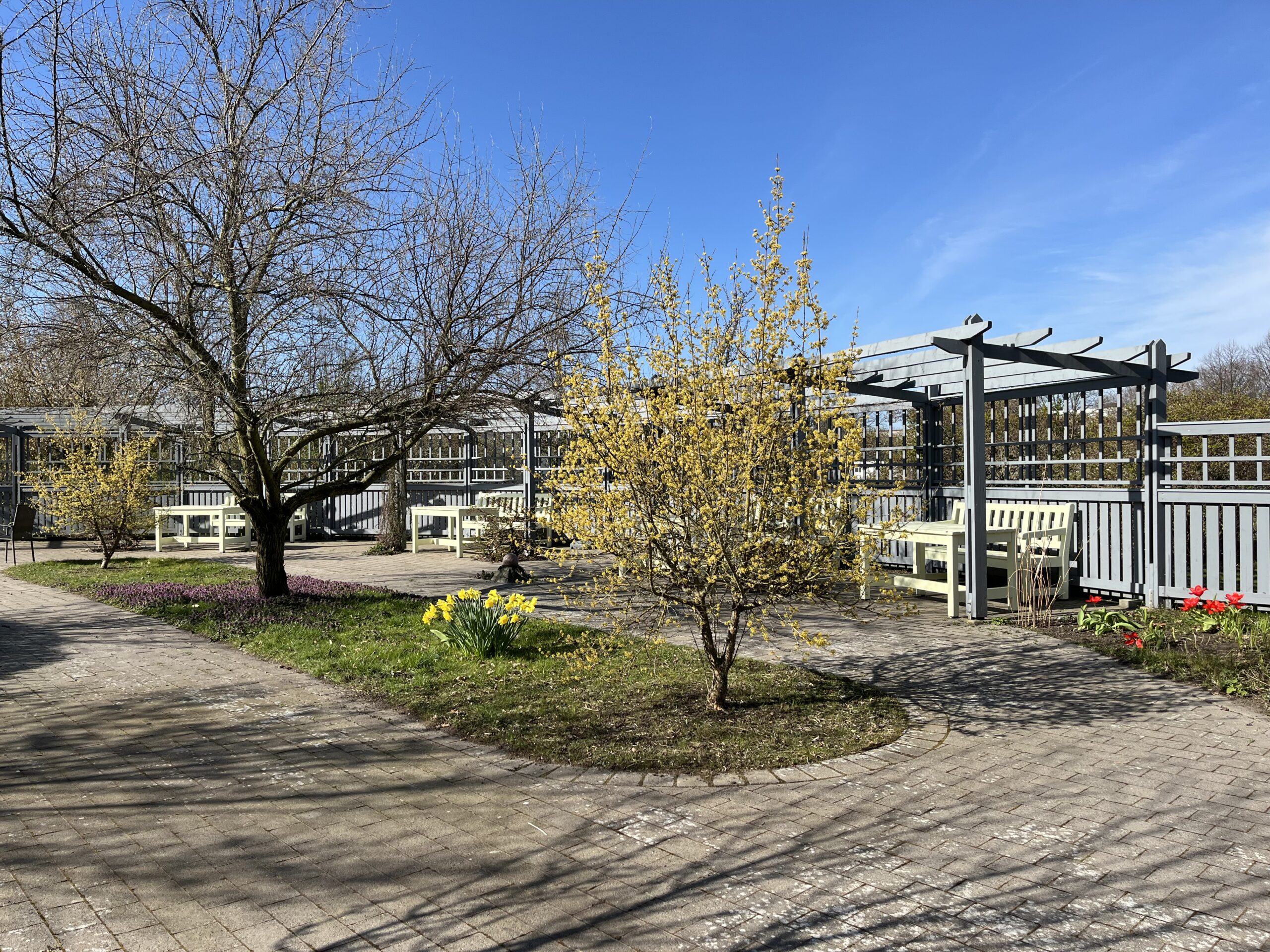
Figure 1. A well-kept garden with trees, flowers and outdoor furniture adjacent to a larger park at the back of a long-term care home.
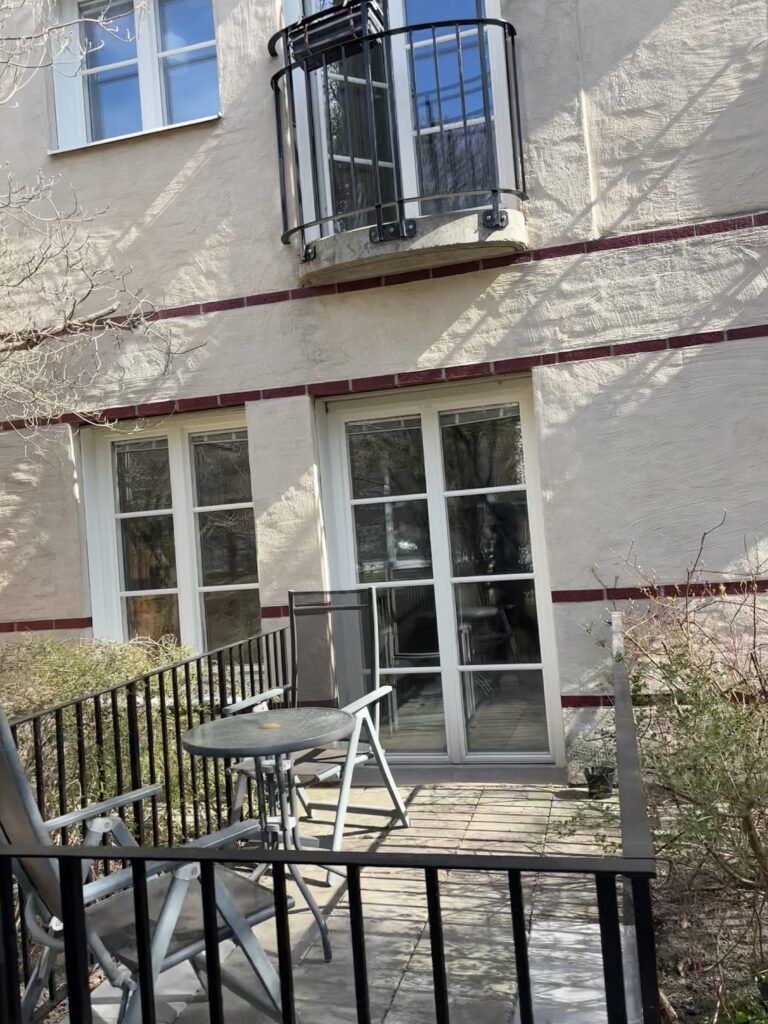
Figure 2. A patio large enough for a small table and two chairs, overlooking a secure outdoor area on the premises.
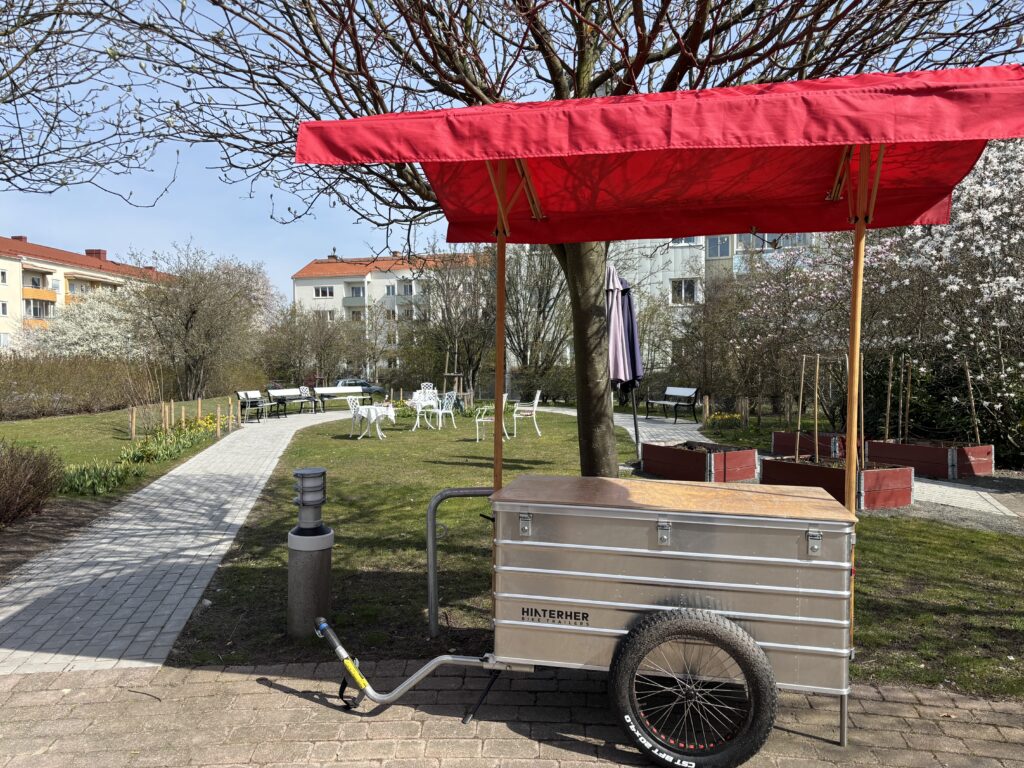
Figure 3. A serving cart in front of a garden with paved walkway, outdoor furniture, and raised garden beds next to a long-term care home.
Outdoor natural environmentsare accessible from common rooms like living and dining rooms, as well as from private bedrooms via patio or balcony doors. The doors to the outdoors are unlocked to provide free access to the natural environment on the premises as needed. Moreover, operable windows also empower residents to open windows for fresh air in both common and private bedrooms. According to the National Board of Health and Welfare , Swedish residents should be able to freely access outdoor spaces, despite this, many long-term care homes have locked doors or code locks to prevent residents from getting lost or getting into trouble. This legal support for freedom of movement stands in stark contrast to the restricted outdoor access typical in many long‑term care homes, where safety needs, locked doors and staffing limitations often prevent residents from engaging with nature except through indoor window views.
Window views are the first of the four-zone model of contact with the outdoors that may promote health and well-being (Bengtsson, 2015), and each zone contributes unique qualities (Nordin et al., 2024). The four zones range from places of refuge (zone 1: nature views from indoors; zone 2: transition spaces, such as patios and balconies, between indoor and outdoor) to spaces of prospect (zone 3: immediate gardens/parks; zone 4: wider neighborhoods). Johansson et al. (2022) exemplified that window views may serve as “magnetic places” and promote one of the qualities in shared spaces in long-term homes that may contribute to belonging and a sense of home for residents. While long-term care homes with gardens demonstrate more frequent use of natural outdoor environments to promote health and wellbeing, they are consistently underused in other long-term care homes in Sweden and other countries (Chi, 2023; Liljegren et al. 2026).
Long-term care environments can be intentionally designed to support older adults’ identity, independence, and well-being, regardless of whether the setting is culturally specific or culturally diverse.
A basic kitchen in the common space is accessible to residents, which is typically accompanied by the smell of fresh coffee and freshly baked bread. The sensory environment plays a meaningful role within the place: The aroma of coffee and baked bread permeating common spaces such as small dining areas evokes a sense of home and bakeries that transcends cultural boundaries, offering a shared, comforting familiarity. Small kitchenettes with a fridge, faucet, and stove are also in the private bedrooms, supporting residents’ independence in activities of daily living.
Residents access their private bedrooms with their own key/fob, offering a sense of security. Each bedroom has an ensuite with a shower, toilet, and faucet, offering a sense of privacy. Among the exemplary homes in Malmö that demonstrated extraordinary cases, some ground-floor units offer direct access to a patio large enough for a small table and two chairs, overlooking a secure outdoor area on the premises. On levels two and above, residents have direct access to balconettes from their bedrooms, enabling residents to open their doors and sit next to the railing for fresh air. Furthermore, residents can bring their own furniture and personal possessions into their bedrooms, offering a sense of identity.
Individual mailboxes were located near the entrance to the long-term care home. Residents could choose between refuge in their private bedrooms and patios/balconettes and prospect in shared spaces, where simple activities such as retrieving mail or walking to the courtyard encouraged engagement with the broader environment. Together, these features can support autonomy, routine, and self-expression—key components of identity in later life—while not inherently tied to culture, it is tied to identity. These elements allow residents to engage in everyday practices that connect them to their past selves, whether by drinking coffee in the common dining room, having a special snack from their personal fridge, receiving personal mail in their mailboxes, or maintaining small rituals of daily life.
Conclusion
Through the lens of the theory of prospect and refuge, these design choices create an environment in which refuge is personalized and meaningful, and opportunities for prospect are safe, accessible, and culturally neutral. Together, these features illustrate how long-term care environments can be intentionally designed to support older adults’ identity, independence, and well-being, regardless of whether the setting is culturally specific or culturally diverse. As family sizes decline and greater geographic separation between family members becomes more common, older adults may have smaller and less accessible social networks. In this context, familiarity within the physical environment assumes an increasingly important role in supporting continuity, preserving culture and identity, and fostering a sense of belonging later in life.
Peggy Chi, PhD, MLA, BArchSci, OALA, CSLA, is a researcher and landscape architect from Landscape for Health in Toronto, Canada. She can be reached at chipeichi@gmail.com.
Oskar Jonsson, PhD, MFA, BSc, is a researcher at the Department of Health Sciences, at Lund University in Sweden, and affiliated to the Centre for Ageing and Supportive Environments.
Acknowledgement: The authors would like to thank Anna Bengtsson, the Swedish University of Agricultural Science, and Lisa Hertzberg, Malmö City, for inviting them and organizing the study visit, the other people in our visitor group, as well as the staff and residents who generously welcomed them at their long-term care homes.
Photo credit: Peggy Chi and Oskar Jonsson
Appleton, J. (1984). Prospects and refuges re-visited. Landscape Journal, 3(2), 91–103. http://www.jstor.org/stable/43322970
Artmann, M., Chen, X., Iojă, C., Hof, A., Onose, D., Poniży, L., Zavodnik Lamovšek, A., & Breuste, J. (2017). The role of urban green spaces in care facilities for elderly people across European cities. Urban Forestry & Urban Greening, 27, 203–213.
Bengtsson, A. (2015). From experiences of the outdoors to the design of healthcare environments: A phenomenological case study at nursing homes [Doctoral dissertation]. Swedish University of Agricultural Sciences.
Chaudhury, H., Cooke, H. A., Cowie, H., & Razaghi, L. (2018). The influence of the physical environment on residents with dementia in long-term care settings: A review of the empirical literature. The Gerontologist, 58(5), e325–e337. https://doi.org/10.1093/geront/gnw259
Chi, P., Gutberg, J., & Berta, W. (2020). The conceptualization of the natural environment in healthcare facilities: A scoping review. HERD: Health Environments Research & Design Journal, 13(1), 30-47. https://doi.org/10.1177/1937586719845118
Chi, P. (2023). Examining the relations between the natural environment and outcomes related to the mental health and well-being of residents and care staff in long-term care homes [Doctoral dissertation]. T-Space Thesis Directory, University of Toronto.
Johansson, K., Borell, L., & Rosenberg, L. (2022). Qualities of the environment that support a sense of home and belonging in nursing homes for older people. Ageing and Society,42(1), 157–178. https://doi.org/10.1017/S0144686X20000896
Jonsson, O., Östlund, B., Warell, A., & Dalholm Hornyánszky, E. (2014). Furniture in Swedish nursing homes: a design perspective on perceived meanings within the physical environment. Journal of Interior Design, 39(2), 17–35. https://doi.org/10.1111/joid.12028
Kaplan, S. (1995). The restorative benefits of nature: Toward an integrative framework. Journal of Environmental Psychology, 15(3), 169–182. https://doi.org/10.1016/0272-4944(95)90001-2
Liljegren, M., Bengtsson, A., Lindahl, G., & Wijk, H. (2026). Developing a matrix and manual for mapping access to outdoor environments for older adults and care workers at residential care facilities. Wellbeing, Space and Society, 100350. https://doi.org/10.1016/j.wss.2026.100350
Nordin, S., Liljegren, M., Nilsson, M., Bengtsson, A., & Wijk, H. (2024). Outdoor stays—A basic human need except for older adults in residential care facilities? Researcher-practitioner interaction crosses zones and shows the way out. Frontiers in Dementia, 3, 1470691. https://doi.org/10.3389/frdem.2024.1470691
Verbeek, H., Pedersen, I., de Boer, B., & de Bruin, S. (2024). Green care farms and other innovative settings. In H. Verbeek, I. Pedersen, B. de Boer, & S. de Bruin (Eds.), Creating empowering environments for people with dementia (1st ed.). Routledge.
Verderber, S., Koyabashi, U., Cruz, C. D., Sadat, A., & Anderson, D. C. (2023). Residential environments for older persons: a comprehensive literature review (2005–2022). HERD: Health Environments Research & Design Journal, 16(3), 291–337. https://doi.org/10.1177/19375867231152611