
Abstract
Older adults are the fastest‑growing segment of the U.S. workforce, bringing experience, stability, and mentorship at a time of persistent labor shortages. This article argues that employers must move beyond traditional retention strategies toward purpose‑driven, age‑friendly workplaces that support connection, flexibility, and caregiver needs. Drawing on national research and the practice of AgeGuide Northeastern Illinois, it highlights the advocacy role of Area Agencies on Aging, the importance of social connectedness, and innovative models such as Workplace Caregiver Navigators.
Key Words
Age-friendly employment, older workers, workforce longevity, caregiver support, workplace flexibility, social connectedness, Area Agencies on Aging, Multi-Sector Plans for Aging, age discrimination, purpose-driven work, intergenerational workplaces, caregiver navigation, workforce innovation
Across the United States, older adults represent one of the fastest-growing and most essential segments of the labor force. Workers aged 65 and older are projected to grow by more than 50% between 2022 and 2032, making them the fastest-growing age group in the workforce (U.S. Bureau of Labor Statistics, 2023). This demographic shift is driven not only by longer life expectancy and financial necessity, but also by a growing desire among older adults to remain engaged, connected, and purposeful through work.
At the same time, employers across sectors are facing persistent workforce shortages, rising turnover, and the loss of critical institutional knowledge. Older workers bring experience, reliability, mentorship, and stability—qualities that are increasingly valuable in today’s volatile labor market. Yet many workplaces still approach aging through a narrow, traditional lens focused primarily on retaining employees until a fixed retirement age.
Retention matters, but it is only the beginning. What is needed is a broader, systemic vision that supports aging with purpose, one in which work fosters connection, contribution, financial security, and holistic well-being across the lifespan. Achieving this vision requires a coordinated ecosystem that includes employers, workforce boards, community organizations, and public agencies. It also requires a strong commitment to equity, as older adults, particularly women and minoritized populations, often face greater employment barriers, caregiving burdens, and unequal access to economic opportunity. Age-friendly workplaces must actively recognize and respond to these realities. This article explores how organizations can move beyond passive retention toward purposeful engagement, drawing on national research, community practice, and the experiences of AgeGuide Area Agency on Aging for Northeastern Illinois.
The Advocacy Role of Area Agencies on Aging
Area Agencies on Aging (AAAs) are uniquely positioned to advance age-friendly employment as part of a broader ecosystem that supports older adults’ ability to work, contribute, and age with purpose.
Supporting caregivers is not only compassionate, it is highly strategic.
While AAAs are widely recognized for core services such as nutrition, caregiver support, transportation, and elder rights protection, their statutory mandate includes an advocacy role that has become increasingly vital as the workforce ages.
The Older Americans Act (OAA) of 1965 established a national commitment to helping older adults maintain independence, dignity, and full participation in community life. Title I of the Act specifically affirms that older adults are entitled to equal opportunities for employment without age discrimination, as well as adequate income and meaningful participation in society. The Act also emphasizes maximizing independence, promoting economic and personal well-being, and ensuring access to supportive community services. These foundational principles align closely with today’s growing conversation around age-friendly employment and aging with purpose (Older Americans Act, 1965).
AAAs serve as trusted connectors between older workers, employers, workforce boards, and community partners. They help employers understand the unique strengths and needs of older workers, promote age-inclusive policies, and connect organizations to community resources that support both older adults and working family caregivers. Just as importantly, they elevate the economic and cultural value older workers bring to the workplace, helping counter outdated assumptions about aging and work.
At AgeGuide Northeastern Illinois, this advocacy role has evolved into a strategic regional initiative. The agency has integrated age-friendly workplace principles into its regional agenda by:
- Training funded partners on age-inclusive operational standards;
- Presenting at national convenings and producing The Age Guide podcast;
- Participating in American Society on Aging (ASA) workgroups; and
- Collaborating with regional employers to strengthen age-inclusive recruitment and retention practices.
Through a strategic partnership with HR Source, an employers’ association serving more than 1,200 organizations, AgeGuide has expanded employer awareness by offering practical toolkits, policy templates, and direct guidance for organizations seeking to become more age inclusive. Through this work, AgeGuide has positioned employment as a core component of healthy aging, recognizing that purpose, connection, and financial stability are central to overall well-being. By bridging community services with employer needs, AAAs help build employment systems that support aging with purpose, particularly for older workers who face structural barriers related to age, caregiving responsibilities, or health disparities.
Yet, the potential of AAAs in this space remains underleveraged nationally. With additional targeted public and private investment, AAAs could scale employer outreach, expand formal workplace training, deepen partnerships with local workforce innovation systems, and strengthen advocacy for age-inclusive policies. As the labor force continues to age, supporting AAAs in this work is not only timely; it is essential.
Social Connectedness as a Workplace Priority
Social isolation is a significant public health concern, particularly for older adults. The U.S. Surgeon General has reported that lacking social connection is as damaging to health as smoking 15 cigarettes a day, increasing the risk of premature death by more than 25% (U.S. Department of Health and Human Services, 2023). For many older adults, work serves as a primary source of daily interaction, cognitive stimulation, personal identity, and a sense of belonging.
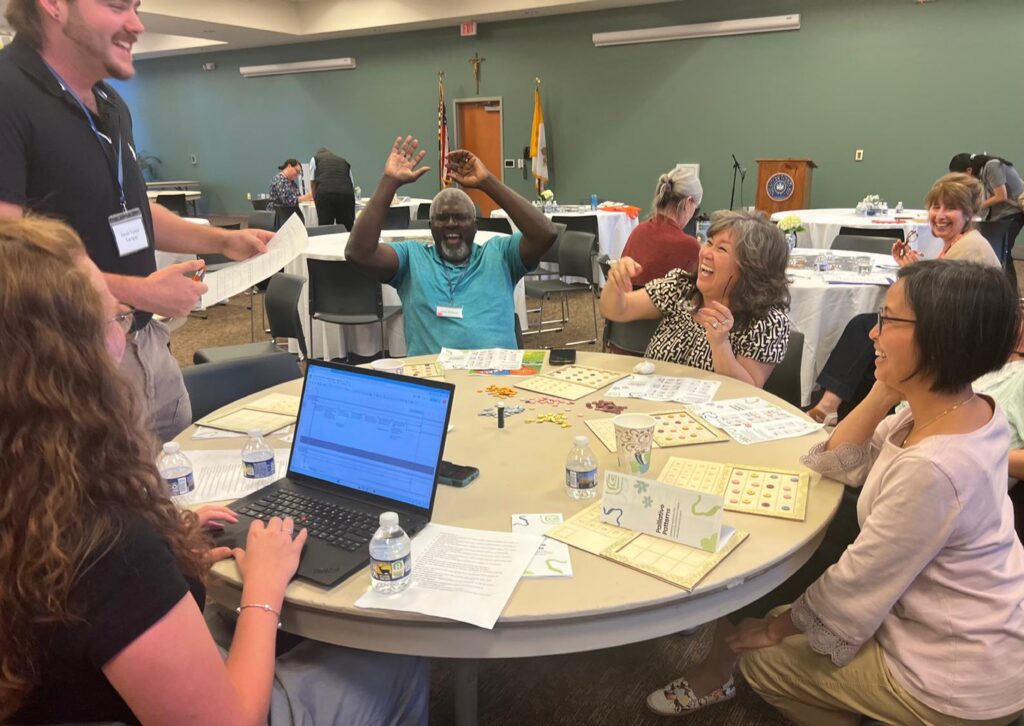
Age-friendly workplaces can intentionally strengthen social connectedness through thoughtful organizational practices. Cross-generational teams allow employees to learn from one another, blending deep institutional experience with fresh perspectives. Mentorship programs create opportunities for older workers to share knowledge while building meaningful relationships with younger colleagues, fostering mutual respect. Informal communities of practice, employee-led groups, and collaborative projects also help build these vital social bonds.
These strategies support equity as well. Older adults are statistically more likely to experience social isolation due to unequal access to community resources, caregiving demands, and workplace cultures that do not fully support their needs. Inclusive workplace practices help ensure that all employees feel valued and connected. At AgeGuide, employer training on age-friendly practices has demonstrated how workplace culture shifts when organizations prioritize inclusion and connection. Employers that intentionally support social connectedness consistently report higher employee engagement, stronger morale, and a renewed sense of purpose among older workers.
Supporting Working Caregivers Through Workplace Resources
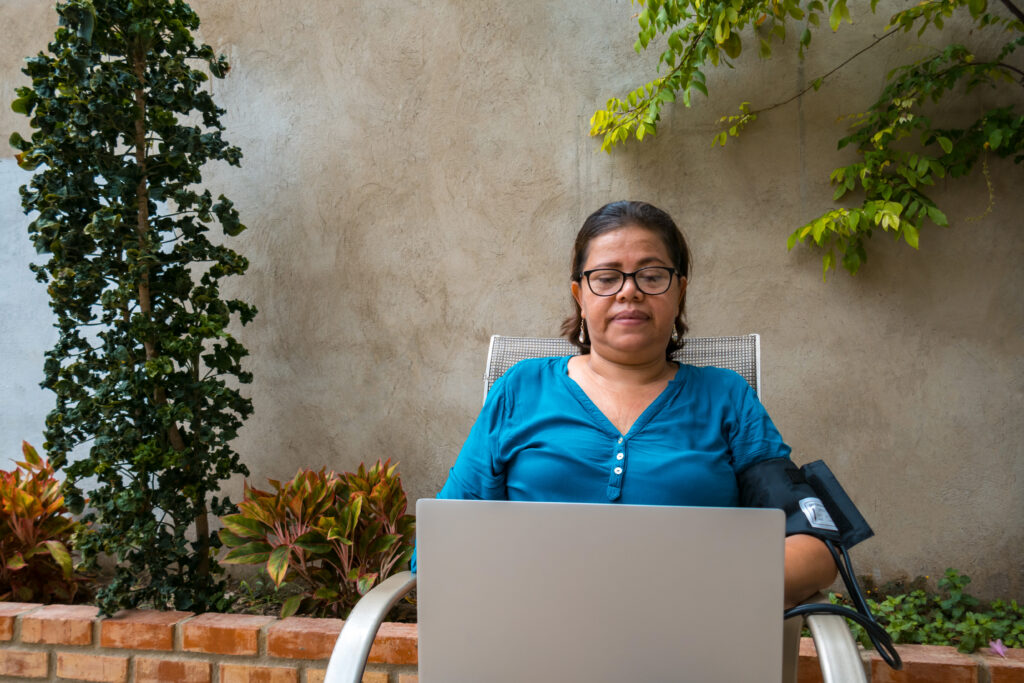
Nearly one in five workers in the United States is a family caregiver, and caregiving responsibilities disproportionately affect women and people of color (AARP & National Alliance for Caregiving, 2025). Without adequate support, many working caregivers reduce their hours or leave the workforce entirely, costing employers billions in lost productivity and talent drain. Employers can play a critical role in helping caregivers remain engaged and productive.
Employee Assistance Programs (EAPs) are among the most underutilized workplace supports available. EAPs can provide confidential counseling, stress-management resources, and direct referrals to community-based services, including the Older Americans Act Title III-E Family Caregiver Support Program. These referrals help employees navigate complex long-term care systems, understand available public benefits, and access respite care and financial assistance. Yet many employers and employees remain completely unaware of these services.
Caregiver-focused Employee Resource Groups (ERGs) provide another layer of support by creating space for peer connection, shared problem-solving, and advocacy for workplace improvements. These groups also help normalize caregiving as a common life experience rather than a private burden to be hidden.
AgeGuide’s caregiver navigation work has demonstrated how powerful timely, expert guidance can be for employees balancing work and family responsibilities. AgeGuide has implemented policies that allow employees to request remote work or use sick time for caregiving, created flexible scheduling options, and adapted job descriptions to better align with different stages of life. By adopting workplace practices that support caregivers, single parents, and employees navigating retirement transitions, organizations can preserve talent and strengthen workforce longevity.
Employees who receive meaningful support are more likely to remain in the workforce, maintain productivity, and stay committed to their organizations.
The Workplace Caregiver Navigator: A High-ROI, Scalable Partnership Model
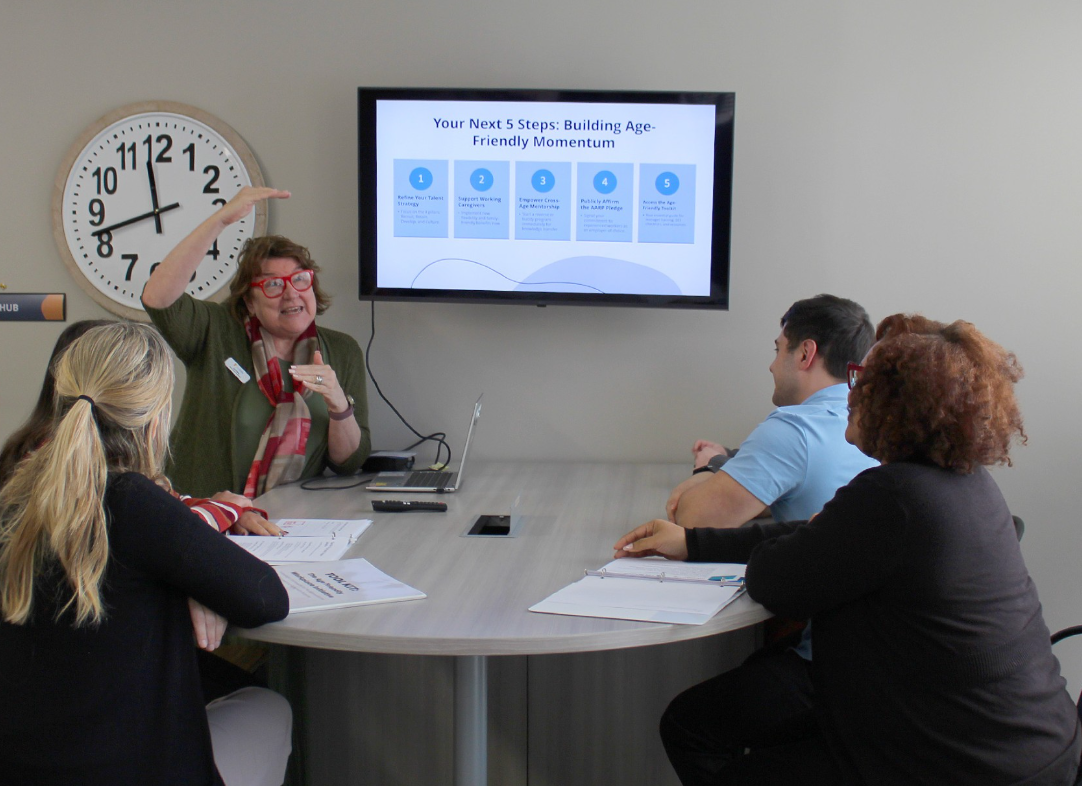
While traditional benefits and EAPs are valuable, they are notoriously underutilized because they lack a trusted, visible presence within the workplace. To bridge this gap, pioneering AAAs are developing Workplace Caregiver Navigator programs. In this model, an expert aging and caregiving specialist visits an employer site on a structured, recurring basis—such as quarterly half-day sessions—to provide one-on-one personalized guidance, navigate complex healthcare systems, and host targeted educational workshops.
Recent practical data from an innovative Employee Caregiver Assistance Program pilot conducted by AgeSmart AAA in 2025 demonstrated the profound, quantifiable value of these localized interventions:
- Preserving Vital Talent and Reducing Turnover: Replacement costs range from 50% to 200% of an employee’s annual salary (Gallup, 2023). Twenty percent of surveyed participants reported that they no longer expected to need a leave of absence due to the support received through the navigator program, and 30% indicated they were significantly more confident in their ability to continue working while caregiving (AgeSmart, 2025).
- Direct Impacts on Health and Focus: One hundred percent of active participants reported that the Navigator helped them better manage their own health (AgeSmart, 2025). Supporting employee health directly mitigates a portion of the estimated $225.8 billion lost annually in the United States to employee illness and absenteeism (CDC Foundation, 2015).
- Buying Back Employee Time: The pilot revealed that the Caregiver Navigator saved 50% of participants an average of one hour of personal time per week by handling complex logistics, making warm referrals, and researching resources (AgeSmart, 2025). As one General Manager noted, “You’re buying that employee time” so they can rest and return to work focused.
- High-Trust, Targeted Engagement: The presence of an on-site specialist breaks down barriers to entry. Employees were able to process guilt, overcome suspicions about program costs, and utilize creative caregiving strategies such as music therapy for dementia or nurse-led transportation.
Older adults remain one of the nation’s most underutilized talent pools.
This pilot program in the East St. Louis area brought Navigators into a local car dealership and a regional university, underscoring its adaptability across diverse workplace cultures. By structuring this as a scalable fee-for-service program, AAAs can generate unrestricted funding while establishing themselves as partners in corporate wellness, retention, and equity.
Multi-Sector Plans for Aging: Elevating Employment
Many states are developing Multi-Sector Plans for Aging (MPAs) to prepare for rapid demographic change. These plans bring together leaders from healthcare, housing, transportation, workforce development, and community-based services to create coordinated, long-term strategies that support aging across the lifespan. Employment is increasingly recognized as a core pillar of these plans, given that work contributes to financial stability, social engagement, and physical and mental well-being.
States such as California, Colorado, and Massachusetts have already incorporated employment strategies that expand job opportunities, promote age-friendly workplace practices, and strengthen partnerships between employers and community organizations within their MPAs. In Illinois, AgeGuide has actively contributed to statewide conversations about employment within the MPA framework. These efforts reflect a broader policy shift: aging policy is no longer limited strictly to healthcare and social services; it now includes meaningful participation in work and community life.
The Illinois MPA should further commit to allocating Workforce Innovation and Opportunity Act (WIOA) funds to raise employer awareness about the aging workforce. It should also explore financial incentives for employers that support older workers through on-the-job training, internship opportunities, and flexible health insurance benefits, including coverage for adult day services or home-based care.
Encouraging Employers to Hire Older Workers
Despite clear evidence of the value older workers bring, some employers remain hesitant to hire them because of misconceptions about productivity, technology skills, or training costs. Yet research consistently shows that older workers demonstrate strong reliability, problem-solving abilities, and higher retention rates.
At AgeGuide, workforce innovation began by redesigning work around people’s stages of life and strengths rather than rigid full-time positions. For example, the organization hired two part-time receptionists: a vibrant 73-year-old who brought warmth, stability, and exceptional customer service skills, and a mother of four whose family responsibilities made full-time work unrealistic, but whose reliability made her an ideal fit. AgeGuide also hired a part-time HR assistant in her 70s who had previously owned two recruitment businesses. She quickly became both a mentor and an innovator, introducing new hiring strategies and technology tools to the organization.
Additional flexible roles allowed caregivers and parents to contribute their talents while balancing family responsibilities. In each case, success came from matching the work to the person rather than forcing individuals into rigid job structures. The results extended far beyond reducing staffing hours from 125 to approximately 100 hours per week. AgeGuide gained experienced workers who brought wisdom, mentorship, and stability, as well as caregivers and parents who brought loyalty, flexibility, and commitment.
Most importantly, the organization embraced a philosophical shift: It stopped hiring for positions and started hiring for purpose.
For AAAs, this approach offers a practical workforce model grounded in job redesign, stage-of-life flexibility, and the understanding that people remain engaged when work reflects the realities of their lives. Flexible work arrangements—including part-time schedules, project-based assignments, remote work opportunities, and phased retirement—can help organizations retain valuable expertise while supporting evolving career paths.
Employer education initiatives and age-friendly workplace programs can also shift perceptions. Through AgeGuide’s work with HR Source, employers have become more proactive and confident once they understand the business case for age-diverse hiring. Older adults remain one of the nation’s most underutilized talent pools. Organizations that embrace age diversity strengthen their teams, improve resilience, and better address critical workforce shortages.
Most importantly, the organization embraced a philosophical shift: It stopped hiring for positions and started hiring for purpose.
Policy Solutions to Support Age-Friendly Employment
Public policy can accelerate progress toward age-friendly employment by removing systemic barriers and encouraging organizations to invest in experienced workers. Potential policy approaches include tax incentives for employers that hire or retain older workers, expanded funding for mid- and late-career training, and stronger enforcement of age discrimination laws. Policies that support flexible or phased retirement arrangements can help workers transition gradually rather than abruptly leaving the workforce. States that offer free or reduced community college tuition for older adults provide another pathway for skill development and career reinvention.
Employers can also strengthen retirement transitions by offering transition coaching during an employee’s final year of work. This coaching helps individuals plan for the transfer of institutional knowledge while exploring meaningful next steps, including volunteerism and community engagement.
Policies that support caregivers, such as paid family leave and flexible scheduling, are equally important. These policies disproportionately benefit workers from diverse racial and ethnic backgrounds, who often shoulder greater caregiving responsibilities. By creating supportive policy frameworks, policymakers can help employers recognize older workers as assets rather than liabilities. At the same time, the role of AAAs in advancing age-friendly employment deserves greater investment and recognition, allowing these agencies to expand initiatives that help communities adapt to an aging labor force.
Conclusion: Building Purpose-Driven Workplaces for Longevity
The aging of the workforce is one of the most significant demographic shifts of the time. The goal should not simply be to keep people employed longer; it must be to help people work with meaning, connection, and purpose throughout their lives.
Achieving this vision requires collaboration across sectors. Employers must adopt inclusive hiring practices and supportive workplace policies. Community organizations, including AAAs, must continue advocating for older workers while connecting them to vital supportive services. Policymakers must advance strategies that promote age-friendly employment and remove structural barriers to opportunity. When these efforts align, workplaces become stronger, more inclusive, and more resilient. They become environments that value experience, encourage intergenerational collaboration, and support individuals across every stage of life. Moving from aging in place to aging with purpose benefits not only older workers, but also employers, communities, and the broader economy.
Marla Fronczak is Chief Executive Officer of AgeGuide Northeastern Illinois Area Agency on Aging in Lombard, Illinois, and can be reached at mfronczak@cbenageguide-org.
Jeri Colucy is Senior Director of AgeGuide Northeastern Illinois Area Agency on Aging in Lombard, Illinois, and can be reached at jcolucy@ageguide.org.
AgeGuide is the Area Agency on Aging for Northeastern Illinois. Over 770,000 older adults reside in the eight-county region served.
Photo credit: AgeGuide Northeastern Illinois