
What my mother’s determination to stay independent taught me about memory, identity and the possibilities of artificial intelligence.

Can AI Help Us Leave Breadcrumbs Back to Ourselves?
read more
What my mother’s determination to stay independent taught me about memory, identity and the possibilities of artificial intelligence.

Advocating for a society in which growing older does not require anyone to surrender their visibility, agency, or claim to joy.

How the Center to Advance Palliative Care (CAPC) is working to reduce disparities for older adults living with serious illness.
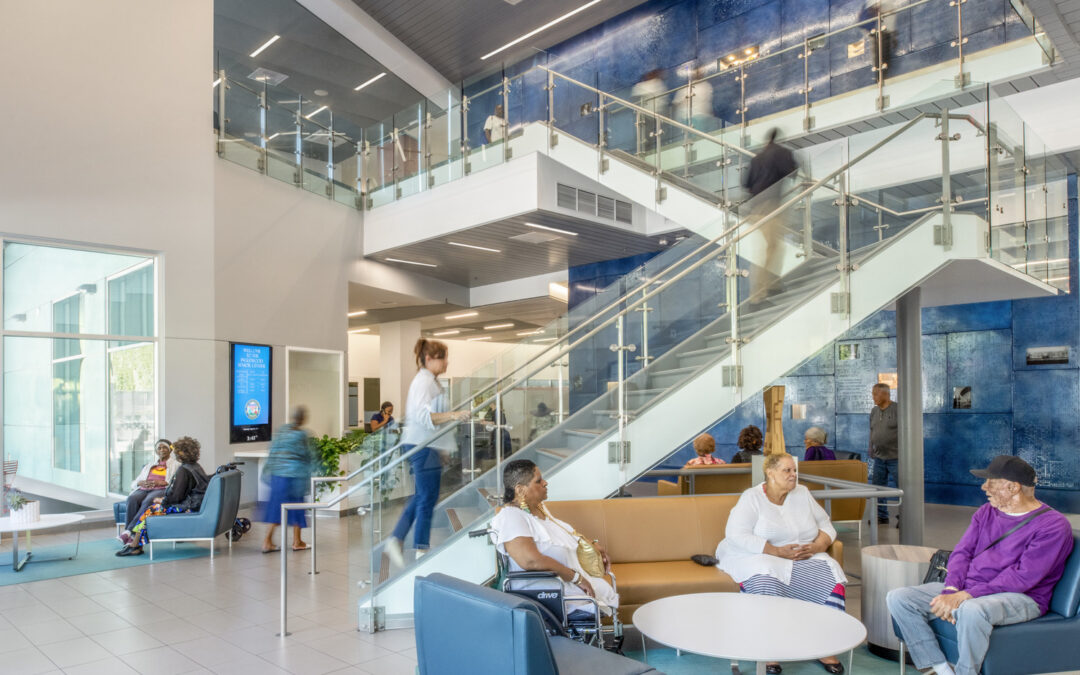
Making the case for how built environments can influence healthy and positive aging.

Building environmental equity and person-directed practices into the future of long-term care.

Rather than seeking to avoid illness, salutogenesis seeks to actively support health.
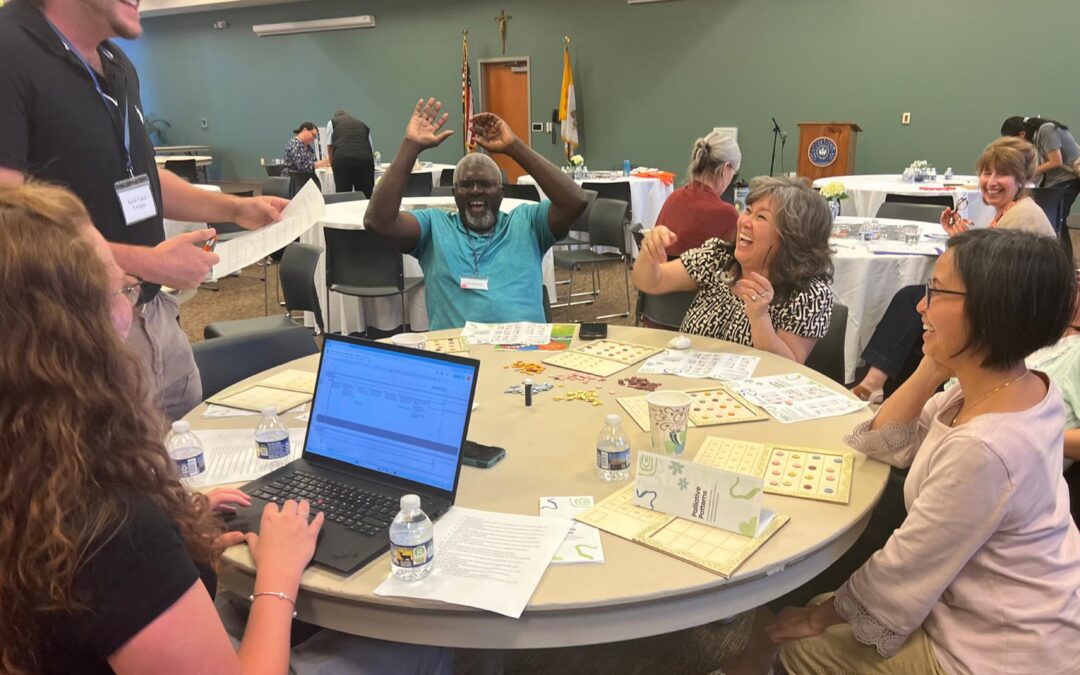
The HEARTH (Healthy Environments for Aging, Resilience, Thriving, and Hope) Village Model offers an interdisciplinary framework for healthy aging.
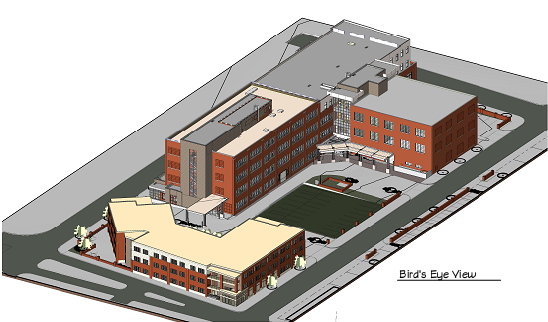
A case study that combines affordable supportive housing with an integrated PACE Program.
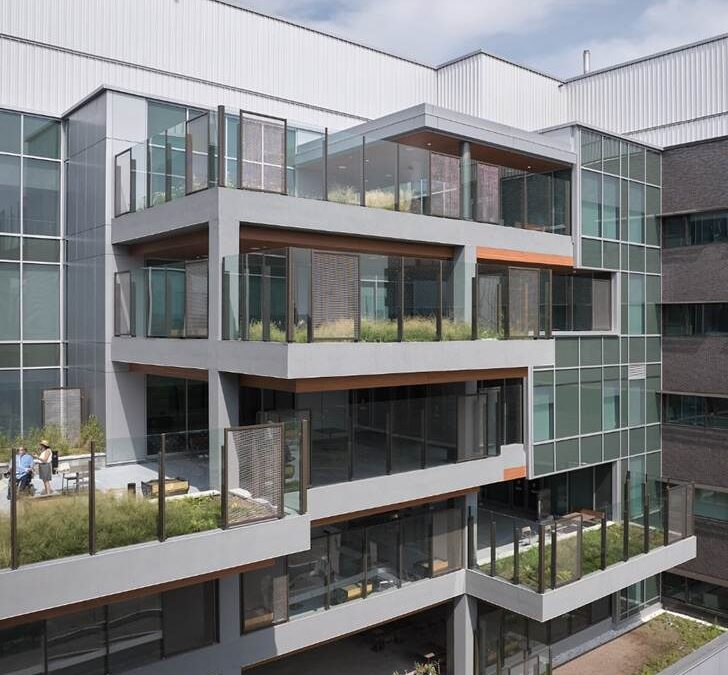
A case study of the University Health Network’s West Park Healthcare Centre in Toronto, Canada.
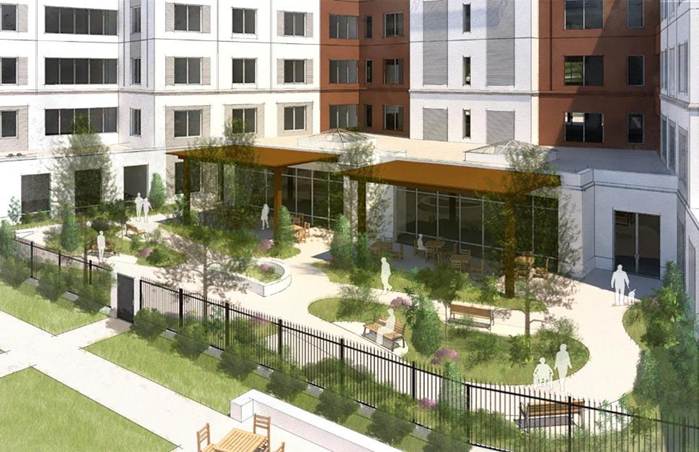
A case study using the seven basic Universal Design principles.

The system needs to be more accessible, affordable, and actionable to succeed.
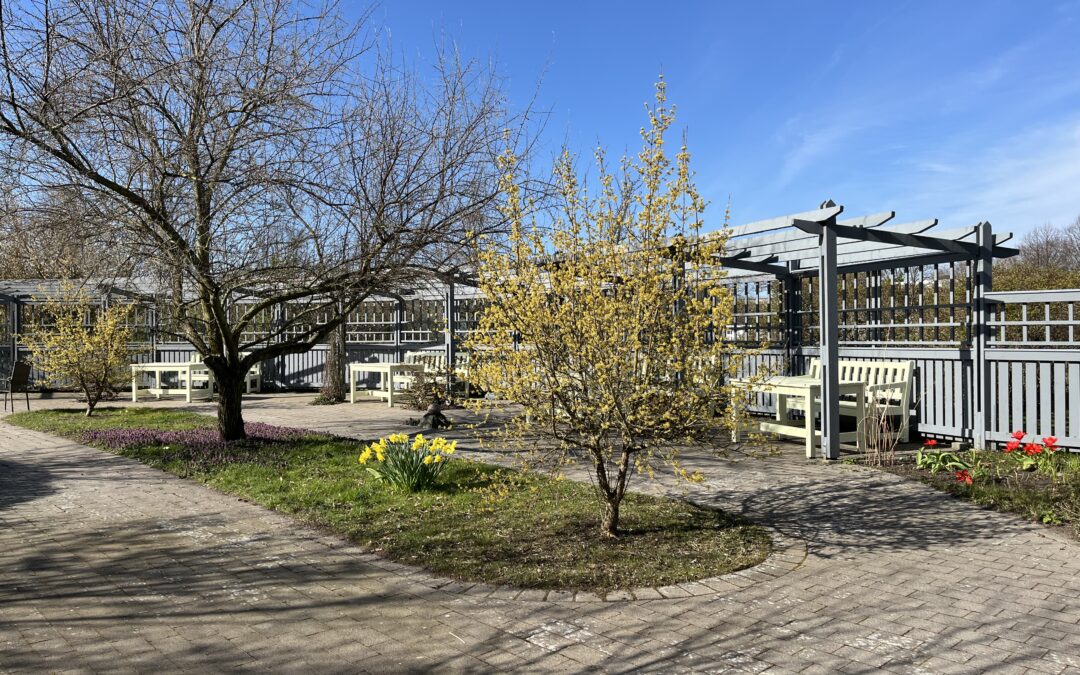
Thoughtfully designed environments may help older adults age well.
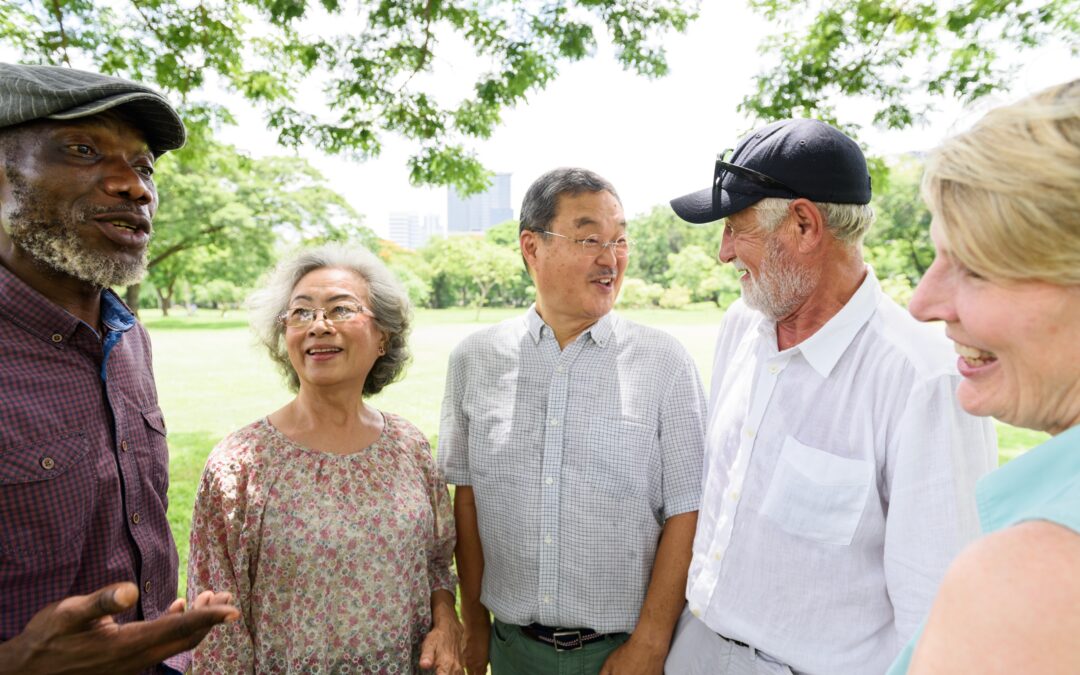
Demographic transformation is reshaping American communities.
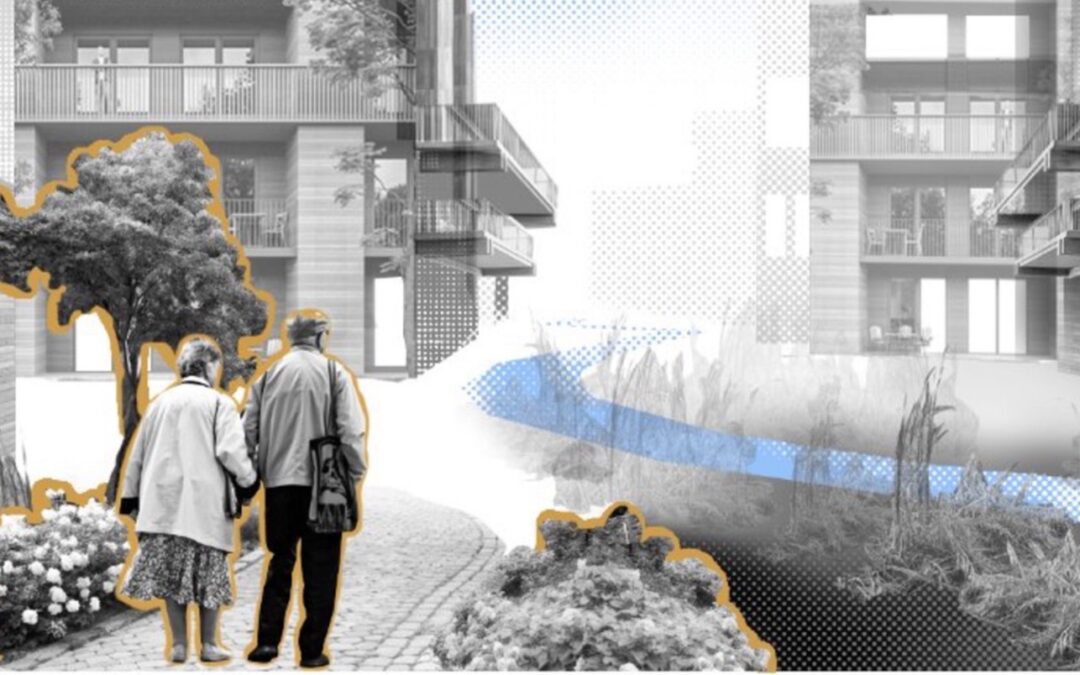
How failing big-box retail sites may be reimagined to support relationships, health, and diverse households.

The future of aging is changing; housing models must change, too.

Exploring the influence of the built environment on the systemic social infrastructure of our cities and communities.
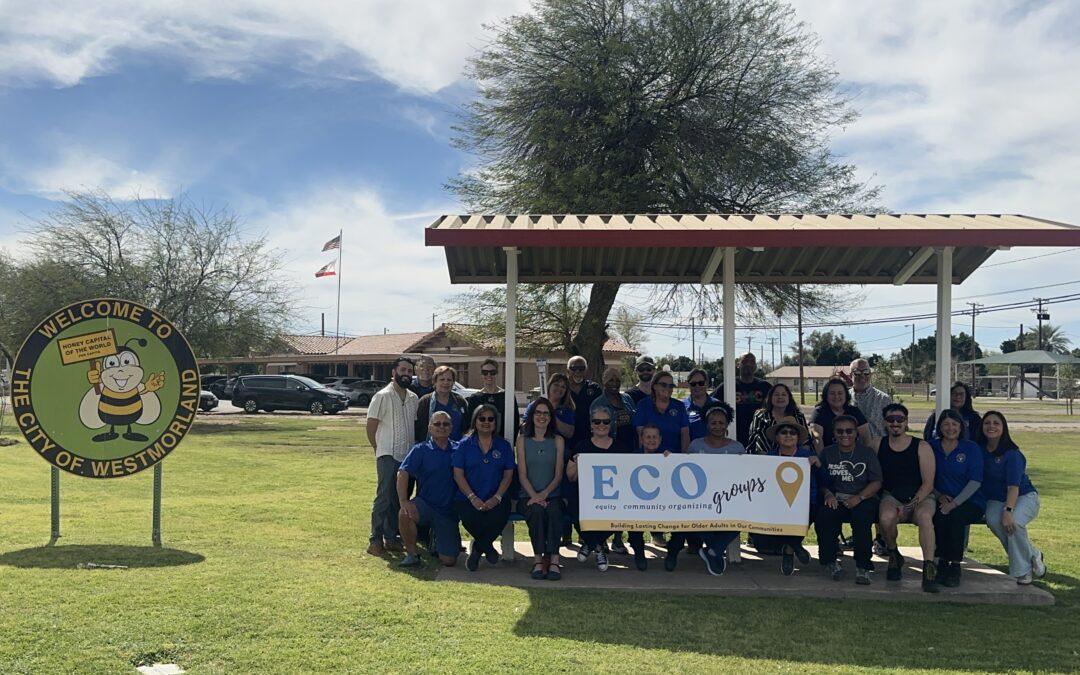
New toolkit assists community-led change and empowers older adults as leaders.
How to avoid using ageist language.

Cross-agency collaboration created strong partnerships.

State’s MPA focuses on 7 key areas.