

Abstract
An aging population is increasing demand for long-term services and supports at a time when many care environments remain rooted in outdated institutional models. While innovative residential and household-based approaches have demonstrated benefits for autonomy, quality of life, workforce outcomes, and health, access to these environments remains strongly tied to financial resources. This article argues that the built environment should be recognized as a critical component of the care system and a modifiable contributor to outcomes. To advance equity for low- and middle-income older adults, policymakers, providers, designers, and financiers must rethink minimum expectations for long-term care environments through strategic modernization, evidence-based design, and investment strategies that rebuild, retrofit, and reimagine the places where people grow old.
Key Words
Built environment, aging, equity, person-directed care, long-term care, nursing home modernization, household model, age-friendly design, environmental assessment, capital investment, healthcare financing
The one universal dimension of life is that every morning we wake up a day older than the day before. Global demographics are clear: People are living longer in nearly every corner of the world (van Teutem, 2024). But while aging is universal, the way people age and where they age are shaped by an array of factors, including economics, social and family dynamics, cultural norms, and, importantly, the environments people have access to when they need a combination of housing and supportive care.
Over the next 2 decades, the United States will experience unprecedented growth in the number of older adults requiring assistance with everyday life. Nearly two thirds of adults over age 65 will require some form of long-term services and support during their lifetime, and approximately one third will spend time in a nursing home (Administration for Community Living, 2020; Johnson et al., 2021). For many residents, nursing homes are not simply places of temporary rehabilitation; they become the last home these residents will ever know. Approximately 15% of residents remain in nursing homes for more than 2 years (Benz, 2023), and nearly 90% ultimately die there (Li et al., 2018). People living with Alzheimer’s disease and related dementias comprise a substantial proportion of this population; approximately 31% of Medicare beneficiaries aged 65 and older with dementia reside in nursing homes (Alzheimer’s Association, 2016).
The Environmental Divide in Long-Term Care
Who has access to a planned care setting and when is deeply determined by economics. In 2025, the average annual cost of nursing home care exceeded $115,000 for a shared room and approached $130,000 for a private room, while assisted living costs approached $75,000 annually (Care Scout, 2026). By comparison, median household income among Americans aged 65 and older was approximately $47,000 (Benz, 2023). The mismatch between resources and needs forces many individuals and families to make difficult decisions with limited options.
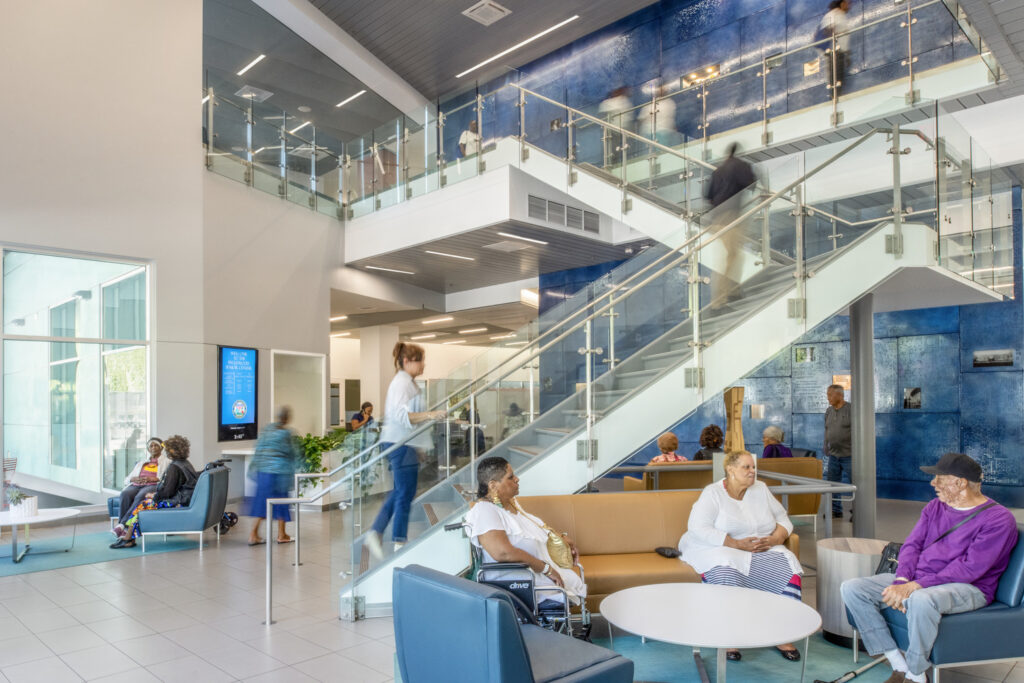
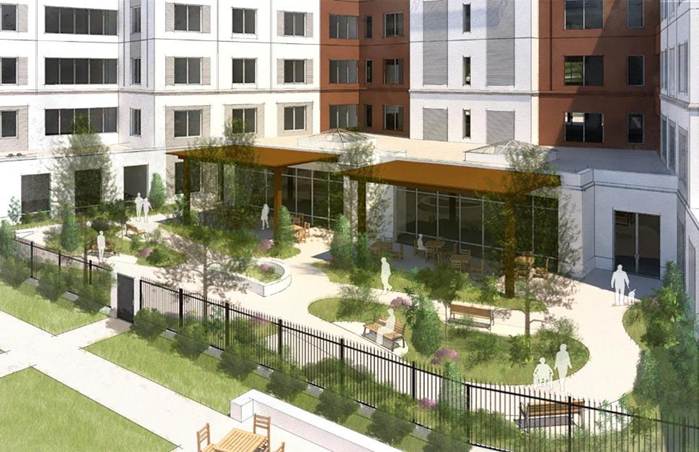
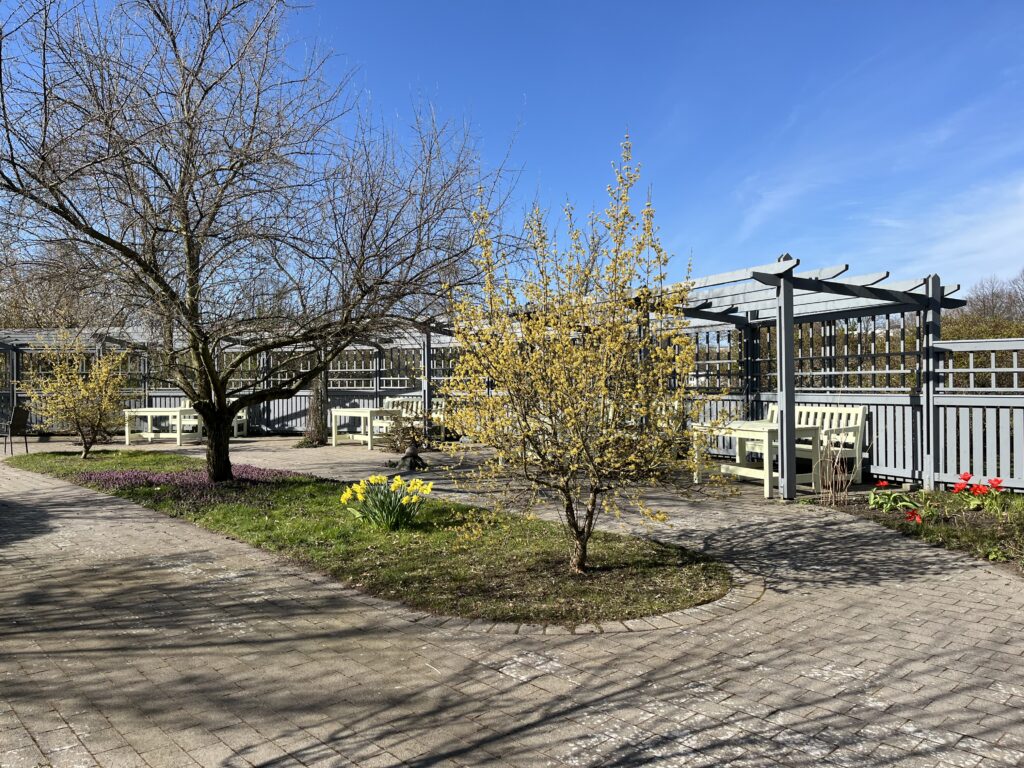
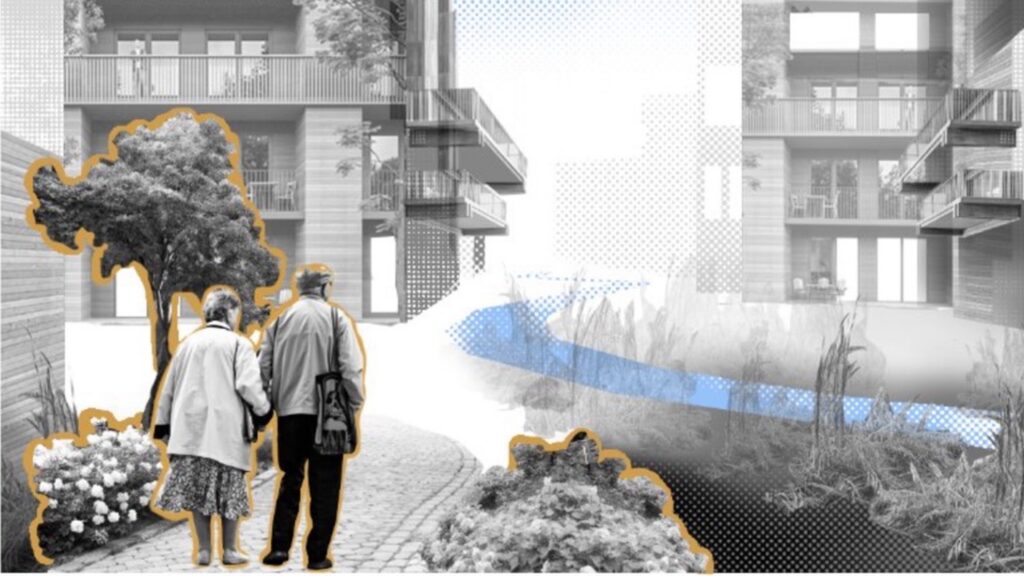
Those with ample financial resources generally have choices. Continuing Care Retirement Communities (CCRCs), Life Plan communities, memory care campuses, and innovative age-in-place real-estate developments increasingly combine housing, services, and intentionally designed environments to support autonomy and quality of life (Reisenwitz, 2017). Many of these communities have embraced smaller residential scales, integrated dementia-supportive design, access to nature, and environments intentionally designed around daily patterns of life rather than institutional routines (Kane et al., 2007; Verbeek et al., 2014; Zeisel et al., 2003). While these campuses may accept a portion of Medicaid recipients, they are more likely to serve a higher percentage of older adults who can afford to pay for accommodations with their own resources (out-of-pocket and/or long-term care insurance).
The problem is not a lack of innovation; it is a lack of mechanisms to scale innovation. It is time to start looking for new approaches.
At the opposite end of the spectrum are older adults with limited lifetime earnings, who often experience greater health burdens, greater care needs, and fewer available choices (Johnson et al., 2021; Williams et al., 2010). These individuals are more likely to rely on Medicaid and more likely to spend down assets to qualify for care. Nearly two thirds of nursing home residents now depend on Medicaid as their primary payer (Benz, 2023; Goldman, 2025).
Interesting, both the wealthiest and the poorest Americans are among those most likely to use nursing homes (Owens, 2026). The difference is that one group often has access to environments designed around choice, autonomy, and quality of life, while the other is frequently placed in environments defined by decades-old assumptions about efficiency and dependency.
Many nursing homes serving large Medicaid populations continue to operate in buildings designed around a hospital-based philosophy of care that emerged during the mid-20th century (Institute of Medicine, 1986). Double-loaded corridors lined with shared rooms, centralized nursing stations, limited privacy, and rigid routines were intended to maximize operational efficiency rather than support everyday life. During the COVID-19 pandemic, these design assumptions revealed serious vulnerabilities and safety risks. High-density living arrangements and institutional layouts demonstrated consequences not only for infection control but also for social isolation, reduced autonomy, and lower quality of life (Najmabadi et al., 2021).
The question is no longer whether these institutional environments should evolve. The question is whether we are willing to continue to accept a system in which the minimum expectations for the quality of place remain tied to outdated models of care.
Innovation should drive change, but right now, it’s only “Driving Miss Daisy”
Around the world, researchers, providers, designers, and operators have been effectively experimenting with better ways to support older adults who need care for over 25 years. Small-house nursing care models such as Green House™ communities challenged long-standing assumptions by replacing institutional layouts with household environments organized around daily life (Kane, 2003; Kane et al., 2007; Rabig et al., 2006). More recently, dementia-inclusive communities, care farms, and other emerging residential models have similarly demonstrated that the built environment is not simply a backdrop for care; it is an active component of the therapeutic experience (De Boer et al., 2018; Verbeek et al., 2014).
Research across environmental gerontology, dementia care, and evidence-based design demonstrates that environments influence mobility, independence, social interaction, stress, sensory experience, and even clinical outcomes (Calkins & Cassella, 2007; Chang et al., 2013; Harrison et al., 2017; Kogan et al., 2016; Marquardt et al., 2011, 2014; National Academies of Sciences, Engineering, and Medicine [NASEM], 2022; Verbeek et al., 2014; Wood et al., 2020). The problem is not that innovation is absent. The problem is that these models remain elusive to most adults who need them. Too often, these approaches function as premium products available primarily to those with greater financial resources, while the baseline environments serving millions of older adults remain fundamentally unchanged and unchallenged. The problem is not a lack of innovation; it is a lack of mechanisms to scale innovation. It is time to start looking for new approaches.
What if states reduced regulatory barriers that discourage new residential care models? What if financing tools similar to affordable housing tax credits or revolving capital funds were available to support the modernization of aging long-term care environments? What if public investment rewarded providers who invested in environments that demonstrated improvements in the health, autonomy, and quality of life of residents? The lessons from these innovative models should no longer be viewed as aspirational enhancements. There is much that can be translated and adopted from different models of care if we focus on the evidence-based research that demonstrates where design strategies and desired outcomes intersect.
The Environment Is a Critical Part of the Care System
Long-term services and support are fundamentally intended to help people function despite physical, cognitive, or sensory challenges (Johnson et al., 2021). Historically, however, attention has focused almost entirely on caregivers and care delivery processes. Buildings themselves have often been treated as neutral containers where this care simply happens. The resistance to embracing the power of strategic design practices is evident in our persistence in associating meaningful change in the environment with unnecessary costs that don’t guarantee predictable outcomes, and in repeated concerns about staffing models and loss of operational efficiency.
Research demonstrates that environments designed around household principles, meaningful activity, autonomy, and social engagement can improve outcomes for residents and staff alike (De Boer et al., 2018; Chang et al., 2013; Cutler & Kane, 2009; Kane et al., 2007; Marquardt et al., 2011; Verbeek et al., 2014; de Verderber et al., 2023; Zeisel et al., 2003;). There is ample evidence that the environment should be viewed as a critical component of the total system of care. The design of a building can either reinforce dependency and the burdens of caregiving or actively support resident autonomy and a quality workplace.
We need to acknowledge that our modern care systems have changed, but the minimum design standards for the settings where we deliver care have not. Many nursing homes operate within buildings designed around a biomedical model of care and outdated assumptions about how care should be delivered (Institute of Medicine, 1986; Kauffman, 2025; NASEM, 2022). Shared rooms compromise movement, privacy, and dignity. Physical layouts increase walking distances for staff while reducing opportunities for meaningful social interaction among residents. These types of settings do not align with federal requirements that nursing facilities help residents “attain or maintain the highest practical physical, mental, and psychosocial well-being” (Quality of Care, 2024). We need to expand the application of the evidence regarding how environments and care models can best achieve these goals.
It is also time to account for the numerous ways these outdated buildings are costly. Poor environments contribute to rehospitalizations, staff injuries, burnout, increased use of psychotropic and pain medications, higher infection risk, and diminished quality of life (Anderson et al., 2020; NASEM, 2022; Wood et al., 2020). Appropriately designed settings that support sensory and cognitive loss, increase mobility and function, and empower people to control their own daily rhythms have been shown to be healthier places to live and to do meaningful work (Brown et al., 2016; Chaudhury et al., 2018; Millar et al., 2024; NASEM, 2022; Wood et al., 2020).
Yet the persistent perception that environmental improvements represent unnecessary expenses is only possible because we rarely account for the full costs of poor environments. Fall, avoidable dependence, workforce injuries, staff turnover, social isolation, preventable hospitalization, and inappropriate medication all carry considerable financial and human consequences. These costs are routinely absorbed by residents, families, providers, payers, and communities, but they are seldom attributed to the physical environments that help create the problem.
Recent initiatives such as the Age-Friendly Health Systems movement and CMS’s Age-Friendly Hospital Measure signal a broader shift in how quality is defined and evaluated. Increasingly, healthcare systems are being encouraged to demonstrate how they support what matters to older adults, preserve mobility and function, reduce harm, and improve quality of life. The built environment is not separate from these goals; it is one of the mechanisms through which they are achieved. A resident cannot maintain mobility if hallways discourage movement, preserve independence if bathrooms cannot support safe transfer, or remain socially connected if the environment limits meaningful engagement.
As policymakers and payers seek ways to improve outcomes while controlling costs, environmental quality should become more visible within quality measurement, reporting, and reimbursement systems. Doing so does not necessarily require creating new regulatory burdens. Rather, it requires recognizing that the places where care is delivered are active contributors to outcomes and should be evaluated and supported with appropriate resources.
Opportunity Hidden in Existing Buildings
Nursing facility services represent the second-largest category of Medicaid spending after hospital services, and Medicaid remains the primary payer for nursing facility care nationally (Medicaid and CHIP Payment and Access Commission [MACPAC], 2023). Construction and capital market analyses consistently demonstrate that skilled nursing facilities lag behind hospitals and other healthcare sectors in capital investment growth, particularly for Medicaid-dominant facilities constrained by aging infrastructure and limited financial resources (Dodge Construction Network, 2023; MACPAC, 2023; National Investment Center for Seniors Housing & Care, 2022). The median age of U.S. nursing home buildings is estimated at 40–45 years, with many dating to construction booms of the 1960s–1980s (Kauffman, 2025; National Investment Center for Seniors Housing & Care, 2022).
The enormous inventory of aging nursing homes across the U.S. should not be viewed solely as a problem. It represents one of the greatest opportunities for transformation. Many of these buildings remain structurally sound and are candidates for feasible modernization efforts. Industry analysts increasingly describe skilled nursing as a renovation-driven asset class in which meaningful change is more likely to occur through the adaptation of existing buildings than through wholesale replacement (Dodge Construction Network, 2023; Hladky, 2024; Kauffman, 2025).
Design Cannot Remain Invisible to Reimbursement
This represents a high-impact pathway to narrowing the persistent quality gap between skilled nursing and other healthcare sectors, particularly for facilities serving high proportions of Medicaid beneficiaries. Nursing home finances and ownership structures are varied and complex (Harrington et al., 2024). There will be no single operational strategy for funding capital improvements that fits every business model, but this should not be a barrier to achieving better outcomes by investing in the built environment at multiple levels. Approximately 10% of the annual nursing home operating budget is typically allocated to capital expenses (National Investment Center for Seniors Housing & Care, 2022). Operators are consistently investing in their buildings. With a strategic plan and specific environmental goals, therapeutic and culturally responsive changes can be implemented over multiple budget cycles. Slow progress is better than no progress. By leveraging lessons learned from innovation on other campuses, targeted modernization of existing nursing home buildings is feasible. This is a significant opportunity for strategic, evidence-based renovation of outdated nursing home buildings with clinical outcomes in mind.
The design of a building can either reinforce dependency and the burdens of caregiving or actively support resident autonomy and a quality workplace.
Creating reimbursement incentive structures for capital investments would help providers take the necessary steps towards modernization. Tying strategic environmental improvements to resources, such as reimbursement structures, could also help providers meet the goals for comprehensive, person-centered care that is equitable, supports the health and safety of nursing home residents, manages risks while promoting quality of life, and resident autonomy (Institute of Medicine, 2001a, 2001b; NASEM, 2022). Although the nursing facility industry overall may continue to face quality challenges because of factors outside of Medicaid’s control, Medicaid payment policy could help ensure that Medicaid-covered residents have access to the same quality of care available to other nursing home residents (MACPAC, 2023; Social Security Act, 2024). Incentives for quality of care must be reconceptualized beyond minimum clinical services to include a minimal environmental setting suitable for long-term residence.
If We Design Better, We Deliver Better Care
Strategic investment in modernization must be guided by what we’ve learned. Evidence-based tools help operators, designers, and policymakers understand which environmental changes matter most and which investments have the greatest potential to improve outcomes. Case study and small-scale research increasingly demonstrate that seemingly strategic collections of small environmental details can have significant consequences for daily life. Features that support independence in activities of daily living, such as dressing, eating, and toileting, can reduce residents’ dependence on staff while improving caregiver efficiency (Brush et al., 2003; Figueiro, 2008). The implications become even more significant when considering individuals living with Alzheimer’s disease and related dementias who often experience heightened sensitivity to environmental stressors and are particularly vulnerable to loss of function and independence (Marquardt et al., 2014). Likewise, safety-supportive features such as bilateral grab bars near toilets, appropriate transfer space around fixtures, and layouts that allow staff to use proper body mechanics can reduce risks of injury for both residents and staff (Lee et al., 2018).
These selected examples illustrate a larger point: the environment is not simply where care is delivered and experienced. The environment influences how care is delivered and experienced.
Consider something as seemingly mundane as a bathroom. In many nursing homes constructed before contemporary accessibility standards (e.g., ADA and ADAAG), bathrooms are too small to accommodate a wheelchair, a mobile lift, or two caregivers assisting with a transfer. When space limits safe transfers, residents may become increasingly dependent on staff assistance, caregivers may assume awkward and injury-prone postures, and care decisions may prioritize efficiency over autonomy and dignity (e.g., “this resident needs to be catheterized because toileting is too time-consuming”). A properly configured bathroom does not merely improve convenience. It changes what is possible regarding dignity, independence, safety, and better clinical outcomes.
The evidence also increasingly suggests that household and small-house models are not simply design upgrades: They are alternative care infrastructures that can generate measurable clinical and financial benefits. Studies have found lower hospitalization rates, fewer avoidable admissions, reduced Medicare expenditures, stronger occupancy, and comparable operating costs relative to traditional nursing homes (Kane et al., 2007; Meyer, 2023). Yet despite these findings, adoption has remained limited because the financial benefits often accrue to payers and health systems, while providers bear capital costs (Grabowski et al., 2016; Jenkens et al., 2011). The challenge is therefore less about proving the value of these models than creating financing and reimbursement mechanisms capable of scaling them.
If We Measure Better, We Will Learn More
The challenge is not only generating this evidence on a broad scale but translating evidence into practical actions that providers and designers can implement. Tools that connect environmental characteristics to measurable outcomes to make strategic decisions regarding building modernization are important. New tools such as the Environmental Audit Scoring Evaluation (EASE) represent the next generation of environmental assessment tools designed specifically for this purpose (Kaup et al., 2023). Designed by a team comprised of an architect and researchers, EASE is a 130-item observational instrument that evaluates physical features associated with resident well-being, care processes, and clinical outcomes. It is a practical planning instrument that can help providers and design teams prioritize investments and identify environmental changes likely to yield meaningful, measurable improvements.
For example, an existing facility can be evaluated to determine which environmental characteristics most strongly contribute to barriers in resident function or staff efficiency. Operators and their architects are using the EASE tool to identify practical modifications with the greatest potential impact. Operators in Canada who couldn’t feasibly reconstruct an entire wing or build standalone household units worked with their architect to improve bathroom accessibility, increase visual cues that support orientation, create smaller social spaces, and redesign dining environments to encourage engagement and independence (Calkins et al., 2025). Additionally, an assisted living provider in the U.S. used the EASE tool’s analysis to guide renovation planning for their memory care building (Shoesmith et al., 2025).
The same measures used to evaluate existing conditions can also be used after renovation or redesign to understand how changes impacted quality of life, care processes, or staff experiences. This distinction matters because the built environment can no longer remain invisible in our measurement systems. We routinely measure staffing ratios, medication use, rehospitalizations, and clinical outcomes. Yet the places where people live and receive care are often treated as background conditions rather than “modifiable” contributors to health and well-being. The value of tools like EASE is in creating continuity between planning, assessment, intervention, and outcomes.
Advancing Equity through Design and More Innovation
The future of long-term housing and care does not depend on choosing a single model. It depends on changing our expectations. The question facing policymakers, providers, designers, and financiers is not whether every nursing home should become a small-house model. The question is what minimum environmental conditions should be considered acceptable for people who may spend the remainder of their lives in these settings. The evidence is repeatedly telling us that our current baseline is too low. It is time we reexamined assumptions about costs and the return on the investment in a quality environment.
If we continue to view buildings only as fixed assets rather than as modifiable variables, we will continue to overlook one of the most powerful opportunities to improve long-term care.
The continued treatment of findings as optional enhancements instead of fundamental components of quality of care is increasingly difficult to justify. Perhaps the most expensive choice is not modernization itself, but the decision to maintain environments that perpetuate avoidable dependency, staff injuries, social isolation, unnecessary hospitalization, workforce turnover, and diminished quality of life and well-being.
If we continue to view buildings only as fixed assets rather than as modifiable variables, we will continue to overlook one of the most powerful opportunities to improve long-term care. The next generation of quality improvement efforts should move beyond reactive approaches that respond to poor outcomes, especially for those with limited capacity to choose their place of care. We should invest proactively in environments that create a baseline equity for all.
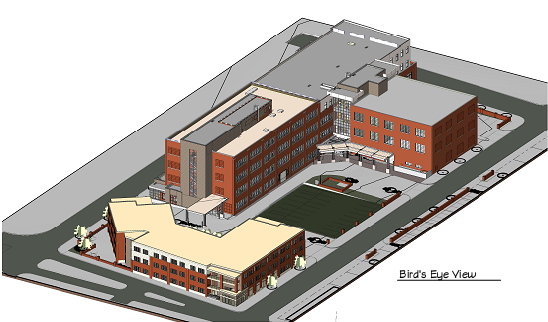
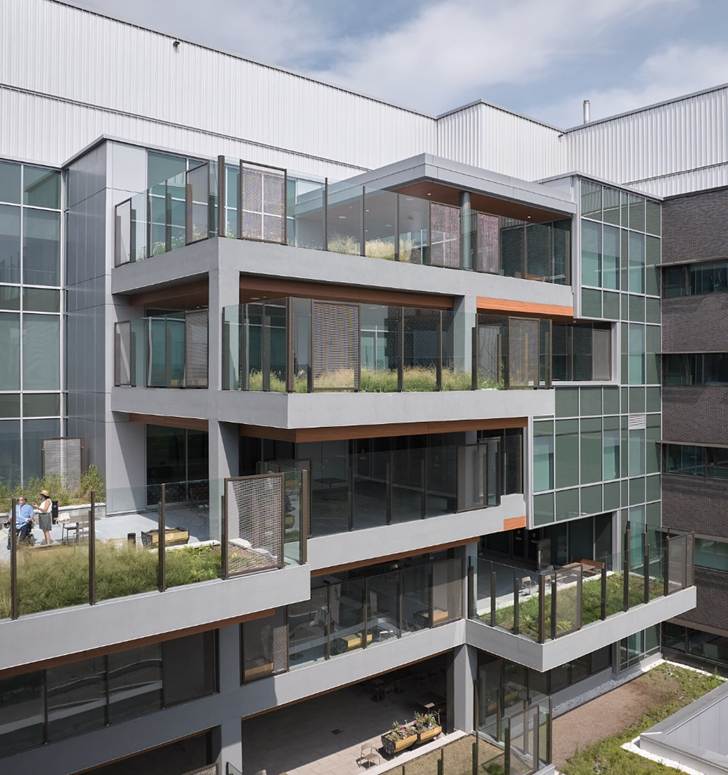
The path forward also requires a broader view of investment. Some “facilities” should be rebuilt as residential models where existing buildings cannot support contemporary care models. Many more can be retrofitted through targeted modernization efforts that improve resident function autonomy, safety, and quality of life. Still others can be re-imagined through new combinations of housing, healthcare, and community services that better reflect the needs of an increasingly diverse aging population.
These are not competing strategies. They are complementary approaches for establishing a more equitable system of long-term services and support. Given demographic trends and the increasing prevalence of cognitive impairment among older adults, improving our approach to environments is becoming increasingly urgent (Kosar et al., 2024). The most important lesson from our existing innovative models is not just that better environments are possible. It is that we know enough to expect more.
Migette Kaup, PhD, is a Professor in the College of Architecture Planning and Design and Director of Research for the Center on Aging at Kansas State University. Her work bridges research, design practice, and policy to advance supportive environments and quality of life for older adults. She can be reached at kaup@ksu.edu.
Photo credit: Shutterstock/Harbucks
References
Administration for Community Living. (2020). How much care will you need? U.S. Department of Health & Human Services. https://acl.gov/ltc/basic-needs/how-much-care-will-you-need.
Anderson, D. C., Grey, T., Kennelly, S., & O’Neill, D. (2020). Nursing home design and COVID-19: Balancing infection control, quality of life, and resilience. Journal of the American Medical Directors Association, 21(11), 1519–1524. https://doi.org/10.1016/j.jamda.2020.09.005
Alzheimer’s Association. (2016). 2016 Alzheimer’s disease facts and figures. Alzheimer’s & Dementia, 12, 459–509.
Benz, C. (2023). 100 Must-know statistics about long-term care: 2023 Edition. Morningstar. https://www.morningstar.com/personal-finance/100-must-know-statistics-about-long-term-care-2023-edition
Brown, P. B., Hudak, S. L., Horn, S. D., Cohen, L. W., Reed, D. A., Zimmerman, S., & the THRIVE Research Collaborative. (2016). Workforce characteristics, perceptions, stress, and satisfaction among staff in Green House and other nursing homes. Health Services Research, 51(S1), 418–432. https://doi.org/10.1111/1475-6773.12431
Brush, J. A., Threats, T. T., & Calkins, M. P. (2003). Influences on perceived function of a nursing home resident. Journal of Communication Disorders, 36(5), 379–393. https://doi.org/10.1016/S0021-9924(03)00049-2
Calkins, M., & Cassella, C. (2007). Exploring the cost and value of private versus shared bedrooms in nursing homes. The Gerontologist, 47(2), 169–183.
Calkins, M., Kaup, M. L., Wrublowsky, R., & Davey, A. (2025, April). Measuring what matters for person-centered care design: Insights from 225 environmental assessments across the US and Canada. Environments for Aging.
Care Scout. (2026). Calculate the cost of long-term care near you. CareScout Holdings, Inc. https://www.carescout.com/cost-of-care
Chang, Y.-P., Li, J., & Porock, D. (2013). The effect on nursing home resident outcomes of creating a household within a traditional structure. Journal of the American Medical Directors Association, 14(4), 293–299. https://doi.org/10.1016/j.jamda.2013.01.013
Chaudhury, H., Cooke, H. A., Cowie, H., & Razaghi, L. (2018). The influence of the physical environment on residents with dementia in long-term care settings: A review of the empirical literature. The Gerontologist, 58(5), e325–e337. https://doi.org/10.1093/geront/gnw259
Cutler, L.J., & Kane, R.A. (2009). Post-occupancy evaluation of a transformed nursing home: The first four Green House ® settings. Journal of Housing for the Elderly, 23(4), 304-334. https://doi.org/10.1080/02763890903327010
De Boer, B., Beerens, H. C., Katterbach, M. A., Viduka, M., Willemse, B. M., & Verbeek, H. (2018). The physical environment of nursing homes for people with dementia: Traditional nursing homes, small-scale living facilities, and green care farms. Healthcare, 6(4), 137. https://doi.org/10.3390/healthcare6040137
Dodge Construction Network. (2023). Healthcare construction outlook [Report]. https://www.construction.com/resource/mid-year-2023-construction-outlook.com
Figueiro, M. (2008). A proposed 24 h lighting scheme for older adults. Lighting Research & Technology, 40(2), 153–160. https://doi.org/10.1177/1477153507087299
Goldman, M. (2025). Exclusive: Where nursing homes rely on Medicaid. Axios. https://www.axios.com/2025/04/29/state-nursing-homes-medicaid-data
Grabowski, D. C., Afendulis, C. C., Caudry, D. J., O’Malley, A. J., Kemper, P., & the THRIVE Research Collaborative. (2016). The impact of Green House adoption on Medicare spending and utilization. Health Services Research, 51(S1), 433–453. https://doi.org/10.1111/1475-6773.12438
Harrington, C., Mollot, R., Braun, R. T., & Williams, D. (2024). United States’ nursing home finances: Spending, profitability, and capital structure. International Journal of Social Determinants of Health and Health Services, 54(2), 131–142. https://doi.org/10.1177/27551938231221509
Harrison, S. L., Dyer, S. M., Laver, K. E., Milte, R. K., Fleming, R., & Crotty, M. (2017). Physical environmental designs in residential care to improve quality of life of older people. Cochrane Database of Systematic Reviews. https://doi.org/10.1002/14651858.CD012892
Hladky, S. (2024, August 29). Skilled nursing in transition: Trends impacting operational efficiency and care. National Investment Center. https://www.nic.org/blog/skilled-nursing-in-transition-trends-impacting-operational-efficiency-and-care/.
Institute of Medicine. (2001a). Crossing the quality chasm: A new health system for the 21st century. National Academies Press. https://doi.org/10.17226/10027
Institute of Medicine. (2001b). Improving the quality of long-term care. National Academies Press. https://doi.org/10.17226/9611
Institute of Medicine (US). (1986). Improving the quality of care in nursing homes. National Academies Press. https://doi.org/10.17226/646
Jenkens, R., Sult, T., Lessell, N., Hammer, D., & Ortigara, A. (2011). Financial implications of THE GREEN HOUSE model. Seniors Housing & Care Journal, 19(1), 3–22.
Johnson, R. W., Favreault, M. M., Dey, J., Marton, W., & Anderson, L. (2021). Most older adults are likely to need and use long-term services and supports. U.S. Department of Health & Human Services. https://aspe.hhs.gov/reports/most-older-adults-are-likely-need-use-long-term-services-supports-issue-brief.
Kane, R. A. (2003). Definition, measurement, and correlates of quality of life in nursing homes: Toward a reasonable practice, research, and policy agenda. The Gerontologist, 43(Special Issue II), 28–36.
Kane, R. A., Lum, T. Y., Cutler, L. J., & Degenholtz, H. B. (2007). Resident outcomes in small-house nursing homes: A longitudinal evaluation of the initial Green House program. Journal of the American Geriatrics Society, 55(6), 832–839. https://doi.org/10.1111/j.1532-5415.2007.01169.x
Kauffman, B. (2025, January 9). Skilled Nursing Faces Opportunities and Challenges in 2025. National Investment Center. https://www.nic.org/blog/skilled-nursing-faces-opportunities-and-challenges-in-2025/
Kaup, M. L., Calkins, M. P., Davey, A., & Wrublowsky, R. (2023). The Environmental Audit Screening Evaluation: Establishing reliability and validity of an evidence-based design tool. Innovation on Aging, 7(5), 1–12. https://doi.org/10.1093/geroni/igad039.
Kogan, A. C., Wilber, K., & Mosqueda, L. (2016). Person‐centered care for older adults with chronic conditions and functional impairment: A systematic literature review. Journal of the American Geriatrics Society, 64(1). https://doi.org/10.1111/jgs.13873
Kosar, C. M., Mor, V., Trivedi, A. N., & Rahman, M. (2024). Impact of skilled nursing facility quality on Medicare beneficiaries with dementia: Evidence from vacancies. Alzheimer’s & Dementia, 10–10. https://doi.org/10.1002/alz.14251
Lee, S. J., Sanford, J., Calkins, M., Melgen, S., Endicott, S., & Phillips, A. (2018). Beyond ADA accessibility requirements: Meeting seniors’ needs for toilet transfers. HERD: Health Environments Research & Design Journal, 11(2), 32–44. https://doi.org/10.1177/1937586717730338
Li, S., Middleton, A., Ottenbacher, K. J., & Goodwin, J. S. (2018). Trajectories over the first year of long-term care nursing home residence. Journal of the American Medical Directors Association, 19(4), 333–341. https://doi.org/10.1016/j.jamda.2017.09.021
Marquardt, G., Bueter, K., & Motzek, T. (2014). Impact of the design of the built environment on people with dementia: An evidence-based review. HERD: Health Environments Research & Design Journal, 8(1), 127–157. https://doi.org/10.1177/193758671400800111
Marquardt, G., Johnston, D., Black, B. S., Morrison, A., Rosenblatt, A., Lyketsos, C. G., & Samus, Q. M. (2011). Association of the spatial layout of the home and ADL abilities among older adults with dementia. American Journal of Alzheimer’s Disease and Other Dementias, 26(1), 51–57. https://doi.org/10.1177/1533317510387584.
Medicaid and CHIP Payment and Access Commission. (2023). Report to Congress on Medicaid and long-term services and supports. https://www.macpac.gov/publication/june-2023-report-to-congress-on-medicaid-and-chip/
Meyer, H. (2023, December 29). Turning nursing homes into true homes: The household model. Center for Health Care Strategies.
Millar, R. J., Diehl, C., Blake, E., Fakeye, O., & Kusmaul, N. (2024). Nursing home characteristics and resident quality of care outcomes: A scoping review of recent empirical research. Journal of Long-Term Care, 171–186. https://doi.org/10.31389/jltc.235
Najmabadi, S., Astudillo, C., & Root, J. (2021, July 23). Texas veterans’ homes overseen by George P. Bush were often the deadliest places to be during COVID-19 pandemic. The Texas Tribune & Houston Chronicle. https://www.texastribune.org/2021/07/23/texas-coronavirus-veterans-homes-george-p-bush/
National Academies of Sciences, Engineering, and Medicine. (2022). The national imperative to improve nursing home quality: Honoring our commitment to residents, families, and staff (p. 26526). National Academies Press. https://doi.org/10.17226/26526
National Investment Center for Seniors Housing & Care. (2022). Access to capital in the nursing home industry: A resource on the role of policy and implications for the future. https://atiadvisory.com/wp-content/uploads/2022/06/Access-to-Capital-in-the-Nursing-Home-Industry-A-Resource-on-The-Role-of-Policy-and-Implications-for-the-Future.pdf.com
Owens, C. (2026). 1 big thing: The growing long-term care problem. Axios. https://www.axios.com/newsletters/axios-future-of-health-care-900c8bf0-5a9e-11f1-ac1f-9d8741568cd1.html?stream=top
Quality of Care, 42 CFR §483.25 (2024). https://www.ecfr.gov/current/title-42/chapter-IV/subchapter-G/part-483/subpart-B/section-483.25
Rabig, J., Thomas, W. H., & Kane, R. A. (2006). Radical re-design of nursing homes: Applying the Green House concept in Tupelo, Mississippi. Gerontologist, 46(4), 533–539. https://doi.org/10.1093/geront/46.4.533
Reisenwitz, T. H. (2017). Exploring senior living alternatives to institutional care: Differences between residents and non-residents. Global Business Review, 18(3_suppl), S95–S107. https://doi.org/10.1177/0972150917693153
Shoesmith, J., Calkins, M., & Cava, J. (2025, August 12). Maximizing the impact of a memory care renovation using the EASE tool. Center for Innovation Annual Conference, St. Louis, MO.
Social Security Act, 42 U.S.C 1396a(a)(30)(A) (2024).
van Teutem, S. (2024). The global number of people aged 65 years and older is set to double within the next thirty years [UN, World Population Prospects (2024)]. https://ourworldindata.org/data-insights/by-2060-the-number-of-people-aged-65-and-older-will-be-more-than-four-times-what-it-was-in-2000
Verderber, S., Koyabashi, U., Dela Cruz, C., Sadat, A., & Anderson, D. C. (2023). Residential environments for older persons: A comprehensive literature review (2005–2022). HERD: Health Environments Research & Design Journal, 16(3), 291–337. https://doi.org/10.1177/19375867231152611
Verbeek, H., Zwakhalen, S. M. G., Rossum, E., Ambergen, T., Kempen, G. I. J. M., & Hamers, J. P. H. (2014). Effects of small-scale, home-like facilities in dementia care on residents’ behavior, and use of physical restraints and psychotropic drugs: A quasi-experimental study. International Psychogeriatrics, 26(4), 657–668. https://doi.org/10.1017/S1041610213002512.
Williams, D. R., Mohammed, S. A., Leavell, J., & Collins, C. (2010). Race, socioeconomic status, and health: Complexities, ongoing challenges, and research opportunities. Annals of the New York Academy of Sciences, 1186(1), 69–101. https://doi.org/10.1111/j.1749-6632.2009.05339.x
Wood, K., Mehri, N., Hicks, N., & Vivoda, J. M. (2020). Family satisfaction: Differences between nursing homes and residential care facilities. Journal of Applied Gerontology, 40(12), 1733–1742. https://doi.org/10.1177/0733464820971520
Zeisel, J., Silverstein, N. M., Hyde, J., Levkoff, S., Lawton, M. P., & Holmes, W. (2003). Environmental correlates to behavioral outcomes in Alzheimer’s special care units. The Gerontologist, 43(5), 697–711. https://doi.org/10.1093/geront/43.5.697.