

Abstract
Population aging demands alternatives to institutional models of long-term care that better promote health, well-being, and quality of life. This paper presents the Healthy Environments for Aging, Resilience, Thriving, and Hope (HEARTH) Village Model, a framework started in an interdisciplinary programming seminar involving architecture, gerontology, and community partners. Grounded in positive psychology and ecological approaches to healthy aging, the model integrates affordable housing, health care, wellness, education, and community life within a walkable, intergenerational village. By emphasizing autonomy, social connection, and human flourishing, HEARTH offers a replicable, scalable, and person-centered alternative to conventional senior living.
Key Words
Village, environment, architecture, aging, well-being, wellness, flourish, framework, social
In recent years in the United States, population aging has exposed a fundamental mismatch between the needs of older adults experiencing physical and cognitive changes and the housing and long-term care environments designed to support them. Later life is shaped not only by chronic illness and functional decline (Gorina & Kramarow, 2025) but also by interconnected changes in independence, social networks, physical activity, identity, purpose, and community participation. Together, these changes influence health, well-being, and quality of life. As losses accumulate, older adults often become more vulnerable, a trend reinforced by a decline in movement, sensory function and cognition. Supporting successful aging, therefore, requires more than effective management of illness and disease. It requires environments that are intentionally designed to feel like home, where social contact is part of the ordinary day, residents do things with a recognizable purpose, and participation is understandable and manageable. It is a place designed with accessible destinations and choices about where to go, with access to nature as part of the everyday experience.
Conventional models of senior housing and long-term care have largely failed to meet these broader needs. Rooted in a medical paradigm, institutional models emphasize the treatment of disease and functional decline through centralized services, standardized routines, and operational efficiency. They often prioritize clinical services over wellness activities because medical services are reimbursable expenses. Although these approaches are essential for managing complex health conditions, they often take precedence over personal choice, social connection, identity, and quality of life in favor of organizational priorities.
Environments that embody the characteristics of home often support autonomy, privacy, individuality, belonging, and social connection. Redesigning the physical environment as part of a larger ecosystem offers an opportunity to transform the culture of aging and caregiving.
The need to reconsider this paradigm has become increasingly urgent. By 2040, approximately 1 in 5 Americans will be over the age of 65 (Administration for Community Living, 2024; Centers for Disease Control and Prevention [CDC], 2024b), and nearly 70% of adults who reach age 65 today will require some form of long-term services and supports during their lifetimes (Administration for Community Living [ACL], n.d.). As life expectancy increases, the challenge is no longer simply extending longevity but enabling individuals to flourish throughout older adulthood. Yet despite significant demographic change, the U.S. long-term care system remains largely organized around institutional models that prioritize illness management over health promotion, independence, and quality of life. Many residential environments continue to inadequately accommodate age-related changes in mobility, cognition, and sensory function, limiting opportunities for autonomy and engagement while reinforcing dependency.
These structural shortcomings are further intensified by rising healthcare expenditures, limited public financing for long-term services and supports, persistent affordability challenges, workforce shortages, and growing social isolation. Affordable housing options frequently lack integrated health care and supportive services, whereas comprehensive care models remain financially inaccessible to many older adults living primarily on Social Security or modest retirement incomes. Simultaneously, shortages of healthcare professionals and family caregivers continue to worsen because of population aging, changing family structures, increased workforce participation, and geographic mobility (National Academies of Sciences, Engineering, and Medicine, 2016). Social isolation compounds these pressures by increasing the risk of cardiovascular disease, depression, cognitive decline, weakened immune function, and premature mortality (Courtin & Knapp, 2017; Holt-Lunstad et al., 2015). Collectively, these converging challenges underscore the need for a fundamental rethinking of senior housing from institution-centered models of care to person-centered environments that integrate housing, health care, wellness, and community.
Architecture as a Solution
Architecture offers an important, yet often underrecognized, means of advancing this transformation. Robinson’s (2006) Institution & Home: Architecture as a Cultural Medium argues that architecture is not a neutral backdrop for care but a cultural medium that shapes expectations, behaviors, and everyday experience. By distinguishing the concepts of institution and home, Robinson, (2006) demonstrates how the built environment communicates values and reinforces patterns of living. Applied to long-term care, this perspective suggests that skilled nursing facilities do more than deliver health care; through their spatial organization, routines, and physical form, they reproduce institutional norms. In contrast, environments that embody the characteristics of home often support autonomy, privacy, individuality, a sense of belonging, and social connection. Redesigning the physical environment as part of a larger ecosystem offers an opportunity to transform the culture of aging and caregiving.
Although research increasingly recognizes (Centers for Disease Control and Prevention [CDC], 2024 a) the importance of person-centered care and supportive environments (Burdett & Inman, 2021), few frameworks integrate interdisciplinary knowledge into a comprehensive model that combines health promotion, wellness, and well-being with evidence-based medical care (Hafiz et al., 2024). Battisto and Wilhelm (2020) identified this disconnect between salutogenic approaches, which emphasize environments that actively promote health and well-being, and pathogenic approaches, which focus on the management of illness and disease, as one of the defining public health, design, and social challenges of the 21st century. Addressing this divide requires theoretical frameworks that conceptualize health as multidimensional and recognize that built environments is an essential contributor to well-being.
Three complementary models provide the foundation for this inquiry. First, Bronfenbrenner’s (1994) Ecological Systems Theory suggests that older adults’ well-being is shaped by interconnected environmental systems, each influencing their lives in different ways. Second, Seligman’s (2011) PERMA-V framework conceptualizes well-being and human flourishing in terms of Positive Emotion, Engagement, Relationships, Meaning, Accomplishment, and Vitality. Third, Swarbrick’s Eight Dimensions of Wellness (Substance Abuse and Mental Health Services Administration, 2016; Swarbrick, 2006) broadens this perspective by emphasizing the interdependence of physical, emotional, social, intellectual, occupational, financial, environmental, and spiritual well-being. Complementing these models, the World Health Organization’s (2022) Healthy Aging Framework identifies the maintenance of functional ability as the central objective of healthy aging. Together, these studies could help shift the focus from treating illness alone toward creating environments that encourage individuals to flourish throughout later life.
This article responds to the need to rethink housing and care settings for elders by proposing a village-based framework for human flourishing in older adulthood. Developed through a multidisciplinary design-research collaboration between a university school of architecture and community stakeholders, the framework integrates housing, health care, wellness, and community into a scalable, adaptable model for future practice. By positioning architecture as both a social contributor to health and a catalyst for cultural change, this framework offers a new paradigm for supporting healthy aging and living well, moving beyond institutional care toward environments intentionally designed to promote well-being, social engagement, and lifelong belonging.
Existing Senior Housing Models in the United States
Senior housing in the United States has evolved alongside broader changes in the built environment, family structure, and community life. Historically, older adults often remained in walkable neighborhoods where mixed land uses, local businesses, front porches, and shared public spaces fostered frequent social interaction and informal caregiving. Neighbors, friends, and extended families provided support across the lifespan. Postwar suburbanization in the United States, however, transformed this pattern. Low-density development, automobile dependency, and the separation of residential and commercial land uses reduced everyday social interaction, while smaller families, greater geographic mobility, and increased workforce participation weakened traditional caregiving networks. Consequently, many older adults now live in homes and neighborhoods that no longer support their changing physical, cognitive, and social needs.
Today, senior housing generally follows two primary approaches: aging in place within the broader community and purpose-built senior communities, as shown in Table 1. Aging in place in the broader community remains the preferred option for many older adults (AARP, 2024) because it preserves familiarity with daily routines, individuality and personal choice, and social connections. However, it often becomes increasingly difficult as mobility declines, chronic conditions progress (Gorina & Kramarow, 2025), homes become inaccessible, and informal caregivers or community services become less available. Rising housing, maintenance, and healthcare costs further limit its long-term viability.
| Housing Type | Best fit | Care | Setting | Funding | Key Limitation | |
| Age-integrated (Unlicensed) | Aging in Place in the Broader Community | Maintaining familiar surroundings and routines | Home-based care and services | Own home | Private pay + limited care waivers | Homes may not support physical and cognitive changes |
| Age-segregated (Unlicensed) | Affordable Senior Housing | Low-income independent seniors | Minimal support | Apartment community | Subsidized | Little to no healthcare or wellness programming |
| Active Adult (55+) | Healthy retirees | None or minimal support | Homes, townhomes, condos, or apartments | Purchase or rent | No supportive care as needs increases | |
| Independent Living | Independent seniors seeking amenities | Hospitality and concierge living | Apartments, cottages, villas, or homes in a campus setting | Private pay | Limited healthcare | |
| Age-segregated (Licensed) | Residential Care Home | Assistance with personal care | Assistance with Activities of Daily Living | Private home or small household | Private pay + limited care waivers | Limited availability |
| Assisted Living | Assistance with personal care | Assistance with Activities of Daily Living | Apartment-style living or small households | Private pay + limited care waivers | High cost and institutional progression | |
| Memory Care | Dementia | Dementia care | Secure household or nursing facility | Private pay + limited care waivers | Expensive and segregated environments | |
| Skilled Nursing Facilities | Complex medical needs | 24-hour nursing care | Clinical nursing facility | Medicare (short-term rehab) and Medicaid (long-term care) | Institutional, medically driven | |
| Life Plan Community | Full continuum of care and amenities | Full continuum of care | Multi-level campus | Entrance fee + monthly fee | Cost-prohibitive, high entrance fees and monthly fees |
Table 1: Summary of Senior Housing Options in the United States
In comparison, purpose-built senior communities are market-specific options that provide a continuum of care options ranging from independent living to assisted living, memory care, and skilled nursing. Although these settings offer increasing levels of support. Some of them often require residents to relocate as care needs change, disrupting established relationships and daily routines. Moreover, the dominant U.S. long-term care model remains the skilled nursing facility, a system rooted in a medical paradigm that emphasizes centralizing services and moving residents to services; a bias toward institutional practices and care models; and operational efficiency driven by policies, regulations and reimbursement. While appropriate for individuals requiring intensive medical care, skilled nursing facilities are undesirable places to live, providing limited opportunities for meaningful engagement, community participation, and self-sufficiency.
Affordability further constrains housing choice across the continuum of care. Many retirement and Life Plan Communities require substantial entrance fees and monthly costs, placing them beyond the reach of older adults living primarily on modest retirement incomes and savings (Paljug, 2026). Those with limited financial resources often face few alternatives: remaining in unsuitable housing, relying on lengthy waiting lists for home- and community-based services, seeking subsidized housing with limited health care and supportive programming, or spending down assets to qualify for Medicaid-funded nursing home care. As a result, access to supportive environments is too often determined by financial means rather than individual needs, preferences, or ethical imperatives.
These limitations reveal fundamental shortcomings in the U.S. senior care system, where housing, health care, and community remain largely disconnected. As care needs increase, older adults often transition to increasingly institutionalized and expensive settings, while more affordable housing typically provides little access to health care or supportive services. Consequently, few existing models combine affordability with integrated health care, wellness, and opportunities for social connection, highlighting the need for innovative, community-based alternatives.
Over the past 2 decades, small-house models in the U.S. and Europe have challenged this institutional paradigm with innovative alternatives such as Green House Homes from AgingIN, BeeHive Homes, Dementia Care Villages, and Green Care Farms, which emphasize person-centered care, autonomy, familiar routines, and social relationships. These models have demonstrated improvements in quality of life and health outcomes. Despite their success, however, they remain limited in scale and have had little influence on the broader senior housing landscape. Connecting with academic programs that focus on research and teaching could help study outcomes related to these models and expand their impact.
Although healthcare systems vary across countries, emerging European models offer an alternative to the dominant U.S. approach by emphasizing community integration, walkability, intergenerational living, and environments that promote well-being (Haeusermann, 2018). While no single model can be applied universally, the comparison reveals a fundamental philosophical difference: U.S. long-term care is largely organized around institutions and operational efficiency, whereas many European models prioritize autonomy, social connection, and quality of life. Refer to Table 2 for a summary of the approaches. As the United States faces rapid population aging, workforce shortages, and widening affordability gaps, these examples emphasize the need to rethink senior housing models that integrate housing, health, and community to expand access to a broader population.
| Perspective | United States | Europe |
| Life Expectancy | 79 years— 81.5 women; 76.5 men (U.S. Census Bureau, 2025) | 81.5 years—84.1 women; 78.9 men (U.S. Census Bureau, 2025) |
| Dominant Model | Long-term care is predominantly institutional and medically oriented, with a continuum of care (independent living, assisted living, memory care, skilled nursing) organized by levels of dependency. Most innovative models remain niche and self-funded, while affordable options are limited. | Long-term care is generally socially oriented, emphasizing continuity of community life and integration. Services are delivered to residents as their needs change, rather than through forced relocation. |
| Culture and Mindset | Aging is frequently associated with frailty and dependency. People often prefer not to be associated with elders who are more dependent. Age-segregated communities are common, and ageism often reinforces social separation. | Aging is viewed as a normal stage of life and older adults as vital members of the community. Policies and communities emphasize autonomy, participation, inclusion, and maintaining social roles throughout later life. |
| Funding | Housing and long-term care are financed separately through private payments, family resources, limited insurance coverage, veterans’ benefits, Medicare, and Medicaid. Disparate funding sources create affordability barriers and fragmented care models. | Housing, health care, and supportive services are more closely integrated through national and local funding mechanisms and partnerships, allowing services to follow individuals across the continuum of aging. |
| Planning and Design | Senior housing is often developed as specialized, age-segregated campuses that are disconnected from surrounding neighborhoods. Single-use zoning, institutional buildings, centralized services, and automobile-oriented development remain common. | Communities emphasize mixed-use, walkable neighborhoods where housing, healthcare, retail, public amenities, green space, and intergenerational activities are integrated into everyday life. |
| Regulations and Policy | Extensive codes and regulations, licensing requirements, financial reimbursement structures, and liability concerns around safety often reinforce institutional models and limit innovation. | Zoning, codes, and regulatory frameworks generally provide greater flexibility for person-centered care, community integration, and innovative housing models. |
Table 2: Comparison of Senior Housing Approaches in the United States and Europe
Process and Methods
The proposed village model was started through exploratory qualitative research and a participatory design process conducted within a graduate architectural programming seminar at a university. The seminar served as a multidisciplinary design-research incubator, bringing together architecture faculty and students, a geriatrician, community partners, and other stakeholders to explore alternative models for senior living. The pre-design process was organized around Peña and Parshall’s (2012) problem-seeking process, which emphasizes asking critical questions and defining problems before developing design solutions. Rather than beginning with a predetermined building type, the process sought to establish an evidence-based conceptual framework informed by research, stakeholder engagement, and interdisciplinary collaboration. Three sequential phases, including secondary research, primary research, and participatory co-design, were combined as complementary methods to develop the village model and its operational and spatial framework.
The first phase established the evidence base through a review of literature, policies, regulations, and notable projects. The team examined the physical, cognitive, social, financial, and environmental dimensions of aging, theories of healthy aging and well-being, and existing senior housing typologies. Attention was given to identifying limitations of current long-term care models and opportunities for more integrated, person-centered approaches. The review revealed that older adults frequently experience interconnected losses in health, independence, social participation, and purpose as environmental demands increasingly exceed their functional abilities. A concurrent review of codes, regulations, and policy documents ensured that programming recommendations reflected operational and regulatory requirements. Finally, ten senior housing projects, including independent living, assisted living, skilled nursing, adult day health, and community-based models, were analyzed to identify best practices that informed the development of the village framework.
The second phase gathered empirical evidence on current practice, operational needs, and user experience. Students joined guided site visits to three senior living environments representing different points along the continuum of care: an adult day health center, a government-supported community health program, and a continuing care retirement community. Observations focused on spatial organization, accessibility, staffing, resident activity, and opportunities for social interaction. Informal conversations with residents and staff provided additional insight into daily life, operational challenges, and unmet needs. To broaden the interdisciplinary perspective, semi-structured interviews were conducted with seven national experts representing architecture, geriatric medicine, senior housing, community health, nonprofit leadership, and public policy. Discussions explored future directions for environments for healthy aging, alternative housing models, integration of health care and supportive services, operational and financial sustainability, and key design considerations. These interviews reinforced and expanded themes identified in the literature review.
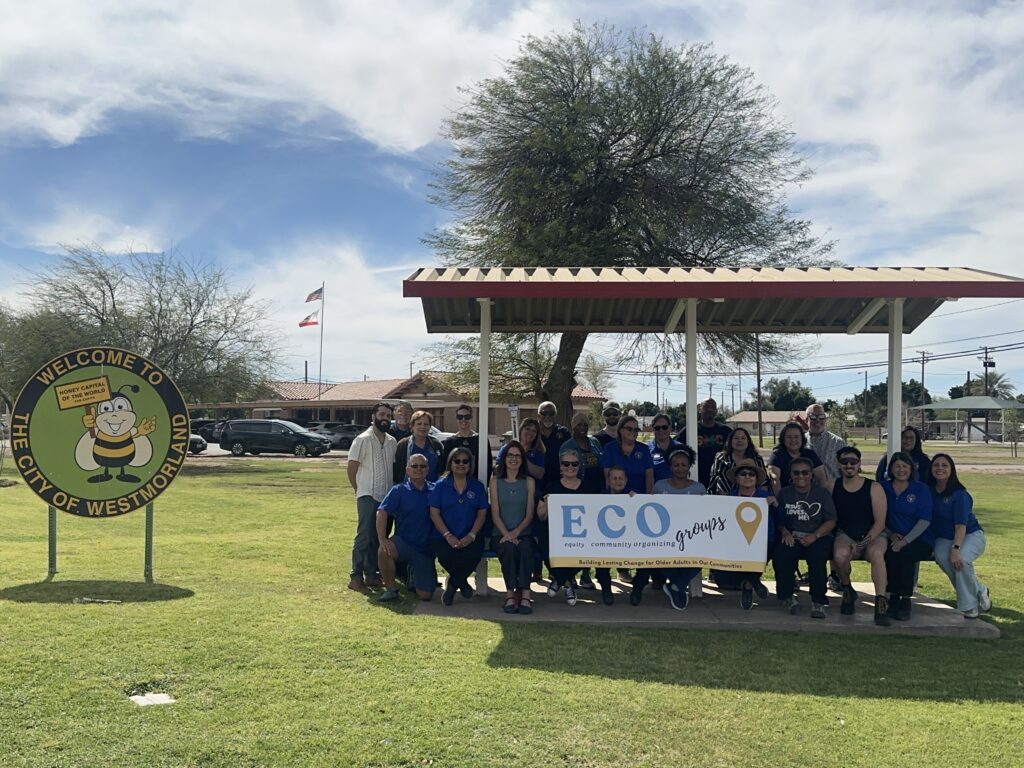
The final phase translated the research into a proposed village model through a participatory co-design process. Findings from the previous phases were synthesized during three collaborative workshops involving a core team of faculty, students, community partners, a geriatrician, and caregivers (Figure 1). Workshops progressed from defining key challenges to developing the project’s vision, operational framework, program requirements, space needs, and preliminary planning concepts. The process concluded with a community-based stakeholder workshop involving 24 participants representing health care, nonprofit organizations, housing, local government, and academia. Participants evaluated the proposed framework, identified implementation challenges, and refined program priorities.
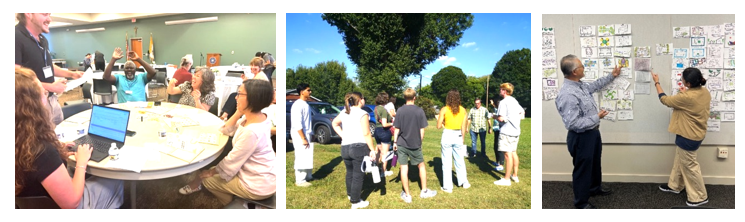
Figure 1: Stakeholder engagement (left), the site visit (middle), and the work session process (right)
Collectively, the three-phase process brought insights into the proposed village model for senior living. Theoretical influences also shaped the project’s vision, programming priorities, and evaluation of design alternatives throughout the architectural programming seminar. Rather than asking how architecture can better accommodate illness, the seminar explored how design might actively promote health, sustain wellness, and enhance well-being (Figure 2). This shift in perspective positions long-term care not as an institutional healthcare system but as a living system grounded in the eight dimensions of wellness, fueling hope rather than despair.
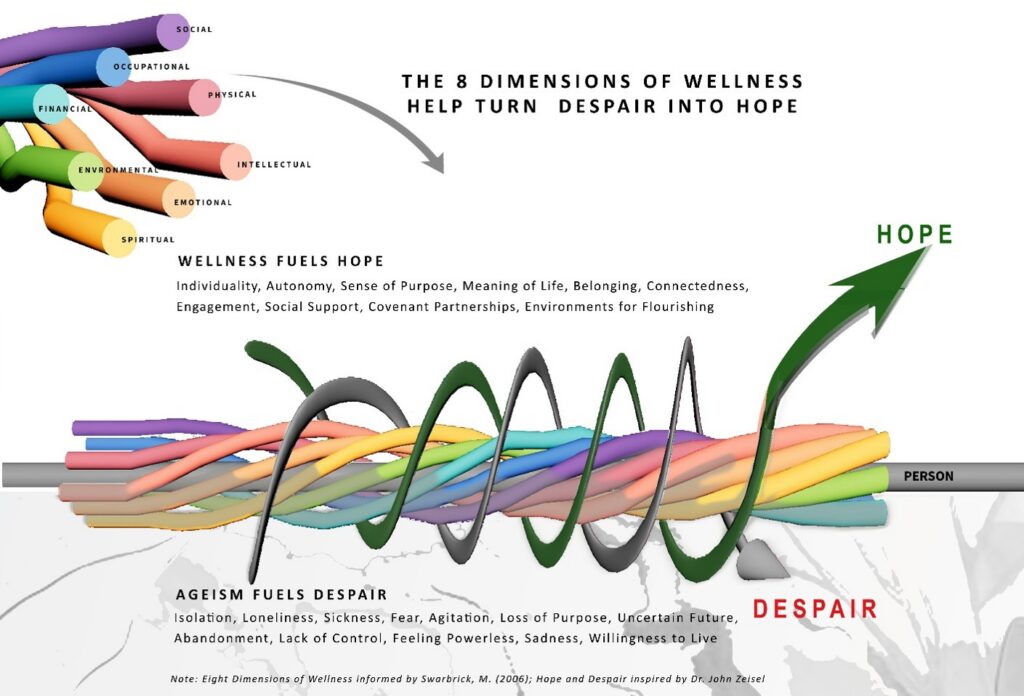
Figure 2: Wellness helps turn despair into hope
Toward a New Paradigm for Aging: The HEARTH Village Model
Current models of senior housing largely frame aging through the lens of decline and dependency. To challenge this mindset, we propose the Healthy Environments for Aging, Resilience, Thriving, and Hope (HEARTH) Village Model, an ecological framework that integrates housing, health care, wellness, community life, education, and research into a living-centered system. Rather than viewing senior housing as a place where care is delivered, HEARTH reimagines life in a vibrant village where people continue to learn, contribute, build relationships, and thrive throughout older adulthood. Designed to be adaptable, scalable, and financially accessible, the model can be tailored to diverse communities while maintaining its core philosophy. The village serves adults aged 65 and older across a wide range of abilities, from independent living to chronic illness, physical disability, and dementia. At the same time, HEARTH intentionally extends beyond older adults. Families, children, students, volunteers, healthcare professionals, researchers, entrepreneurs, and neighboring residents all participate in village life, creating reciprocal relationships rather than one-directional caregiving. Older adults remain active contributors through mentoring, teaching, volunteering, civic engagement, and the sharing of their lifelong knowledge and experience.
HEARTH is grounded in the belief that every person should have the opportunity to flourish throughout life, regardless of age or frailty. Aging is viewed as a stage of continued growth rather than inevitable decline. Instead of segregating older adults, the model fosters intergenerational relationships and strong connections with the surrounding community. Residents are supported in maintaining autonomy, making decisions consistent with their values and cultural identities, participating in meaningful roles that sustain their sense of purpose and belonging, and accessing compassionate end-of-life care.
The village is organized around three overlapping pillars: culture and community, services and experiences, and the built environment (Figure 3).
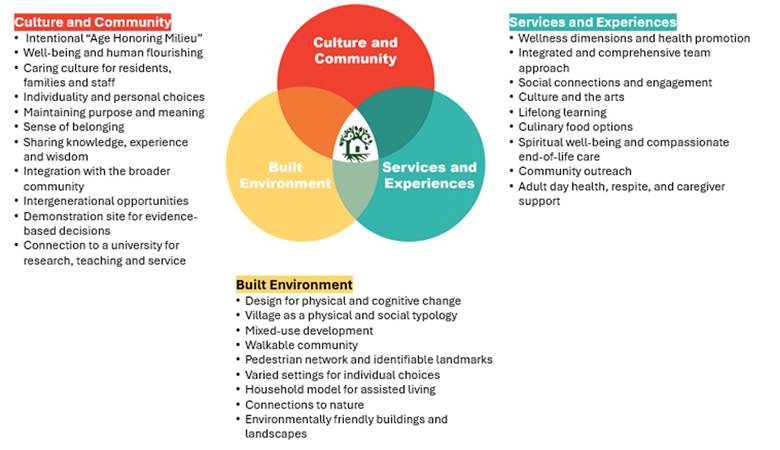
Figure 3: HEARTH Framework
Culture and Community
The Culture and Community pillar is the social foundation of the village, embodying its identity and ethos. HEARTH promotes human flourishing by creating a culture of engagement in which residents are contributors rather than recipients of care. Shared meals, volunteerism, lifelong learning, creative expression, mentoring, and mutual support strengthen social connections and a sense of belonging and purpose. The culture intentionally emphasizes an “Age-Honoring Milieu” where human flourishing is the philosophical driver rather than strictly medical care, thereby replacing an institutional environment and routine practices. Partnerships with universities, healthcare organizations, local businesses, and community groups expand opportunities for research, teaching, and innovation while embedding the village within the broader community.
This shift in perspective positions long-term care not as an institutional healthcare system but as a living system and community that enables frail older adults to maintain independence, cultivate meaningful relationships, and flourish until the end of life.
Services and Experiences
The second pillar embodies the activities, programs, services, and daily life in the village that shape experiences. It combines housing, health care, wellness, and community services into a coordinated system serving both village residents and older adults living nearby. HEARTH creates an interconnected network of residential options. Healthcare services should include health promotion, chronic disease management, rehabilitation, behavioral health, and care coordination alongside wellness programming that supports healthy aging and longevity. Shared amenities, including cafés, markets, learning spaces, creative arts studios, fitness facilities, adult day health, home care, and neighborhood gathering spaces, are open to both residents and the surrounding community, strengthening social integration while diversifying revenue. Interdisciplinary teams from local universities (e.g., medicine, nursing, therapy, public health, architecture, landscape architecture, interior design, and psychology) can contribute to community life by creating a learning ecosystem that addresses workforce shortages while advancing innovation in environments, products, and technologies to improve the lives of seniors.
Built Environment
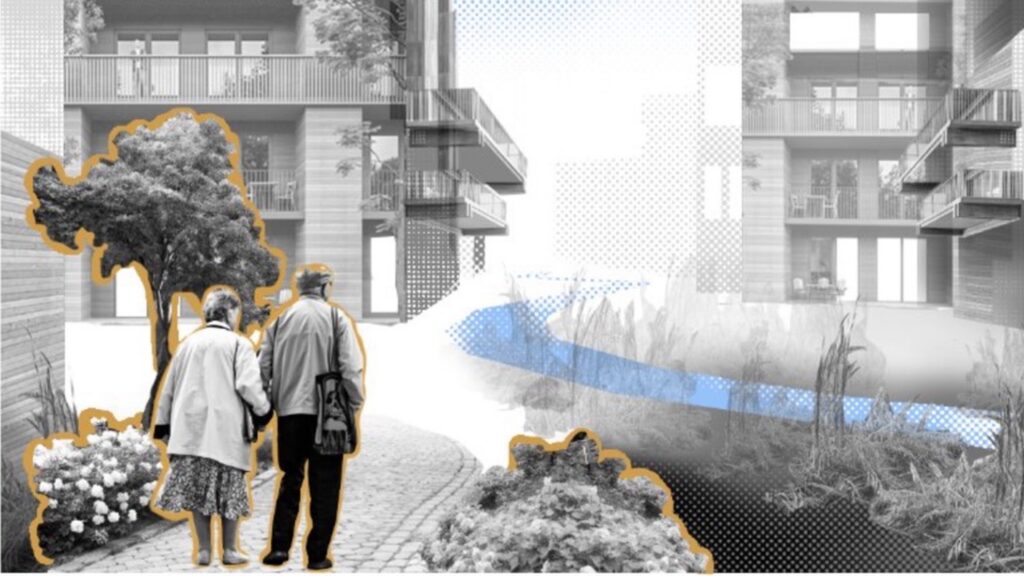
The built environment pillar translates these principles into a place that embodies an “Age-Honoring Milieu” and supports human flourishing. The place should be a walkable, mixed-use village within a community organized around everyday life and experiences. Rather than relying on large campuses separated from surrounding neighborhoods, HEARTH draws inspiration from traditional European villages that emphasize familiarity, human scale, mixed uses, density, and neighborhood identity. At the heart of the village is a vibrant community center for civic life containing cafés, markets, flexible learning spaces, cultural amenities, wellness facilities, healthcare services, and an adult day health program shared by residents and the broader public. Surrounding this civic core are diverse residential neighborhoods offering independent living in apartments or cottages, assisted living or memory care in small houses, as well as potential respite, guest, and workforce housing. Small household models replace large institutional buildings, creating familiar domestic settings and familial routines that support dignity, autonomy, and meaningful social relationships (Figure 4).
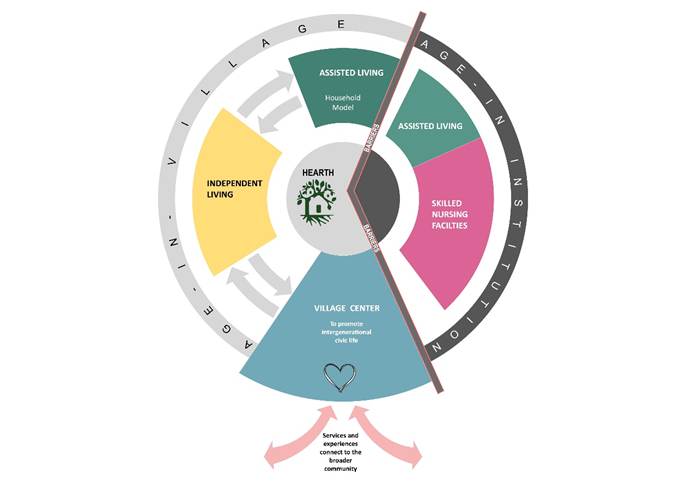
Figure 4: HEARTH components and spatial layout
The village is organized around a connected pedestrian network that links homes to recreation, education, commerce, and green space, making physical movement and social interaction a natural part of everyday life. Drawing on Lynch’s (1960) principles of imageability and legibility, the plan incorporates recognizable landmarks, distinct districts, and intuitive circulation to support orientation and independent navigation, particularly for individuals living with cognitive impairment. A carefully graduated sequence of public, semi-public, and private spaces allows residents to determine their own desirable level of social engagement while preserving privacy and independence. Parks, gardens, walking trails, restorative landscapes, and outdoor gathering places further encourage physical activity, contact with nature, and spontaneous encounters among neighbors.
Research, education, and innovation are embedded throughout the village through partnerships with universities, healthcare organizations, and industry leaders, creating opportunities to continuously advance age-friendly design and models of care. By intentionally integrating housing, health care, community life, education, commerce, and nature into a single, interconnected environment, HEARTH reimagines senior housing as more than a place to receive care. It proposes a new model for healthy aging and living well. It is a place where the built environment serves as a catalyst for well-being, lifelong learning, and human flourishing.
Conclusion and Next Steps
The United States is at a pivotal moment as its older adult population continues to grow. Demographic change, rising costs, and workforce shortages make it clear that incremental improvements to existing long-term care models are no longer sufficient. Instead, senior housing must shift from systems organized around illness and dependency to environments that promote health, dignity, purpose, and a sense of belonging. Furthermore, environments must be designed for physical and cognitive change.
Rather than relying on large campuses separated from surrounding neighborhoods, HEARTH draws inspiration from traditional European villages that emphasize familiarity, human scale, mixed uses, and neighborhood identity.
The proposed HEARTH Village Model offers one pathway toward this new paradigm. Grounded in evidence, shaped through interdisciplinary collaboration, and refined through participatory design, HEARTH reimagines senior housing as an integrated ecosystem that brings together affordable housing, healthcare, supportive services, and community life. Rather than serving as a passive setting for care, the built environment becomes a catalyst for well-being, resilience, social connection, and human flourishing.
The model also recognizes that healthy aging is a shared community responsibility, building on covenant relationships rather than transactional ones. Its success depends on partnerships among healthcare providers, housing organizations, nonprofit agencies, local governments, universities, industry, and community members to create places where older adults can continue to contribute, learn, build relationships, and thrive. As a flexible framework, HEARTH can be adapted to diverse communities while remaining grounded in person-centered values and operational sustainability.
The next step is to translate this framework into practice through a demonstration village that serves as a living laboratory for studying how environments influence human flourishing in older adulthood through research, education, and service. The model is intended to be transferable and have a flexible character based on geographic context, community resources and needs, and the population served. The model needs to be studied across lower, middle- and higher-income groups. Creating and evaluating different models will provide evidence to refine the design, measure its impact, and guide broader implementation. Ultimately, the question is not simply where older adults will live, but how society chooses to support aging. If healthy aging is understood as a lifelong process of growth, connection, and purpose, then senior housing must become more than a system of care. It must become a place where people can flourish throughout later life.
Dina Battisto, PhD., M.Arch, is Professor of Architecture at Clemson University in Clemson, South Carolina, and can be reached at dbattis@clemson.edu.
Ashita Arora, MS in Architecture, is also at Clemson University in Clemson, South Carolina, and can be reached at ashitaa@clemson.edu.
Hiep Pham is an MD in Geriatric Medicine in Charlotte, North Carolina, and can be reached at servantheartmd@gmail.com.
Julie Patterson, Bachelor of Architecture is also at Clemson University in Clemson, South Carolina and can be reached at jthoman@clemson.edu.
Photo credits: Dina Battisto
References
Administration for Community Living. (2024). 2023 Profile of older Americans. U.S. Department of Health and Human Services. https://acl.gov/news-and-events/announcements/acl-releases-2023-profile-older-americans
Administration for Community Living. (2024). How much care will you need? U.S. Department of Health and Human Services. https://acl.gov/ltc/basic-needs/how-much-care-will-you-need
American Association of Retired Persons. (2024). 2024 Home and community preferences among adults 18 and older. https://www.aarp.org/content/dam/aarp/research/topics/livable-communities/housing/2024-home-community-preferences-report.doi.10.26419-2fres.00831.001.pdf
Battisto, D., & Wilhelm, J. J. (2020). Architecture and health: Guiding principles for practice. Routledge. https://doi.org/10.4324/97804292664
Birch, J., & Thompson, V. D. (Eds.). (2023). The archaeology of villages in Eastern North America. University Press of Florida.
Bronfenbrenner, U. (1994). Ecological models of human development. In T. Husen & T. N. Postlethwaite (Eds.), International encyclopedia of education ( 2nd ed., Vol. 3, pp. 1643–1647). Pergamon Press/Elsevier Science.
Burdett, T., & Inman, J. (2021). Person-centred integrated care with a health promotion/public health approach: a rapid review. Journal of Integrated Care (Brighton, England), 29(3), 357–371. https://doi.org/10.1108/JICA-02-2021-0010
Centers for Disease Control and Prevention. (2024 a, May 15). Well-being concepts. U.S. Department of Health and Human Services. https://www.cdc.gov/hrqol/wellbeing.htm
Centers for Disease Control and Prevention. (2024 b, June 3). Older adults: Chronic disease indicators. U.S. Department of Health and Human Service. https://www.cdc.gov/cdi/indicator-definitions/older-adults.html
Courtin, E., & Knapp, M. (2017). Social isolation, loneliness and health in old age: A scoping review. Health & Social Care in the Community, 25(3), 799–812. https://doi.org/10.1111/hsc.12311
Gorina, Y., & Kramarow, E. A. (2025). Chronic conditions in adults age 85 and older: United States, 2022–2023 (NCHS Health E-Stat No. 105). U.S. Department of Health and Human Services, Centers for Disease Control and Prevention, National Center for Health Statistics.
Haeusermann, T. (2018). The dementia village: Between community and society. In F. Krause & J. Boldt (Eds.). Care in healthcare. Palgrave Macmillan, Cham. https://doi.org/10.1007/978-3-319-61291-1_8
Hafiz, O., Yin, X., Sun, S., Yang, J., & Liu, H. (2024). Examining the Use and Application of the WHO Integrated People-Centred Health Services Framework in Research Globally – a Systematic Scoping Review. International Journal of Integrated Care, 24(2), 9–9. https://doi.org/10.5334/ijic.7754
Holt-Lunstad, J., Smith, T. B., Baker, M., Harris, T., & Stephenson, D. (2015). Loneliness and social isolation as risk factors for mortality: A meta-analytic review. Perspectives on Psychological Science, 10(2), 227–237. https://doi.org/10.1177/1745691614568352
Lynch, K. (1960). The image of the city. MIT Press.
National Academies of Sciences, Engineering, and Medicine. (2016). Families caring for an aging America. The National Academies Press. https://doi.org/10.17226/23606
Paljug, K. (2026, June 30). Monthly costs for retirees: What Americans 65 and older spend on housing, food, transportation, and healthcare. Investopedia. Investopedia
Peña, W. M., & Parshall, S. A. (2012). Problem seeking: An architectural programming primer (5th ed.). John Wiley & Sons.
Robinson, J. W. (2006). Institution and home: Architecture as a cultural medium. Techne Press.
Seligman, M. E. (2011). Flourish: A visionary new understanding of happiness and well-being. Simon and Schuster.
Social Security Administration. (2024). Income of the aged population. https://www.ssa.gov/policy/docs/statcomps/income_pop55/
Substance Abuse and Mental Health Services Administration. (2016). Promoting wellness: A guide to community action. U.S. Department of Health and Human Services.
Swarbrick, M. (2006). A Wellness Approach. Psychiatric Rehabilitation Journal, 29(4), 311–314. https://doi.org/10.2975/29.2006.311.314
U.S. Census Bureau. (2025). QuickFacts: Charlotte city, North Carolina. U.S. Department of Labor. https://www.census.gov/quickfacts/fact/table/charlottecitynorthcarolina/PST120223
World Health Organization. (2022, June 17). Mental health: Strengthening our response. https://www.who.int/news-room/fact-sheets/detail/mental-health-strengthening-our-response
Xu, J., Murphy, S. L., Kochanek, K. D., & Arias, E. (2026). Mortality in the United States, 2024 [NCHS Data Brief No. 548]. U.S. Department of Health and Human Services, Centers for Disease Control and Prevention, National Center for Health Statistics. https://doi.org/10.15620/cdc/174641