
Abstract
The United States is undergoing a significant demographic transformation as both its older adult and immigrant populations continue to grow. While efforts to support immigrant inclusion often focus on language access, legal services, and social programs, the role of the built environment in shaping everyday experiences is often overlooked. For aging immigrants, challenges related to mobility, housing, neighborhood change, social connection, and cultural belonging intersect in ways that are not adequately addressed by current approaches. This article uses the place attachment framework to examine how older immigrant adults experience, maintain, and reconstruct a sense of place through the interconnected dimensions of person, place, and process.
Key Words
Place attachment, aging immigrants, built environment, age-friendly communities, inclusive design, cultural belonging, urban planning, healthy aging
The United States is experiencing a long-term demographic transformation that is reshaping cities, neighborhoods, and public life. Over the past decade, the population has become significantly more racially and ethnically diverse (U.S. Census Bureau, 2023). Immigrants make up 15% of the total U.S. population and nearly 20% of the labor force, a historically large share (Pew Research Center, 2025). Major urban regions, including New York, Los Angeles, and Miami, are central sites of this transformation (Pew Research Center, 2025).
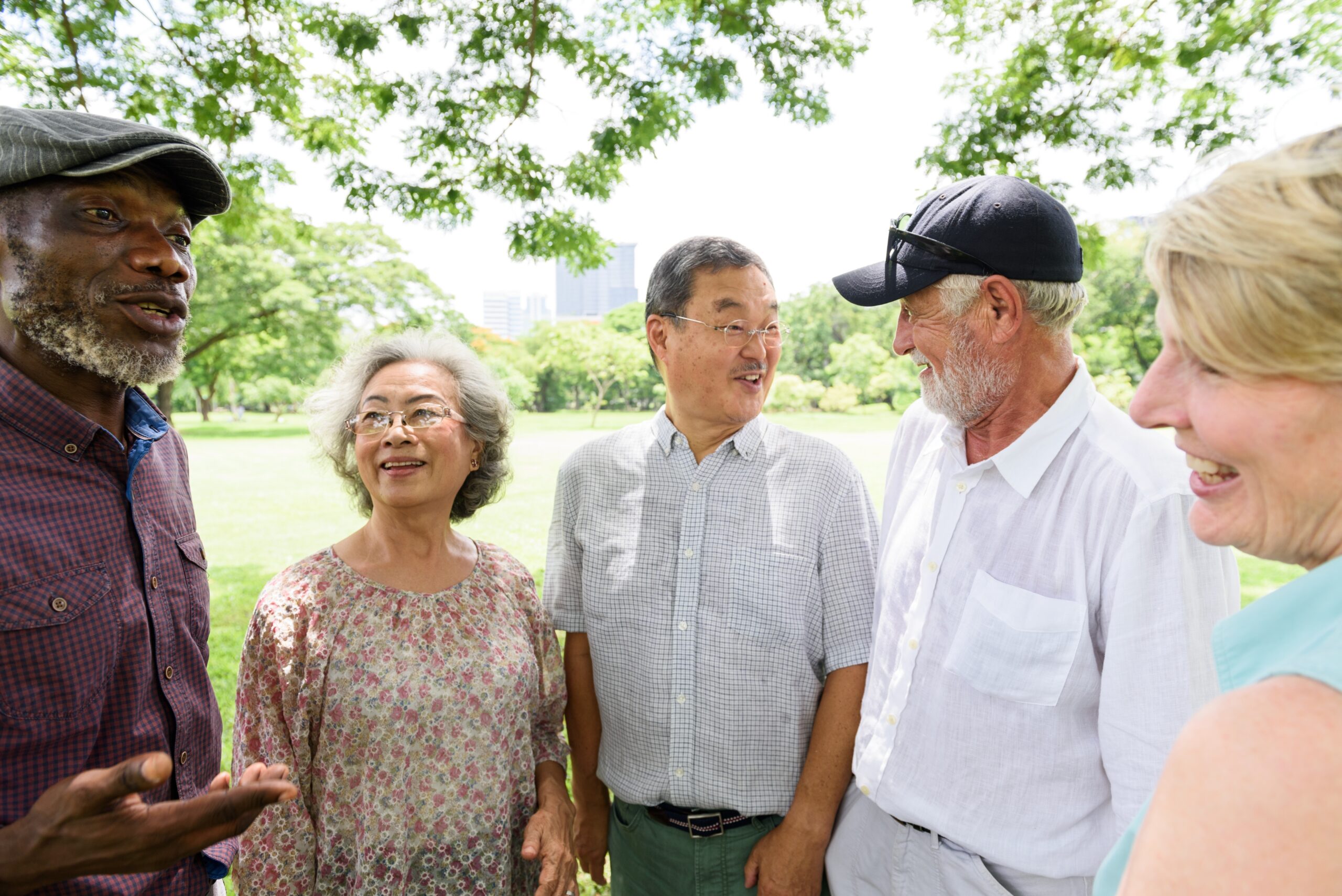
These trends are unfolding alongside another significant demographic reality: population aging. According to the 2020 Census, the portion of the population aged 65 and older grew nearly 5 times faster than the total population, representing 1 in every 6 people (U.S. Census Bureau, 2023). As the number of older adults grows, so, too, does the number of older immigrants aging within American communities. Many have spent decades building lives, families, and social networks in the neighborhoods they now call home. Others arrived later in life through family reunification or as refugees seeking safety and stability.
For practitioners, planners, and policymakers, this raises a critical question: how can communities design environments that not only support aging, but aging with belonging?
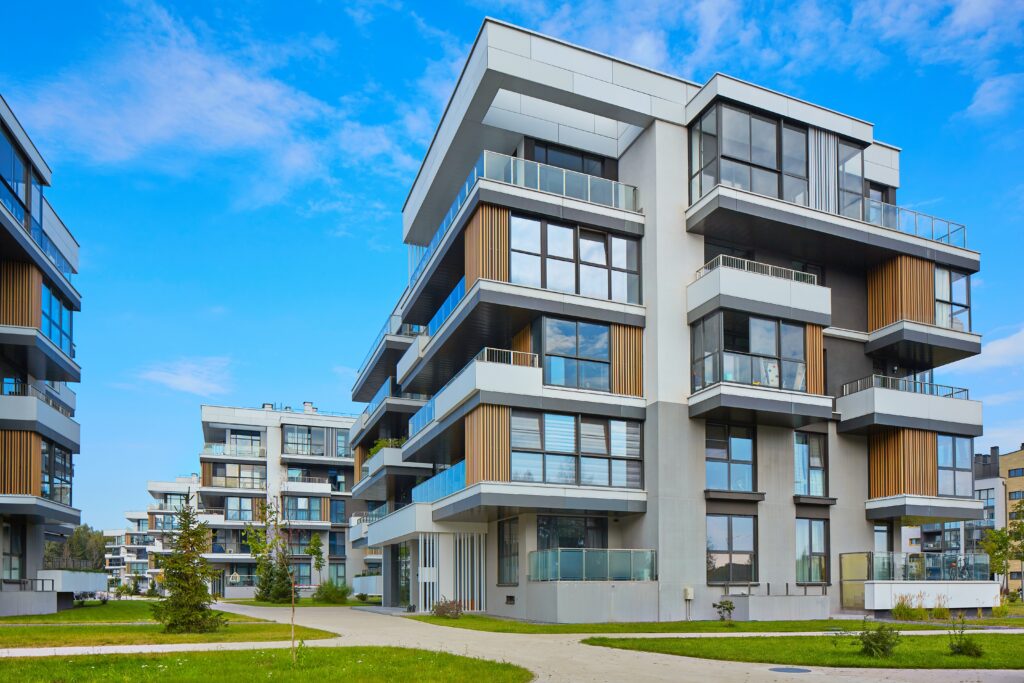
Cities often remain exclusionary for immigrants and physically inaccessible for older adults, reflecting outdated assumptions about who urban environments are designed to support. Efforts to promote immigrant inclusion typically focus on language access, legal services, and civic participation, while initiatives for older adults often center on healthcare or aging services. Although these approaches are important, they rarely consider how the built environment shapes everyday experiences. When these challenges intersect, older immigrants face a distinct and largely unaddressed set of barriers, where issues of housing, neighborhood design, mobility, public space, and belonging become even more complex.
Understanding how older immigrants experience and relate to place is paramount if communities want to create environments that support healthy aging and social inclusion for all. For practitioners, planners, and policymakers, this raises a critical question: how can communities design environments that not only support aging, but aging with belonging?
Understanding Place Through the Lens of Attachment
One useful framework for examining these experiences is place attachment. Place attachment refers to the emotional, cognitive, and behavioral bonds individuals form with places. These relationships are often intensified among immigrant populations who experience displacement and seek stability in new environments (Fried, 2000). A widely used framework conceptualizes place attachment across three interconnected dimensions: person, place, and process. The person dimension reflects individual identity, migration history, and cultural and intergenerational ties. The place dimension includes both the physical environment, such as housing and infrastructure, and the social environment, including networks, institutions, and shared spaces. The process dimension captures how attachment forms and is expressed through affect (belonging, pride, and safety), cognition (memory, identity, and meaning), and behavior (mobility, staying close to and reconstructing place).
Design strategies should recognize the diversity and heterogeneity of immigrant populations, supporting identity, language, cultural practices, and intergenerational connections.
Together, these dimensions underscore that the conceptualization of place is not simply a location. It is a relationship formed by lived experience, and it is continuously shaped by ongoing interactions between people and their environments (Scannell & Gifford, 2010).
The dynamics of place attachment become most visible in everyday life. Across immigrant communities, the relationship between person, place, and process can function both as a source of support and limitation.
Place as Support: Enclaves and Cultural Environments: In culturally distinct neighborhoods such as Chinatowns, place attachment can foster aging in place by aligning physical and social environments with cultural and linguistic needs. Walkable environments and proximity to services support daily independence, while language access enables communication and healthcare navigation. Cultural familiarity, in turn, fosters comfort and social connection.
At the same time, strong reliance on these localized environments can limit mobility beyond the neighborhood and reinforce dependence on place. In this way, place can simultaneously enable independence while constraining opportunity (Chen et al., 2022).
Place as Loss: Displacement and Gentrification: For other populations, place attachment is disrupted by neighborhood change. Among Puerto Rican older adults in Chicago, researchers describe “aging in displacement,” characterized by repeated experiences of relocation and neighborhood transformation. Gentrification alters social networks and removes culturally relevant spaces, leaving individuals physically present but socially excluded.
The effects include loss of belonging, reduced engagement, and emotional distress, sometimes described as “root shock.” In this context, displacement is not only physical but also social and cultural (Fullilove, 2005; Rúa, 2017).
Place as Reconstruction: Rebuilding Belonging: In situations where culturally supportive environments are absent, some immigrant communities actively reconstruct place. Among Cambodian refugee elders, the experience of “aging out of place” reflects a mismatch between cultural expectations and the built environment. This mismatch can lead to isolation, loss of identity, and reduced mobility.
In response, communities create new forms of place through social networks, shared practices, and informal institutions. As younger generations adopt American ideals of single-family living and upward mobility, elders often remain deeply connected to extended family networks through shared caregiving responsibilities, religious communities, and cultural institutions. Even as multigenerational households become less common, families maintain close ties by clustering within the same neighborhoods or purchasing homes near one another. These efforts demonstrate that place attachment is not fixed; it can be actively rebuilt over time (Lewis, 2009).
The Role of Activity and Mobility
Importantly, place attachment is not confined to a single location. It extends across an individual’s broader “activity space,” encompassing the range of places they can access and navigate. Older adults maintain connection through movement across multiple environments and participation in social, recreational, and civic activities.
Access to transportation, the ability to travel beyond one’s immediate neighborhood, and perceptions of social distance are key determinants of this experience. In this sense, attachment is shaped not only by where people live, but by where they are able to go (Hawkins et al., 2022; Yen et al., 2012;). Many U.S. cities have developed initiatives to support immigrant populations, including legal aid programs, language access services, and community-based networks. These efforts play an important role in improving access to services, supporting civic participation, and signaling institutional recognition of immigrant communities.
However, these approaches remain limited in scope. They primarily focus on policy and administration, emphasizing social services and legal support while overlooking the role of the built environment. Critical factors such as housing design, neighborhood planning, transportation access, and public space are often excluded from immigrant inclusion strategies.
As a result, immigrant inclusion is commonly treated as a policy issue rather than a spatial and design challenge (Chacko & Price, 2025; see, e.g., New York City Mayor’s Office of Immigrant Affairs; Welcoming America).
Older immigrants experience aging through processes of displacement, adaptation, and community formation, and the built environment plays a central role in shaping these experiences
Toward a New Model: Designing for Place Attachment
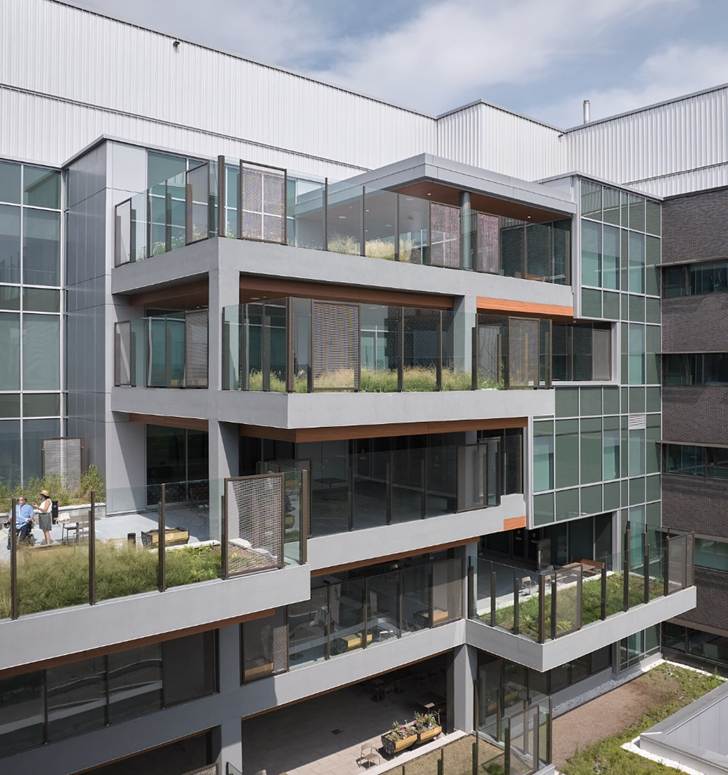
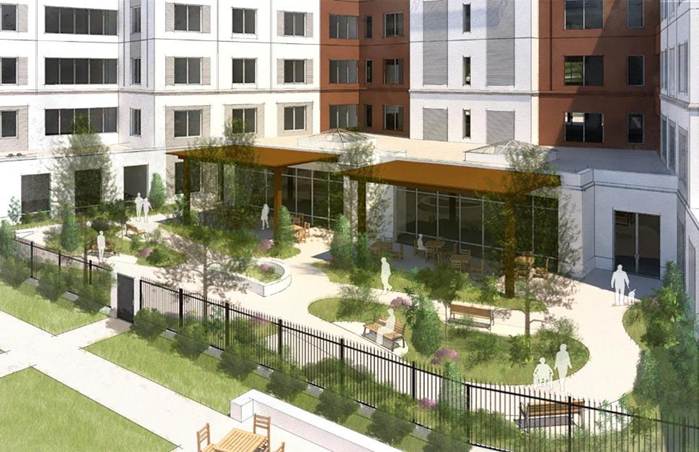
Addressing these gaps requires a more comprehensive approach that explicitly designs for place attachment across the dimensions of person, place, and process. Design strategies should recognize the diversity and heterogeneity of immigrant populations, supporting identity, language, cultural practices, and intergenerational connections and living arrangements. Physical environments should prioritize walkability, connectivity, affordable housing near services, and accessible infrastructure. At the same time, social environments should include culturally relevant gathering spaces, community institutions, and opportunities for sustained social interaction. Design must also address how attachment forms over time. This includes creating environments that foster belonging and safety (affect), support memory and cultural continuity (cognition), and enable mobility and participation (behavior). It also requires supporting the ongoing reconstruction and adaptation of place.
As a whole, this approach reframes development from simply delivering infrastructure to cultivating belonging.
Conclusion: From Infrastructure to Belonging
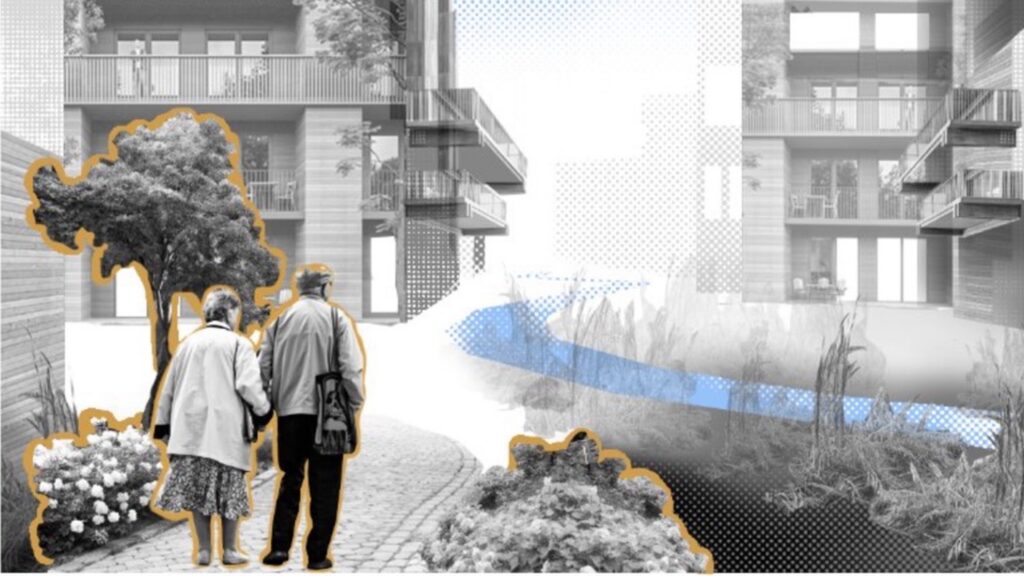
As demographic shifts continue to reshape American cities, the challenge is not only accommodating population change but designing environments that support meaningful relationships between people and place. Older immigrants experience aging through processes of displacement, adaptation, and community formation, and the built environment plays a central role in shaping these experiences.
Ultimately, the future of inclusive and healthy communities will depend on whether they can create environments that support healthy aging through attachment, identity, and belonging across diverse populations.
Natalie Verdiguel, M.S., is a consultant at Blue Cottage of CannonDesign. She can be reached at nverdiguel@bluecottage.com.
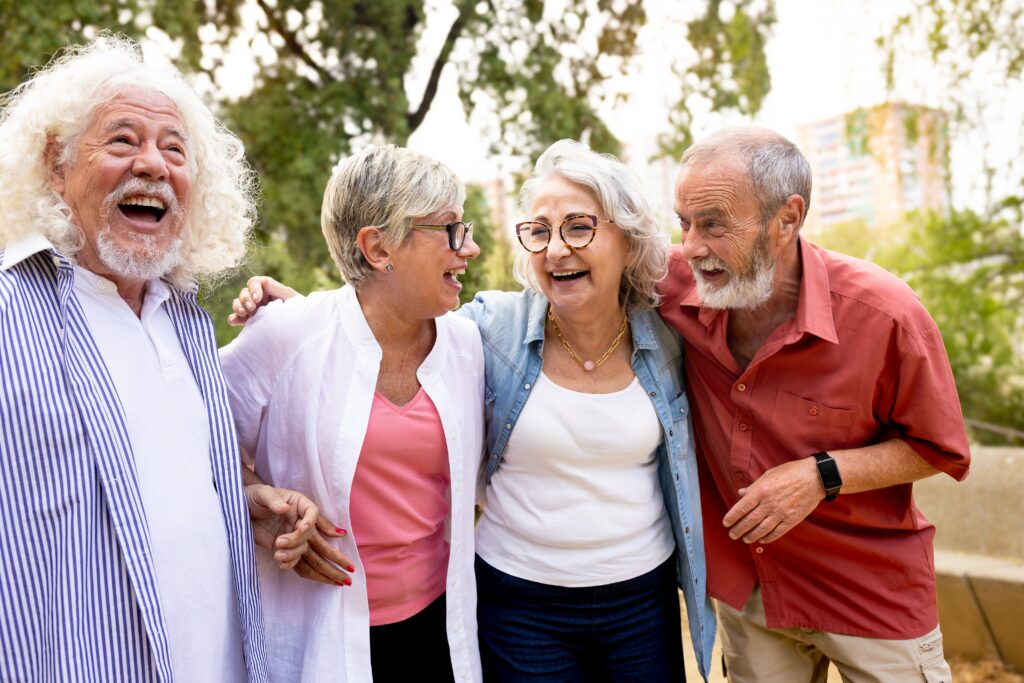
Photo credit: Shutterstock/Raw Pixel
References
Chacko, E., & Price, M. (2025, June 11). Migrant and refugee inclusion efforts in U.S. cities: Meeting human needs and supporting human rights. Perry World House. https://perryworldhouse.upenn.edu/news-and-insight/migrant-and-refugee-inclusion-efforts-in-u-s-cities-meeting-human-needs-and-supporting-human-rights/
Chen, X., Hu, Y., Xu, Q., & Xie, Y. (2022). Aging in Chinatowns: The meaning of place and aging experience for older immigrants. Journal of Cross-Cultural Gerontology, 37(4), 375–391. https://doi.org/10.1007/s10823-022-09463-1
Fried, M. (2000). Continuities and discontinuities of place. Journal of Environmental Psychology, 20(3), 193–205. https://doi.org/10.1006/jevp.1999.0154
Fullilove, M. T. (2005). Root shock: How tearing up city neighborhoods hurts America, and what we can do about it. One World/Ballantine Books.
Hawkins, M. M., Holliday, D. D., Weinhardt, L. S., Florsheim, P., Ngui, E., & AbuZahra, T. (2022). Barriers and facilitators of health among older adult immigrants in the United States: An integrative review of 20 years of literature. BMC Public Health, 22, 755. https://doi.org/10.1186/s12889-022-13042-x
Lewis, D. C. (2009). Aging out of place: Cambodian refugee elders in the United States. Family and Consumer Sciences Research Journal, 37(3), 376–393. https://doi.org/10.1177/1077727X08330684
Pew Research Center. (2025, August 21). Key findings about U.S. immigrants. https://www.pewresearch.org/short-reads/2025/08/21/key-findings-about-us-immigrants/
Rúa, M. M. (2017). Aging in displacement: Urban revitalization and Puerto Rican elderhood in Chicago. Anthropology & Aging, 38(1), 44–59. https://doi.org/10.5195/aa.2017.157
Scannell, L., & Gifford, R. (2010). Defining place attachment: A tripartite organizing framework. Journal of Environmental Psychology, 30(1), 1–10. https://doi.org/10.1016/j.jenvp.2009.09.006
U.S. Census Bureau. (2023, May 22). Examining the racial and ethnic diversity of adults and children. https://www.census.gov/newsroom/blogs/random-samplings/2023/05/racial-ethnic-diversity-adults-children.html
Yen, I. H., Shim, J. K., Martinez, A. D., & Barker, J. C. (2012). Older people and social connectedness: How place and activities keep people engaged. Journal of Aging Research, 2012, 139523. https://doi.org/10.1155/2012/139523