
Addressing the complex challenges facing older adults, as well as people with disabilities and their caregivers requires cross-sector collaboration, with community voices driving change at the local and state levels. Since its launch in 2021, California’s Master Plan for Aging (MPA) has relied on stakeholder voices to inform the plan’s development and implementation.
Through the MPA, six standing advisory committees offer input on issues related to home and community living, elder and disability justice, equity, Alzheimer’s and dementia, research, and MPA oversight. But stakeholders have noted that these state advisory committees alone are not enough to inform MPA implementation; the discussion must be grounded in lived experience. As such, the members of the Equity Advisory Committee on Aging and Disability recommended establishment of a Lived Experience Advisory Board to hear directly from those interacting with the system who represent California’s diverse population of older adults, people with disabilities and caregivers.
“The genius of the Master Plan for Aging is the unwavering commitment to the lived experience of the community members it seeks to serve.”
Bertha S. Hayden with the Disability Justice Coordinating Council explains, “The genius of the Master Plan for Aging is the unwavering commitment to the lived experience of the community members it seeks to serve. The goals and priorities are not static but shaped by stakeholders across sectors. This ensures the lived experience of older adults, people with disabilities, and caregivers are always at the forefront, and contemplated system changes are not theoretical but tested through the lived experiences of our represented communities.”
Recruitment
In spring 2025, CDA and its partners launched a statewide recruitment effort to solicit applications for AD-LEAB membership, with a focus on reaching individuals with lived experience from communities throughout the state. In collaboration with EACAD, CDA reviewed applications and conducted follow-up interviews and in Fall 2025, CDA formally launched AD-LEAB as the newest stakeholder body supporting implementation of the MPA.
With support of the MPA philanthropic partners, California established its first Aging and Disability Lived Experience Advisory Board (AD-LEAB) in September 2025. AD-LEAB elevates and amplifies the voices of older adults, people with disabilities, and caregivers, especially those from underserved communities, to affirm that the MPA reflects the perspectives of California’s diverse communities.
AD-LEAB members have provided valuable insight into issues including affordable and accessible housing, employment and engagement; transportation, isolation and loneliness, navigating systems of care, and caregiving.
Specifically, AD-LEAB identifies barriers faced by these populations and provides feedback on potential solutions from a lived experience perspective. It also strengthens understanding of the programs, services, support systems, and interventions needed to support aging with dignity in California.
What We Have Learned
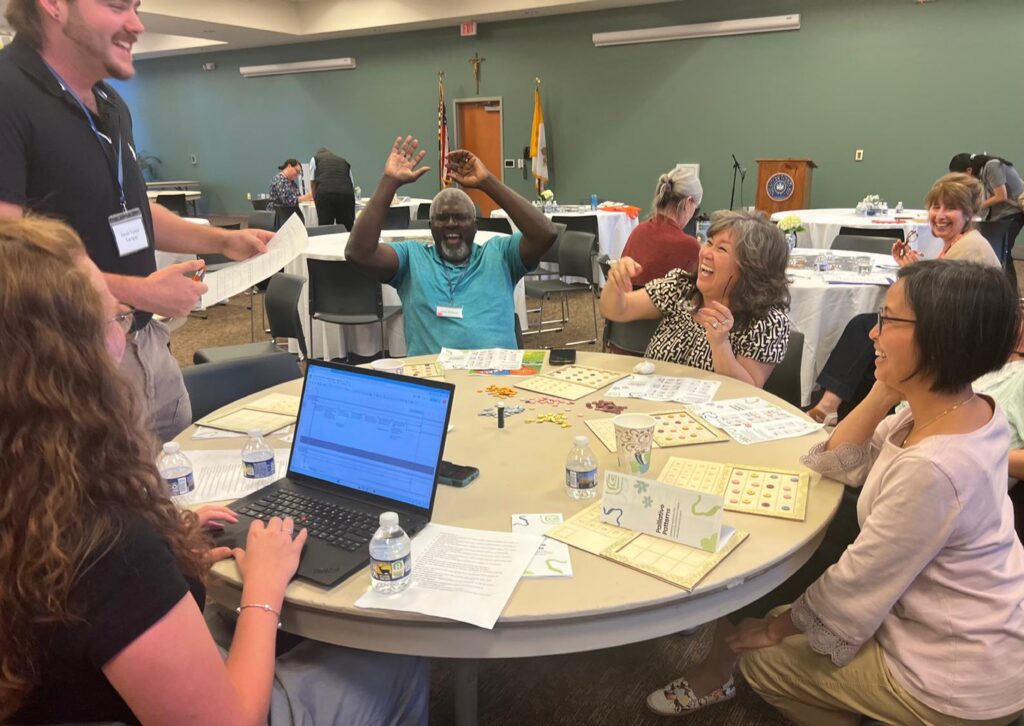
AD-LEAB has convened five meetings and will continue to hold meetings throughout 2026. AD-LEAB members have provided valuable insight into issues including affordable and accessible housing, employment and engagement; transportation, isolation and loneliness, navigating systems of care, and caregiving. With time, AD-LEAB has emerged as more than a place for individuals to tell their story; it has created a space and process for ensuring MPA systems change is rooted in lived experiences and responsive to the needs of individuals.
Yia Xiong is the Equity Specialist with the California Department of Aging .
Sarah Steenhausen serves as Deputy Director of the Division of Policy, Research and Engagement at the California Department of Aging.
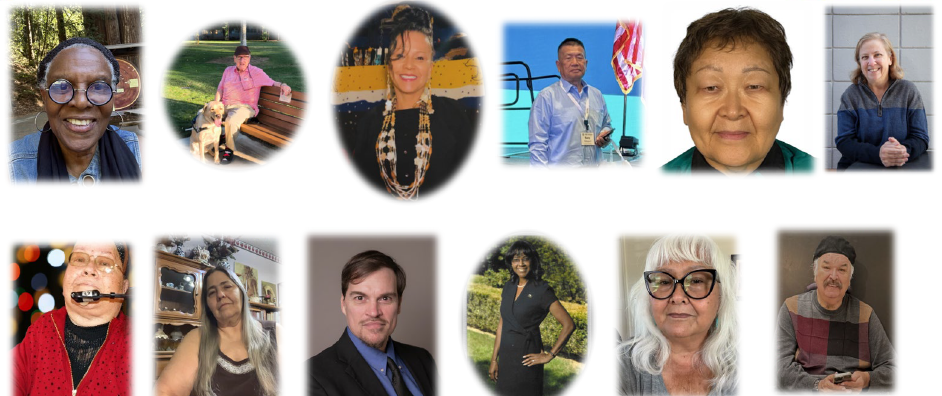
Meet the Board Members
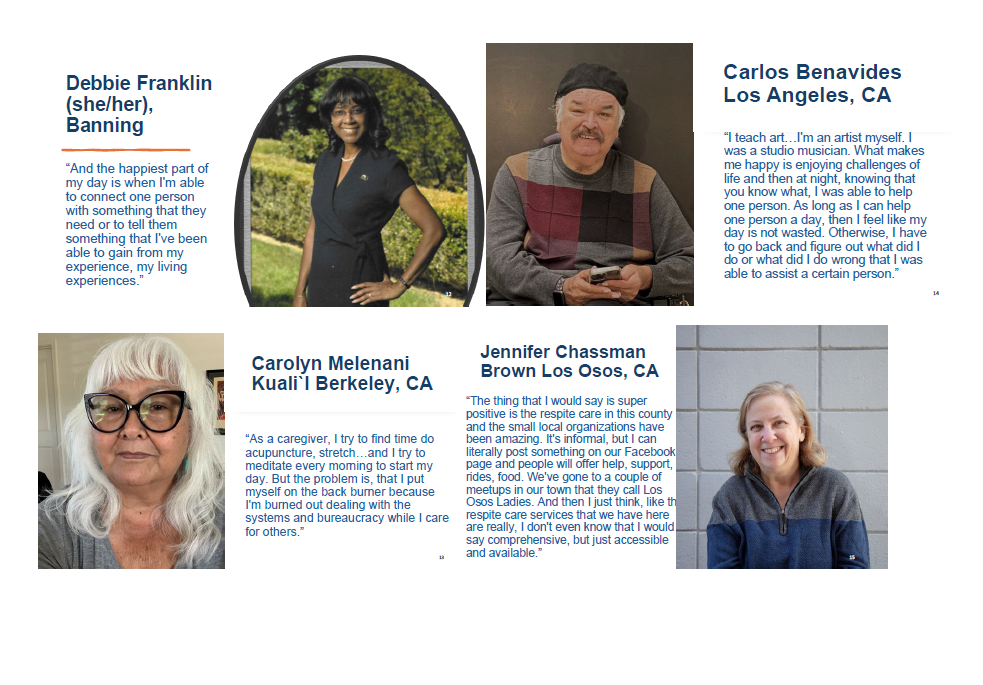
Carlos Benavides, he/him, Los Angeles
Carlos Benavides’ path as an artist began on the streets, whereas as a teenager he expressed himself through graffiti and street art. Over time, his creativity grew into a passion for mixed media, oil, acrylic, photography, and airbrush. In 2003, a life-changing injury brought him to Rancho Los Amigos National Rehabilitation Center, where he found community through its art program. What began as a way to heal soon transformed into a thriving artistic career, with Benavides’ work exhibited in galleries across the nation. Art became just one avenue for his advocacy. In 2014, he was appointed to the Los Angeles County Commission on Disabilities, where he now serves as President, and he chairs the Patient Family Advisory Council at Rancho Los Amigos. His leadership and commitment to disability rights were honored when Rancho Los Amigos renamed an amphitheater in his name. For Benavides, art and advocacy are inseparable, each are ways to celebrate resilience, elevate voices, and create lasting change.
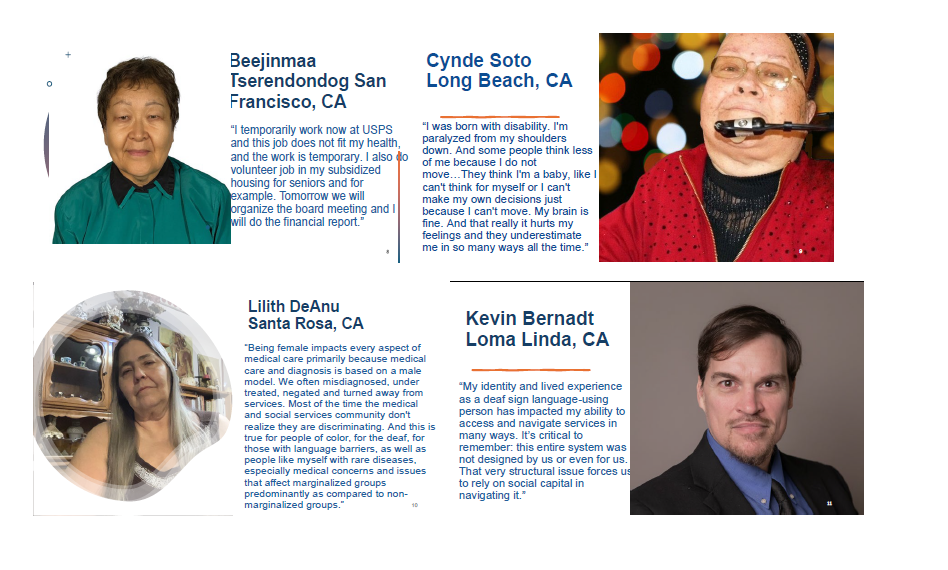
Kevin Bernadt, he/him, Loma Linda
Kevin Bernadt has spent nearly two decades leading efforts to strengthen health equity for Deaf and Disabled communities. Deaf and neurodiverse himself, he blends lived experience with professional expertise as he pursues his Doctor of Public Health degree while holding advanced degrees in business and public policy. Bernadt’s advocacy is grounded in leadership that improves health systems. From health and wellness coaching to helping shape services, his work centers on advancing high-quality, fair, and accessible care. Through AD-LEAB, he aims to bring both his personal journey and professional knowledge to help remove barriers and ensure that older adults and people with disabilities can live and age with dignity in the communities they choose.
Jennifer Chassman Brown, she/her, Los Osos
Jennifer Chassman Brown has lived with Juvenile Rheumatoid Arthritis since childhood, giving her deep insight into the daily realities of navigating the world with a disability. Alongside her own experiences, she also cares for her aging parents, seeing firsthand the challenges older adults face when trying to access health care, home support, and safe living accommodations. Her dual perspective as both a person with a lifelong disability and as a caregiver fuels her passion for service. Joining AD-LEAB allows her to bring that lived experience to the table, ensuring that policies and programs are designed to make a meaningful difference in the lives of those most affected.
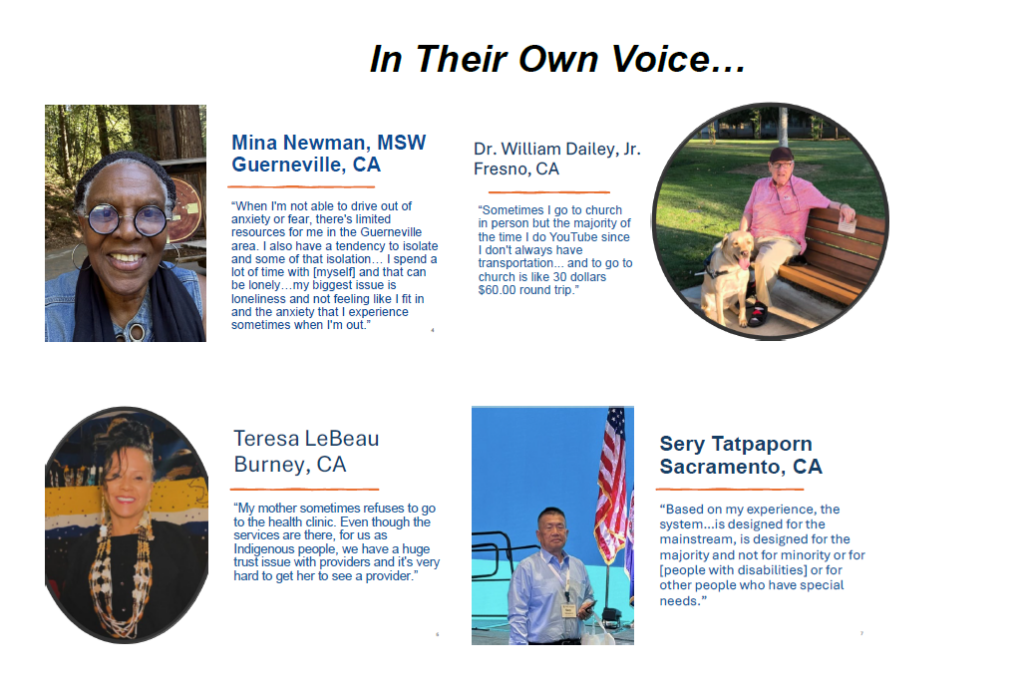
Dr. William Dailey Jr., he/him, Fresno
For Dr. William Dailey Jr., the journey of caregiving and advocacy has been lifelong. Born with a disability, he learned to adapt throughout his personal and professional life. In 2015, he became the caregiver for his wife, Carol, a role he embraced with love until her passing in 2023 after 40 years of marriage.
Now retired from his career as a university professor in gerontology, Dr. Dailey continues to advocate for individuals with disabilities, the LGBT community, and older adults in need of services. Accompanied by his guide dog, Mr. Ford, he embraces his role on AD-LEAB as a continuation of his lifelong work: uplifting communities, sharing his experiences, and supporting others on their journeys.
Lilith DeAnu, she/her, Santa Rosa
From childhood through adulthood, Lilith DeAnu has had to fight to be heard and seen. Living with a disability and later advocating for her daughter’s needs, she knows intimately how vital it is for people with disabilities to have their voices recognized in systems that serve them. Volunteerism became her path to influence. By sharing her lived experience and amplifying others, she built a life rooted in service and advocacy. Through AD-LEAB, she continues that mission, lending her voice to ensure services are not only accessible but also responsive to the real needs of people with disabilities and their families.
Debbie Franklin, she/her, Banning
For Debbie Franklin, caregiving and health challenges have been a defining part of her family story. Her mother lived with dementia until her passing at age 93. Her siblings have also faced dementia and Parkinson’s disease, with diagnoses that span across her brothers and sisters. Franklin has witnessed both the struggles and the resilience of her loved ones. An active member of her community of older adults, she brings to AD-LEAB a determination to stay informed about emerging treatments and care options while ensuring that others facing similar journeys have a voice. Her personal history fuels her passion to support ongoing progress in care, research, and advocacy.
Carolyn Melenani Kualii, she/her, Berkeley
As a caregiver for her partner living with multiple health conditions, Carolyn Melenani Kaualii knows firsthand the challenges of balancing care responsibilities with the emotional and physical demands of aging. Her lived experience as an aging woman and caregiver informs her perspective on the broader inequities that affect the most vulnerable older adults. She is particularly focused on uplifting communities at higher risk, including women, people of color, and LGBTQ+ and HIV-positive older adults. She also advocates for aging caregivers who, like herself, are caring for their aging loved ones. Through AD-LEAB, she brings her perspective, determination, and compassion to advance more inclusive and supportive services.
Teresa LeBeau, she/her, Burney
In Teresa LeBeau’s Indigenous community, caregiving is not a role but a way of life. From a young age, she learned that caring for elders is a collective responsibility rooted in cultural values, practices, and traditions. Today, she carries forward that tradition as the daily caregiver for her mother. Her caregiving includes practical support such as ensuring safety, monitoring daily activities, and maintaining resources, as well as spiritual care through burning sage, praying, and sharing stories to keep memory sharp. LeBeau’s lived experience reflects the strength of cultural caregiving practices that honor older adults and allow them to live full, connected lives. On AD-LEAB, she brings that perspective to help shape policies that recognize and respect cultural traditions.
Mina Newman, MSW, she/her, Guerneville
Mina Newman, MSW, has spent her career serving diverse and underserved communities. From her years working with the City and County of San Francisco to her role as a Medical Social Worker with HealthFlex Home Health and Hospice, she has helped families navigate difficult health and end-of-life challenges with compassion and skill. Her more recent work with Sonoma County Mental Health, leading listening sessions with unhoused women and African American youth, reflects her deep commitment to fairness and making sure voices that are often left out are heard. For Newman, each opportunity to serve is not just a professional duty but also a way to enrich her personal journey. Her role on AD-LEAB continues that mission, ensuring that those most impacted by aging and disability are heard and supported.
Cynde Soto, she/her/ella, Long Beach
Born with arthrogryposis, a connective tissue disorder that significantly limits physical movement, Cynde Soto has used a wheelchair all her life. Rather than letting disability limit her path, she embraced advocacy from a young age, joining the disability rights movement as soon as she graduated high school. Now, as an older adult, Soto sees herself at the intersection of two communities: disability and aging. With “a wheel in both worlds,” she brings her lifelong experience to AD-LEAB to both contribute to and learn from others. Her story exemplifies the resilience and leadership of people who turn challenges into opportunities for change.
Sery Tatpaporn, he/him, Sacramento
For more than 30 years, Sery Tatpaporn has been the caregiver and conservator for his son with a disability. His personal caregiving journey inspired his professional leadership, culminating in his role as President and CEO of the ABLE Community Development Foundation, a nonprofit serving older adults who speak limited English and other underserved communities. Tatpaporrn’s commitment to service extends beyond his nonprofit. He serves on the Sacramento County Adult and Aging Commission and actively participates in the National Council on Aging. His lived experience and organizational leadership give him a unique perspective on both the personal and systemic aspects of caregiving. Through AD-LEAB, he works to ensure that vulnerable communities receive the services and respect they deserve.
Beejinmaa Tserendondog, she/her, San Francisco
Beejinmaa Tserendondog has balanced caregiving and community organizing for more than a decade. As a caregiver to her niece, she knows the daily realities of supporting a loved one with needs that require patience, commitment, and love. In her professional life, she organizes services for people with disabilities, ensuring that they receive the support and opportunities necessary to thrive. For her, AD-LEAB represents an opportunity to make sure every voice is heard. She believes that programs work best when shaped by those with lived experience, and she brings her own caregiving journey and advocacy to help ensure services reflect real community needs.