An examination of issues facing a dramatically changing workforce.

Employers as Catalysts in an Age-Friendly Ecosystem
read more

Generations Journal, vol. 50, no. 2 (Summer 2026)
An examination of issues facing a dramatically changing workforce.

Understand why Americans are working longer and how employers can support their well-being through workplace design.

Exploring the evidence underlying a complex labor market for workers 50 and older.

Study finds most employers have advanced only a few age-specific efforts.

Expanding MPAs supports work, economic opportunity, and the continuing contributions of older adults.
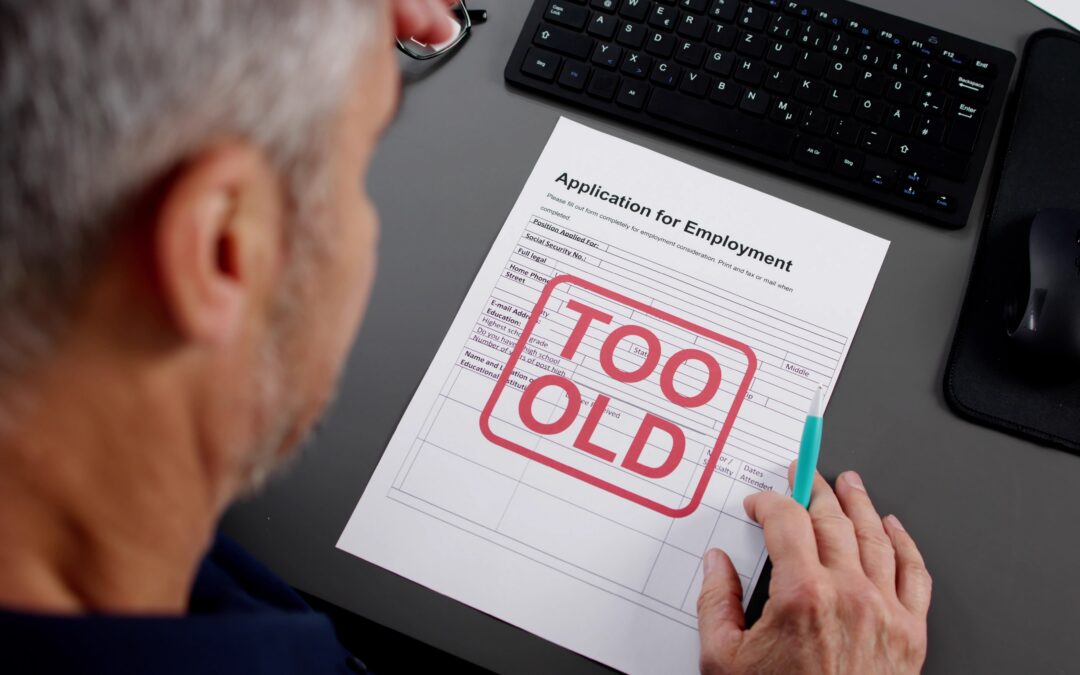
The changing nature of the workplace presents challenges and opportunities for older workers and employers.

Employers must balance and recognize strengths of employees’ general and firm-specific experiences.

How employers measure up on seven key elements of age-friendliness amid the multigenerational workforce.

Supporting an aging workforce is not about preparing people to leave; it is about preparing organizations to evolve.
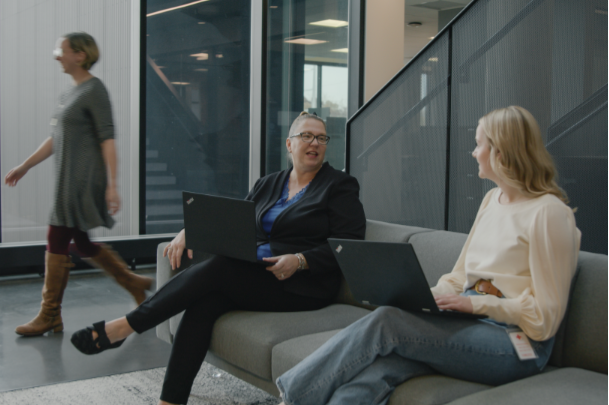
A Reverse Mentorship Program at Land O’Lakes helps employees connect across generations.

Generations Journal, vol. 50, no. 2 (Summer 2026)
The American workforce is undergoing an unprecedented transformation. The workforce actually is getting smaller as declining birth rates have reduced the number of younger people available for employment; at the same time, the workforce is getting older. Reaching...
Abstract At a time when the U.S. is more age diverse than ever before, Americans are extending their careers for financial stability, social connection, and purpose. This article provides a brief background on the history of aging and work, from the late 1800s to...
Abstract Despite persistently low unemployment rates, older workers continue to face widespread age discrimination in hiring, promotion, and workplace culture. This article examines the paradox of sustained employment alongside entrenched bias, drawing on recent...
Abstract After recognizing the changing age composition of their labor force, some employers have set out to learn about different management strategies that can be adopted in response to the challenges and opportunities of this unprecedented workforce transformation....
Abstract As Americans live longer, healthier lives, aging policy is at a crossroads. Multisector Plans on Aging (MPAs) have begun transforming how states address caregiving, health, and housing, but they largely overlook a critical component of well-being: work....
Abstract Although legal protections against age discrimination in employment have existed since the 1960s, age bias remains prevalent today in workplaces across America. In 2026, we are experiencing a profound change in the nature of work, driven by shifts in labor...
Abstract With age comes experience. This article focuses on two types of experience that older workers embody, general and firm-specific. General experience accumulates through time in the workforce across all employers while firm-specific experience accumulates...
Abstract A powerful megatrend is quietly reshaping the future of work: the age-friendly imperative. The U.S. workforce is growing older, which has major implications for employers and for the business practices and benefit offerings needed to attract and retain...
Abstract As public-sector employers face the realities of an aging workforce, Pitkin County government in Aspen, Colorado, chose to respond by listening first. Through employee focus groups and survey data, the county identified a growing need for flexible retirement...
Abstract Since 2022, Land O’Lakes has run a Reverse Mentorship Program in which newer employees take on the mentor role, while more experienced team members become the mentees. This gives early-career employees a chance to lead and grow their networks, while seasoned...
Abstract Older adults are the fastest‑growing segment of the U.S. workforce, bringing experience, stability, and mentorship at a time of persistent labor shortages. This article argues that employers must move beyond traditional retention strategies toward...
Abstract As the workforce ages and talent shortages persist, organizations face a misalignment between available talent and hiring strategies. This article reframes longer life expectancy as a strategic advantage, positioning experienced workers as an underleveraged...
Abstract Demographic change, technological transformation, and longer life expectancy are reshaping who works, for how long, and the skills required to remain economically engaged. Yet many of the institutions responsible for workforce development continue to operate...
Abstract As artificial intelligence becomes embedded in workplace tools, concerns persist that older workers may be left behind. Drawing on survey data from workers age 50 and older, employer surveys, and LinkedIn skills and learning data, this article examines how...
Abstract This article argues that strengthening America’s workforce requires greater investment in older adults, many of whom face interrupted careers, financial insecurity, caregiving responsibilities, and age discrimination despite their experience and desire to...
Abstract Many older people both want and need to work longer. But our society is deeply entrenched in ageist beliefs that devalue older workers. This article describes how philanthropy can play a critical role in catalyzing systems change by making focused investments...
Suggested citation for articles in this issue: [Last Name(s), First Name(s)]. “Article Title.” Generations Journal, vol. [#], no. [#] [season and year (ex. Fall 2024)]. [URL]
Generations Journal is the quarterly journal of the American Society on Aging. Each issue is devoted to bringing together the most useful and current knowledge about a specific topic in the field of aging, with emphasis on practice, research, and policy.