

I write this not as theory, but as lived experience.
I am a Black lesbian cisgender woman, a service-connected disabled Veteran, and I am aging in a world that often feels built against my survival. For me, permacrisis is not a news headline or an abstract political concept. It is the constant condition of navigating systems that were never designed for my safety, rest, or longevity.
Permacrisis lives in my body. It appears in the weight of daily tasks that others might take for granted. It shows up in medical forms that do not recognize my life, in housing systems that fail to acknowledge chosen family, and in institutions that treat support as conditional rather than humane.
Over the years, I have learned something difficult: Institutional care is often not designed to sustain people like me.
I have experienced firsthand the impacts of systemic harm and neglect. Over the 40 years I have been alive I have learned skills to navigate and survive within a racist system. Finding community and representation is life-sustaining for marginalized and oppressed communities: specifically aging Black lesbians.
Too often, institutional care arrives with conditions. Compliance in exchange for services. Silence in exchange for access. Gratitude in exchange for dignity. These systems can be transactional and extractive, asking marginalized people to bend themselves to institutional expectations rather than reshaping institutions to meet real human needs.
As I age, these realities become sharper. Aging already carries vulnerability. Aging while Black, lesbian, disabled, and a Veteran multiplies those risks.
Yet this article is not only about what is broken. It is about what has sustained me and what can sustain many of us.
That answer is collective care.
Not as a buzzword. Not as a theory debated in academic spaces. But as a lived practice that has carried me, and many others, through crisis and into community.
What Permacrisis Feels Like in an Aging Body
Permacrisis is not always dramatic. Often it is quiet.
It is the slow accumulation of stress that settles into the body after years of navigating racism, sexism, homophobia, ableism, and bureaucratic indifference. It is the fatigue of always needing to advocate for one’s dignity. It is the constant calculation of whether a system will recognize your humanity or require you to justify it.
For aging Black lesbians, permacrisis manifests in practical and deeply personal ways. Medical care can feel unsafe or dismissive. Housing can be unstable or unwelcoming. Financial systems rarely account for interrupted careers shaped by discrimination, caregiving responsibilities, or health challenges.
Even the basic promise that aging might bring rest can feel uncertain.
Permacrisis is the constant calculation of whether a system will recognize your humanity or require you to justify it.
Many of us spent our younger years organizing movements, supporting families, caring for friends through the HIV/AIDS crisis and breast cancer diagnoses, and advocating for civil rights. We built communities of resistance and survival. Yet when we reach the later stages of life, the systems designed to support elders often overlook us entirely.
The result is isolation.
Isolation is not only emotional. It is structural. When systems do not see you, they do not plan for you. And when they do not plan for you, survival becomes a personal burden rather than a collective responsibility.
For those of us aging within permacrisis, the question becomes urgent: Who holds us when institutions fail?
Discovering Collective Care
For me, the answer emerged through community.
I encountered collective care not as a philosophical idea but as a necessity. When institutions failed to protect me or meet my basic needs, I turned to relationships.
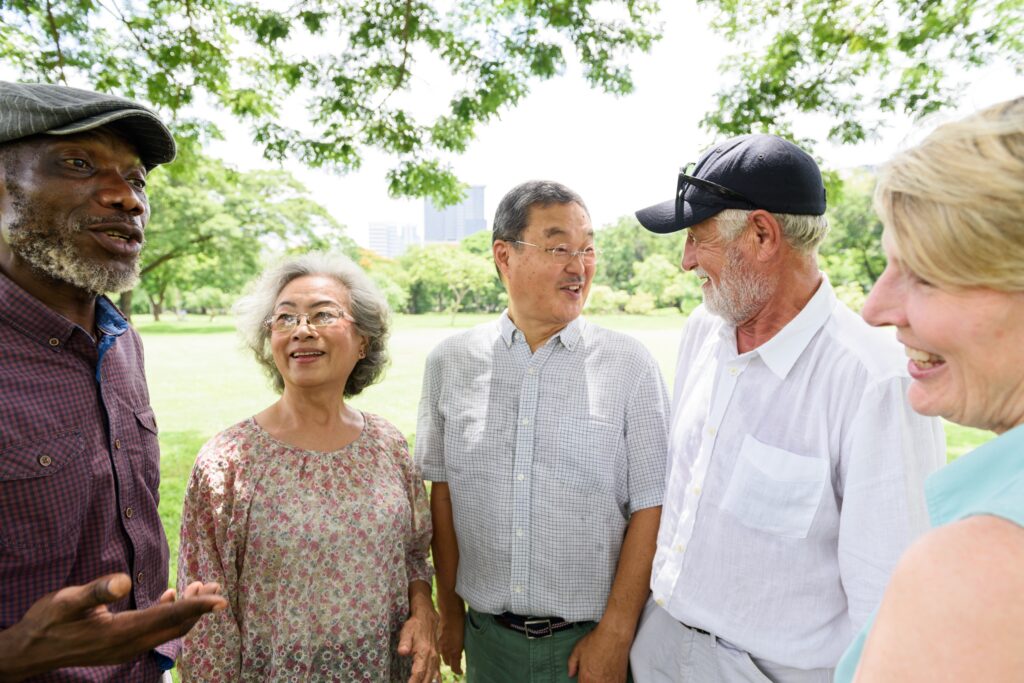
Like many people within Black, LGBTQ+, and disabled Veteran communities, I learned that survival often depends upon one another. We share information about safe doctors. We help each other navigate complicated benefits systems. We check in during mental health crises. We show up with food, transportation, or simply our presence when someone is struggling.
These acts may seem small on the surface, but they represent something profound.
Collective care is the recognition that individual survival is deeply connected to community survival.
For people living in permacrisis, collective care is not optional. It is the difference between isolation and belonging. It is what allows us to continue when survival is ongoing rather than episodic.
Finding Life Through ZAMI NOBLA
Within ZAMI NOBLA (National Organization of Black Lesbians on Aging), I experience a form of care that feels radically different from institutional models.
Here, care is not transactional.
No one is measuring worth through productivity or compliance. No one questions whether my identity fits within the space. Instead, there is a shared understanding that our lives and histories matter.
In this community, I am seen. I am believed. I am held.
Psychological safety and belonging are not abstract concepts in ZAMI NOBLA. They are daily practices. Conversations are grounded in shared history and shared struggle. We speak openly about aging, health, housing, grief, and survival.
Storytelling plays a central role. Our stories are not told simply for nostalgia. They are shared as guidance and testimony. Through them, we pass down lessons about survival, organizing, and love.
For many of us, ZAMI NOBLA is more than a support network. It is a life-sustaining community amid an ongoing crisis.
My life is sustained through collective care in practice—through community building, storytelling, outreach, and shared leadership. These practices are not charity. They are survival strategies developed by communities that have long been excluded from formal systems of care.
The Structural Gap in Aging Systems
Stepping back from personal experience reveals a broader structural problem.
Most aging services were designed around narrow assumptions. They assume heterosexual family structures. They assume stable careers with predictable retirement savings. They assume elders are comfortable disclosing their identities to providers.
These assumptions fail many aging Black lesbians.
Some of us cannot rely upon our biological family for support due to past rejection. Others face financial instability after decades of workplace discrimination. Many hesitate to enter elder care facilities where LGBTQ identities may not be respected or where residents feel pressure to hide their lives.
‘When knowledge flows across generations, communities become stronger and more resilient.’
For disabled Veterans like me, the situation can be even more complicated. Navigating both military and civilian care systems often requires managing multiple bureaucracies that rarely communicate with one another.
The result is a fragmented and exhausting landscape of services that places enormous responsibility on individuals who are already navigating the complexities of aging.
This approach is not sustainable.
If we want a future where aging Black lesbians can live with dignity, we must redesign how care operates.
Building Systems Rooted in Collective Care
The first step in reimagining this future is recognizing community-based collective care networks as essential infrastructure.
Organizations like ZAMI NOBLA demonstrate that collective care works. Yet these networks often operate with minimal funding, relying upon volunteer labor and limited resources. Public and philanthropic investment must expand support for community-led elder networks that provide peer connection, mental health support, and crisis response.
Mutual aid initiatives, transportation assistance, culturally grounded wellness programs, and peer support networks are not peripheral services. They are essential systems of care that reduce isolation and strengthen resilience.
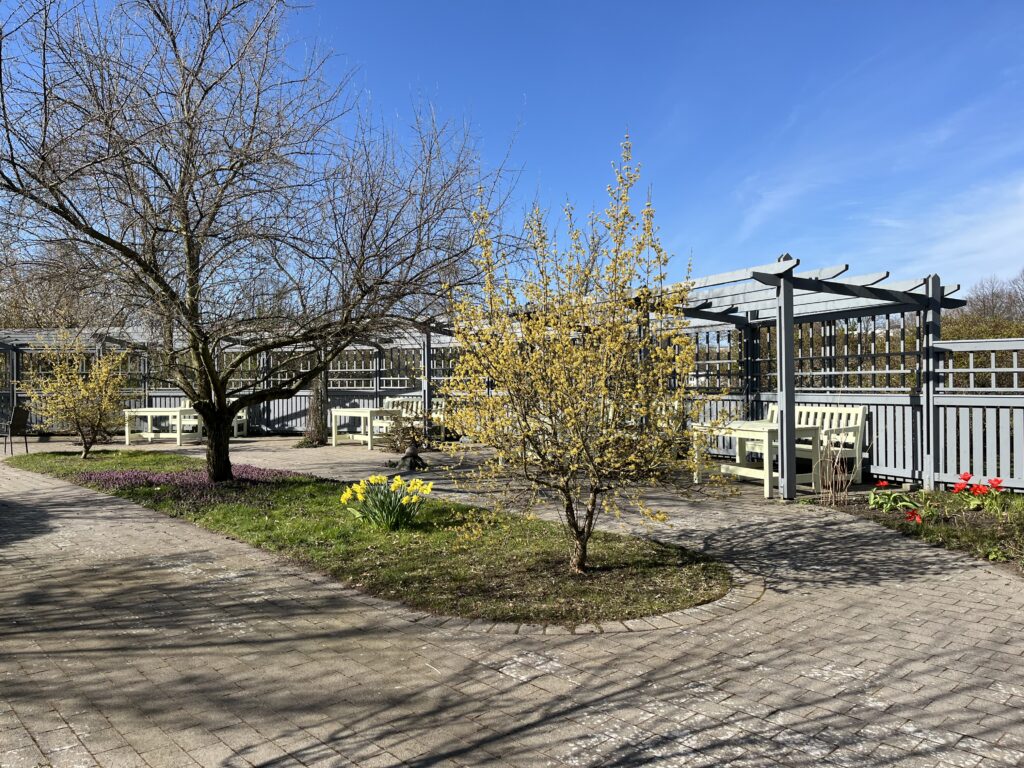
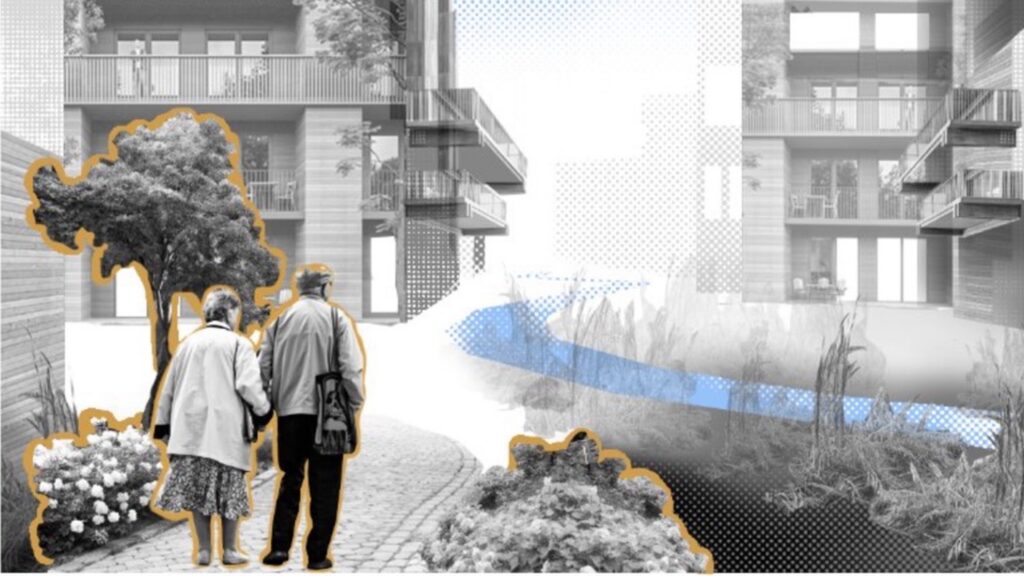
Housing also demands transformation. Many older Black lesbians fear entering traditional nursing homes or senior housing environments where discrimination remains a real possibility. Cities and states should invest in LGBTQ-affirming cooperative housing models that allow elders to live independently while remaining connected to the community.
These housing models could include affordable units, shared gathering spaces, on-site health services, and programming that supports cultural expression and storytelling. Most importantly, they must recognize chosen family structures so that partners and close friends can serve as caregivers and decision-makers.
Health systems also must evolve. Medical education should include training on LGBTQ aging, racial health disparities, disability awareness, and trauma-informed care. Intake forms and care protocols must acknowledge diverse family structures and identities.
Beyond institutional training, health systems should collaborate directly with community organizations such as ZAMI NOBLA to design outreach programs that build trust and improve accessibility.
Economic security remains another critical pillar of dignified aging. Strengthening Social Security protections, expanding housing subsidies for LGBTQ elders, and creating retirement savings opportunities for low-wage workers are essential policy steps. Cooperative business models led by Black LGBTQ communities also can provide economic stability while strengthening community networks.
Finally, intergenerational leadership must become a central component of collective care. Young Black lesbians benefit from mentorship and historical knowledge, while elders gain connection, technological support, and renewed purpose through engagement with younger generations. Organizations such as ZAMI NOBLA can facilitate these exchanges through storytelling projects, mentorship initiatives, and leadership development programs.
When knowledge flows across generations, communities become stronger and more resilient.
Reimagining Aging as Leadership
Too often, aging is framed as decline.
But for many Black lesbians, aging is also a form of resistance.
To grow older in a society that has frequently attempted to erase us is itself a powerful act. Each year lived represents resilience and determination.
Our experiences navigating racism, homophobia, sexism, racialized ageism, and ableism have equipped us with insights that younger generations urgently need. We understand how to organize under pressure and how to build community when resources are scarce.
A bold vision for the future recognizes aging Black lesbians not only as vulnerable populations but also as leaders.
Our stories serve as maps. Our survival strategies function as blueprints. Our communities offer living examples of collective care in practice.
The North Star: Collective Care as Infrastructure
If there is a guiding principle for the future we must build, it is this: care must move from charity to infrastructure.
Governments invest billions of dollars in roads, bridges, and physical development. Yet social infrastructure, the systems that sustain human well-being, often remains underfunded and undervalued.
Collective care must be recognized as essential infrastructure that sustains communities through crisis.
Investment in community organizations, mutual aid networks, culturally competent health services, and safe housing for marginalized elders is not optional. It is necessary.
When care is embedded in the structure of society, survival does not depend upon individual luck or personal resilience alone.
It becomes a shared responsibility.
Conclusion: Staying Alive Together
When I reflect upon my life, I understand that survival has rarely been an individual accomplishment.
I am here because people showed up.
Friends checked in when I was struggling. Community members shared resources when systems failed. Elders offered stories that helped me understand my place within a larger history.
ZAMI NOBLA represents that tradition of collective survival.
Within this community, care is not conditional or transactional. It is grounded in shared identity, shared struggle, and shared hope.
For aging Black lesbians living in permacrisis, collective care is not an abstract concept.
It is lifesaving.
The future we must build is one where this kind of care is no longer fragile or rare. It is supported, funded, and recognized as essential to community well-being.
A world where aging Black lesbians can live with safety, dignity, and belonging.
A world where none of us must face permacrisis alone.
Because when care becomes collective, survival becomes possible.
And when survival becomes shared, we can imagine something even greater: Not only staying alive, but aging, thriving, and leading together.
Jennifer M-F Horn, LCSW, NMCFIT, is board chair of ZAMI NOBLA (National Organization of Black Lesbians on Aging), in Atlanta, Ga.