
The people who policymakers design for today are the very people we likely will become

When Policy Meets the Lives It Shapes
read more
The people who policymakers design for today are the very people we likely will become

An excerpt from “Grandfamilies: Stories of Children and the Loving Relatives Who Raise Them.”

ASA launches Community Groups

Creating the #IAMACaregiver campaign

How ASA is thinking about the future of aging
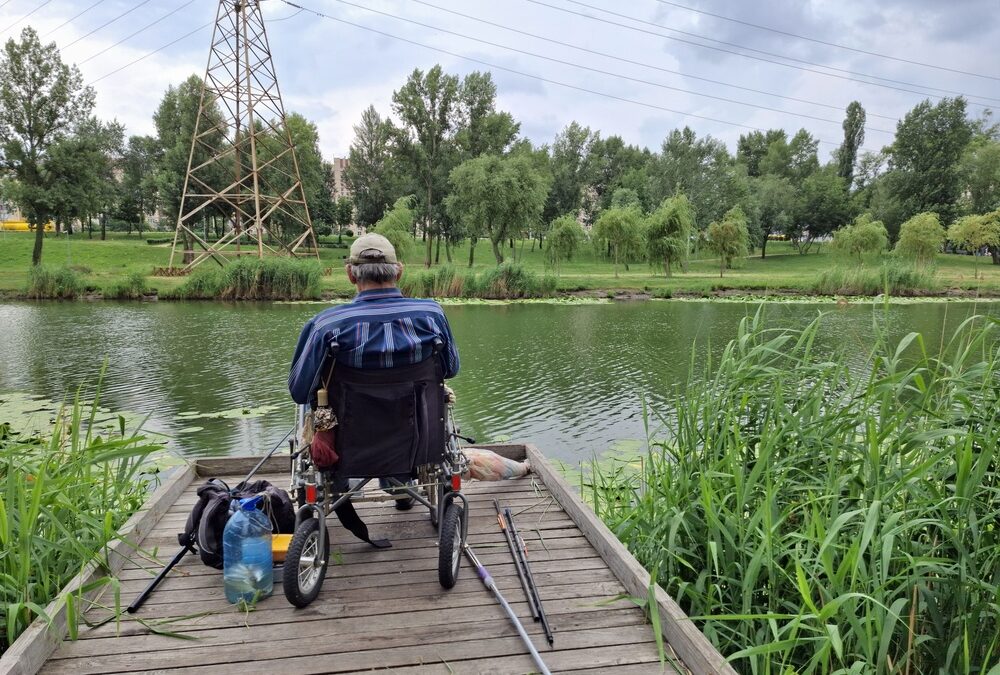
Four questions to consider when making policy decisions
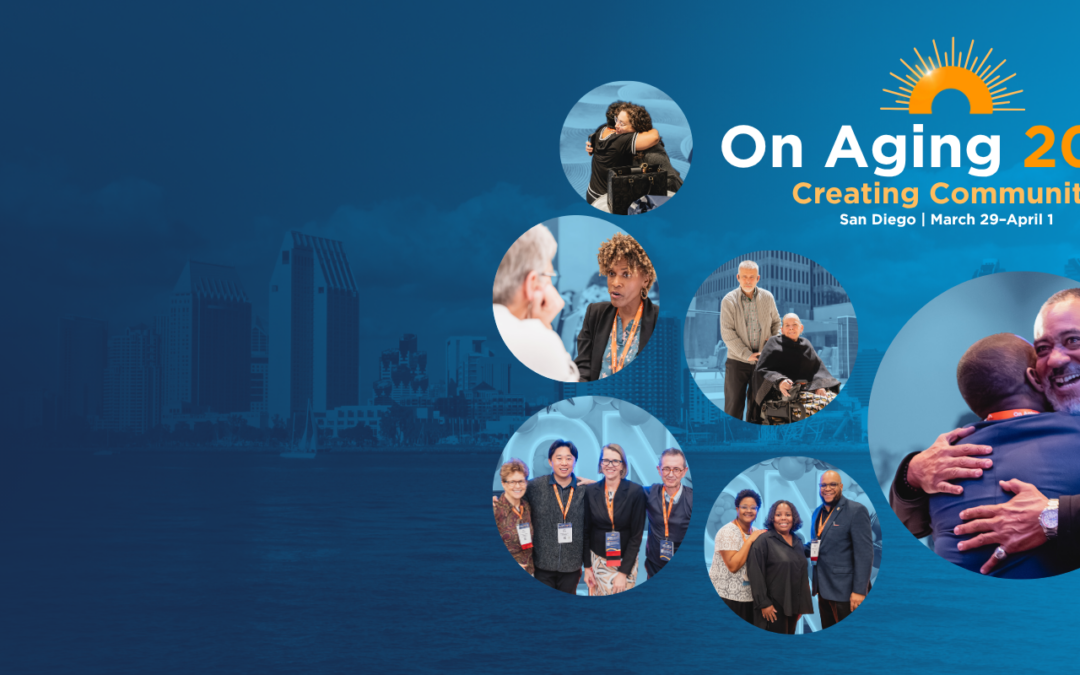
Letter from ASA’s Patrice Dickerson is an open invite to On Aging 2027: Creating Community conference

Letter from ASA President and CEO Leanne Clark-Shirley outlines six new groups

Organizations embracing artificial intelligence may risk overlooking the experienced professionals, residents, and advocates whose accumulated judgment can reveal what the data cannot
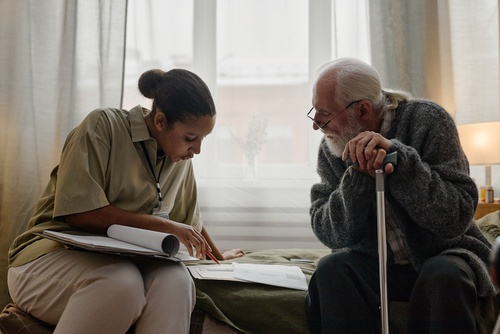
Four questions to decide if a care plan is feasible

Five steps to take to ensure artificial intelligence is not introducing errors or biases
Building on the theme of belonging, our 2027 conference seeks to intentionally gather together
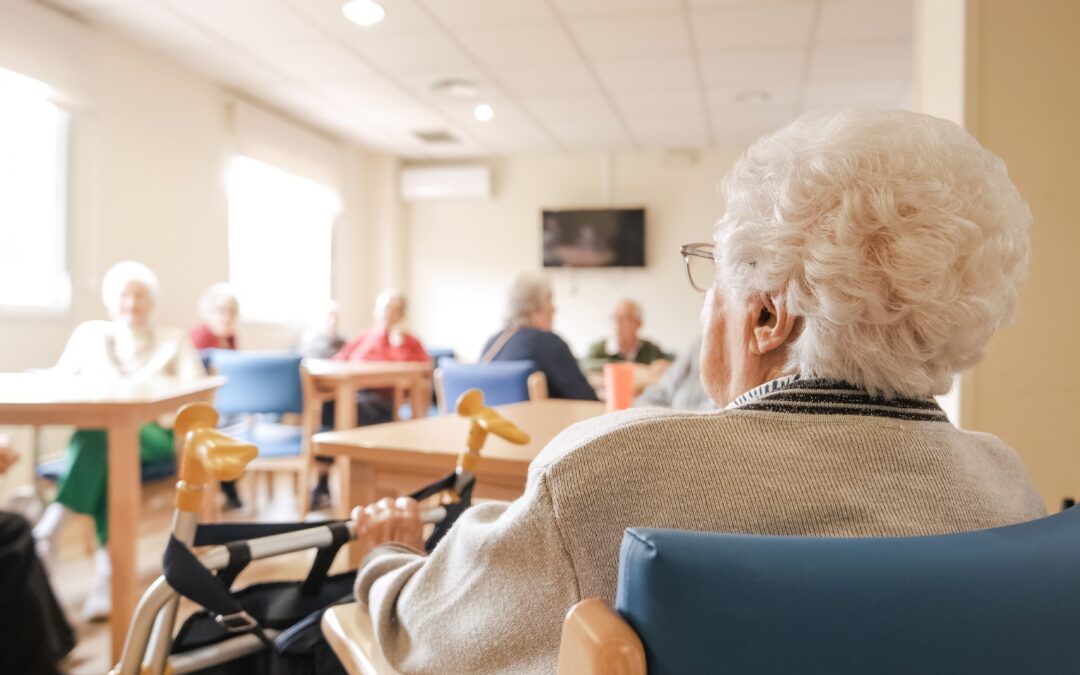
Occupancy in nursing care communities keeps increasing. Is that a sign of recovery or scarcity?
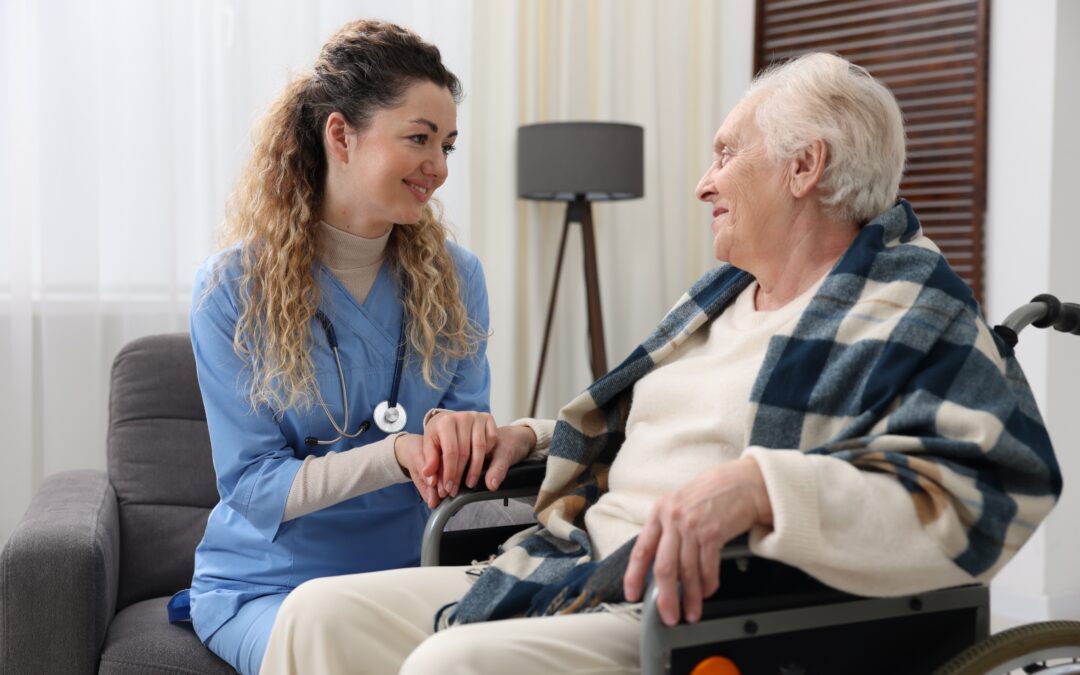
We measure tasks completed and minutes worked but not connections made and personal impact.

My drawing starts with Steely Dan as the line follows the rhythm.
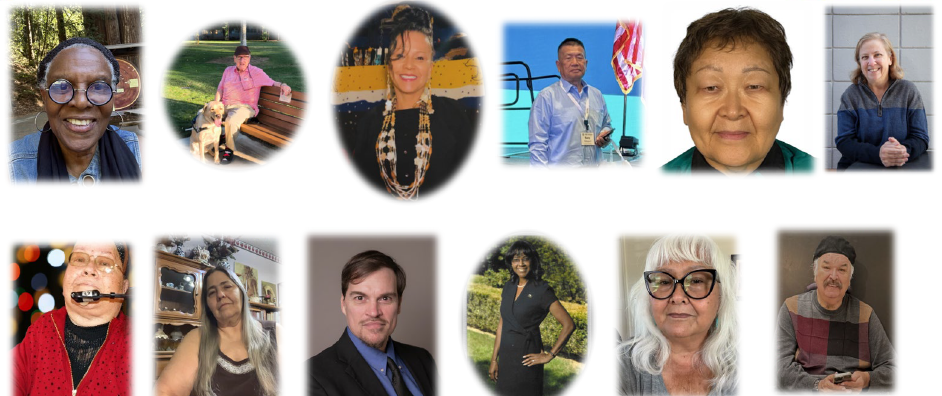
How the California’s Aging and Disability Lived Experience Advisory Board was created

Nursing homes structurally are total institutions

How being ‘too old’ destroys aging for millions.
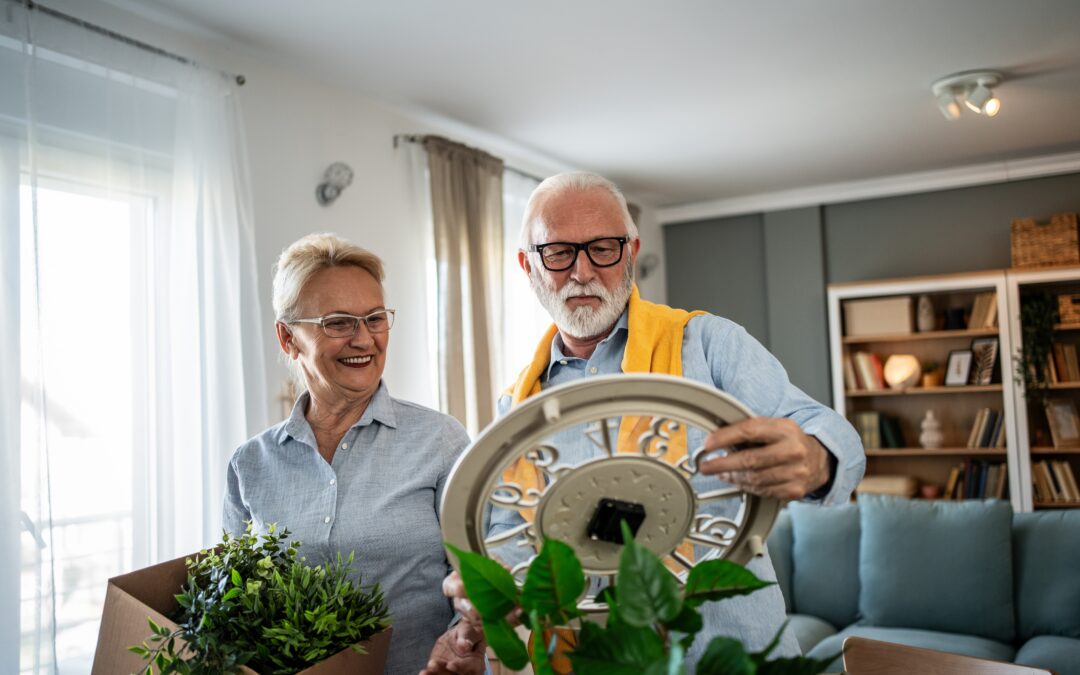
How to help older adults change residences and transition to a new home.

The intersecting trends of aging populations and increasing global temperatures require viable solutions.