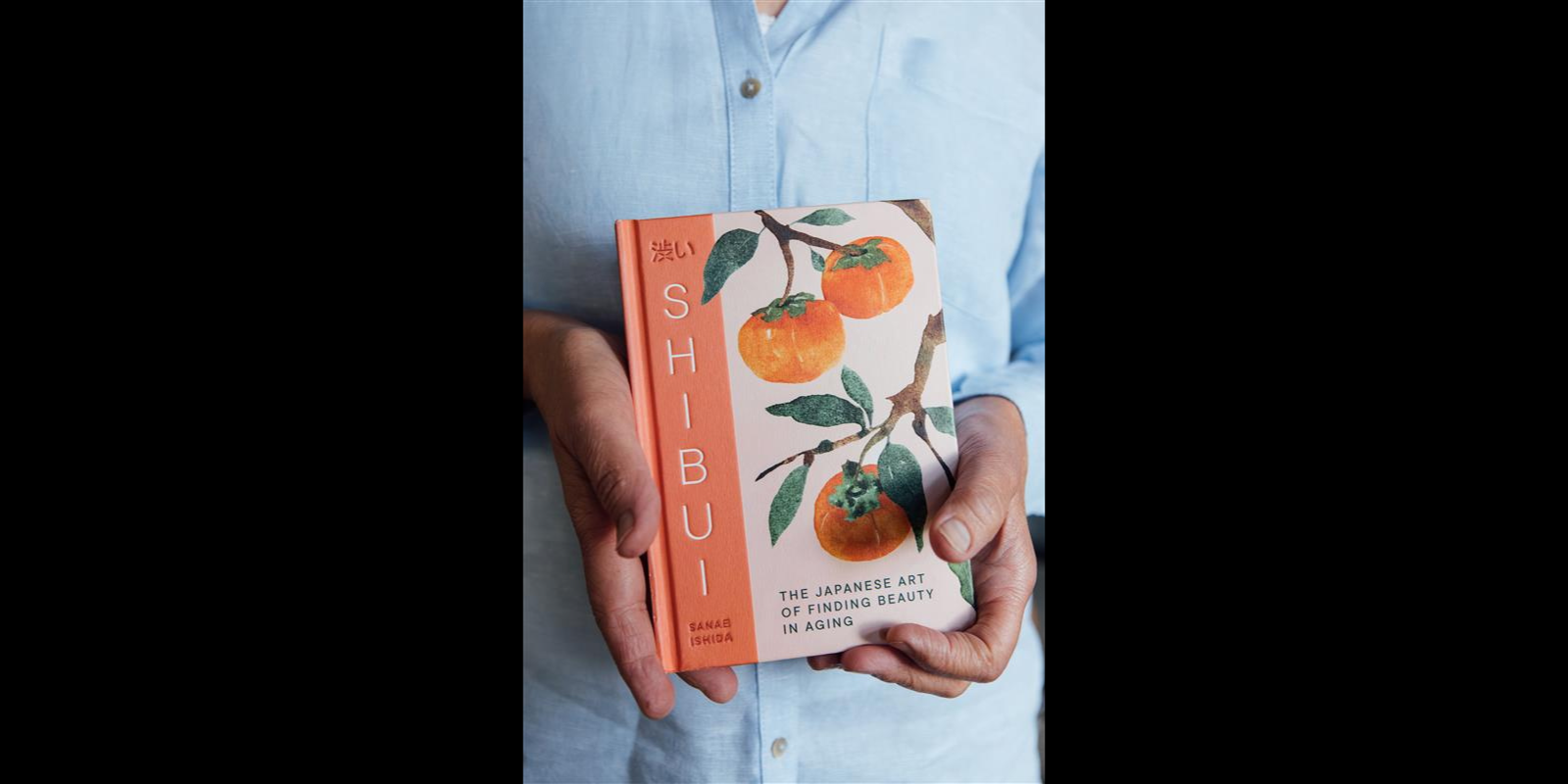

The below is excerpted from Shibui: The Japanese Art of Finding Beauty in Aging. Published by Sasquatch Books Nov. 4, 2025.
I think a lot about aging and death. Perhaps it’s my Japanese-American upbringing; my Tokyo-born mother constantly talked about dying from the time I could grasp language. It wasn’t as morbid as it sounds, although she regularly tossed out comments like, “I wonder how long I have to live,” or “I want to make sure I do x, y, and z before I die.” Death and mortality were a part of our daily conversations, simple facts to be acknowledged.
Growing up in Los Angeles, CA, I learned that the typical American regards the topic of death as quite the opposite. Here in the United States, I found that the “D word” was not to be mentioned, and any sign of advancing age felt taboo, especially in the neighborhood near Hollywood where I grew up. “I’m already saving up for Botox,” a grad school friend once told me. He was in his early 20s.
There are certainly aspects of contemporary Asian culture that promote obsessing over the maintenance of a youthful appearance for as long as possible too (K-beauty, anyone?). Alarmingly, I have heard that because of the omnipresent youth-worshipping messages on social media, preteens have been caught shoplifting anti-aging creams from Sephora! Urban myth or not, it’s not surprising; aging is treated as a serious problem.
I started dyeing my hair to cover the increasingly prominent gray strands when I turned 40, a little over 10 years ago now. Noticing my graying hair felt uncomfortable. At some point I had accepted that the fading color equaled old, which held a bad connotation. But why? When I closely observed the silvery gray roots, they looked lovely— sparkly and festive, like natural jewelry. Yet I covered the silver with a dark brown hue for 6 years until the high maintenance became too much. My pocketbook suffered, my pillowcases and towels got stained, and the hours at the salon added up and felt wasteful. On my 46th birthday, I decided to stop coloring my hair. Now at 54, my hair is about half-gray, and I love it.
This journey with my hair mirrors the essence of what I’ve come to understand as shibui aging— learning to appreciate the natural changes that come with time; finding beauty in authenticity rather than artificial preservation. We are meant to age.
‘Rather than fighting against time’s passage, we’ll discover how to appreciate the upsides.’
The Japanese adjective shibui is a nuanced term with many definitions but no exact English analogue. The noun form is shibumi or shibusa, and it describes a distinctly astringent and slightly bitter aftertaste commonly associated with biting into an unripe persimmon. As the persimmon ripens and matures, the bitterness lessens. It may not disappear entirely, but it’s no longer the dominant factor. The concept connects acrid unripeness with youth and sweetness and pleasure with maturity.
Shibui also conjures an image of a subtly sophisticated and mature object or person. Dr. Soetsu Yanagi, a Japanese philosopher, potter, and founder of the mingei folk art movement, popularized the term in the 1930s. He outlined seven elements of shibusa: simplicity, implicitness, naturalness, modesty, everydayness, imperfection, and silence. In essence Dr. Yanagi viewed the concept as the encapsulation of mindfulness.
The word carries a here-and-now awareness on the one hand and a well-worn yet timeless quality on the other— both of which are anchored in a profound appreciation for life. Shibui often applies to tangible things such as people, handmade crafts, art, garments, and architecture, but it is also used to describe the ineffable quality of an atmosphere or lifestyle.
I remember my mom using it synonymously with “cool,” as in James Dean cool or Audrey Hepburn charming. The word very much encompasses the sort of aging I want to undergo: mindful, simple, beautiful, and all- embracing. Shibui is a wholly accepting word. It is a paradoxical, non-dualistic, and multi-layered concept that doesn’t exist in English.
What does it mean to embrace a shibui attitude as we experience the progression of time? I have some thoughts guided by the ancient Eastern practices and teachings I absorbed through my Japanese heritage, balanced by the Western attitudes I’ve learned as a woman born and raised in the United States. The Japanese culture treats elders with immense respect and reverence, which is not something I see as often here in the United States.
But I also see value in the individualistic, expansive, and experimental characteristics often prioritized in the West. In this book I take a Western experimental attitude and apply it to a distinctly Japanese concept. Throughout the book, we’ll explore shibui aging through various lenses: beauty, health, purpose, wealth, connection, and ultimately, our relationship with mortality itself. Each chapter offers both cultural insights and approaches to welcoming this stage of life.
Rather than fighting against time’s passage, we’ll discover how to appreciate the upsides— the deepening wisdom, the liberation from others’ expectations, and the subtle beauty refined by maturity. I hope you enjoy this journey with me to find joy, wisdom, celebration— and yes, beauty—in aging.
On Beauty
Growing up in Los Angeles, I was surrounded by the pervasive idea that beauty is external, overlaid upon our hidden interior selves, something to be consumed from the material world—a skin-deep, one-dimensional view. I internalized an unspoken assumption that beauty is static and standardized, forever young.
Shibui, a concept from my Japanese heritage, offers a different perspective. While Western ideals often seek to overlay beauty upon us, shibui suggests that true beauty emerges from within, revealed and augmented by the passage of time.
Consider how a tree gains character with each passing year or how a well-loved leather bag softens and patinates. This is the essence of shibui: a harmony between the inner and outer self that deepens with age.
Just as the skin holds its shape in a balance of internal and external forces, shibui beauty arises from a similar interplay. It’s not just about appearance but how our inner landscape—our experiences, wisdom, and character—shapes our outer expression.
In my 20s, I worked at a nonprofit theater company housed in the Center for African and African American Culture. My bosses—both performing artists and a former couple turned business partners—were rapidly approaching conventional retirement age. He
showed up for meetings in snazzy, bold-hued zoot suits and tap-danced while playing the saxophone for his shows; she was a renowned actress and teacher of theater, guiding incarcerated women in telling their stories onstage. I couldn’t help but notice how ageless
and graceful they seemed despite the evidence of time marking their faces and bodies. Their combined experiences orchestrated elegant, heart-soaring performances that could only be described as shibui.
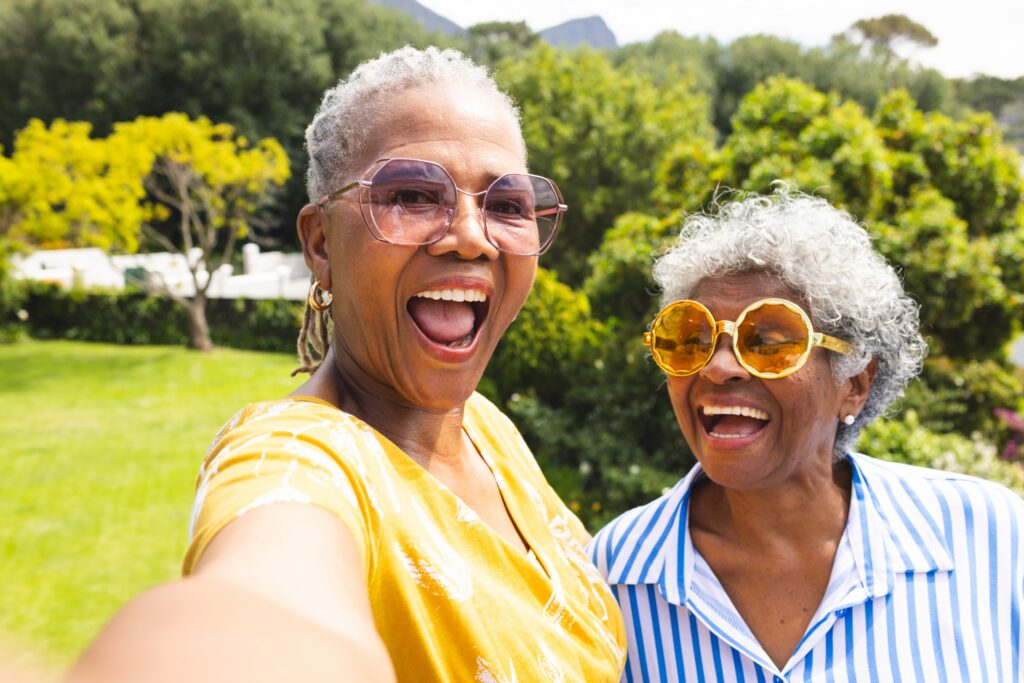
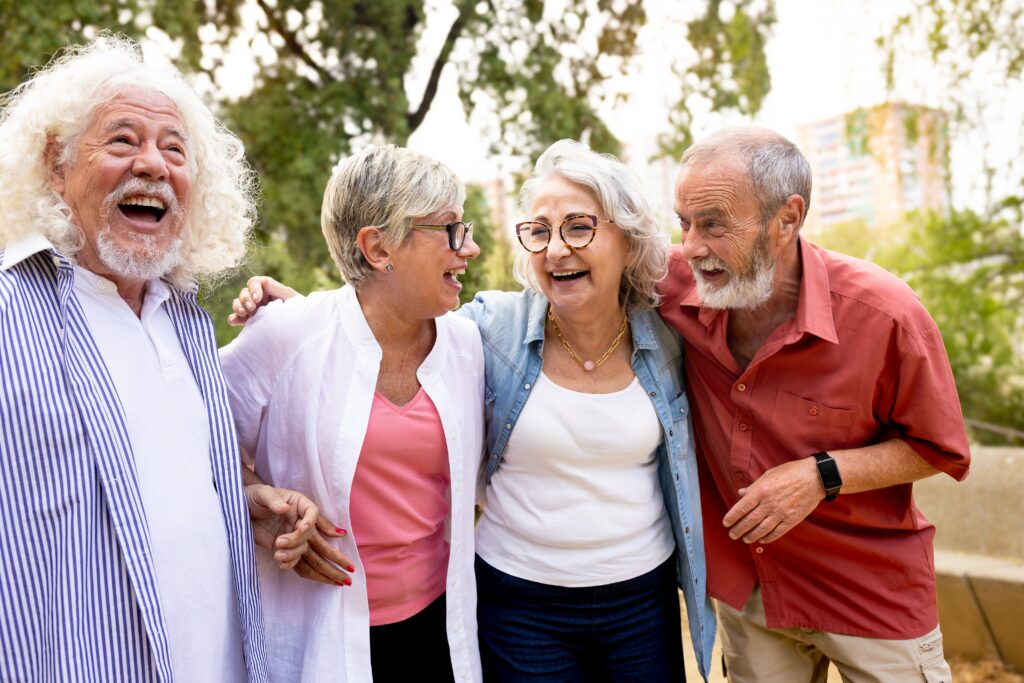
Shibui beauty transcends the material world. It’s in the way a grandparent’s eyes crinkle with joy, the unselfconscious full-throated laughter erupting from women of “a certain age,” the gentle hands of a lifelong gardener marked by sun and soil.
Imperfect Beauty
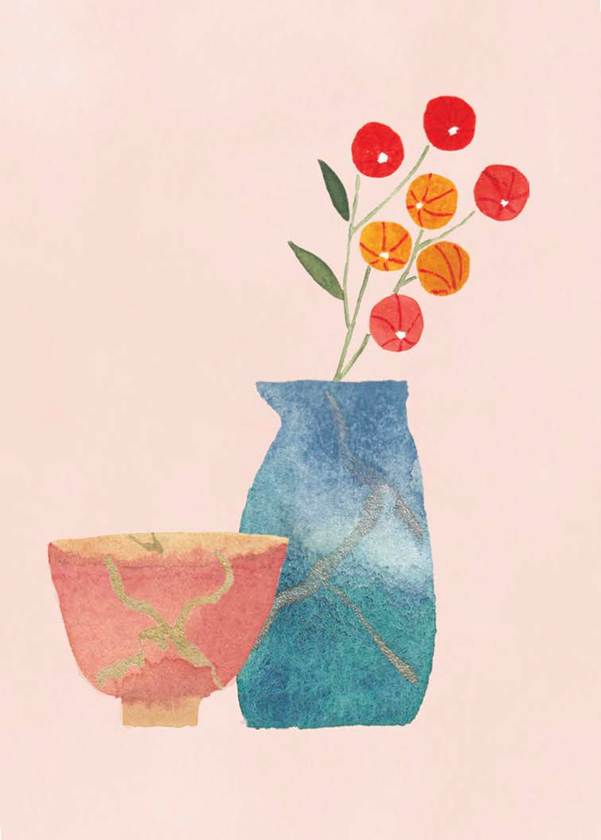
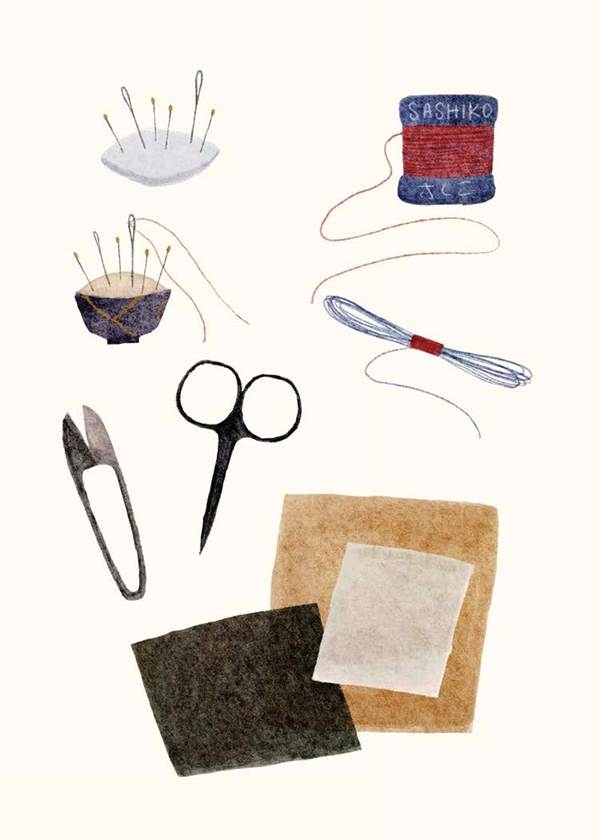
Japanese culture often tenderly accepts the aging of things. Crafts such as sashiko (embroidery), boro/tsugihagi (mending textiles), and kintsugi (mending broken pottery) focus on giving new life to broken or damaged items. Simple sashiko stitches transform torn and threadbare textiles. Boro and tsugihagi developed from patchworking sashiko-embroidered pieces. In the art of kintsugi, lustrous lacquer bonds and repairs broken pottery fragments, creating lovely designs born from the damage.
Wabi-sabi and shibui form part of an overarching ethos of celebrating so-called flaws and include these mending practices. Wabi- sabi is the Japanese idea of finding beauty in imperfection; shibui offers a similar viewpoint of appreciating beauty in maturity, simplicity, and subtlety. They are both slow by nature and encourage a deep awareness. They say, “Let’s not hide our worn, fragmented, imperfect selves. Instead let’s attend to the parts that can be mended and refined and make them even more exquisite.”
What would it look like to do that for our aging human selves?
Japanese Crafts
Kintsugi: An ancient Japanese technique for mending broken pottery using a natural lacquer sourced from urushi tree resin. Broken fragments are bonded together with urushi lacquer and flour, and then gold powder is buffed over the glued sections.
Sashiko: Estimated to have originated in the 16th century in Japanese fishing villages, sashiko began as a simple way of mending with running stitches. Daily labor was hard on precious fabric, requiring frequent mending. Over time, the running stitches created distinct patterns that evolved into the beloved embroidery craft.
Boro/Tsugihagi: Boro means tattered or repaired, and tsugihagi is a patchwork of scraps. Sashiko stitches frequently hold together and embellish boro and tsugihagi pieces.
Imagine if we approached our aging selves with the same tender acceptance as these Japanese crafts. What if we viewed our wrinkles as golden seams of kintsugi, each line a testament to our experiences and resilience? Our graying or thinning hair as the subtle, mindful stitches of sashiko, silver sparkles reflecting hard-won wisdom? Using these crafts as inspiration, we could fondly piece together the patchwork of our lives—the careers we’ve had, the roles we’ve played, the loves we’ve known. By treating ourselves with the same care and reverence as these cherished objects, we transform the “flaws” of aging into a meaningful panoply of lived experience.
Wrinkle Reading
Wrinkles, like shibui, speak in subtle implications. An aged face tells silent stories—such as a vintage window whose scuffs and scratches whisper of winter storms, harsh sunlight, children at play, and countless other moments, all written in the language of time.
I once stood in front of a giant palm-reading sign comparing my own palm lines to the ones depicted. I was disappointed that my success line was non-existent, but my longevity line looked promising.
Just as palm reading claims to reveal our futures, I’ve found that wrinkle reading offers insights into a person’s past and present. I’ve studied the faces of older people, and each tells a different life story.
‘A near century of mirth made them look like ancient Shar Pei dogs.’
The jovial bunch of senior citizens I tutored in Japan had faces covered with delicate epidermal latticework. They were jokesters, every one of them, and I loved seeing the well-worn grooves enveloping their chortling mugs. A near century of mirth made them look like ancient Shar Pei dogs.
Then there was that vivacious woman in a café. She was probably at least a decade older than me, and my first thought was, I want to be like her when I grow up! As she chatted with her friend, her crow’s feet winked from behind stylish glasses, and her ever-changing countenance created fascinating patterns of expression lines. A constantly shifting cartography of an engaged life. Her confidence lit up everything around her.
Through wrinkle reading, I’ve begun to pick up on the ones who have a merry outlook on life, the ones who have suffered immensely, the ones whose lines have calcified into an expression of rage, and even the ones who’ve been cosmetically altered. Once, in a West Hollywood grocery store, I brushed past a woman who’d had so much work done that she looked like the dreaded “after” photo of plastic surgeries gone wrong. It seemed that in her effort to banish all signs of aging, she’d lost some of her humanity.
As I trace the emerging lines on my own face, I see them through the lens of shibui. I view my forehead wrinkles as surprise lines rather than frown lines—or perhaps curiosity lines from insatiable inquisitiveness. I’ve grown to adore my crow’s feet that are evidence of laughter and a life fully lived. In embracing these changes, I’m discovering the deep, subtle beauty that only time can create.