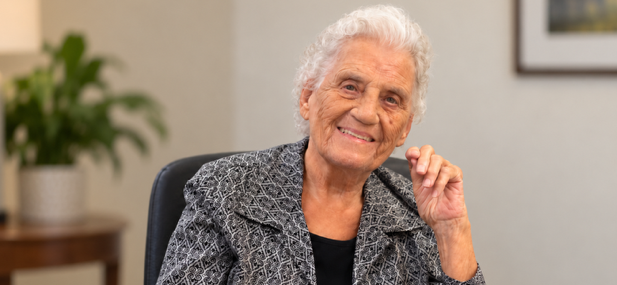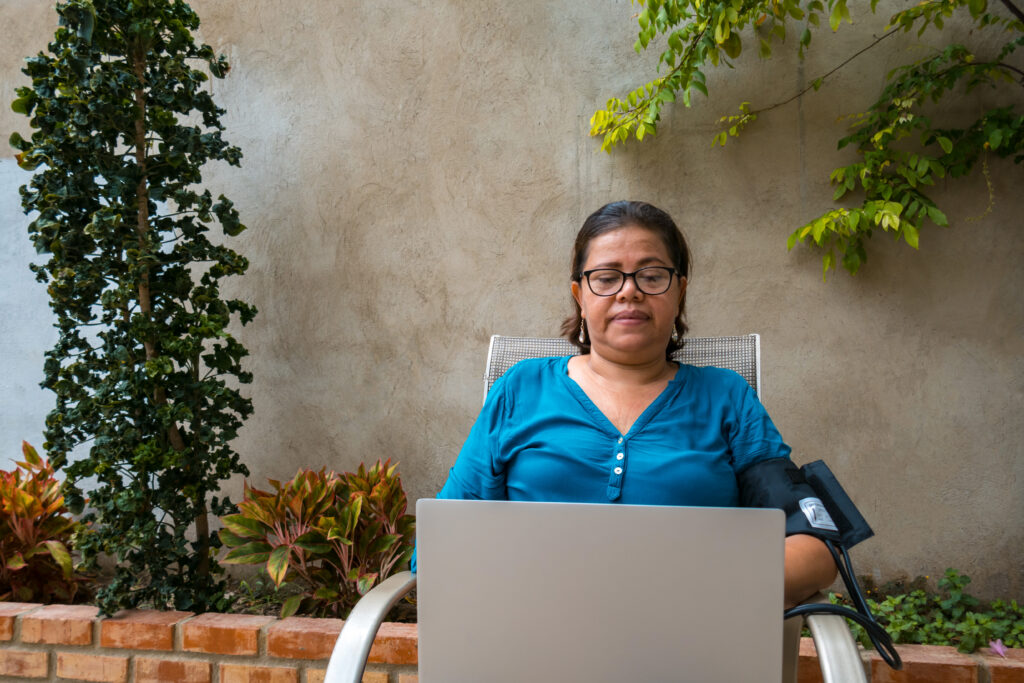


This weekend’s “Saturday Night Live” Sister skit satire is useful because it states the bargain outright. A family’s care needs are met with a woman’s time, savings, and career, and the arrangement is presented as her duty rather than a choice anyone made. The data bear that out. Women are the majority of unpaid family caregivers, they absorb most of the lost income, and they take on the most intimate and administrative work. When the costs of care fall on one group while the savings go to families and public budgets, “exploitation” is the accurate word, and the skit’s fake advertisement’s joke depends on the audience recognizing that.
The pattern starts with who is asked. Women make up roughly three in five of the 63 million Americans who now provide family care, according to AARP and the National Alliance for Caregiving. The default is a daughter or sister. Dementia researchers have said as much, and NPR reported that daughters are the most common support for a parent with dementia. Brothers and husbands are not absent from the ad’s family, but the ad’s laugh comes from how automatically the work lands on the woman.
Women are the majority of unpaid family caregivers, they absorb most of the lost income, and they take on the most intimate and administrative work.
The cost is paid in careers. Six in 10 family caregivers also hold paying jobs, and half of those workers report disruptions such as arriving late or leaving early. For caregivers of people with dementia, the exit is sharper: 17% quit their jobs either before or after taking on the role. The losses compound over a lifetime. AARP estimates that a typical working caregiver in one studied cohort will lose $120,500, a figure that applies to that group rather than all caregivers. Some families go into debt to keep a parent at home, with as many as 23% reportedly borrowing to pay for care.
The ad’s “thousands a week” is in the right range, and that is the point. The 2025 national median for non-medical in-home care was $35 an hour. Running that around the clock is about $5,880 a week. The paid alternative is no cheaper. The national median for a private nursing home room was $129,575 a year. Insurance does not close the gap, because Medicare generally does not pay for ongoing live-in custodial care. A family without savings is left with the unpaid option, and that option is most often a woman.
The work itself is more than a single task. In a 2013 Pew survey, 39% of caregivers managed medications for a loved one. A 2018 University of Michigan study found that nearly half had talked with their loved one about medication side effects, and about one-third said providers were unwilling to share information with them. The caregiver becomes the intermediary between the patient and a system that does not recognize her role. The ad’s “speak to human” line captures that experience of being routed from one office to the next.
Paid family leave, respite services, and financial support for caregivers would reduce the penalty women pay for doing what the family and the country depend on.
The intimate work is where the exploitation is least visible. Most caregiving is errands and paperwork, but a smaller, though still significant, share is hands-on personal care, according to a survey summarized by Deseret News. The ad’s bathroom joke works because it names what families quietly expect a woman to do and would rather not do themselves.
A policy response has to put a price on the work or share its cost. Paid family leave, respite services, and financial support for caregivers would reduce the penalty women pay for doing what the family and the country depend on. AARP’s own call for expanding paid leave and respite services points in that direction. Until that happens, the ad’s closing line stays the most honest one in the transcript: “Sister, from the makers of you.” The product is a woman, and the company is every family and public system that assumed she would show up.
James A. Lomastro, PhD, has more than 40 years’ experience as a senior administrator in healthcare, human services, behavioral health, and home- and community-based services. He was a surveyor at the Commission on Accreditation of Rehabilitation Facilities surveying throughout the United States and Canada. Lomastro is a member of the Coordinating Committee of Dignity Alliance Massachusetts.
Photo credit: Shutterstock/New Africa