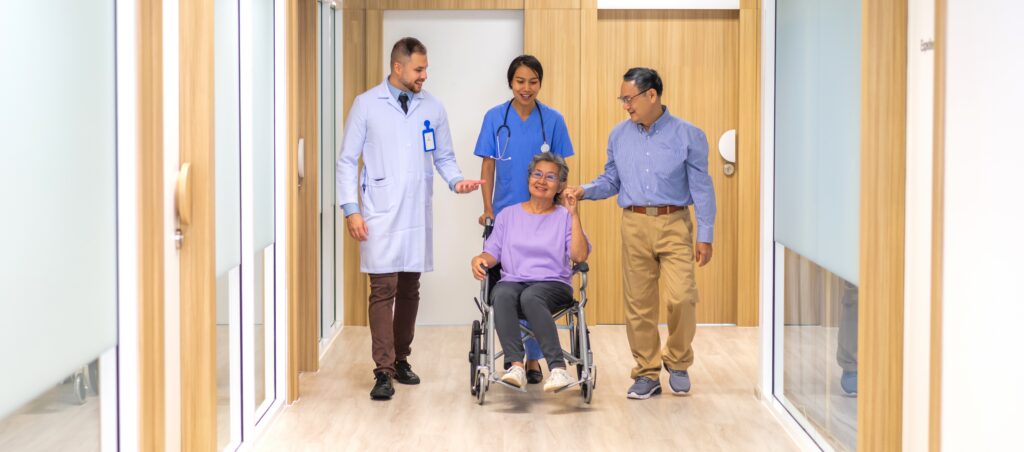
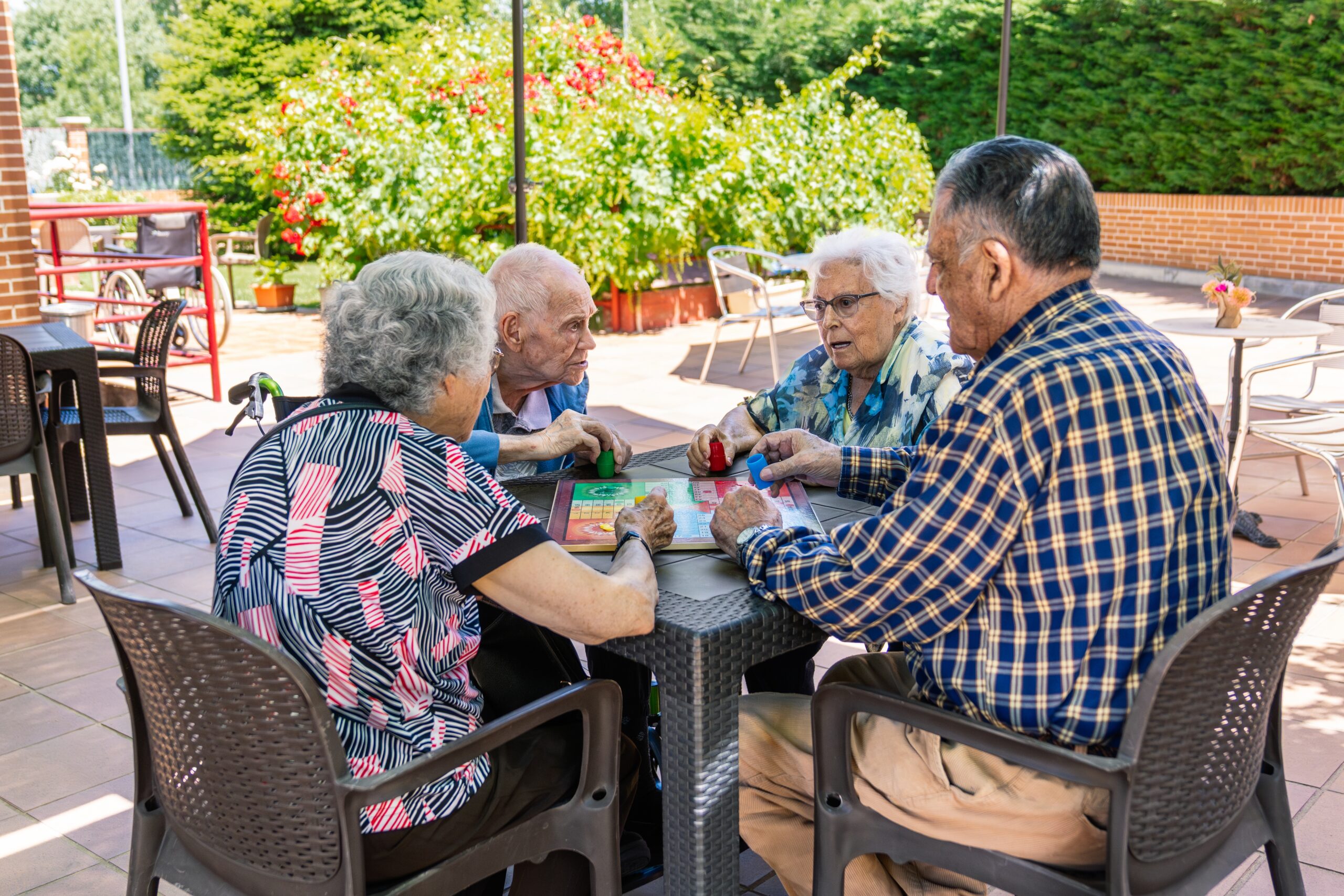

Consider a fictional older adult named Elena. After rehabilitation following hospitalization, she can walk down the hallway with a walker, rise from a chair, and manage the steps practiced in therapy. Her daughter has received instructions. Equipment has been ordered. The discharge destination is home.
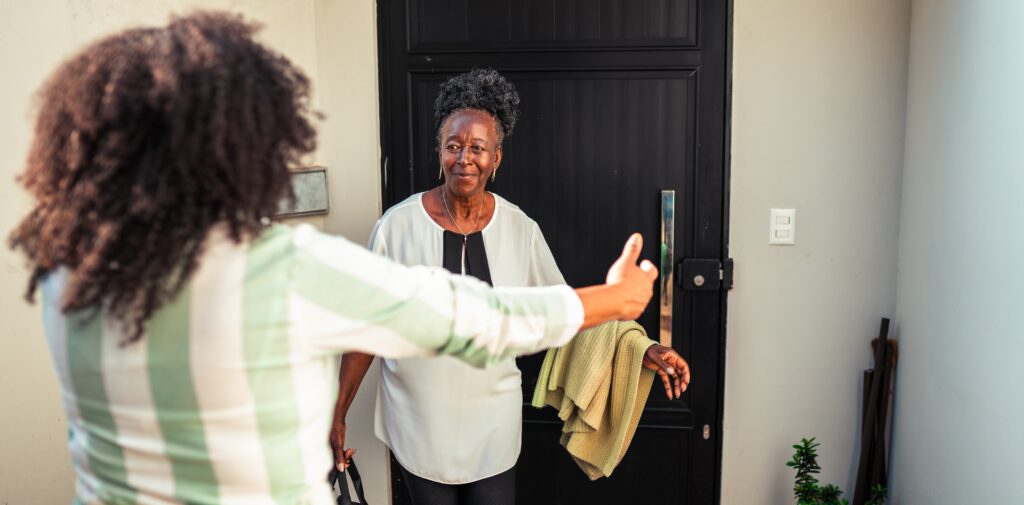
Three weeks later, Elena has not returned to lunch with friends. Her daughter works during the lunch hours. The transportation service requires Elena to reach the curb independently. Her front steps have no railing. By the time she gets dressed and negotiates the entrance, she is tired. Each obstacle appears manageable. Together, they keep her home.
Her discharge address is correct. Her connection to community remains interrupted.
As a physical therapist and rehabilitation leader in skilled nursing, I approach recovery through the relationship between clinical progress and everyday function. Elena’s situation illustrates why that relationship deserves attention beyond the facility door.
As the American Society on Aging prepares for On Aging 2027’s “Creating Community” theme, discharge planning offers a place to begin. Returning home is a milestone. But home can become a smaller world when the people, places, and routines beyond it remain inaccessible.
The Distance Our Measures
Rehabilitation assessments describe strength, balance, assistance needs, and walking capacity. They inform decisions and communicate progress. Yet performance in a controlled setting cannot describe every demand of everyday participation.
A hallway has flooring. A community outing may involve an uneven sidewalk, a heavy door, a crowded entrance, and nowhere to sit. Walking to an activity is also only part of the task. Someone must have enough energy, support, and confidence to participate and return.
The question becomes: What must happen for this person to reach something that matters?
That question changes the unit of planning from a completed exercise or measured distance to an actual journey. It also exposes responsibilities that sit between organizations rather than neatly inside any single service.
The World Health Organization’s 2025 Commission on Social Connection report estimates that social isolation affects up to one in three older adults globally, while acknowledging limitations in available data. Social isolation concerns a lack of social contact; loneliness is the distress of feeling that one’s connections are insufficient. They are related, but distinct.
An unsuccessful outing does not establish either condition. Nor does community attendance guarantee belonging. The point is narrower: mobility and service barriers can obstruct relationships an older adult wants to maintain.
Early in care, ask which person, place, or routine the older adult most wants to reconnect with. Avoid assuming that everyone wants a senior center, a group class, or the same version of an active life. The destination might be a friend’s kitchen, a library, a faith gathering, or a grandchild’s school event.
For rehabilitation leaders, this makes participation a practical concern rather than an optional aspiration. A person may make meaningful clinical gains while remaining unable to resume a valued role. If we never ask about that role, our account of recovery stays incomplete.
Early in care, ask which person, place, or routine the older adult most wants to reconnect with. Avoid assuming that everyone wants a senior center, a group class, or the same version of an active life. The destination might be a friend’s kitchen, a library, a faith gathering, or a grandchild’s school event.
Then make the journey specific. How will the person leave the home, reach transportation, enter the destination, use the restroom, rest, and return? What equipment and assistance are needed? Which demands can rehabilitation address, and which require changes in the environment or support system? Another hallway walk would reveal little about the missing railing or the curbside pickup requirement. Planning around her lunch would bring those barriers into view before discharge.
This approach should inform individualized care, not create a new condition someone must satisfy before being allowed home. Participation goals must reflect the person’s choices and realistic clinical needs.
Make the Handoff More Than a Referral
Community reconnection depends on details that a list of telephone numbers cannot settle. Does transportation provide assistance from the doorway, or only from the curb? Can a caregiver help at the actual time needed? Is the destination accessible with the recommended device?
With the older adult’s consent, rehabilitation teams can communicate assistance and equipment needs. Discharge planners can confirm service arrangements and identify unresolved barriers. Transportation providers can clarify pickup requirements. Community partners can explain access at the destination. A named contact and agreed next step connect these contributions.
Caregiver willingness also should not be mistaken for unlimited capacity. Someone may understand instructions yet lack the time, physical ability, or resources to provide the assistance imagined by the plan. Those constraints deserve explicit discussion.
Organizational leaders can make these connections routine by establishing local partnerships and assigning responsibility for unresolved barriers. Collaboration becomes useful when people know who will do what next.
Before discharge, identify which team or community partner will follow up. That conversation can ask: Has the older adult resumed the activity they identified as meaningful?
Before discharge, identify which team or community partner will follow up. That conversation can ask: Has the older adult resumed the activity they identified as meaningful?
If the answer is no, ask why. Pain, fatigue, fear, inaccessible transportation, changed preferences, or a caregiver’s schedule call for different responses. The answer should guide problem-solving rather than become another score that penalizes patients or providers.
Programs could begin modestly, following a small group of consenting participants and recording whether a chosen activity resumed, what prevented it, and which partner could help. Such information would complement clinical outcomes without claiming that one organization controls community participation.
This is a service design challenge for aging services leaders. A transportation booking, a therapy recommendation, and a community invitation can each be complete while the journey remains impossible. Examining the transitions between services can reveal where responsibility needs clarification.
As aging professionals consider what it means to create community, rehabilitation offers a concrete starting point: plan for reconnection while recovery is still underway.
The next discharge meeting can ask about one meaningful destination, examine the full journey, and identify who will help resolve its barriers. The next follow-up can ask whether that journey happened.
A discharge address tells us where someone went. A fuller understanding of recovery asks whether they can reach the life they hoped to return to.
Pradeepika Samagh is a physical therapist and rehabilitation director whose work focuses on older adults in skilled nursing settings. She brings a clinical and operational perspective to improving everyday function, preparing caregivers, and helping older adults return home.
Arjun Dutt is a physical therapist and Rehabilitation Director whose professional interests include geriatric rehabilitation, functional independence, and continuity of care. He is particularly interested in how rehabilitation can help older adults return to meaningful routines and community life.
Author note: Elena is fictional and illustrates potential barriers; this is not an actual patient case.
Photo credit: Shutterstock/Koldo_Studio