
Editor’s Note: The John A. Hartford Foundation is collaborating with ASA RISE to advance equity through a series of blog posts in support of the development and dissemination of equity-related, partnership-based thought leadership through ASA’s Generation platform. This blog post is part of that series.
Rosalynn Carter famously said, “There are only four kinds of people in the world: those who have been caregivers, those who are currently caregivers, those who will be caregivers, and those who will need caregivers.” Yet many people providing daily care do not recognize themselves as caregivers.
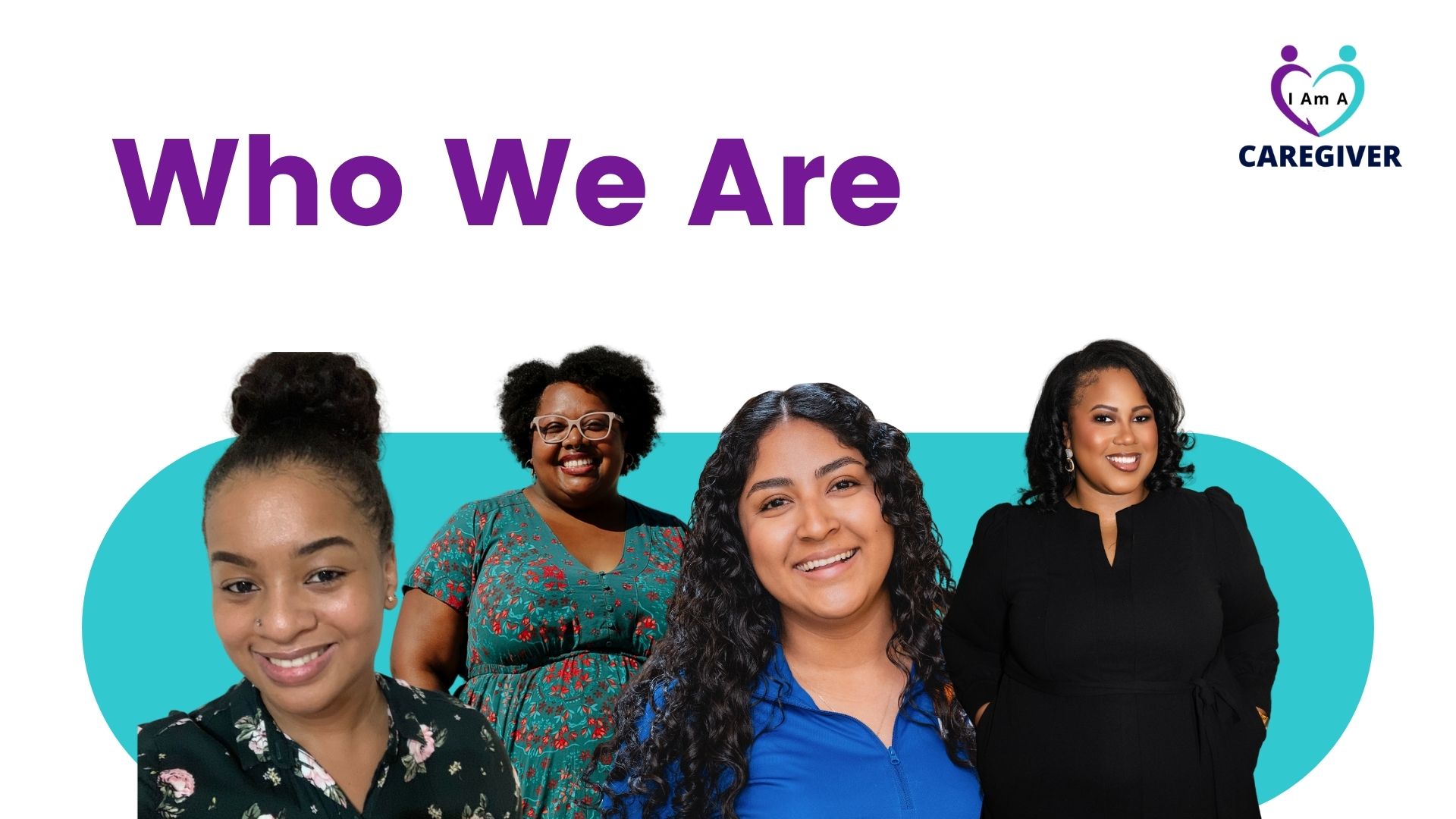
Through the RISE Program, the four of us—each with a connection to family caregiving—came together around a simple but powerful question: What if you’re a caregiver but don’t know you’re a caregiver? This question became the foundation for #IAMACaregiver, a campaign to help make the invisible caregiving workforce visible.
More Caregivers Than We Realize
In 2025, AARP and the National Alliance for Caregiving reported an estimated 63 million people provided unpaid family care, a 50% increase since 2015. Most cared for an older adult who needed assistance, followed by those living with Alzheimer’s disease or another form of dementia. Mobility limitations and cancer were also among the most common caregiving situations.
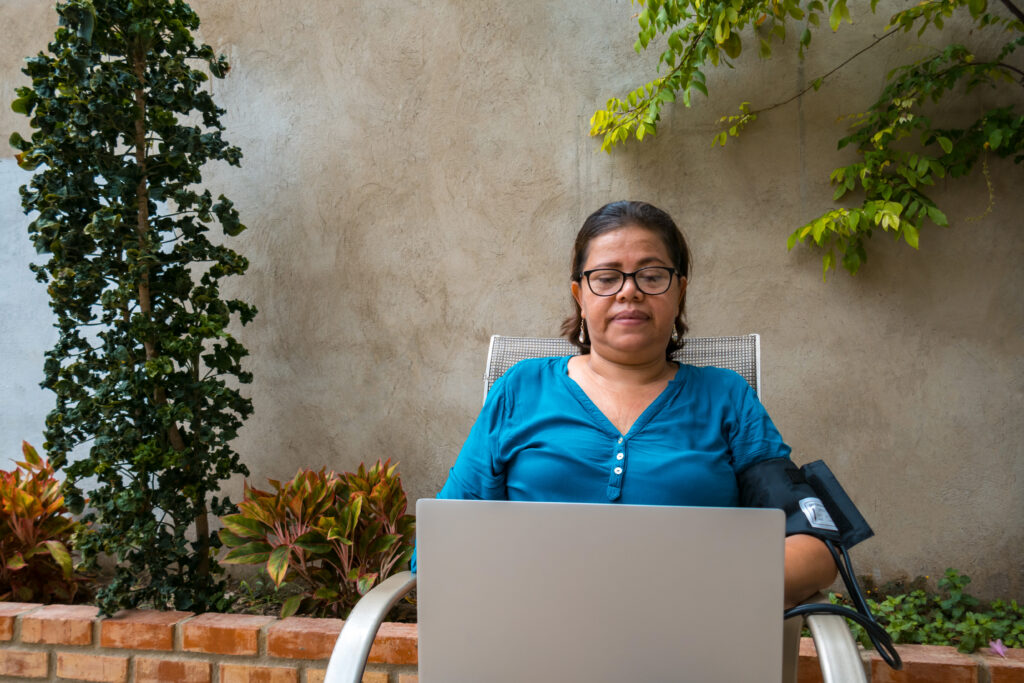
Family caregivers are often described as an “invisible workforce” because their contributions frequently go unrecognized by healthcare systems, employers, and policymakers. However, some caregivers remain invisible even to themselves. We use the term “invisible caregivers” to describe people who regularly provide care to someone but don’t identify themselves as caregivers. These are the caregivers #IAMACaregiver seeks to reach.
Before Support Comes Recognition
Why might someone not identify as a caregiver?
For some, the label can feel risky. Caregivers may worry that disclosing their responsibilities could affect career opportunities or workplace perceptions. Youth caregivers may fear stigma, unwanted intervention from authorities, or being treated differently by peers.
When people don’t recognize themselves as caregivers, they may also be less likely to seek support.
Others simply don’t see themselves in the label. Many associate caregiver with a paid professional, such as a home health aide. Others understand their role primarily through their relationship—as a spouse, son, daughter, sibling, or friend who is simply “helping.” Gender expectations can also shape how caregiving is understood. Women may view caregiving responsibilities as an expected part of family life rather than a distinct role, while men may be less likely to identify with the caregiver label.
When people don’t recognize themselves as caregivers, they may also be less likely to seek support. This can mean missed opportunities to access respite and community-based services, request workplace accommodations or leave, or pursue financial assistance and tax benefits. Over time, delayed support can contribute to financial strain, caregiver stress, and burnout, consequences that extend beyond individual families to become a public health concern.
An Equity Lens: Who’s Left Behind?
We came to the RISE Program already recognizing that caregiving support is not equitably accessible. A deeper systems analysis reaffirmed that caregiver invisibility is not randomly distributed. These inequities are reflected in documented differences in caregiving experiences, including the number of hours spent caring and access to caregiving knowledge and resources, particularly among those caring for people with conditions such as dementia.
Youth and sandwich-generation caregivers, as well as historically excluded communities such as Black and Latino families and immigrant families, can face distinct barriers to recognition and support. For some, caregiving is embedded so deeply within family and cultural expectations that it’s rarely named. For others, concerns about stigma, immigration status, juggling multiple jobs, or interactions with formal systems may make disclosure feel risky.
These differences matter. If we only reach people who already identify as caregivers, we risk designing systems around those who are easiest to see while leaving others behind.
More Than a Hashtag: The #IAMACaregiver Campaign
Our approach begins with a simple step: helping people recognize that what they are doing is caregiving.
Naming the role creates an entry point to education, support, and resources. We began by developing a brief self-assessment tool that defines caregiving and asks 10 scored yes/no questions about common caregiving responsibilities, such as helping with daily activities, managing medications or appointments, providing transportation, and assisting with decision-making and emotional support. Individuals receive an interpretation of their score. Existing evidence-based caregiver screening tools primarily assess burden, stress, strain, and support needs, often assuming that individuals already identify as caregivers. Our tool takes a different approach, offering a quick pathway to recognition that helps people understand their caregiving role and why it matters.
“The hardest part has never been the labor—it has been the loneliness of doing it invisibly.”
But identification is only the first step. The next question was: how do we reach them?
We took a modern approach by turning to social media, where many people build community, explore identity, and seek information and support. Through our #IAMACaregiver Instagram account, individuals can access the assessment and a step-by-step guide to navigating resources, including how to use the Eldercare Locator to identify local services.
The hashtag itself creates another entry point. Through polls, reels, quotes, discussion prompts, and a 15-day content calendar, we invite people to explore what caregiving looks like in everyday life, connect with others who may not yet identify as caregivers, and begin building a shared community around a recognition: #IAMACaregiver.
As Jessica Guthrie, one of our group members, reflects from her experience caring for her mother for 12 years: “Family caregivers, especially younger ones, aren’t searching for support in clinical waiting rooms or policy briefs; they are searching for it at midnight on their phones, often without a name for what they are carrying.”
She continues, “The hardest part has never been the labor—it has been the loneliness of doing it invisibly.”
Guthrie’s experience reinforces why #IAMACaregiver matters: We must meet caregivers where they are and help them move from invisibility to recognition, community, and support. Our challenge to aging professionals, healthcare providers, community organizations, and advocates is simple: Ask. Affirm. Connect. Ask people about the care they provide. Affirm that their role makes them a caregiver. Connect them to resources that can help.
Join the #IAMACaregiver campaign by following @are.you.a.caregiver on Instagram.
Karah Alexander, Ph.D., is a Robert L. Kane Postdoctoral Fellow in aging, dementia, and long-term care at the University of Minnesota School of Public Health. Her community-engaged research focuses on implementing community-based brain health screening and promoting equitable access to timely dementia diagnosis among Black older adults and developing psychoeducational programs for dementia caregivers.
Tiffany M. Favers is a social worker living in Chicago, Illinois. She works at a local area agency on aging and has a passion for caregiver support services and helping caregivers find the necessary resources and support as they advance in their caregiving journey.
Andrea Garcia is the Director of Programs, Home Care at the Center for Caregiver Advancement (CCA) in Southern California, where she leads the design, implementation, and evaluation of training programs for In-Home Supportive Services (IHSS) caregivers.
Jessica C. Guthrie, M.Ed, is the Founder and CEO of Jessica C. Guthrie Caregiving Consultancy where she draws on over 12 years of experience as a family caregiver for her mother living with Alzheimer’s disease to help companies, brands, and healthcare organizations support family caregivers.