How employers measure up on seven key elements of age-friendliness amid the multigenerational workforce.

Are Today’s Employers Age Friendly? A Report Card
read more
How employers measure up on seven key elements of age-friendliness amid the multigenerational workforce.

Supporting an aging workforce is not about preparing people to leave; it is about preparing organizations to evolve.
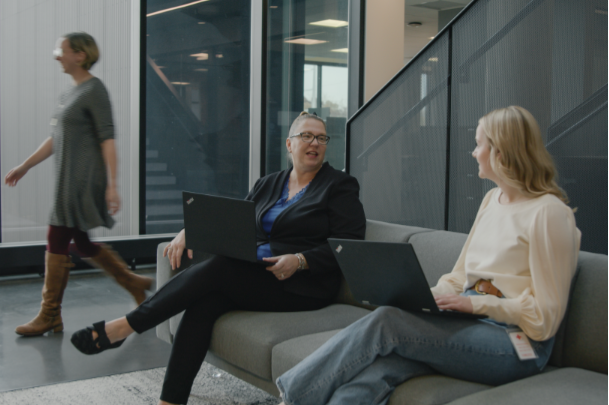
A Reverse Mentorship Program at Land O’Lakes helps employees connect across generations.
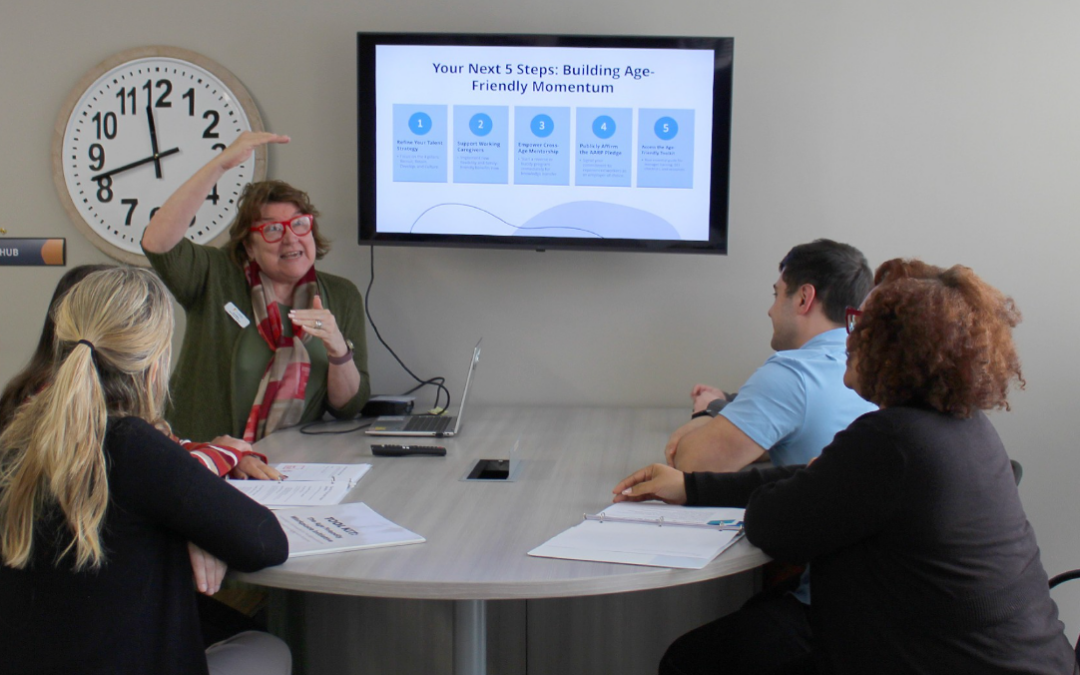
Purpose‑centered employment strengthens workforce longevity, advances equity, and assists older adults.

The workforce is aging, talent shortages persist, and traditional staffing models no longer reflect reality—all a strategic advantage for those organizations willing to adapt.

Older workers continue to be treated as an afterthought in workforce strategy.

Research shows promise aligning technology, training, and the realities of work across the life course.

Training, supportive services, and stronger policies can help turn disruption into opportunity for older workers.

Advice and best practices for future projects

An excerpt from author and new longevity expert Michael Clinton’s latest book
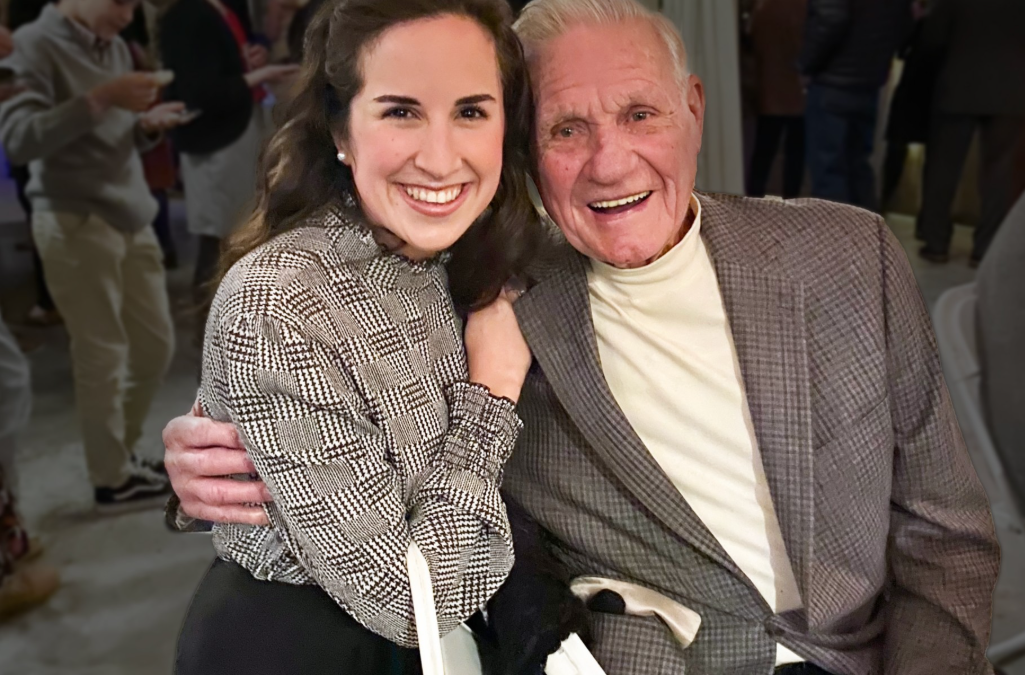
Being aware that time may be limited has helped me embrace spending time with friends
An Age-Just Society replaces voluntary frameworks with enforceable rights

A response to Samuel Moyn’s New York Times essay and a call to action for everyone in the aging sector.

Addressing ageism and strengthening civic understanding between generations.

What might it take to legitimize elderhood as a stage of life?

Five course corrections to help leaders in the aging field advocate for new solutions that might tip us to that new age.

On learning to appreciate aging and find alternate ways of facing death.

How can we take Connected Communities from a model to a movement?

An opportunity to optimize intergenerational policy investments is at a critical juncture.

A faultline running through work, family, and policy.