
Editor’s Note: The John A. Hartford Foundation is collaborating with ASA RISE to advance equity through a series of blog posts in support of the development and dissemination of equity-related, partnership-based thought leadership through ASA’s Generation platform. This blog post is part of that series.
In 2022, after 17 years of working to improve access to public transit for older adults and individuals with disabilities, I had the opportunity to participate in the second ASA RISE Cohort—proudly known as The Disruptors. It was an eye-opening experience that helped me connect many of the threads in my professional journey. Most importantly, it deepened my understanding of the “why” behind public transportation—especially its impact on individuals who are often overlooked in the planning and delivery of services.
Through the RISE workshops, meaningful conversations with fellow participants, and continued learning beyond the program, I began to develop an “equity lens” that now shapes how I view my role in the transit industry. This perspective has helped me see the bigger picture—not only appreciating the importance of the Americans with Disabilities Act, but also understanding how to apply its guidance in ways that are truly fair and inclusive.
Embracing this new lens also brought renewed clarity to a message I first encountered years ago while attending a meeting of the Conference of Minority Transportation Officials’s (COMTO) Atlanta chapter. Founded at Howard University in 1971, COMTO has long been committed to advancing opportunities for minorities in the transportation industry. Today, its mission continues to resonate—ensuring that public transit is not only efficient, but also equitable, inclusive, and a source of economic opportunity for the communities it serves.
During the COMTO meeting, I had the privilege of hearing from the late Rev. Dr. Joseph E. Lowery speak about transportation. At the time, Dr. Lowery served on the Metropolitan Atlanta Rapid Transit Authority (MARTA) Board of Directors. In his remarks, he highlighted the critical role public transportation played in the birth of the modern civil rights movement, most notably the Montgomery Bus Boycott of 1956, which helped lead to the desegregation of public transit across the United States.
Dr. Lowery described how the Montgomery Bus Boycott, as well as a similar boycott he later led in Mobile, AL, served as powerful catalysts for social change. These efforts not only expanded access to public transportation for Black Americans but, more importantly, increased their independence and ability to shape their futures through improved mobility.
Today, many people think of public transportation primarily as a service for low-income or transit-dependent individuals traveling to work or school. While that perception is partly accurate, it overlooks the broader impact of transit systems. Public transportation is a key driver of economic activity and plays an essential role in promoting equity and inclusion within local communities.
Public transportation is a key driver of economic activity and plays an essential role in promoting equity and inclusion within local communities.
As a reflection of this broader purpose, MARTA’s mission is “to advocate for and provide safe, multimodal transit services that advance prosperity, connectivity, and equity for a more livable region.” Public transit connects people to jobs, healthcare, and education, while also supporting social interaction and community engagement. More importantly, it promotes independence for all riders, including older adults and people with disabilities (OA/PWDD), regardless of race or socioeconomic status. For many, access to affordable transportation is a lifeline enabling them to maintain autonomy and live on their own terms.
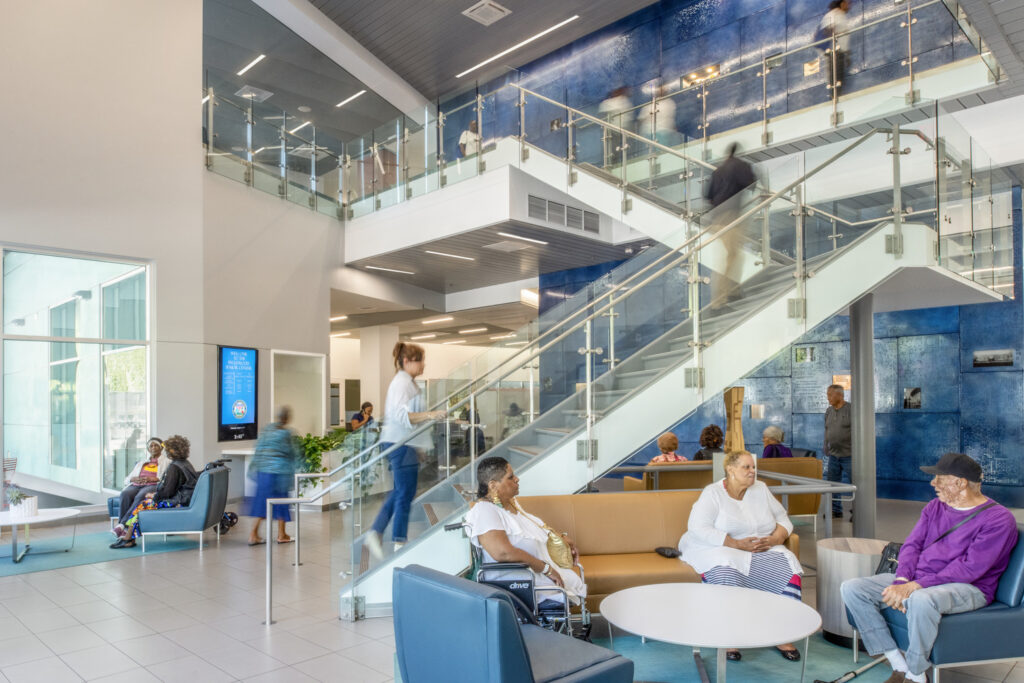
MARTA Makes Life Easier for Elders and Those with Disabilities
My personal experience in the public transportation industry spans more than 30 years, with now 20 of those years focused on programs that improve access for older adults and people with disabilities. I strongly embrace the mantra, popularized by disability advocate Annie Segarra: “The future is accessible.” In practical terms, this means that modern public transportation, guided by 1990’s Americans with Disabilities Act, is designed to be inclusive, barrier-free, and available to everyone, regardless of age or ability.
Under the ADA, transit agencies that operate fixed-route bus and rail systems must also provide complementary paratransit services for individuals who cannot independently use those systems. Additionally, agencies are required to offer reduced fares, at least 50% off the regular fare, for seniors (ages 65 and older) and people with disabilities. These provisions are intended to ensure that public transportation remains available, accessible and affordable for those with limited mobility options.
During my time at MARTA, I have managed the Reduced Fare Program, the certification process for Mobility (ADA paratransit) Services, and the Travel Training program. These programs play a vital role in supporting healthy aging. They help individuals maintain access to healthcare, remain socially connected, and sustain economic independence, ultimately allowing many to age in place in their communities.
The need for public transportation among older adults is often driven by several key factors. First, many experience “aging in the margins,” where poverty, housing instability, social isolation, and/or discrimination accelerate the aging process and limit access to essential services. Second, as people age, their “life space” naturally decreases as mobility declines. Reliable public transit can help maintain connections to familiar places and essential resources. Finally, the onset of age-related health conditions, such as declines in vision, mobility, or cognition, often forces individuals to stop driving, making alternative transportation options essential to preserving independence.
Public transportation directly addresses these challenges. It enables older adults and people with disabilities to remain active and engaged in their communities. In the metro Atlanta region, where MARTA serves the City of Atlanta, as well as Fulton, DeKalb, and Clayton counties, this need is especially significant. Of the region’s approximately 2.1 million residents, nearly 297,000 (about 14%) are ages 65 or older, and a substantial portion of this population reports having a disability.
Programs such as reduced fare and paratransit services are critical to meeting their needs. Reduced fare programs make fixed-route transit more affordable, allowing older adults to access medical care, groceries, and social activities while reducing financial strain. Meanwhile, paratransit provides specialized, accessible transportation, often door-to-door, for individuals who cannot use traditional transit services. These services offer safe, reliable mobility options that support independence and community participation.
Many public transit agencies, such as MARTA, now offer travel training programs designed to support older adults, individuals with disabilities, and others with mobility challenges who can use fixed-route bus or rail services but may not yet feel confident navigating the system.
These programs provide personalized, one-on-one instruction tailored to each person’s travel goals and abilities, helping them build the skills and confidence needed to use public transit independently. Travel training is a valuable way to expand access to transportation and support greater independence, contributing to healthier aging for older adults and people with developmental disabilities (OA/PWDD).
Demand for public transportation is expected to grow as the population ages. The metro Atlanta region has already seen rapid growth in its older adult population, driven by longer life expectancy, the aging of the Baby Boomer generation, and the region’s overall quality of life. This trend is likely to continue, further increasing the need for accessible and affordable transit options.
While personal vehicles offer convenience and flexibility, they are not a viable option for everyone. For many older adults and people with developmental disabilities, public transportation provides essential benefits, most notably independence and protection against social isolation. It ensures reliable access to healthcare, essential services, and social activities, while offering safe, cost-effective mobility options that support an active and healthy lifestyle.
Roosevelt Stripling is the Mobility Support Services Program Manager for the Metropolitan Atlanta Rapid Transit Authority (MARTA). Leading MARTA’s ADA paratransit certification process, Travel Training program, and Mobility Reservations Call Center. Stripling is part of the ASA RISE Cohort 2: The Disruptors.
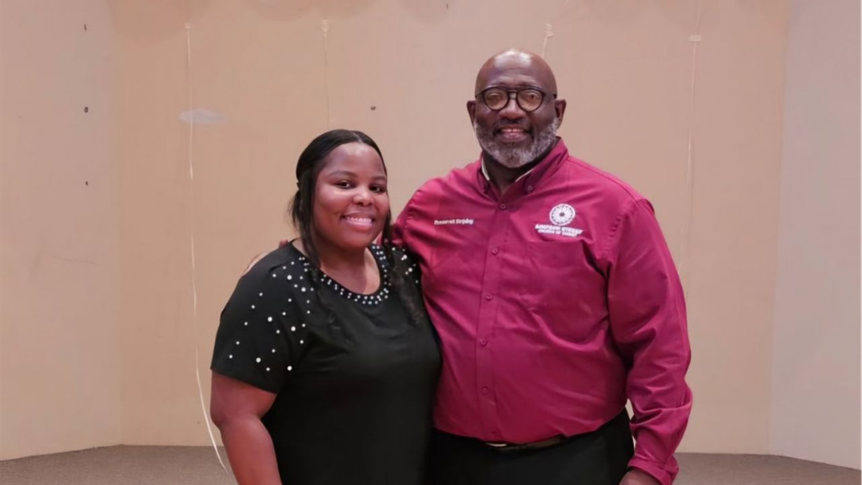
Photo caption: RISE Cohort 2 alum Angela King with author Roosevelt Stripling at his Church’s Senior Ministry Community Resource Fair.
Photo credit: Courtesy Roosevelt Stripling.