
Editor’s Note: The John A. Hartford Foundation is collaborating with ASA RISE to advance equity through a series of blog posts in support of the development and dissemination of equity-related, partnership-based thought leadership through ASA’s Generation platform. This blog post is part of that series.
May celebrates Asian American and Pacific Islander Heritage Month, a time to recognize and celebrate the histories, cultures, contributions, and experiences of Asian American, Native Hawaiian, and Pacific Islander (AANHPI) communities across the United States. It is also an important opportunity to elevate the voices of AANHPI older adults and family caregivers, whose experiences are often underrepresented in conversations about aging, caregiving, and long-term services and supports.
Varied backgrounds and geographies
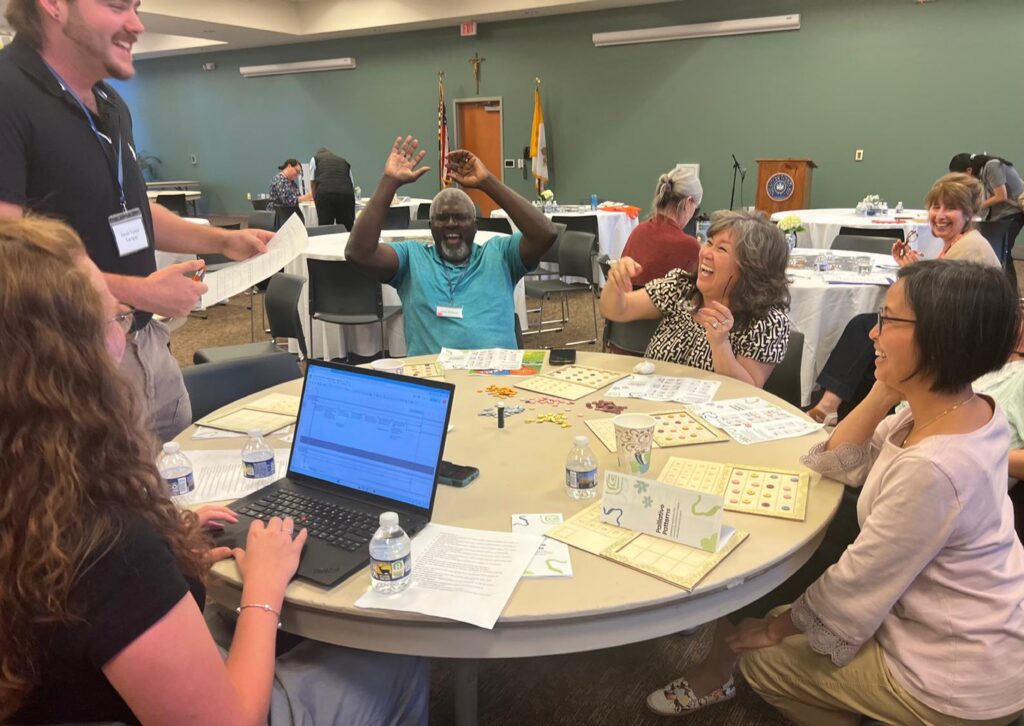
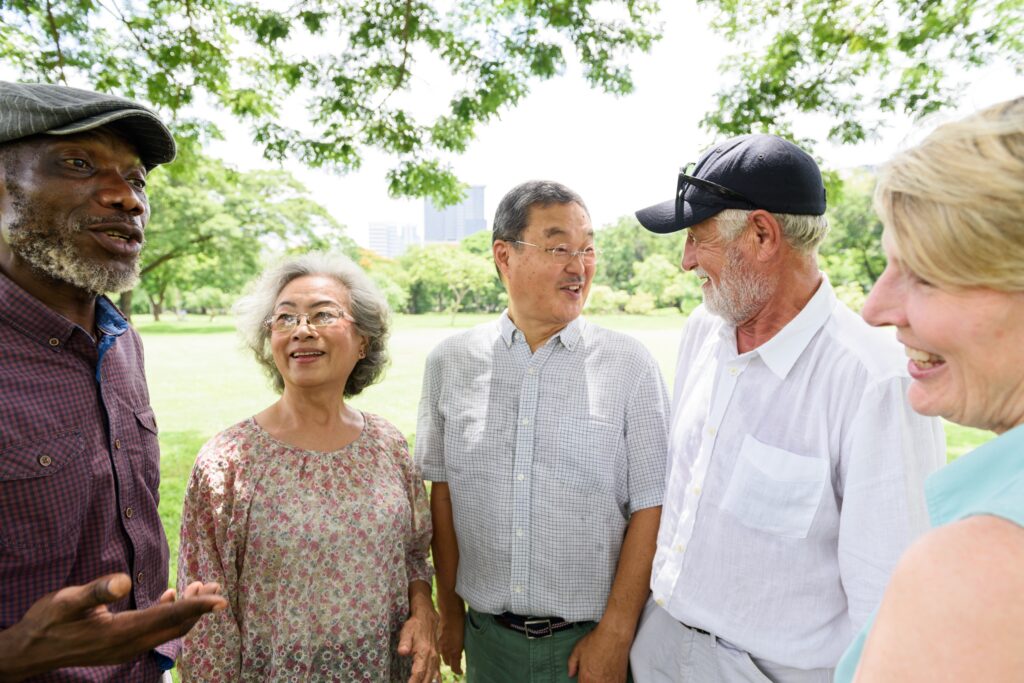
We reflect back on our journey to uplift AANHPI voices at the OnAging conference in April 2026, which created a nationwide, intergenerational, cross-cohort collaboration among ASA RISE fellows. Many of us come from different sectors including technology, educational institutions, social services, non-profits, local government, and Area Agencies on Aging. We also represented different backgrounds and geographies from states like Hawaii, the West Coast, Midwest, and East Coast representation. Our shared commonalities and intersectionalities, however, was that we come from AANHPI backgrounds, interested in the aging field, and we were all alumni of the ASA RISE Fellowship program. A collaborative research project led by alumni of the American Society on Aging’s ASA RISE Fellowship program explored the lived experiences of AANHPI caregivers, older adults, and professionals working in the aging field. The collaboration brought together individuals from across the country representing higher education, nonprofit organizations, local government, social services, and technology, all connected by a shared commitment to equity in aging.
The collaboration brought together individuals from across the country representing higher education, nonprofit organizations, local government, social services, and technology, all connected by a shared commitment to equity in aging.
Nearly two years after concluding the ASA RISE program, Keri Vogtmann, from the Accomplices (Cohort 1) emailed several of the alumni asking, “Would you be interested to help bring a session to OnAging to focus on the Asian experience in aging?” A week later, a group of eight ASA RISE alumni (Keri Vogtmann, Michelle Matter, Stacy Subida, Shivanti Kariyawasam, Kim Nguyen, Charles Markham, Lin Chao, and Tae Oh) began initial discussions on the intersectionality of aging in the Asian American Native Hawaiian Pacific Islander (AANHPI) communities. AANHPI perspectives on aging are profoundly shaped by culture, immigration, language, and community, yet they remain underrepresented in national conversations. Together, the goal of the project was to elevate the voices, stories, and needs of older AANHPI and their families. While there were several core themes around AANHPI Aging uplifted by the group, the final consensus was to focus on caregiving in AANHPI communities.
The project began with recruitment of AANHPI voices to be interviewed as older adults, caregivers, and subject matter experts.Through interviews, several themes consistently emerged. Participants described the deep cultural value placed on caring for older family members, but also the emotional, financial, and logistical challenges that accompany caregiving responsibilities. Many caregivers shared that caregiving was viewed as a family expectation, often beginning at a young age and without formal training or support. Some participants shared that because grandmothers had cared for their grandchildren, it felt like a natural expression of reciprocity for the younger generation to care for their elders in return.
The research highlighted how commonly held assumptions can oversimplify the experiences of AANHPI communities. While concepts such as filial piety are frequently associated with Asian caregiving traditions, participants emphasized that caregiving experiences are far more nuanced and shaped by immigration history, language access, intergenerational relationships, cultural identity, and socioeconomic realities. The “model minority” myth, which promotes the inaccurate belief that Asian Americans are universally doing well and face few challenges, can obscure the need for services and support by creating the false perception that AANHPI families are not experiencing strain or barriers to care.
Caregivers discussed navigating complex health and aging systems while balancing employment, parenting, financial responsibilities, and caregiving duties. Participants also identified challenges related to language barriers, stigma around seeking outside support, lack of culturally responsive services, and difficulty accessing information about available programs and resources.
Across the study, participants described a wide spectrum of emotions surrounding caregiving in AANHPI families. Themes of feeling guilt and shame arose mostly from caregivers. Older adults often wrestled with maintaining independence and trying to avoid being a burden, sometimes staying quiet about their needs or leaving things unspoken, while some also held a cultural expectation that children should take responsibility for their care.
Caregivers, meanwhile, described a mix of duty, honor, responsibility, and even gratitude in being able to support their parents. Yet woven through these positive sentiments were the realities of significant sacrifices including career adjustments, financial strain, and the ongoing demands on time and energy that shaped the caregiving experience.
Together, these overlapping emotions reveal a caregiving dynamic marked by deep cultural values, unspoken expectations, and the complex balance between honoring family and navigating personal limits.
Resilience and community connection
The interviews revealed extraordinary resilience and community connection. Many families described relying on multigenerational caregiving networks, faith communities, peer support, and culturally grounded approaches to care. Participants emphasized the importance of creating spaces where caregivers feel understood, represented, and supported.
The findings were presented at the 2026 On Aging Conference hosted by the American Society on Aging through two sessions focused on AANHPI caregiving experiences, systems implications, and community-driven solutions.The first session the AANHPI communities and common themes and misconceptions such as filial piety and the “model minority” myth. We shared the voices of the interview participants as well as key findings and systems implications. For the second session, we hosted a panel of three experts in the field including Gary Simon from AARP Hawaii, Polly Colby from NAPCA, and Salina Shah from Desi Daughters. The project also resulted in a research brief published by the San Diego State University Center for Excellence in Aging & Longevity (CEAL).
This work reinforces the importance of ensuring AANHPI voices are included in aging research, policy discussions, and caregiving conversations. As the nation’s older adult population becomes increasingly diverse, culturally responsive approaches to caregiving and aging services are essential to building systems that truly support all older adults and families.
Caregivers … described a mix of duty, honor, responsibility, and even gratitude in being able to support their parents.
Most importantly, the project serves as a reminder that representation matters. When lived experiences are absent from research and public dialogue, the unique strengths, challenges, and needs of communities can remain overlooked. Elevating these voices helps create a more inclusive and equitable future for aging services and caregiving support
Through mentorship, community, and deep engagements with the systems that impact older adults, ASA RISE empowers participants to challenge inequities, shift narratives, and lead transformative change across the aging ecosystem. Although ASA RISE is structured as a six-month program, the impactful way that the ASA RISE network is building community extends far beyond.
If we are not amplifying our lived experiences, then how will AANHPI older adults and their caregivers have representation in this field? We hope to continue this work and conversation beyond OnAging2026.
Michelle Matter is the Chief Operating Officer of the San Diego State University Center for Excellence in Aging & Longevity (CEAL) and a Gerontology Professor at MiraCosta College. A leader in advancing community-based solutions that support older adults and family caregivers, she brings more than 25 years of experience spanning government, higher education, and the nonprofit sector.
Stacy Subida, MSW, LCSW, is a Supervisor of Family and Support Services at the city of Chicago’s Area Agency on Aging, the Department of Family and Support Services (DFSS), Senior Services Division. Her work supports family caregivers and older adults’ abilities to live in their homes and communities through Older Americans’ Act funded programming.
Keri Vogtmann is the founder of Gaman Insights and a nationally recognized leader at the intersection of aging, technology, community and human-centered innovation. Named an “Advocate for Aging” by Next Avenue and selected as an inaugural American Society on Aging RISE Fellow, she brings more than 15 years of cross-sector experience spanning healthcare IT, digital inclusion, user experience, and community-based innovation.
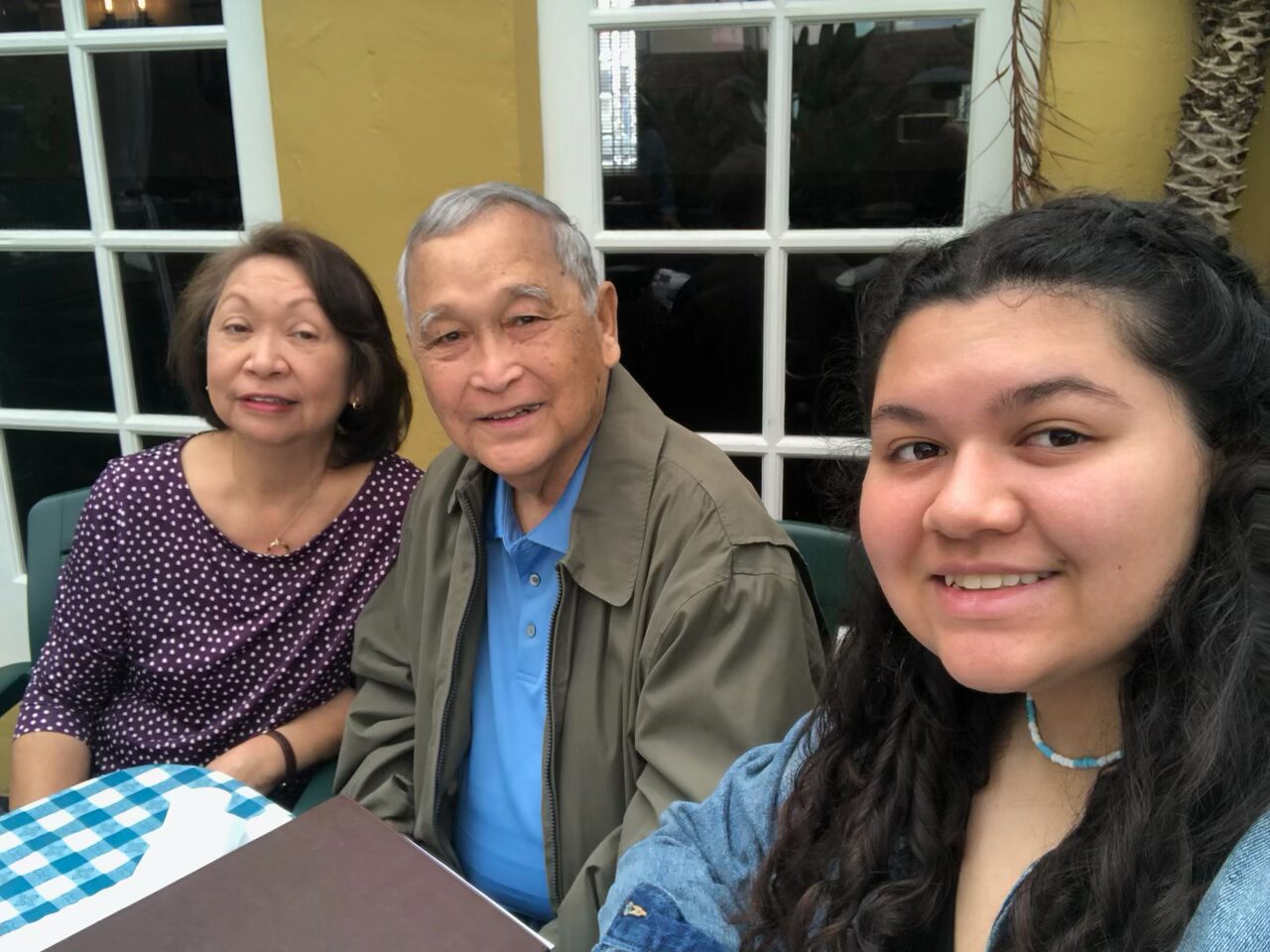
Photo credit: Michelle Matter
ASA RISE is currently accepting applications for Cohort 6 through July 17.