

Editor’s note: ASA President and CEO Leanne Clark-Shirley recently wrote a letter to ASA members and newsletter subscribers. Here is a reprint of that letter.
I’m spending more time lately talking with people about a longevity-ready society. I first heard this term through the Stanford Longevity Center’s New Life Map work; our wonderful colleagues at the Milken Institute have written about it as well, and my home state of Maryland has incorporated “Longevity Ready” into its multi-sector plan on aging. It’s catching on, and I think it’s worth talking about ASA’s take on what longevity-ready means.
Definitions of longevity and health are too often determined for us, instead of decided by us according to our own priorities and desires
Longevity itself is not a new term, of course. To most in the general public, there’s a shared understanding that longevity means living as long and as healthy as possible. There’s no question we’ve made remarkable gains in life expectancy and health span. But it’s also true that these gains are not experienced equally or equitably, and science is muddied by new (and expensive) versions of anti-aging gimmicks marketed as longevity. In addition, definitions of longevity and health are too often determined for us, instead of decided by us according to our own priorities and desires. So, one job in front of us is to keep pushing for all of us to have a fair chance at living a good, long life on our own terms.
But there’s another part to this story. No matter how many of us are able to reach 100, our society just isn’t ready to support that. You understand the reasons why: age discrimination, lack of a real long-term care system, economic security, housing, families still struggling to know where to turn when a loved one’s needs change. But here’s what I also know to be true: the ASA Community—you—are doing the work, every day, to keep making progress and building the society that is needed to support longer and healthier lives. And that is what we mean by longevity-ready society.
There’s one overarching theme: stronger connections between people and organizations are essential.
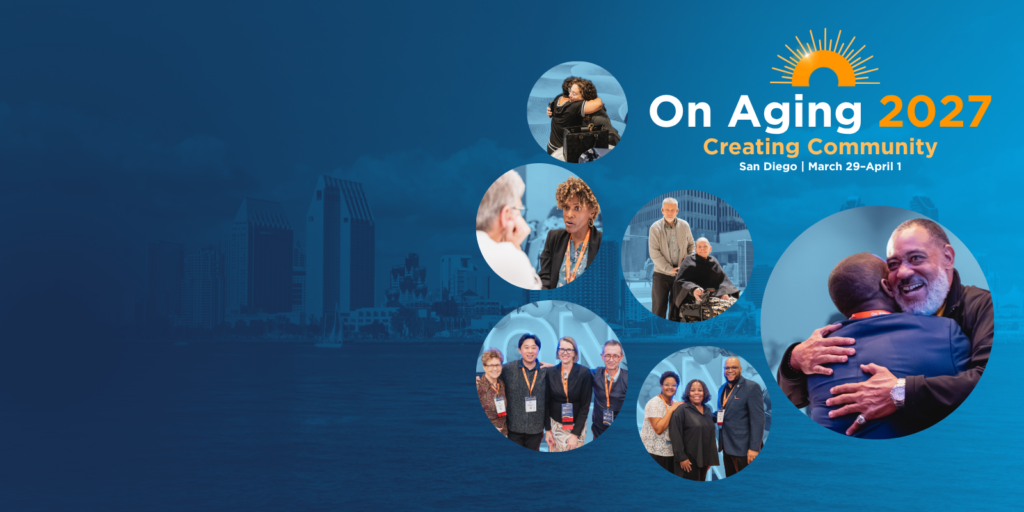
As we continue reading your ideas about what people need to know about aging, who should be part of this Community, and what you need to support your work, there’s one overarching theme: stronger connections between people and organizations are essential. We’re acting on that as we plan On Aging 2027, designing new summits with partners, increasing the interactivity throughout the week, and creating opportunities for you to meet and learn alongside attendees from other sectors who share a common vision or interest. And building stronger connections is also propelling conversations with new partners and members alike.
All in service of collectively building a longevity-ready society.
From your vantage point, what does meaningful progress toward a longevity‑ready society look like? I’d love to hear your thoughts, submit them at CEO@asaging.org.
Leanne Clark-Shirley is President and CEO of the American Society on Aging.
Photo credit: Shutterstock/Drazen Zigic