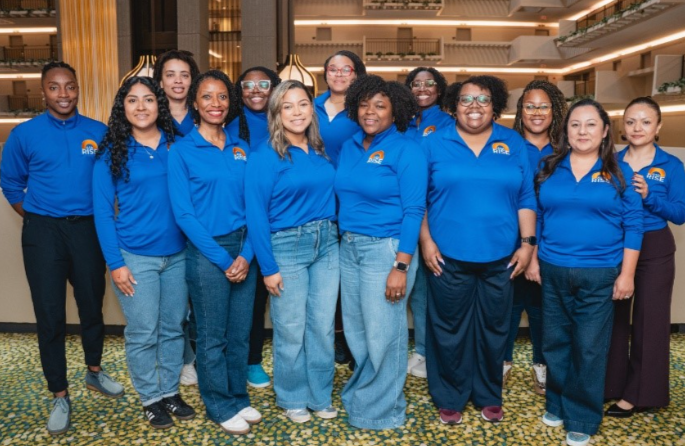

Editor’s Note: The John A. Hartford Foundation is collaborating with ASA RISE to advance equity through a series of blog posts in support of the development and dissemination of equity-related, partnership-based thought leadership through ASA’s Generation platform. This blog post is part of that series.
What does leadership look like in a fragmented world?
That question sat quietly beneath nearly every conversation the members of ASA RISE Cohort 5—known as The Unifiers—had over the course of six months. Sometimes it surfaced as a discussion about equity, advocacy, or systems change. Other times it emerged through personal stories of navigating organizations, communities, and institutions that too often operate in isolation from one another. More often, they are the consequence of fragmentation—of policies disconnected from practice, organizations disconnected from communities, sectors disconnected from one another, and leaders working within systems that reward silos instead of collaboration.
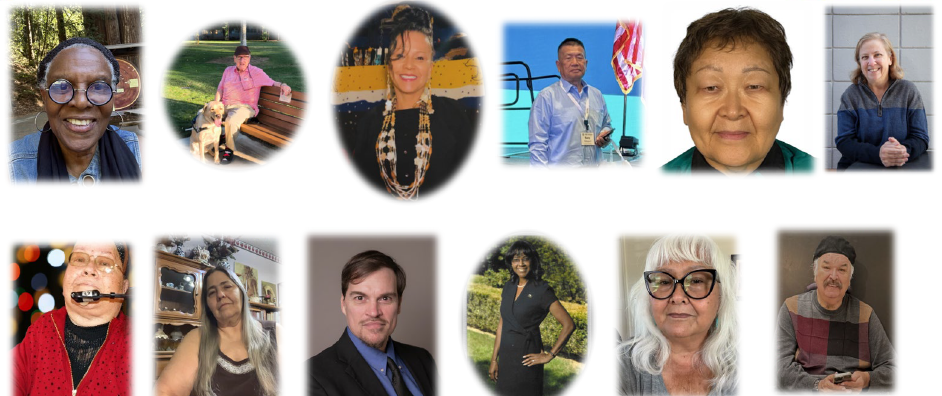
As the fellowship progressed, these 14 emerging leaders of color explored what it means to lead self, understand systems and create change on behalf of communities too often overlooked in aging. Along the way, The Unifiers discovered something important: many of the challenges older adults face are not the result of a lack of individual agency. They are the result of systems that were never designed to work together.
The capstone projects developed by this year’s Fellows reflect that realization.
Each team selected a different issue. Yet all four projects arrived at a similar conclusion: iIf we want better outcomes for older adults, we must build stronger connections—between people and services, healthcare and community, caregivers and resources, organizations and one another.
In other words, we must become unifiers.
Leadership development programs are often judged by the projects participants complete. But the true measure of leadership development is not the project. It is how leaders learn to relate to the world differently.
Before leaders can change systems, they must understand themselves—their values, identities, assumptions and motivations. They must also develop the capacity to see experiences that too often remain invisible.
The four capstone projects developed by The Unifiers offer a powerful illustration of what happens when leaders learn to do just that.
In ASA RISE, we describe leadership development through three interconnected stages: Leading Self, Leading Systems, and Leading Change. Woven throughout that journey is an equity leadership stance that challenges leaders to See→Engage→Act.
The work of The Unifiers demonstrates what happens when emerging leaders learn to do all three.
Learning to See
Leadership begins with awareness.
Before leaders can change systems, they must understand themselves—their values, identities, assumptions and motivations. They must also develop the capacity to see experiences that too often remain invisible.
To see means recognizing patterns and realities hidden beneath familiar narratives.
One team learned to see the millions of Americans who provide care every day without recognizing themselves as caregivers. Their project, #IAmACaregiver: Shining a Light on Those Hidden Within the Invisible Workforce , emerged from a simple but powerful observation: People cannot access support they do not realize is meant for them.
Through storytelling, digital engagement and caregiver self-identification strategies, the Fellows on this team challenged a barrier that often goes unnoticed. Visibility, they discovered, is a prerequisite for support.
Another team learned to see a population that is rapidly growing but frequently overlooked: solo agers. As more older adults age without spouses, children or dependable support networks, many encounter healthcare and social service systems built on assumptions about family caregiving and informal support.
Their project, From the Shadows to the Light: Centering Solo Agers in Healthcare, challenged those assumptions and asked an important question: What would healthcare look like if it stopped assuming support systems and started intentionally building them?
Both projects began with a similar act of leadership. They made the invisible visible.
They learned to see.
Learning to Engage
Seeing is only the beginning.
Once leaders recognize inequities and challenges, they must engage the people, organizations, and systems connected to them. Engagement requires curiosity. It requires listening. It requires recognizing that those closest to a problem often understand it best.
Throughout ASA RISE, Fellows are encouraged to move beyond individual experiences and explore how systems shape outcomes. The Unifiers embraced that challenge.
One team examined the intersection of nutrition, brain health and aging services. Their work revealed that healthcare providers, dementia programs, food assistance organizations and aging services frequently operate independently despite serving the same individuals.
Their project, From Silos to Systems: Connecting Nutrition and Cognitive Health, proposed a Brain-Healthy Food Framework that would strengthen connections between these sectors while elevating nutrition as a critical component of cognitive health and healthy longevity.
Another team explored barriers facing older adults navigating complex networks of services and benefits. Through conversations with aging professionals, caregivers and community stakeholders, they heard a common frustration: Organizations designed to support older adults often struggle to communicate with one another. The problem, the team concluded, is not a lack of caring professionals. It is a lack of infrastructure.
Their proposed solution, What’s the 811? REACH: Real-Time Exchange Across Community and Health, envisions a communication platform that would allow aging network professionals to connect directly across organizations, reducing delays, preventing missed benefits and improving coordination on behalf of older adults.
By engaging stakeholders across the aging ecosystem, both teams deepened their understanding of how fragmentation affects professionals, families and older adults alike. They learned that systems cannot be changed without engaging the people who live and work within them.
They learned to engage.
Learning to Act
The final stage of the ASA RISE journey asks Fellows to move from understanding problems to designing solutions.
To lead change is to act. Action does not always mean launching a new program or passing a policy. Sometimes it means reframing a conversation. Sometimes it means creating a tool, a campaign, a framework or a new way of working.
What matters is the willingness to move from awareness to possibility.
The caregiver team acted by creating a campaign designed to help individuals recognize themselves as caregivers and connect with support.
The solo ager team acted by developing practical recommendations that help healthcare organizations better identify and serve older adults aging without traditional support networks.
To lead change is to act. Action does not always mean launching a new program or passing a policy. Sometimes it means reframing a conversation. Sometimes it means creating a tool, a campaign, a framework or a new way of working.
The brain health team acted by proposing a framework that integrates nutrition into conversations about cognitive health and healthy longevity.
And the REACH team acted by envisioning infrastructure that would allow organizations across the aging network to coordinate more effectively on behalf of older adults.
Each project addressed a different issue. Yet all four reflected the same commitment: turning insight into action.
They learned to act.
The Future of Aging Requires Unifiers
What impressed me most about The Unifiers was not the sophistication of their presentations, although those were remarkable. It was the way they approached leadership.
They did not begin by asking what program to create. They began by asking what inequities needed to be understood.
They did not rush to solutions. They listened. They learned. They engaged. And only then did they act.
That progression reflects the essence of ASA RISE:
Leading Self.
Leading Systems.
Leading Change.
Seeing.
Engaging.
Acting.
As The Unifiers join the growing ASA RISE Alumni community, they carry forward more than capstone projects. They carry forward a model of leadership grounded in equity, curiosity, collaboration and courage.
At a time when our nation is becoming older, more diverse and more interconnected, this is exactly the kind of leadership the future of aging requires. The future of aging will not be built by leaders who have all the answers. It will be built by leaders willing to see what others overlook, engage those most affected, and act on behalf of a more equitable future.
A future where caregivers are recognized and supported.
Where solo agers are no longer invisible.
Where nutrition is understood as brain health.
Where organizations collaborate as seamlessly as the older adults they serve deserve.
Most importantly, a future where leaders understand that transformational change begins not with programs, but with connection.
That is the promise of ASA RISE.
That is what The Unifiers have shown us.
The challenge now is whether the rest of us are willing to follow their lead.
Patrice Dickerson, PhD, is ASA’s Senior Equity Strategy Director and co-stewards ASA RISE.
Photo credit: Chloe Ravina
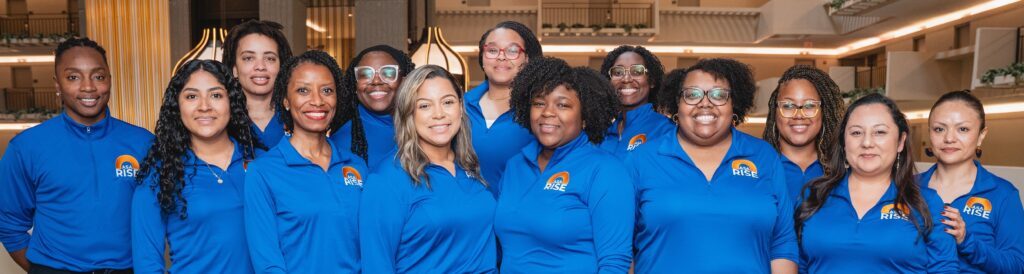
Photo caption: ASA RISE Cohort 5 Fellows—The Unifiers—at the On Aging Conference in Atlanta, Georgia, April 2026.
The ASA RISE program is accepting applications for Cohort 6 through July 17, 2026.
Nominate an emerging leader in your network for ASA RISE here.