


Transformative Approaches to Social Security Benefits
Generations Journal, vol. 49, no. 3 (Fall 2025)
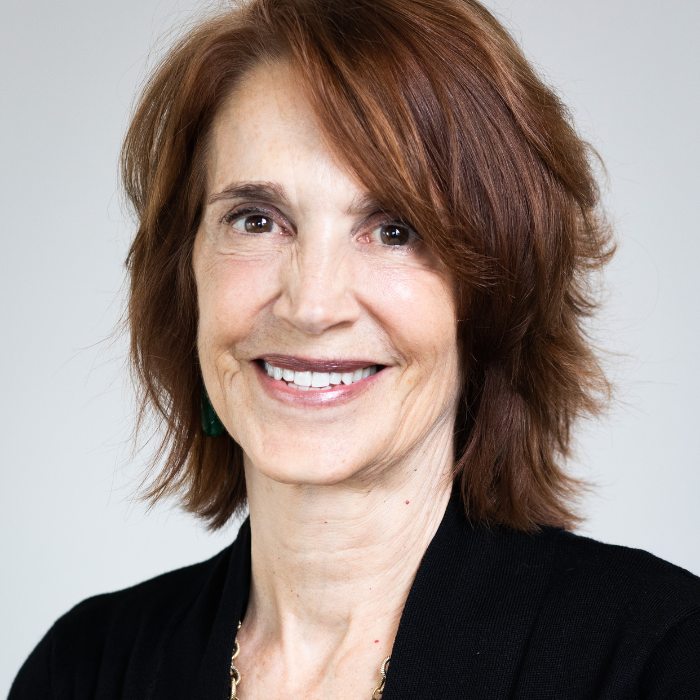
Guest Editor: Teresa Ghilarducci

Guest Editor: Ruth K. Finkelstein

Guest Editor: Na Yin

On Timing, Termination, and Suppression of Research and Science
This issue of Generations Journal is precious—simultaneously a monument to a bygone era and a plea for continued research and policy attention to those left behind from the promise of Social Security. In 2023, we proposed a special issue presenting research conducted by the Social Security Administration’s newest Retirement and Disability Research...

The Complex Impact of ‘On’ and ‘Off the Books’ Work
My mother (Ruth Finkelstein) used to say that she fell into the next phase of her life. Like many independent older adults, a fall catapulted her from a fulfilling life in her lovely apartment into the gray zone of assisted and then institutional living. In between the two phases were several months when direct care workers helped me (an overwhelmed...

Contending With Home Care Needs After a Work Disability
Abstract Workers who become disabled may need some level of home care, such as help with dressing, bathing, cooking, or shopping. Family members usually provide this care, but it may come at a cost to households facing economic precarity. This article describes the situation of older workers who experience work-limiting disability, their need for home...

Caregiving and Retirement: Social Security and the Financial Strain of Eldercare
Abstract Unpaid caregivers provide essential support for older family members in the United States, often at significant personal and financial cost. With no universal infrastructure for long-term care, caregivers may turn to programs like Social Security for relief. Our mixed-methods study uses Health and Retirement Study data and in-depth interviews to...

Unseen Costs: How Providing Eldercare Impacts Work and Economic Security
Abstract This study investigates how unpaid eldercare impacts caregivers’ work and financial security, highlighting that women and caregivers of color disproportionately bear these responsibilities. We find that in addition to shifting the costs to informal caregivers, this systemic reliance also excludes some individuals from necessary support. Using...

Left Behind Twice: Fixing Social Security for Formerly Incarcerated Elders
Abstract Older adults released from long prison terms face serious barriers when applying for Social Security benefits. Through interviews with formerly incarcerated individuals and service providers, we found that most received little or no support before release, lacked essential documentation, and struggled with digital systems. These challenges,...
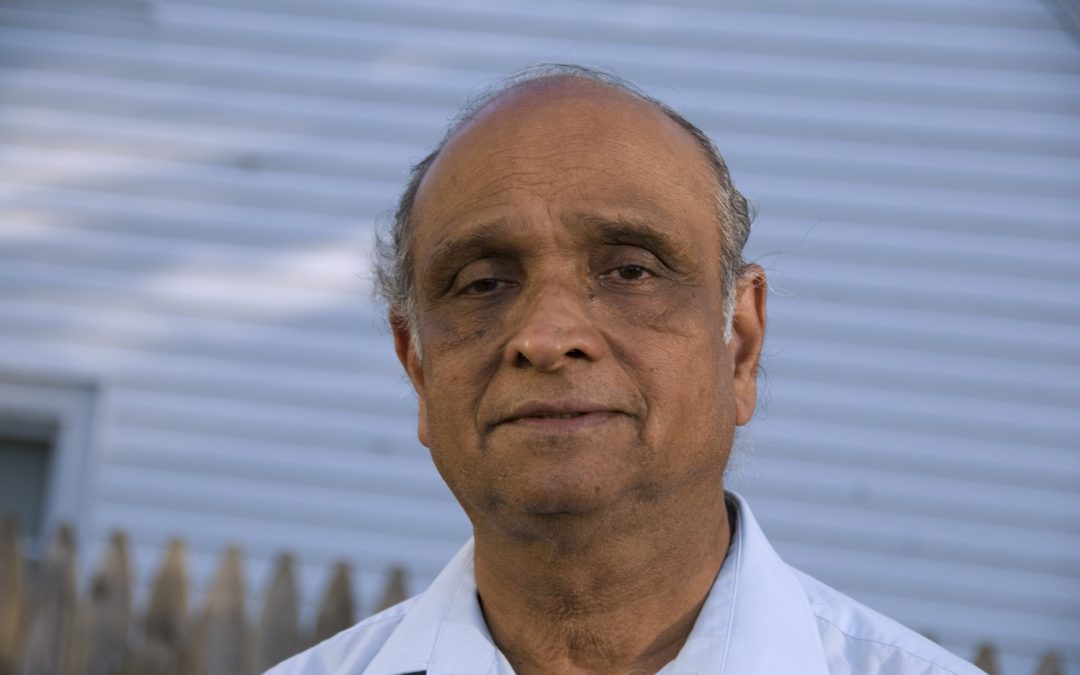
Understanding Late Arriving Immigrants’ Social Security Eligibility and Retirement Security
Abstract Late-arriving immigrants constitute the largest segment (49%) of Social Security “never beneficiaries,” lacking adequate earnings to qualify for benefits. Many such immigrants work into their older years, due to financial constraints and the pursuit of Social Security eligibility. Using the most recent microdata from the American Community Survey...

The Social Security Retirement Earnings Test
Abstract This article explains how the Social Security Retirement Earnings Test works and why it is particularly relevant for lower-income workers and retirees. It presents original evidence on how misunderstood this important but complex feature of the Social Security Old Age retirement rules is among lower-income retirees and discusses strategies to help...

Supporting LGBTQ Older Adults in Retirement Through Research and Advocacy
Abstract Despite the increasing numbers of lesbian, gay, bisexual, transgender/gender diverse, queer, and other (LGBTQ+) adults in the United States, there is a dearth of information on their financial well-being as they age. Available data indicate that LGBTQ+ older adults face significant cumulative financial disadvantages in retirement. Prior...

The Precarity Trap
Abstract Precarious (insecure, unstable, and uncertain) employment is a growing concern. Using nationally representative data on workers ages 50 through 62 from the Health and Retirement Study, we find that precarious employment in midlife is common, particularly among disadvantaged groups. Those experiencing it in their 50s through early 60s are less...

Cash Is King: Effects of Un(der)reported Income on the Social Safety Net
Abstract This mixed-methods study examines the impact of cash work and income underreporting on two U.S. communities of color. We investigate how African Americans and Latinos obtain knowledge about Social Security and the Earned Income Tax Credit (EITC), make decisions to report or underreport pay, and confront barriers to formal payment. Those who...

Student Debt Is Not Just for Kids
Abstract The individualized responsibility of student loan repayments impacts the retirement security of older Americans with education debt. Our mixed methods study combines quantitative analysis of large-scale datasets and detailed interviews to understand how older Americans navigate debt obligations and retirement needs. Early findings indicate that...

Computers Block Access to Social Security
Abstract The digital transformation of government services has intensified over the past three decades, but many older adults remain more familiar with mobile apps than web-based services, and often prefer in-person on phone-based help with accessing benefits. This article explores findings from interviews with 40 immigrant older adults on how they manage...
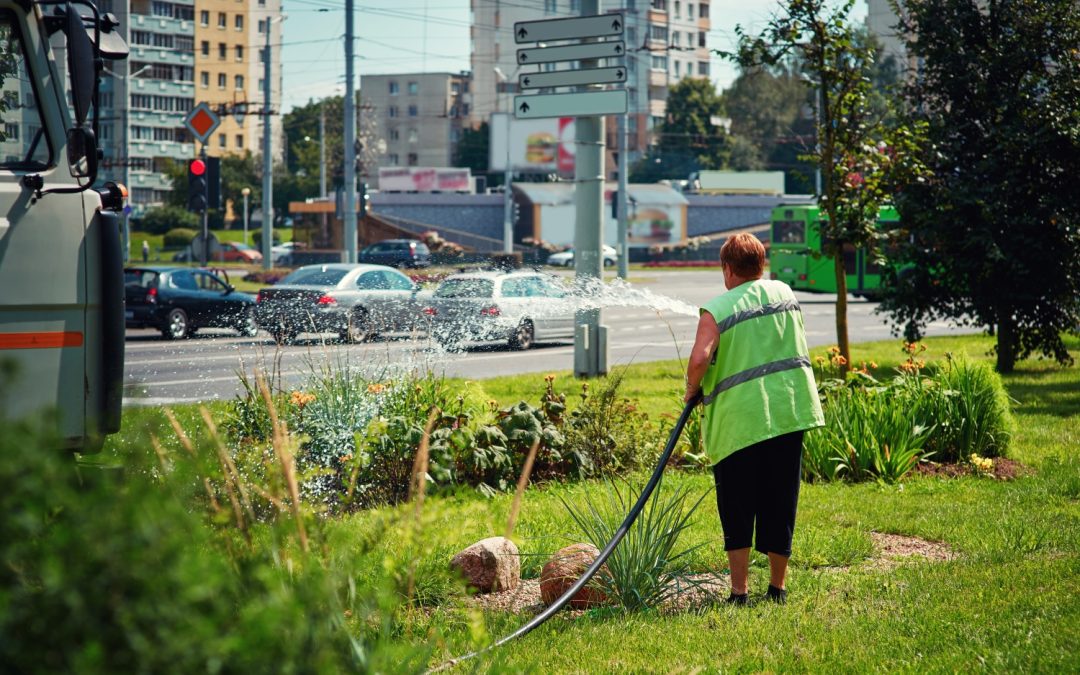
Burn Out Reimagined: Extreme Heat, Work Disability, and Sociodemographic Disparities in America
Abstract The intersection of climate change and population aging presents challenges for an increasingly older U.S. labor force. Exposure to extreme heat at work is associated with mortality and morbidity, but little is known about how exposure to heat at work relates to work disability, especially among vulnerable subgroups. In this preliminary analysis...

Uprooted in Later Life
Abstract We analyzed displacement by natural disasters and consequences for well-being among individuals ages 65 and older, interviewed between September 2023 and September 2024 in the nationally representative, high-frequency U.S. Census Bureau Household Pulse Survey. Approximately 1.2% of the U.S. older adult population (an estimated 635,000 people)...
INSIDE Fall 2025 GENERATIONS JOURNAL
Theme 1: Caring About the Care Workforce and Families
On Timing, Termination, and Suppression of Research and Science
By Teresa Ghilarducci & Ruth K. Finkelstein
The Complex Impact of ‘On’ and ‘Off the Books’ Work
By Ruth K. Finkelstein, Jessica Halliday Hardie, & Cecily Johnson
Contending with Home Care Needs After a Work Disability
By Jennie Kaufman & Na Yin
Caregiving and Retirement: Social Security and the Financial Strain of Eldercare
By Jessica Forden, Erin Simmons, Teresa Ghilarducci, & Siavash Radpour
Unseen Costs: How Providing Eldercare Impacts Work and Economic Security
By Siavash Radpour, Jess Forden, & Teresa Ghilarducci
Theme 2: Barriers to Benefits for Marginalized Populations
Left Behind Twice: Fixing Social Security for Formerly Incarcerated Elder
By christian gonzález-rivera & Ruth K. Finkelstein
Understanding Late Arriving Immigrants’ Social Security Eligibility and Retirement Security
By Na Yin, Yu-Jhen Chen, Joelle Saad-Lessler, Yiyi Wu, and Ruth K. Finkelstein
The Social Security Retirement Earnings Test
By Frank W. Heiland, Joelle Saad-Lessler, & Karen Richman
Supporting LGBTQ Older Adults in Retirement Through Research and Advocacy
By Mark Brennan-Ing, Cicely K. Johnson, Yiyi Wu, Jennie Kaufman, & Maria T. Brown
The Precarity Trap
By Duygu Başaran Şahin, Frank Heiland, & Na Yin
Cash Is King: Effects of Un(der)reported Income on the Social Safety Net
By Karen E. Richman, Joelle Saad-Lessler, & Frank Heiland
Theme 3: The Surprising Effects of Student Debt, Digital Trust, and Climate Change on Older Workers and Retirees
Student Debt Is Not Just for Kids
By Karthik Manickam & Erin Simmons
Computers Block Access to Social Security
By Yiyi Wu, christian gonzález-rivera, Christopher Ho, & Ruth K. Finkelstein
Burn Out Reimagined: Extreme Heat, Work Disability, and Sociodemographic Disparities in America
By Mara Getz Sheftel, Jennifer Brite, Na Yin, & Deborah Balk
Uprooted in Later Life
By Jenna Tipaldo, JK Goongoon, Frank Heiland, & Deborah Balk

Staff
Editor-in-Chief: Leanne Clark-Shirley, PhD
Senior Editor: Alison Biggar
Editorial Advisory Board
Ruth E. Katz, Chair
Wendy Lustbader, Immediate Past Chair
Tobi Abramson
Orion Bell
Mary L. Flett
Sarah Galvan
Robyn L. Golden
Donna M. Lisi
Najja Orr
Winifred V. Quinn
Laura Trejo
ISSN 2694-5126
Suggested citation for articles in this issue:
[Last Name(s), First Name(s)]. “Article Title.” Generations Journal, vol. 49, no. 3 (Fall 2025). [URL]
About Generations Journal
Generations Journal is the quarterly journal of the American Society on Aging. Each issue is devoted to bringing together the most useful and current knowledge about a specific topic in the field of aging, with emphasis on practice, research, and policy.