
In late 2024, I spent a week in the majestic, fascinating country of Bhutan. Tucked in the Himalayan mountains and home to around 800,000 people, the Buddhist kingdom is renowned for establishing Gross National Happiness (GNH) as a governmental and societal priority. One of the nine domains of GNH is community vitality, which captures family, social support, a sense of belonging, trust in neighbors and volunteering. I was excited to explore what this looks like in practice.
My guide for the week grew up in a small village in a remote, isolated part of the country. He told me that when someone rang a bell, everyone nearby was expected to come over for a communal meal. If a neighbor didn’t show up, they’d all go over to check in and see what was the matter. Although parts of Bhutan are modernized, with smartphones substituting for bells, his example touches on an enduring theme that is relevant around the world, in small villages and big cities alike: our communities and local relationships matter.
They matter not only for happiness, but also for social health: the essential yet often overlooked pillar of health, well-being, and longevity that is built by human connection. While physical health is about our bodies and mental health is about our minds, social health is about our relationships. In recognition of its importance and in response to rates of loneliness around the world, last year the World Health Organization declared social health a global priority.
Over the past two years, I’ve had the opportunity to travel to different countries to speak with communities and organizations about this topic and learn from their perspectives. Whether in Bhutan, Singapore, Japan, Brazil, Mexico or England, I observed that the places where we live impact our social health in two key ways: physical and cultural. Together, these influences determine whether connection is easy or effortful, encouraged or discouraged. By understanding them, we can consider how our neighborhoods are shaping our social health—and how they might do so differently.
Physical Influence: Design Socially Healthy Environments from the Ground Up
Research has shown that specific features in the built environment encourage interaction. For instance, people are more likely to socialize in neighborhoods where homes, shops, and recreational spaces are all within walking distance, and they are less prone to loneliness when surrounded by parks, gardens, and other greenery. Similarly, greater community cohesion, higher trust, and more familiarity among neighbors result from better access to public gathering spaces, or what sociologists call third places. These include cafes, libraries and recreation centers.
“The design of our neighborhoods can be a form of preventive healthcare.”
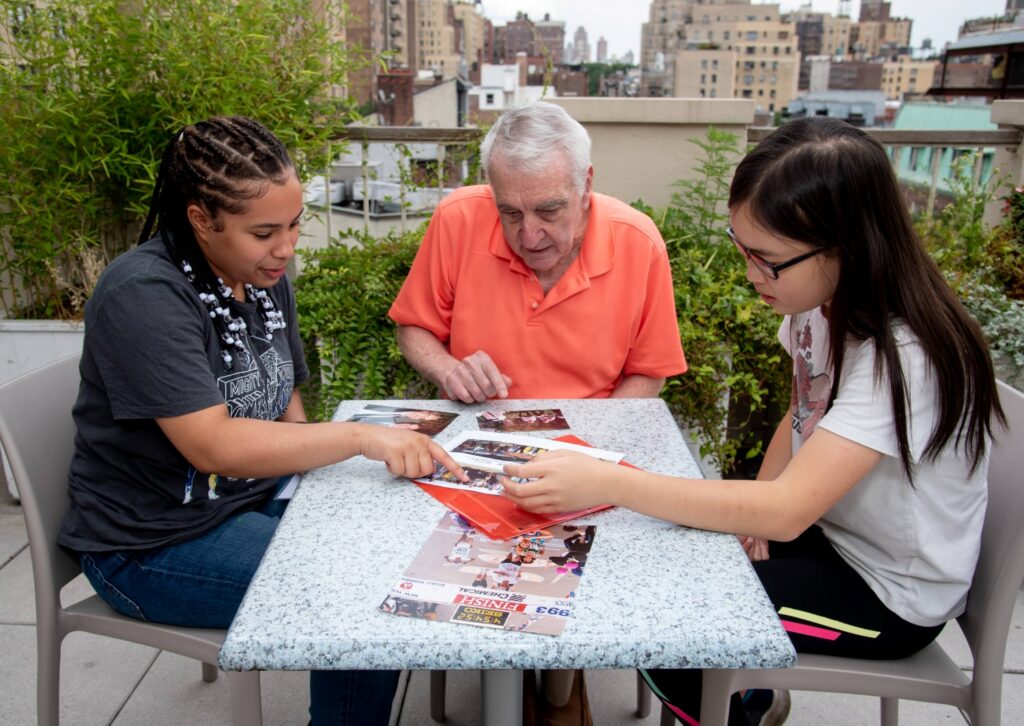
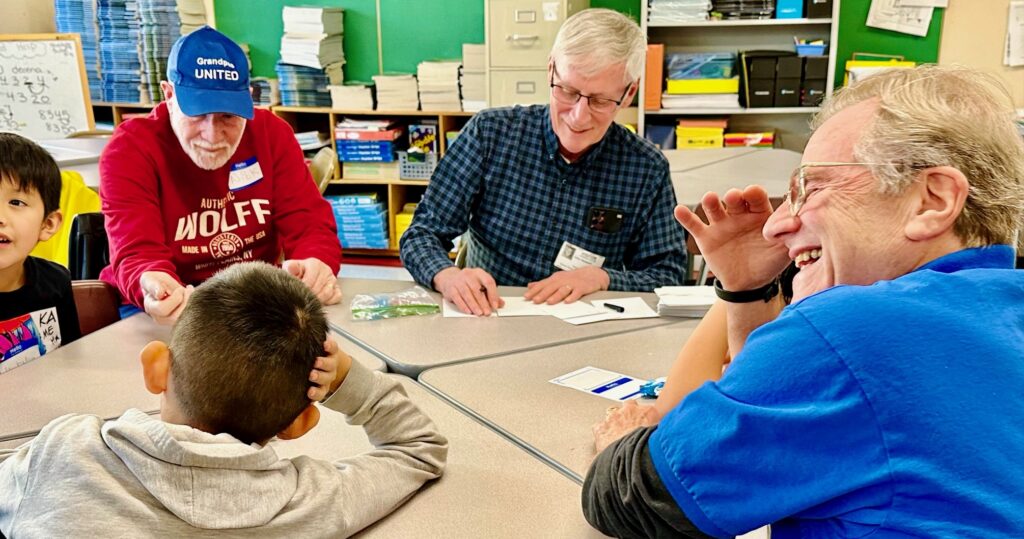
A massive body of research underscores just how powerful these design choices and social infrastructure can be. Social isolation carries health risks comparable to smoking or obesity, while strong relationships are linked to lower rates of heart disease, depression and premature mortality. For older adults in particular, living in communities that support casual interaction and mutual support is linked to better cognitive function, reduced hospitalizations and a greater ability to age in place. In this way, the design of our neighborhoods can be a form of preventive healthcare.
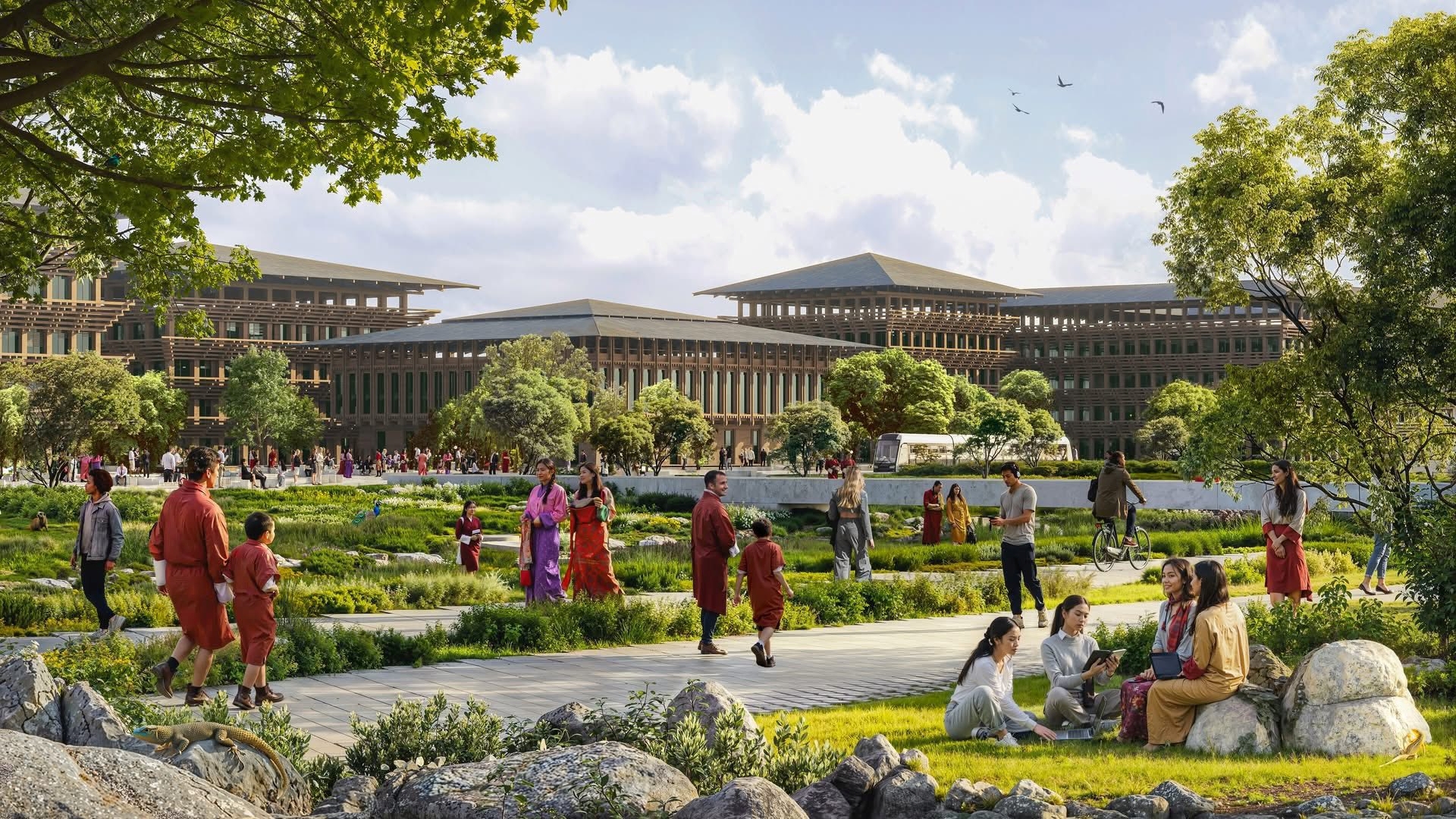
Bhutan is putting these insights into action. During my visit, I learned from Prime Minister Tshering Tobgay about their plans to build a new, innovative city over the next two decades. The Gelephu Mindfulness City will be integrated into nature between a national park and a wildlife sanctuary and will include neighborhoods connected by a “constellation of public spaces” for residents to gather and “share a life of learning and happiness.”
Intentionally building an entire city from the ground up to optimize community vitality and other aspects of flourishing is a unique opportunity. Fortunately, smaller projects, like a new block or an updated building within an existing city, also can be designed with people’s social health in mind. And even without any changes to our physical environments, each of us as individuals can play a powerful role.
Cultural Influence: Shape Social Health Through Community Norms and Customs
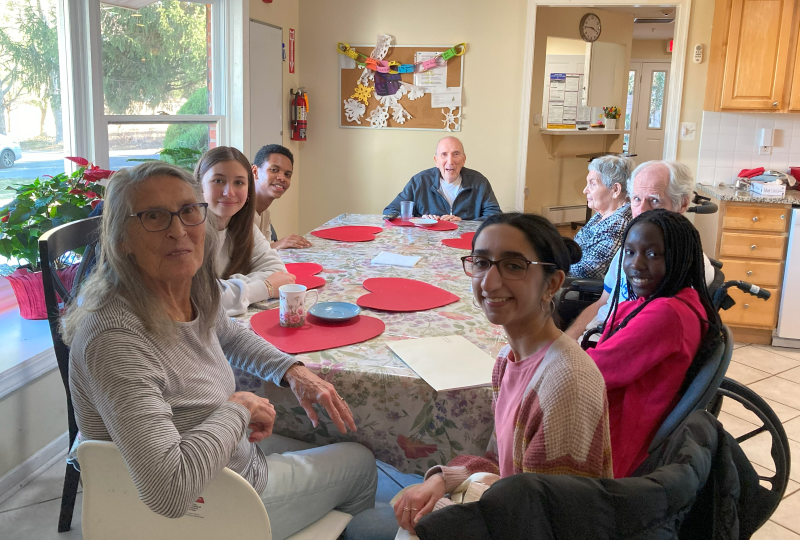
Social health is either strengthened or strained by our cultural norms and everyday actions: family, friends, and neighbors who organize activities, welcome newcomers, check in on one another, and create reasons to come together. Without this human activation, even the most thoughtfully designed parks, plazas and towns will fall short of their potential.
In Bhutan, the ringing bell symbolized a shared understanding that showing up for one another was an expected part of community life. During the COVID-19 pandemic, the benefits of this norm extended beyond psychological to literally saving lives. Bhutan’s response—characterized by strong cohesion and centralized coordination—was lauded around the world after more than 90% of their eligible population was vaccinated within a single week and the nation recorded only 21 deaths.
One woman in her 20s shared that she had spent so many years going to school online and working remotely that she felt anxious about making eye contact and having in-person conversations.
Culture acts as an invisible infrastructure, shaping whether people feel motivated, able, and expected to engage with those around them. Today, technology is changing our culture and threatening our social health in two concerning ways. First, increasingly people spend an inordinate amount of time in fourth places—online, on social media and on streaming platforms—rather than socializing at work, school or in shared community spaces. I recently met a woman in her 20s who shared that she had spent so many years going to school online and working remotely that she felt anxious about making eye contact and having in-person conversations.
Second, people increasingly use artificial intelligence to meet their emotional needs, turning to chatbots for simulated companionship and love instead of human friends and romantic partners. Given that these tools are not going away, we urgently need to cultivate new, modern norms around human connection.
Toward a Socially Healthy Future
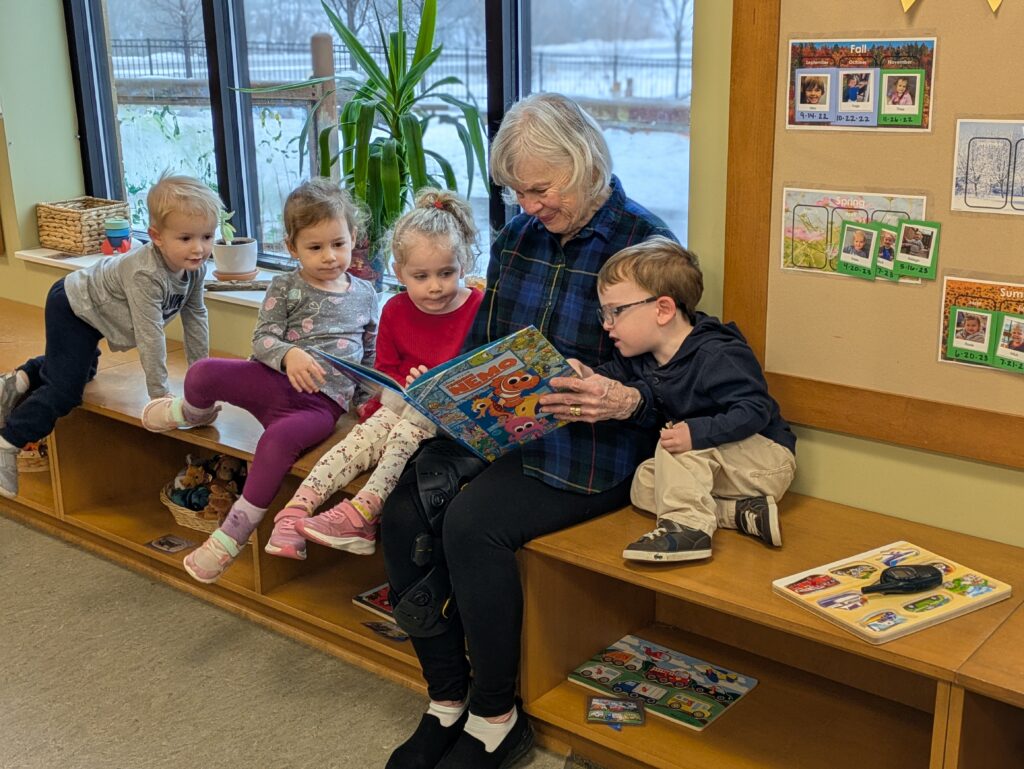
One of the most promising opportunities for long-term impact is to proactively lay the foundation for a lifetime of social health in childhood. Just like gym class is mandatory in schools to teach young people how to exercise their physical muscles, we should make connection class mandatory to teach them how to strengthen their social muscles. Skills like how to make a friend, be a good friend, engage in conversation, empathize, resolve disagreements, and respect boundaries can be learned and should be taught. Let’s make this the norm.
More immediately, each of us can start with dinner. The percentage of people in the United States who grew up having daily meals with their families has steadily declined in recent decades: from 84% of the Silent Generation and 76% of Baby Boomers down to 59% of Gen X, 46% of Millennials, and 38% of Gen Z. Consider creating a daily or weekly dinner ritual with your family (or chosen family of friends and/or neighbors) where you put away your smartphones, sit down together, and share a meal. Let’s make this the norm.
The physical and cultural influences in our environments quietly shape social health, both individually and collectively. I invite you to tune into this as you go about your day and notice what is working well and where there may be opportunities for improvement. Few of us can design a city from scratch, but all of us can positively impact the communities in which we live and the people we meet. The lesson from Bhutan’s ringing bell is that where we live matters, but who we live by and how we connect with them matters more.
Kasley Killam, MPH, is a Havard-trained social scientist, TED speaker and award-winning author of The Art and Science of Connection: Why Social Health is the Missing Key to Living Longer, Healthier, and Happier.
Photo caption: Rendering of Gelephu Mindfulness City.