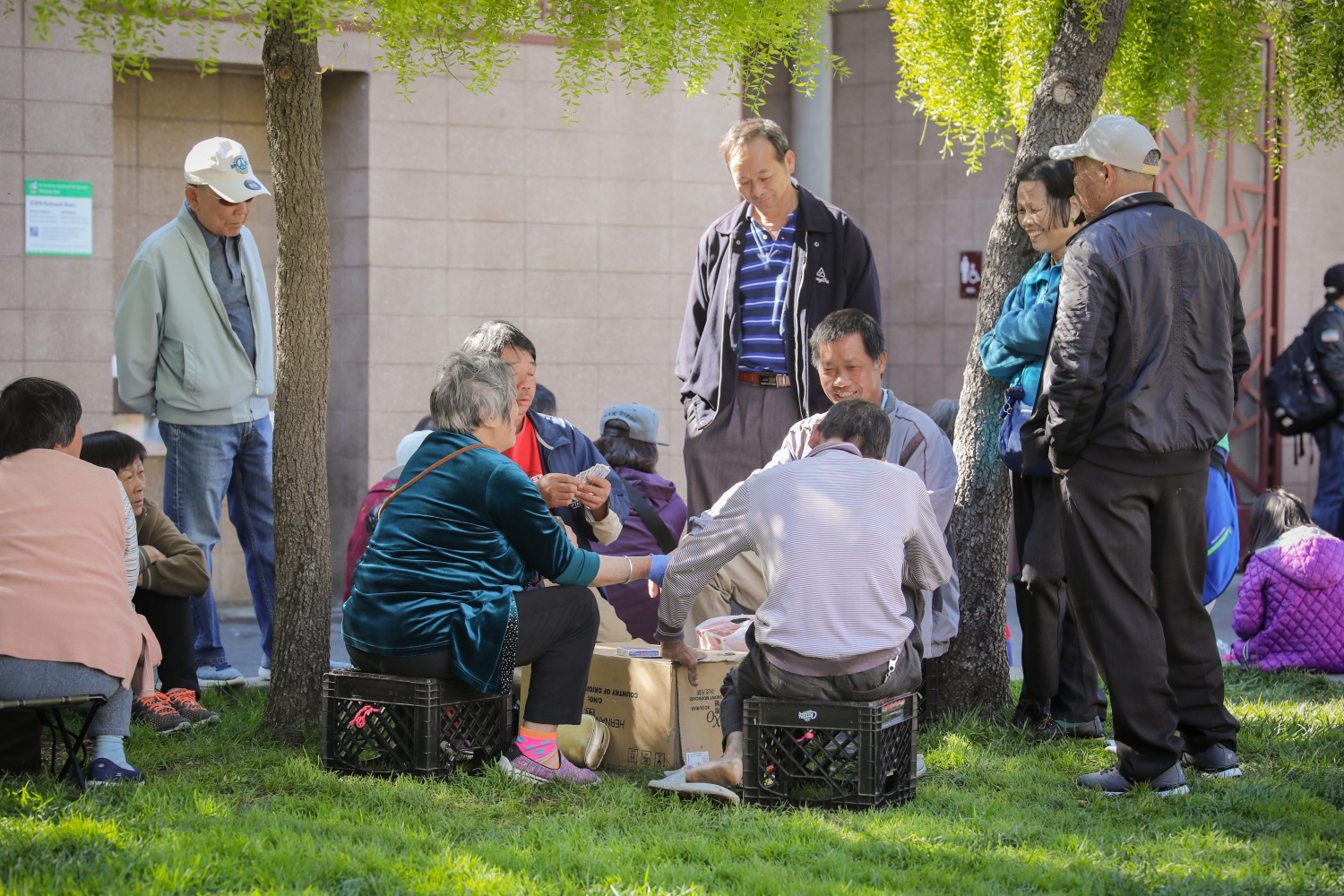

There are countless sayings about home. There’s no place like it! It’s where the heart is! It’s sweet! Such sayings likely conjure images of classic movies and feelings of nostalgia. That there are so many famous quotes about “home” underscores its importance in our society. And it is important: where you live matters. But not only in this romanticized way—both the natural environment (air, soil, climate, water and food) and the built environment (buildings, transportation, roads and parks) can impact a person’s health, especially as we age.
The Natural World
We interact with the natural environment every day through the air we breathe, the water we drink, and the weather/climate in which we live, all of which can affect our health—in good ways and bad. Being outside and interacting with nature can help reduce stress and improve your mood. Studies have shown that even a short time spent in nature can lower blood pressure and enhance cognitive function. On the flip side, if the air quality is low, it may increase a person’s risk of developing a respiratory illness or exacerbating symptoms of chronic conditions many older adults live with, such as chronic obstructive pulmonary disease (COPD) or cardiovascular disease.
The Place You Call Home
Our built environment can also have wide-ranging impacts on our health. Communities with sidewalks and/or bike lanes, and easy access to parks and green spaces, offer more opportunities to be physically active or simply be in nature, both of which are good for your health. But, poor housing quality, lack of trees, and high rates of traffic can lead to negative health outcomes, especially among older adults. For instance, homes with poor ventilation and mold growth can exacerbate breathing problems like asthma or COPD, while lead exposure (e.g. from old pipes) can increase hypertension and neurological issues.
‘Poor housing quality, lack of trees, and high rates of traffic can lead to negative health outcomes.’
More densely populated areas often lack trees, which means less shade and, by extension, higher ambient temperatures and increased heat-related illnesses. Urban areas also have more impervious surfaces (i.e., pavement), which can exacerbate flooding and by extension damage homes and contaminate water supplies. Traffic also can increase pollution and degrade air quality, ultimately harming respiratory and cardiovascular health.
Climate Change, the Great Multiplier
Climate change is altering how we live in both natural and built environments. As the climate continues to change, the planet is experiencing more extreme heat and severe weather events, which each negatively impact physical and mental health. Beyond air and water quality concerns already mentioned, rising temperatures can lead to increased health-related illnesses, cardiovascular disease, and even death.
Severe weather can lead to physical injuries and mental health concerns: driving during a flooding event, evacuating from a hurricane, or getting caught in a storm all increase risk of injury, while climate-related disasters and climate dread can lead to increased anxiety, depression and post-traumatic stress disorder. In addition, severe weather can impede access to healthcare if roads are blocked to hospitals after a storm or individuals are stranded in their homes without medication. These cascading risks disproportionately affect vulnerable populations, including older adults.
Location, Location, Location … of Older Adults
In 2022, half of all people ages 65 and older lived in 9 states—California (6.2 million), Florida (4.8 million), Texas (4 million), New York (3.6 million), Pennsylvania (2.5 million), Ohio (2.2 million), Illinois (2.2 million), North Carolina (1.9 million) and Michigan (1.9 million)—which means that the majority of older adults live in states that experience more climate events and/or have a strong urban population center. By extension, it also means that many older adults might be at increased risk of climate-related health impacts because of where they live. Older adults are more vulnerable to the health effects of climate change because they:
- are at higher risk for heat-related illnesses,
- may have limited mobility, which can make it difficult to evacuate or otherwise prepare for severe weather events and natural disasters,
- often have chronic conditions that can worsen due to poor air quality,
- are more likely to have cognitive impairment, such as dementia, which also limits the ability to recognize risk or seek assistance during extreme weather, and
- may depend upon others for medical care and assistance with daily life, which can be disrupted during extreme weather events.
Older adults who live in urban areas have greater exposure to air pollution and extreme heat, while those who live in rural areas often have limited access to healthcare.
Moving Forward
By now the notion that where you live can determine your exposure to environmental hazards, access to resources, and climate events is well understood. Every location has tradeoffs. Urban areas may offer better access to healthcare but often have higher air pollution and higher temperatures. Rural areas provide cleaner air but suffer from healthcare shortages and transportation barriers. Coastal regions face hurricane risks, while inland areas may experience drought and wildfire smoke.
‘Older adults who live in urban areas have greater exposure to air pollution and extreme heat, while those who live in rural areas often have limited access to healthcare.’
Although all states across the country are experiencing extreme heat, one interesting analysis of climate data suggests that several states are at lower risk for other climate-related events such as drought, inland flooding, wildfires, or costal flooding. Vermont alone stands atop the list of safest places to live with only one climate risk (extreme heat). Five other states ranked in the next safest group with only one additional climate-related hazard beyond extreme heat: Maryland and New Hampshire (coastal flooding), Minnesota (drought) and North Dakota and West Virginia (inland flooding). Regardless of where you live, however, whether it’s one of these “safer” locations or somewhere that faces all five of the risks cited, it’s important to understand how to adapt to your environment and what steps should take in the case of a climate-related event or other emergency and/or to decrease the health impacts of climate change. These steps include assessing your own needs, making a plan, and engaging support networks.
As a nation, we can address these issues to improve the health and well-being of older adults, aligned with our nation’s public health goals outlined in Healthy People 2030. Many Healthy People 2030 objectives focus on health exposures related to the natural and built environment that disproportionately impact older adults, allowing us to track our progress toward addressing these issues. Hopefully, home will get a little sweeter with time as we work together to promote healthier environments and improve health and well-being for all.
Sarah Davis Redman, PhD, is a principal research scientist at NORC at the University of Chicago, leading its disaster mortality work, which has included projects for the Centers for Disease Control and Prevention aimed at improving processes for identifying and reporting disaster-related deaths.
Photo caption: Older adults residents enjoy a card game in Chinatown, San Francisco.
Photo credit: Shutterstock/photo-denver