
Imagine a world where every product is exactly what it claims to be. From manufacturer to home—no errors in production, no mislabeling, no contamination. Regulatory agencies exist precisely because that ideal is unattainable. For automobiles, consumers receive recall alerts through postal mail, email, and/or text. Periodic in-person car inspections serve as a failsafe. But what about food and drug recalls?
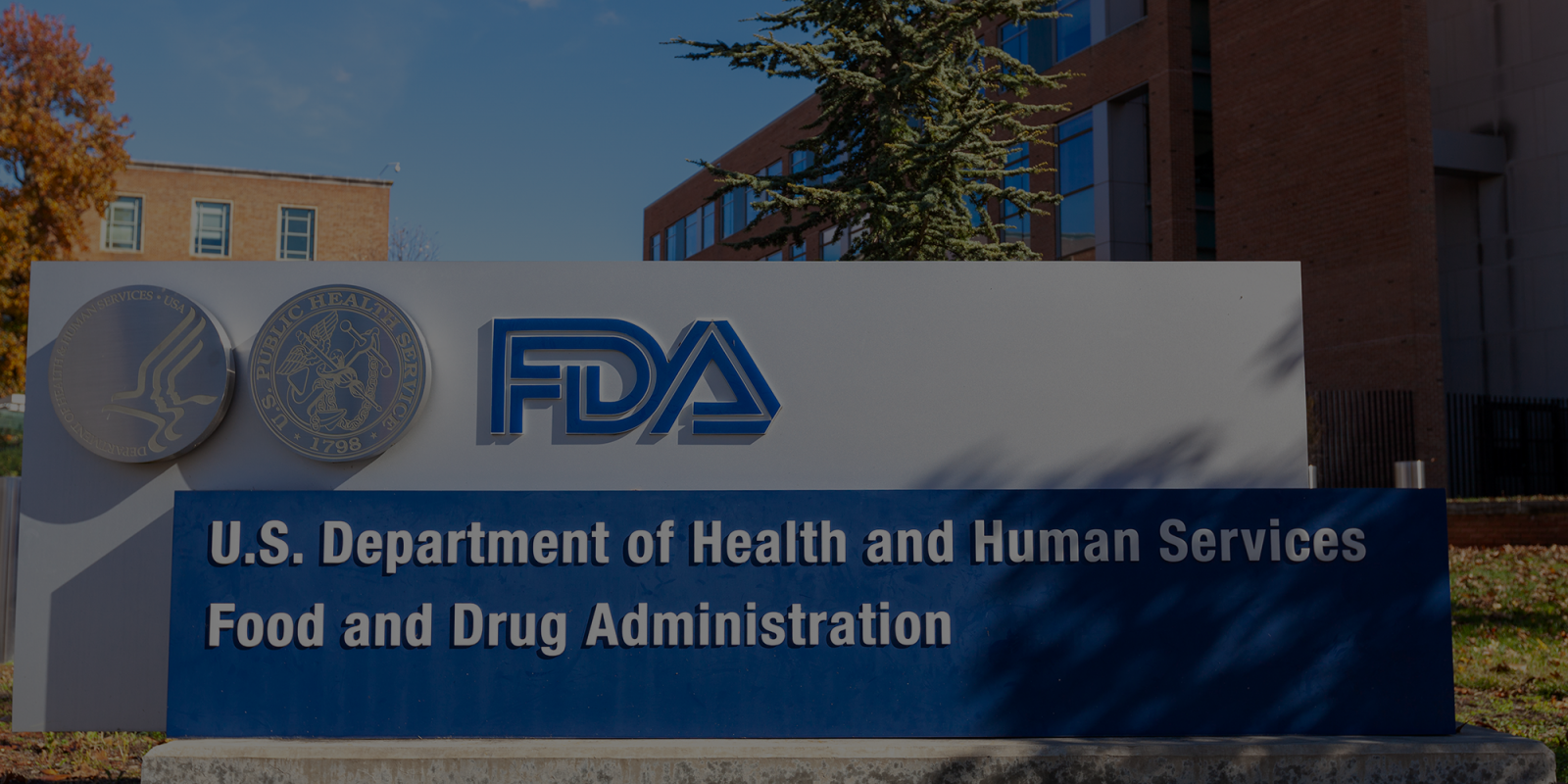
The FDA and USDA regulate food and drug products, enforcing processes for notifying the public. Most of this takes place through indirect means such as posted recall lists, press releases, and agency social media accounts. Unlike automobile recalls, food and drug recalls rarely reach consumers directly. One notable exception is Costco, which employs a membership model that includes direct-to-purchaser recall notifications.
Despite the pervasiveness of systems with detailed transaction records such as credit cards, loyalty cards, and, in the case of drugs, health insurance, the burden of learning about recalls falls largely on consumers.
Public reporting shows that 296 food recalls were issued between the FDA and USDA in 2024, with 487 hospitalizations and 19 deaths linked to contaminated foods, with a similar number of recalls (320) in 2025. Recalls can disproportionately affect older adults—in 2024, a multistate Listeria outbreak in deli meats hospitalized 60 people and resulted in 10 deaths; the median age of those affected was 78.
We cannot prevent recalls from occurring, but we can question whether there is a better way for consumers, particularly older adults and other vulnerable consumer groups, to be made aware of relevant recalls. To this end, in July and August, 2025, we deployed a survey to learn more about consumer attitudes toward food and drug recalls and their impact. We collaborated with the Allergy & Asthma Network, a national patient advocacy and consumer protection organization. Our primary goal in studying consumer attitudes was to develop feasible future solutions.
When asked what frustrated them most about current recall systems, our 120 survey respondents were most concerned that relevant recalls didn’t reach them directly in a timely fashion. Other frustrations were how recalls were worded, including too little about the reason for the recall and potential consequences of consumption.
‘Improving recall communication represents a tangible opportunity to enhance public safety that we believe is achievable in the short term.’
Responses to proposed improvements to the notification landscape directly mirrored these concerns, with a strong preference expressed for personalized, real-time alerts through text, email, or mobile push notifications. More than half of survey respondents approved of using loyalty or membership cards, credit cards, registering for a separate service or app, and using health insurance data to link their purchases to personalized recall notifications, with the majority (86%) supporting use of more than one method. Our findings suggest that consumers want timely, tailored recall notifications that integrate into existing purchasing and communication systems.
Our respondents were U.S. adults ages 18 and older, and attitudes toward food and drug recall systems were similar across age groups. But we know that the stakes for older adults, particularly those managing chronic illnesses or allergies, are higher. For these individuals, a timely, relevant notification could be lifesaving. For example, in 2023, an outbreak of extensively drug-resistant Pseudomonas linked to contaminated artificial tears affected 81 people, causing 14 cases of vision loss, four eye removals, and four deaths. The median age of patients affected by the recall was 63.
Prevention remains the gold standard for eliminating or reducing food and drug recalls. However, improving recall communication represents a tangible opportunity to enhance public safety that we believe is achievable in the short term. Existing transaction log infrastructure may provide a feasible foundation for implementing a personalized system of real-time alerts, ensuring accuracy and thoroughness to inform purchasers without contributing to notification fatigue. Consumers in our study expressed clear dissatisfaction with current notification methods and enthusiasm for alternatives that gave them timely, personalized notifications when a food or drug they purchased was recalled.
Our paper detailing these findings, “Improving Food and Medication Recall Notifications to Enhance Consumer Safety: Survey of Consumer Attitudes,” is under review for publication at JMIR Formative Research.
Lisa Gualtieri, PhD, ScM, is deputy director of Innovation and an adjunct professor in the Master of Science in Health Systems at Cedars-Sinai Health Sciences University in Los Angeles. Ryan Main, MS, BS is a fourth-year medical student at Tufts University School of Medicine in Boston.
We acknowledge and appreciate our colleagues who assisted with this research: Ranjalika Devi at Cedars-Sinai Health Sciences University and Sutter Health, Tori Martel and De De Gardner, both at Allergy & Asthma Network, and Grace Sheng and Isaac Baek, both at Tufts University School of Medicine.
Photo credit: Shutterstock