
There’s a rhythm that runs through my life, an instinctive pulse toward human connection. One of my earliest memories of feeling its pull was at age 10. My mother was recovering from surgery, so our family went to a local diner for Thanksgiving. As I looked around, I saw older adults eating alone, people the age of my grandmother, and I became so upset I insisted my parents invite them all home with us. I cried; my younger siblings cried because I cried. Even then I sensed that no one should experience life alone.
That moment makes sense in retrospect: I was raised in a world where doors were open, neighbors flowed in and out, my grandmother lived with us, and my parents, with other local families, were building a new school from scratch. Community wasn’t an event; it was an ecosystem. That understanding has shaped everything I’ve done since.
My purpose, the throughline from childhood to my almost 25 years at DOROT, has been to create environments where people of different ages and backgrounds experience the fullness of one another’s humanity. I’ve always believed that generations are meant to live in relationship, not in isolation. What I didn’t know in that diner, I see clearly now; when we break down the walls that keep age groups apart, something essential returns to all of us.
At DOROT (Hebrew for “generations”), our mission is to address social isolation and loneliness among older adults by bringing generations together for mutual benefit. In 2025, DOROT served 6,697 older adults and engaged 8,215 volunteers of all ages who dedicated 49,225 hours of their time. A simple visit, a shared story, a piece of music, or even an hour or two of tech coaching can become a source of meaning for both older and younger participants. The exchange is reciprocal, a kind of “boomerang effect,” only in this case it’s a back and forth where wisdom and fresh perspective move from one person to the other.
‘What once felt like a “nice” addition to community life has become a societal imperative.’
Today, the need for social connection is profound. What once felt like a “nice” addition to community life has become a societal imperative. The pandemic made clear that loneliness is a shared experience across generations. My work is to design spaces where connection is not accidental but intentional, where people come away feeling less alone and more a part of something enduring.
It’s in these intentionally crafted spaces that stories unfold into moments when connection stops being an idea and becomes something you can see, hear, and feel taking shape between people.
To make those moments possible, DOROT offers a range of opportunities for older adults to connect with younger generations in ways that reflect their interests, comfort and capacities. Our programs are free and take place in person, on Zoom, over the telephone, and in older adults’ homes across Manhattan and Westchester. All are designed not around delivering services, but around relationship‑building.
Whether through one‑to‑one visits, weekly phone calls, or shared learning and creative workshops, the goal is the same: to provide life‑enhancing social connection for people ages 60 and older, and to ensure that engagement feels human, reciprocal and sustaining.
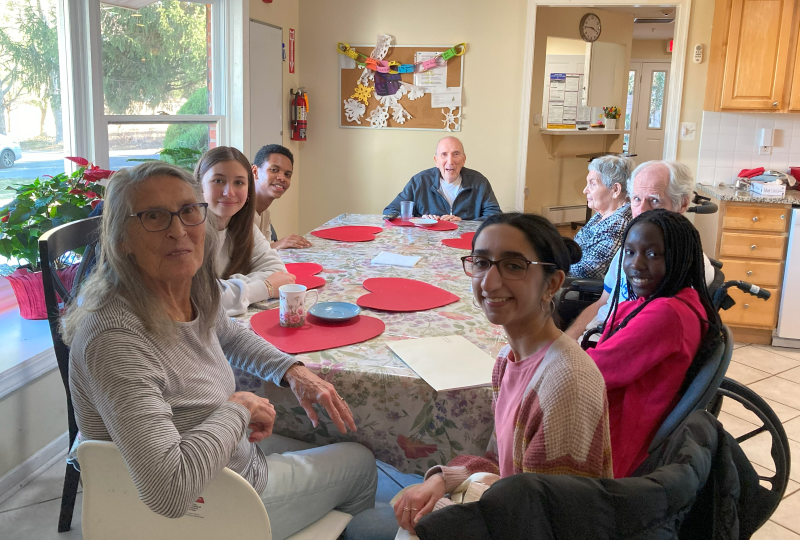
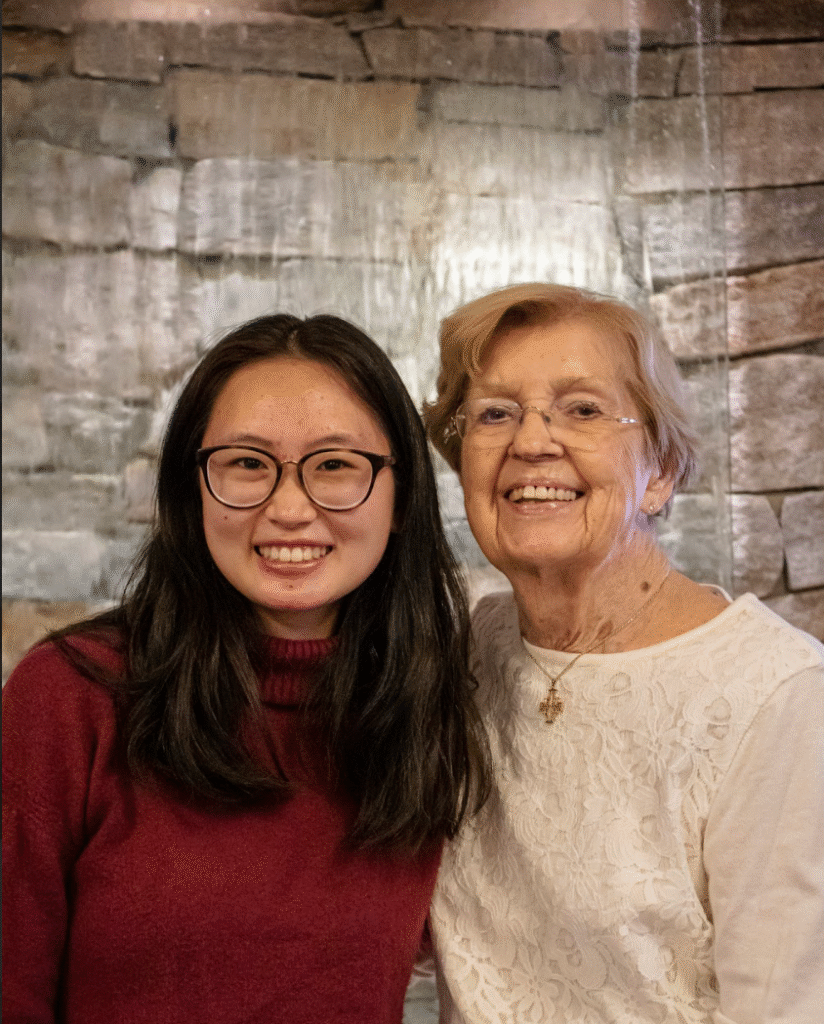
Every year at DOROT, I watch rooms filled with strangers become something more durable. I see it in a shared laugh, a brave question, a story offered at just the right moment. Alexa, a teen intern who spent her high school years volunteering with DOROT, told us her week revolved around the afternoons she spent playing chess with older adults.
What began as a quiet game on opposite sides of a board became, over time, a circle of people trading stories about Shakespeare, escapes from war‑torn Europe, and the small acts of courage that shape a life. “These conversations never fail to enhance my week,” she said. “I’ve learned gratitude … one move at a time.”
And then there is Arlene, an 82-year-old who called a staff person before her first home visit session with teens to confess she feared they “wouldn’t enjoy her.” My colleague reassured her that connection doesn’t begin with certainty—it begins with presence. After six visits, she told our staff, with glowing surprise, that the experience was “profoundly humane.”
She watched teens open up to one another about family, hopes, and the uneven realities of their lives. “They learned so much from each other,” she said—and from her, too.
What moves me most is the simple truth that people who might never have crossed paths can change one another’s sense of what is possible just by sharing time, attention and a little bit of themselves.
These individual moments matter, but their impact becomes clearer when we look across our programs year after year, through the measurable ways in which intergenerational connections shape the experience of volunteers and older adults. Across all our programs for teens and older adults, we track the same core outcomes that reflect our philosophy and pedagogy: We want participants to build meaningful, mutually beneficial relationships that help break down social barriers and reduce the effects of ageism, loneliness, and isolation.
DOROT conducts a survey for participants to elicit feedback about their experiences in the program, including understanding our impact on their levels of social engagement and generational perceptions. We mainly use a short-term approach, while some programs have a tiered evaluation to also determine longer-term impact (one year or more after completing their last activity) and assess the resonance of specific content and activities.
‘Connection isn’t a task. It’s a relationship. And occasionally, a relationship reshapes you.’
Our surveys measure the degree to which each generation feels they benefited from learning and spending time together. We also measure how our programs create opportunities to exchange wisdom, insight, and life experience. And through another metric, we capture participant perceptions of the degree to which their experience with us influenced a stronger sense of meaning, belonging, and compassion, along with new ways to form friendships and community.
This work becomes personal for every staff member. How could it not? When you sit with people long enough, listening to their stories, noticing the details they don’t say aloud, you begin to understand that connection isn’t a task. It’s a relationship. And occasionally, a relationship reshapes you.
For me, that relationship was with someone named Ted Comet, and what I learned from him continues to guide my work
I first met Ted and his wife, Shoshana, at a concert. Shoshana lived with dementia, and true to form, I immediately told Ted about DOROT and asked if he wanted to be involved. With a twinkle in his eye, he said he’d consider it, but only if I came to see Shoshana’s tapestries first. He found new purpose sharing Shoshana’s woven story of surviving the Holocaust and transforming trauma into art.
What had begun as a home visit grew into one of DOROT’s ongoing intergenerational offerings, the Tapestry Tour, which reached more than 1,500 people and which Ted continued to lead until he was a few months shy of turning 101. His dedication helped make him one of our Annual Benefit honorees in 2023. That first visit changed both our lives. In time, Ted became a mentor.
Ted’s belief was simple and unwavering: if you open your door and your heart, people will walk in, learn something essential, and carry it forward. Ted lived that truth daily, offering his home, his story, and his resilience to thousands. In doing so, he reminded me, and all of us at DOROT, that intergenerational connection is not just a program model. It’s a way of living with purpose, presence, and generosity.
I end this article here, with Ted, because it feels right that these reflections will be published on the first anniversary of his passing. Jewish tradition teaches that a soul’s legacy grows clearer in the year after death, as if time itself sharpens what mattered most.
Ted embodied what I hope all our work can make possible: that across generations we change one another not through grand gestures, but through the quiet, steady practice of showing up—openly, and with the intention to see and be seen. On this anniversary, Ted’s memory reminds me that connection is not just what we facilitate at DOROT; it is the way we are meant to move through the world.
Judith Turner, MA, Ed.M, is senior program officer, Volunteer Services and Intergenerational Programs at DOROT, visit dorotusa.org for more information.
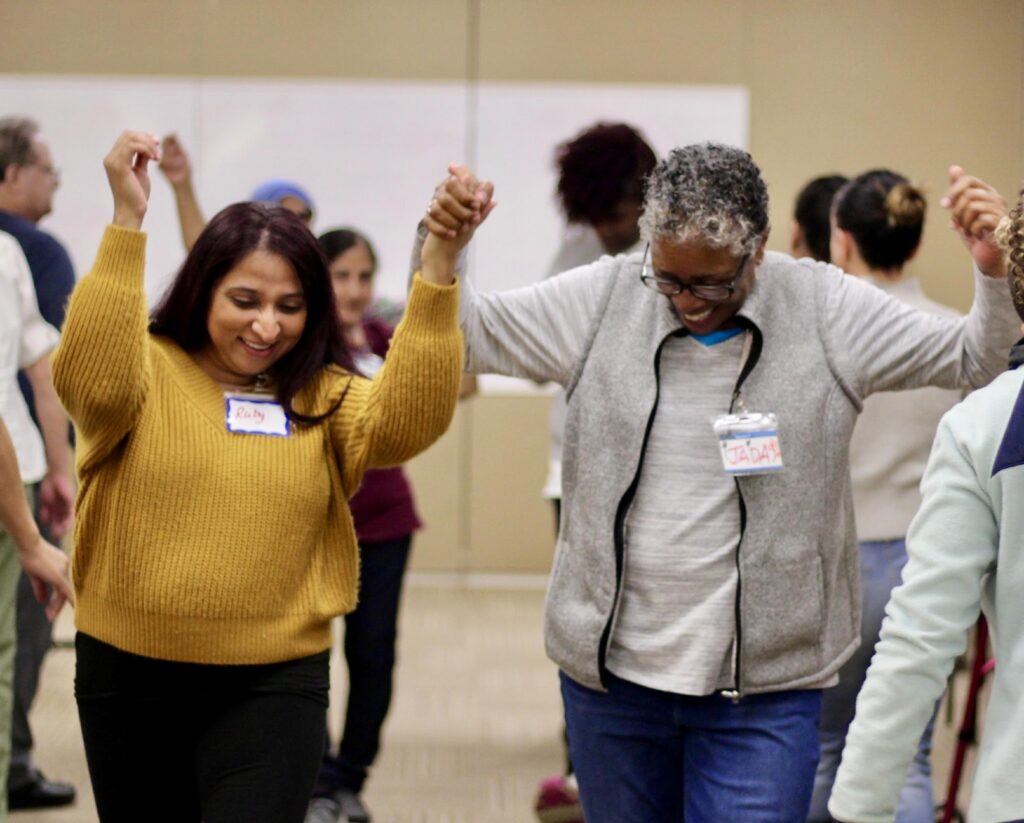
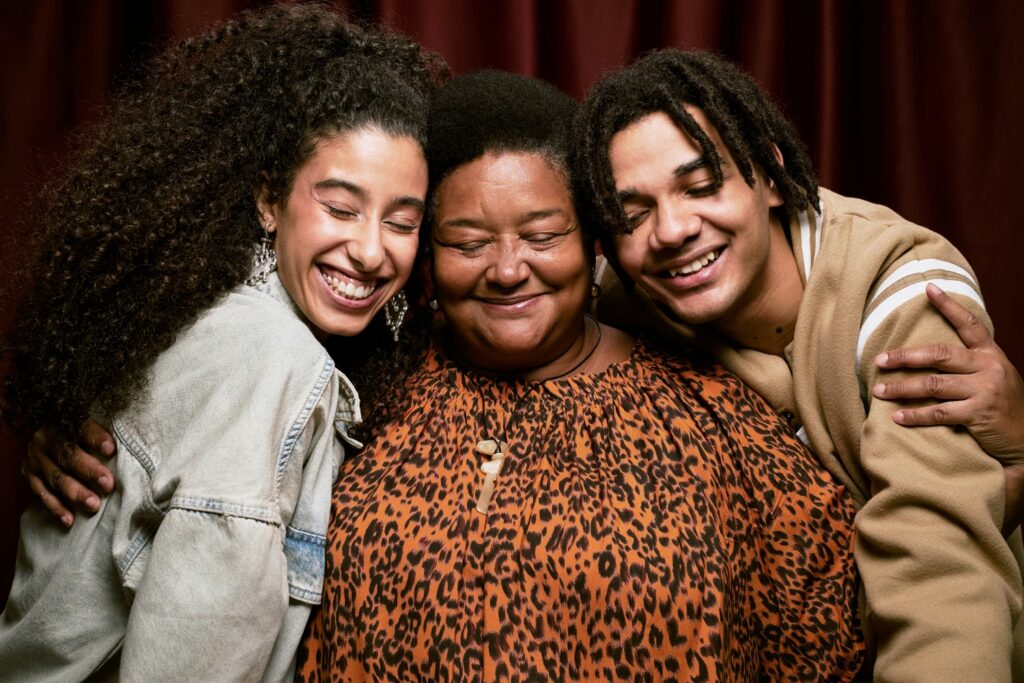
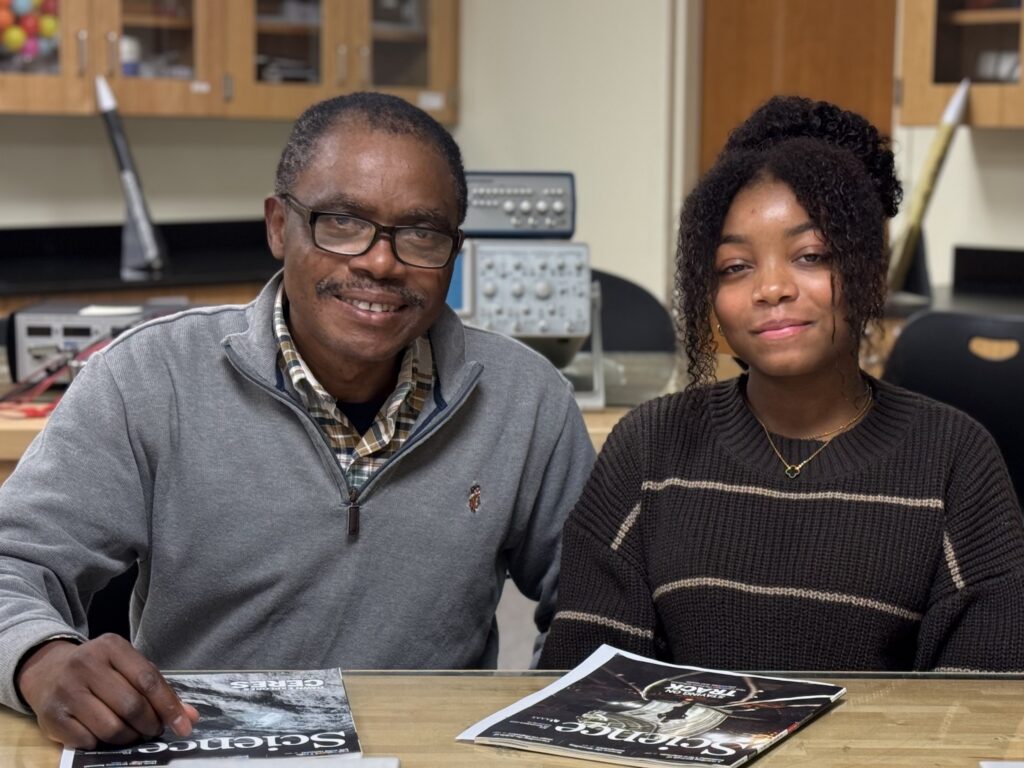
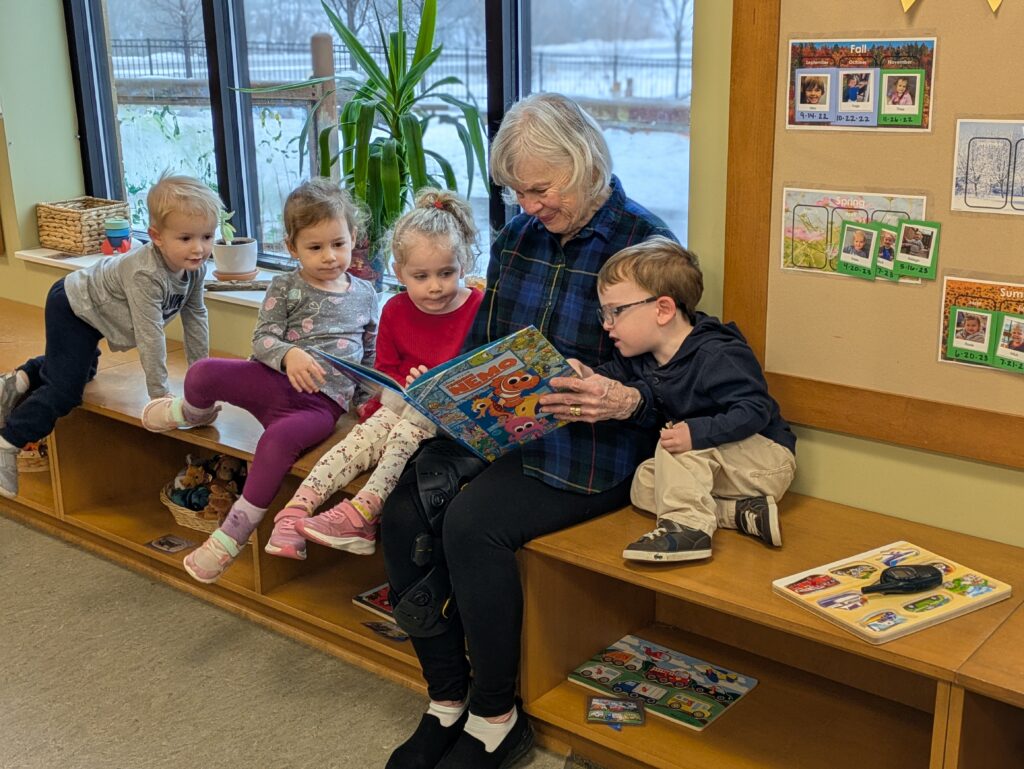
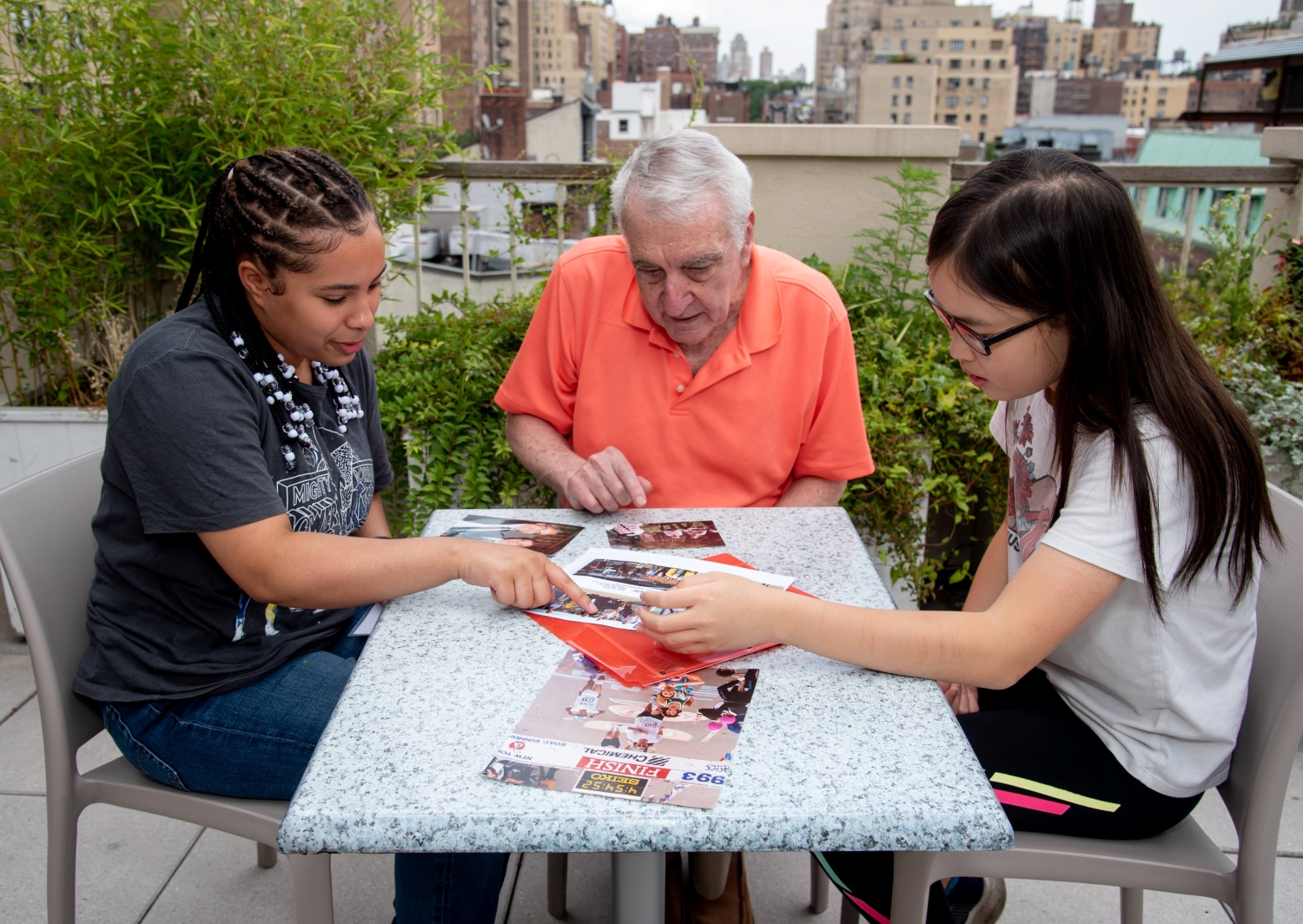
Photo caption: A moment of connections across generations via DOROT.
Photo credit: Melanie Einzig.