
Prescient in the past, relevant today.

ASA’s Golden Child, Generations
read more
Prescient in the past, relevant today.

Firsthand testimonials on the benefits of the ASA RISE mentor/mentee relationship.

An ASA RISE Fellow’s journey from feeling left out to fitting right in.

Landing in the right cohort, with the right mentor, meant a real transformation for one RISE fellow.

How benefits from the fellowship program trickle up to its consultant.

Using the commemorative day as an inspiration for one’s life work.
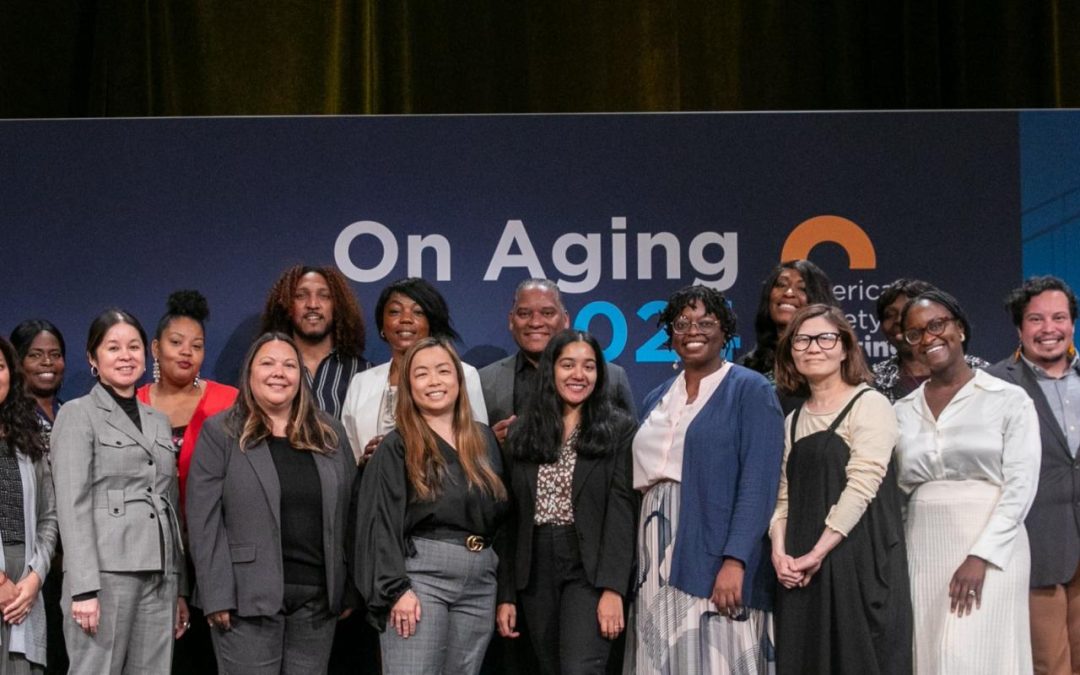
First-person experience can be a powerful teacher when it comes to care and caregiving.

Guidelines lay out how to connect elders with HIV to services and educate service providers on HIV.

Amplify their voices and prioritize their needs.

Exploring the journeys of distinguished Black men through the lens of their lived experiences with trauma, PTSD, loss and stigma, using visual narratives.
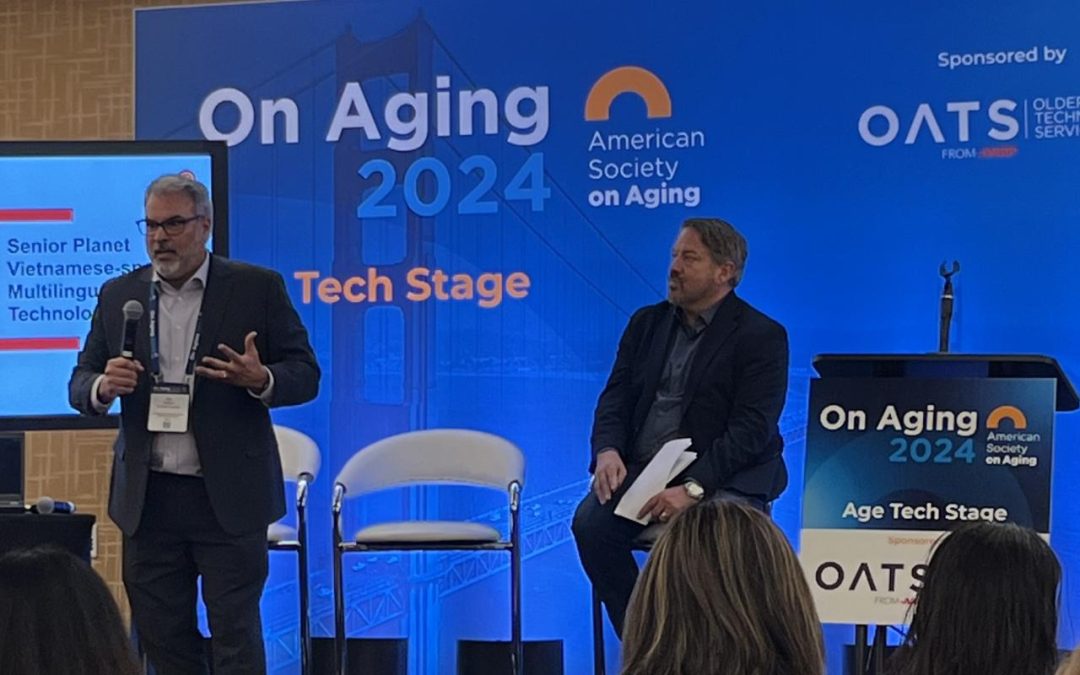
Why representation at all levels of organizations, including the highest, is so critical to solving complex inequities.

Addressing needs of undocumented immigrants, those with serious mental illness, and those with intellectual disabilities.

Highly effective therapy for victims of crime and elder abuse reduces depression.
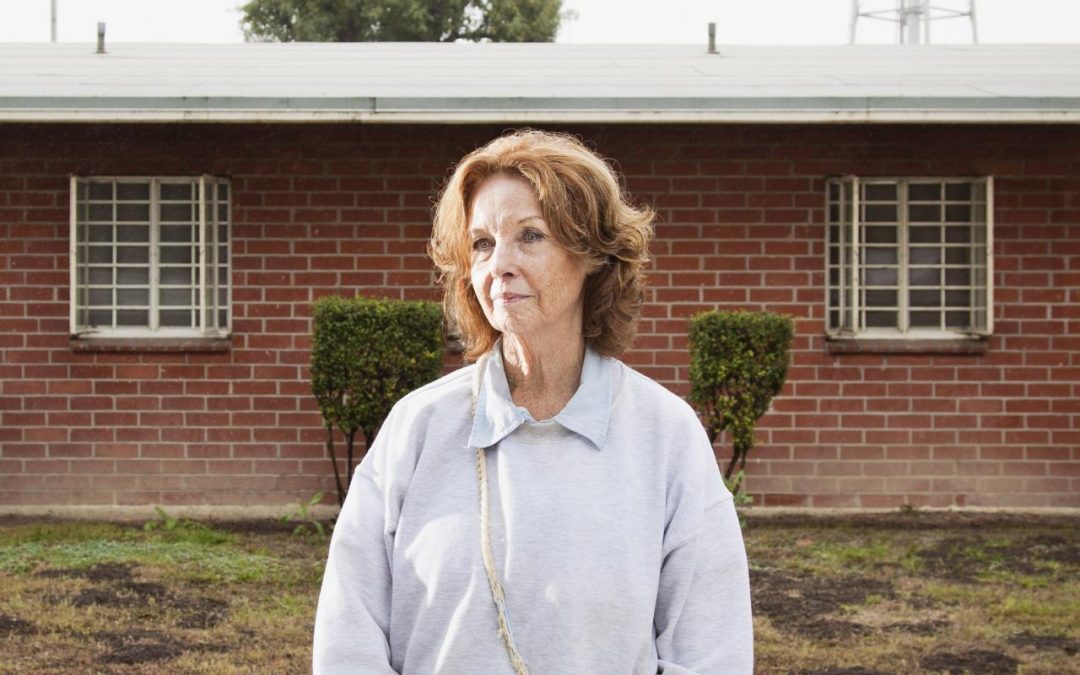
‘Older adults in California prisons, including those with chronic (but not totally disabling) illnesses are mandated to work every day.’
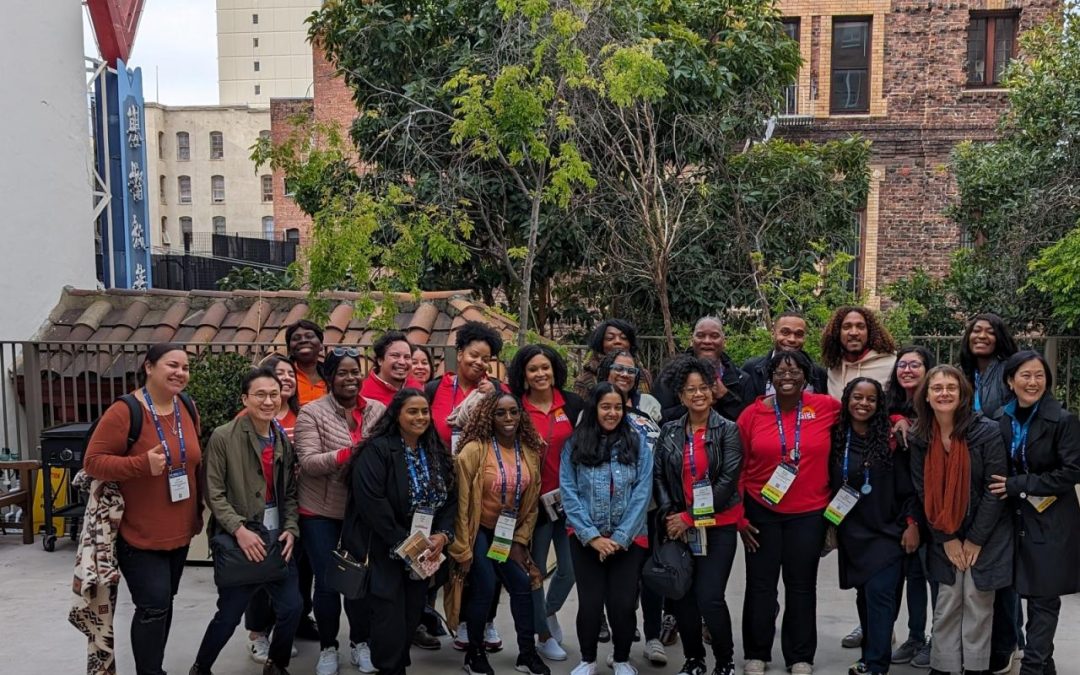
‘ASA RISE has been the vitamin boost I needed to continue advocating for older adults with even more passion, power and a community of believers backing me.’
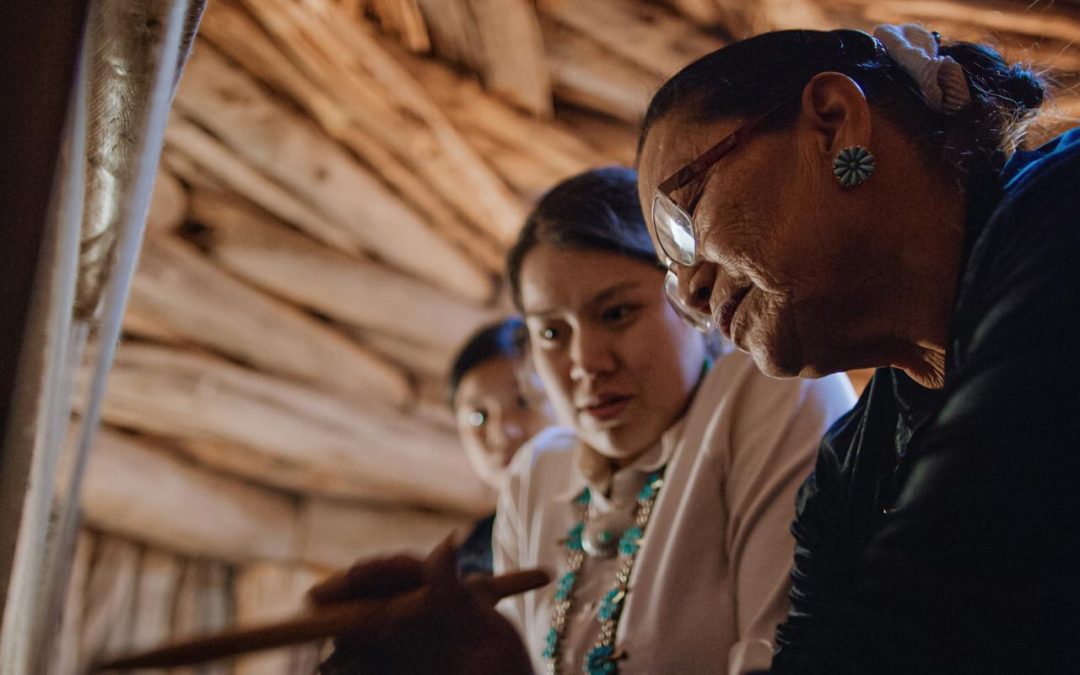
A disconnection from tradition and difficulty accessing Native foods play into high rates of obesity among older Indigenous peoples.
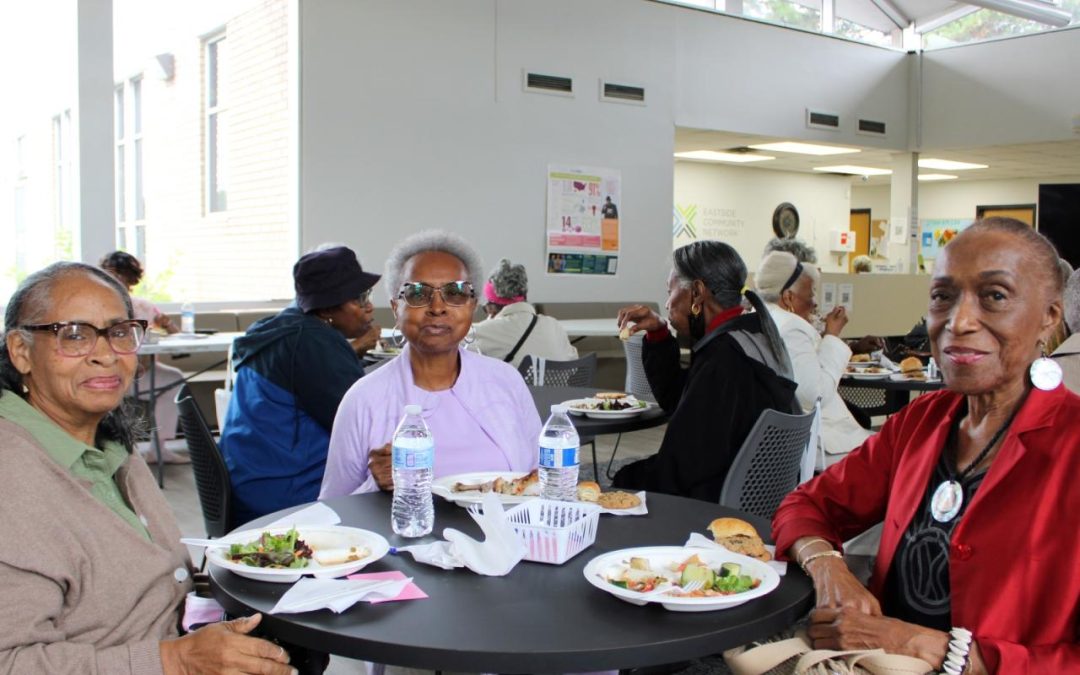
‘In addition to consulting on specific projects, the program provided perspectives to multiple audiences.’
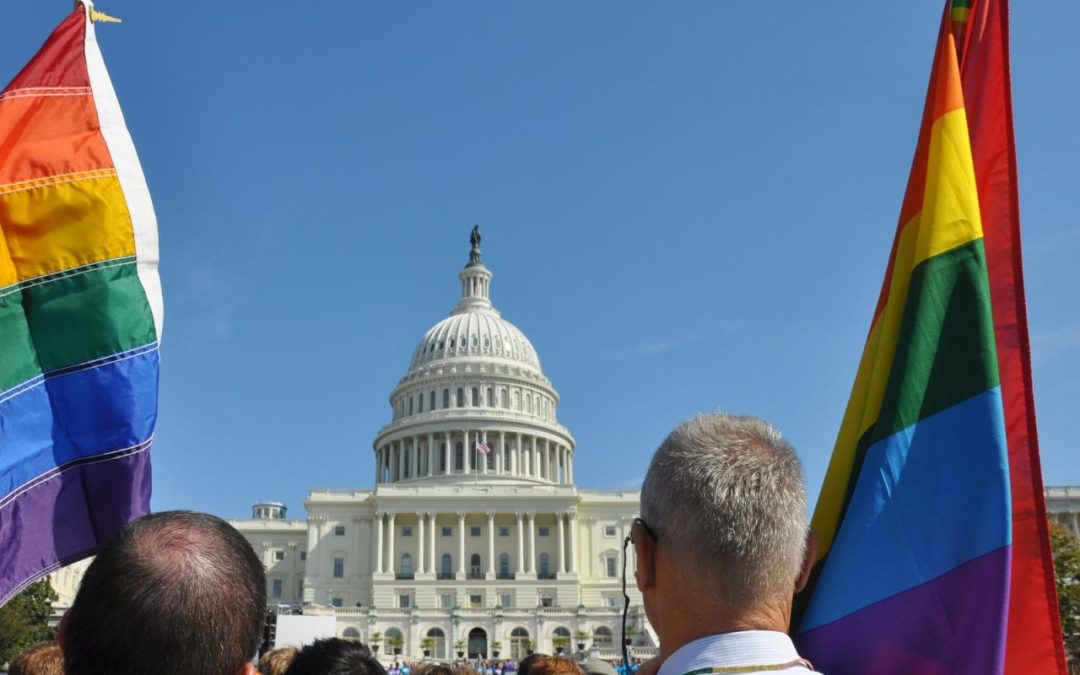
Connecting among generations to advocate on shared issues can be the most effective way to get things done.

Ernest Gonzales is laser-focused on ensuring everyone has choices to live productively.

Indigenous perspectives in health research are critical if we are to resolve enduring structural inequities in this population.