
Maryland Department of Aging routinely recycles durable medical equipment for those who need it.
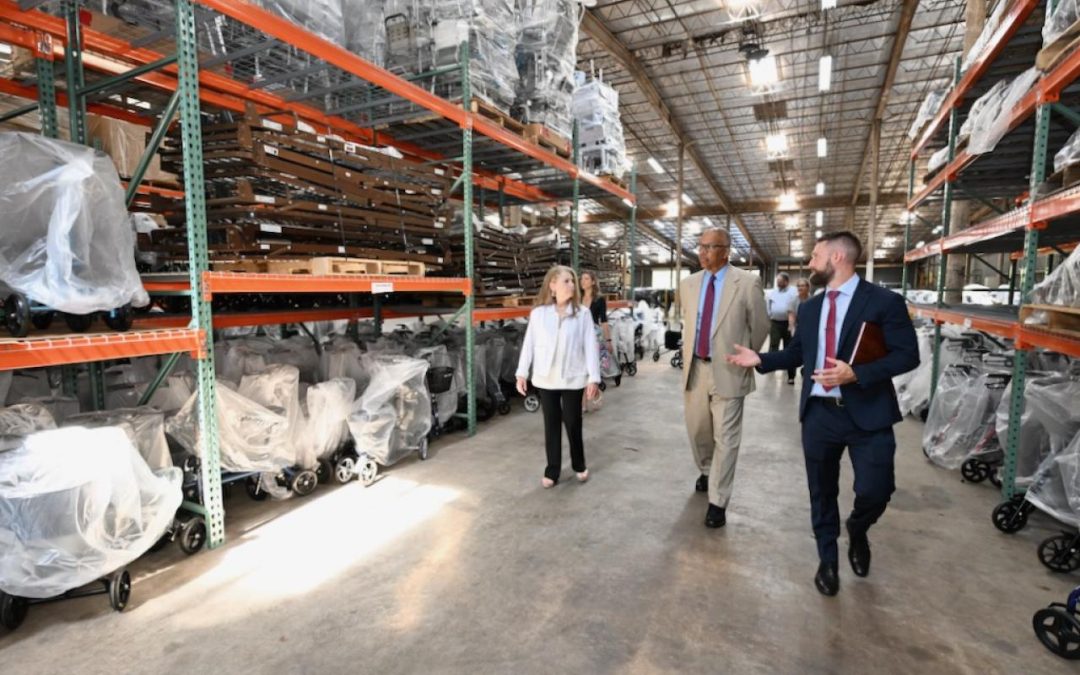
Reduce, Reuse, and Recycle: Or How to Save DME from Ending Up in the Landfill
read more
Maryland Department of Aging routinely recycles durable medical equipment for those who need it.
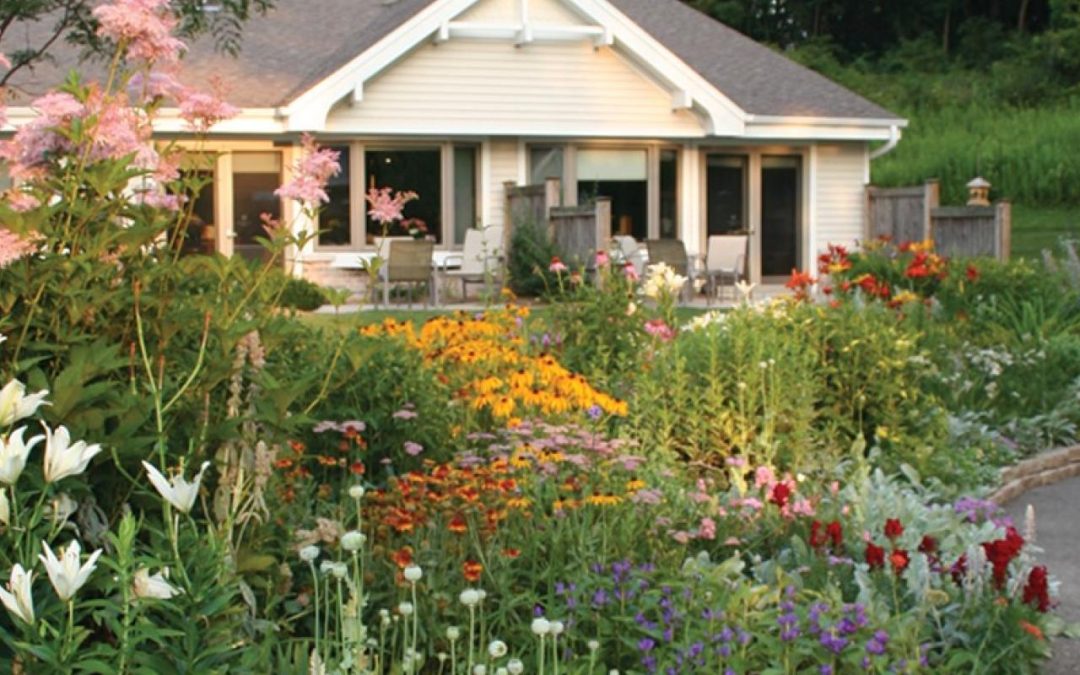
Access to nature returned my mother’s will to live—and made me a biophilia advocate.
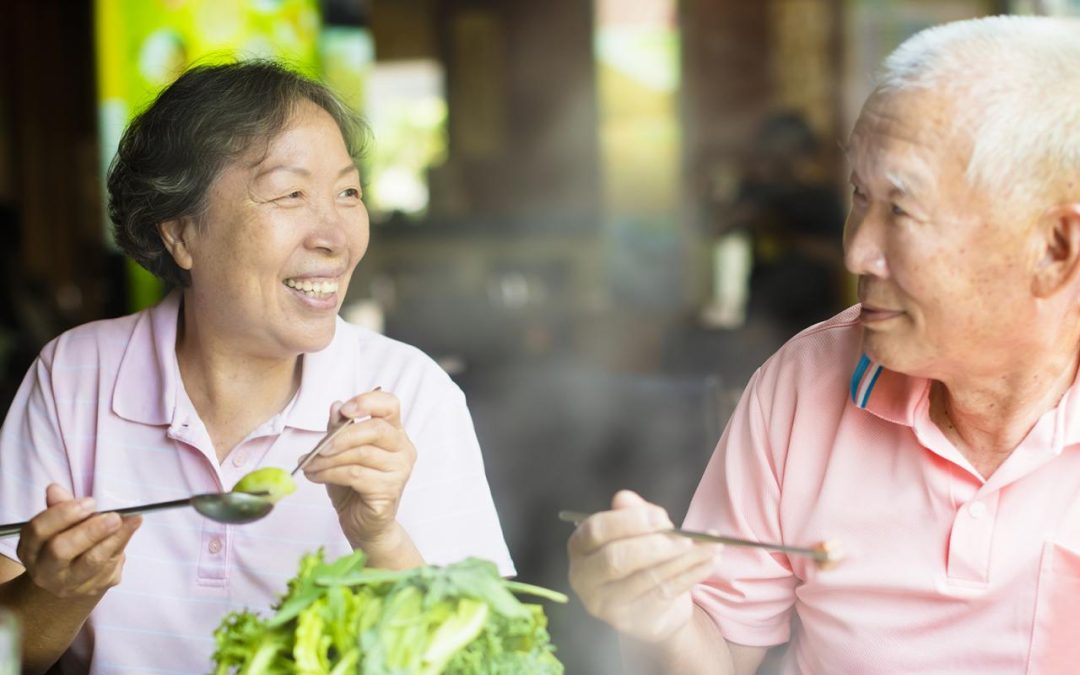
‘Previous research has shown the value of nutrition in reducing hospital length of stay and readmission rates in surgery patients.’

How an artist’s work was transformed by dementia.

A portrait and interview project by Aging Well WhatCom explores what it means to age in a certain place and includes fascinating personal histories.

‘When we sit together in the same space, we all gain new insight and inspiration.’

‘How can we shift our expectations of the consumer to include all of our consumers?’

Earning the trust of African American elders in hospice and care at the end of life.
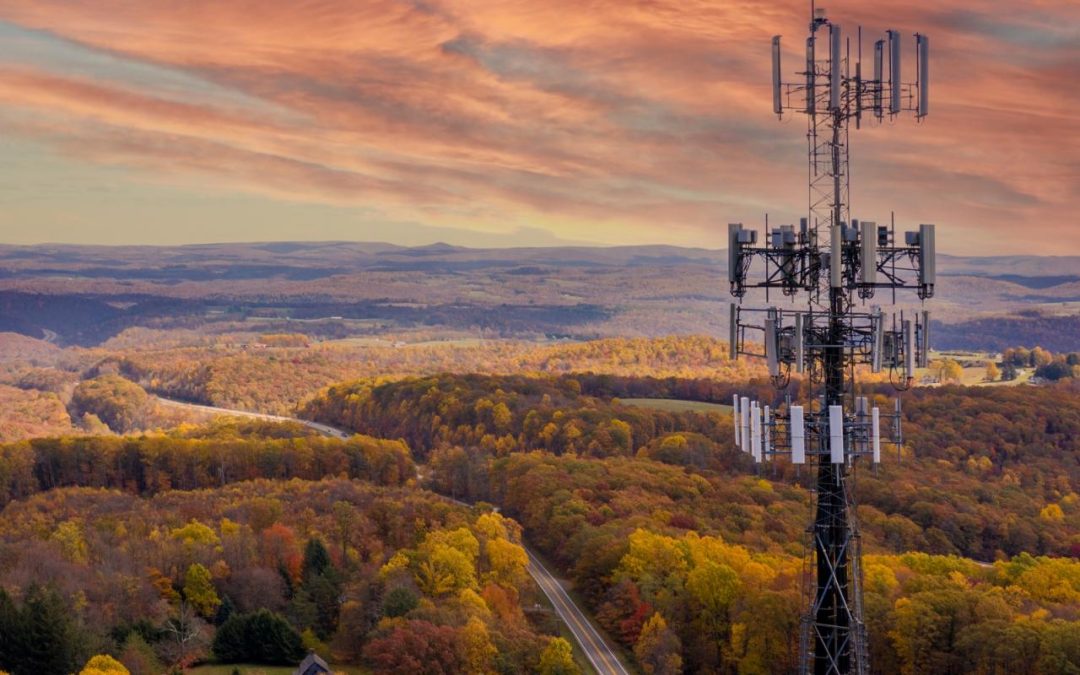
Broadband connection for older adults in the U.S. is only 64%, making it nearly impossible to conduct business in the modern world.

Data from the Care Connections Program shows benefits for training elders to use devices for socializing and healthcare.
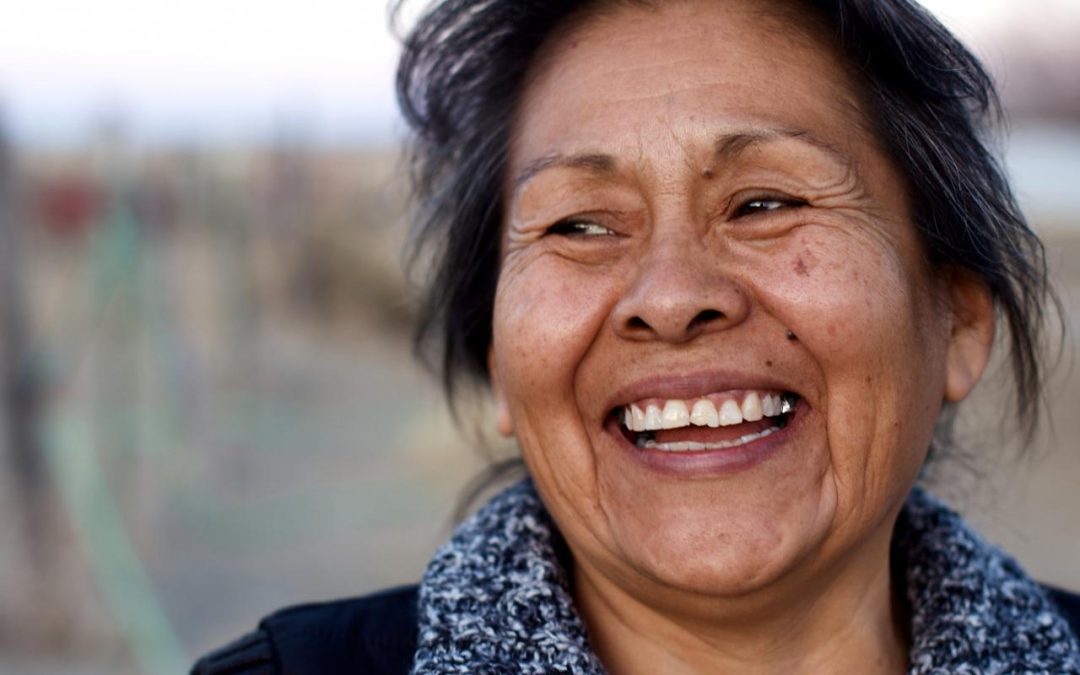
Many Indigenous elders are leading language revitalization pushes for their tribes.

‘Communities RISE builds on the civic muscle of more than 2,400 community-based organizations.’
Take a break from vacation and get that On Aging proposal polished!
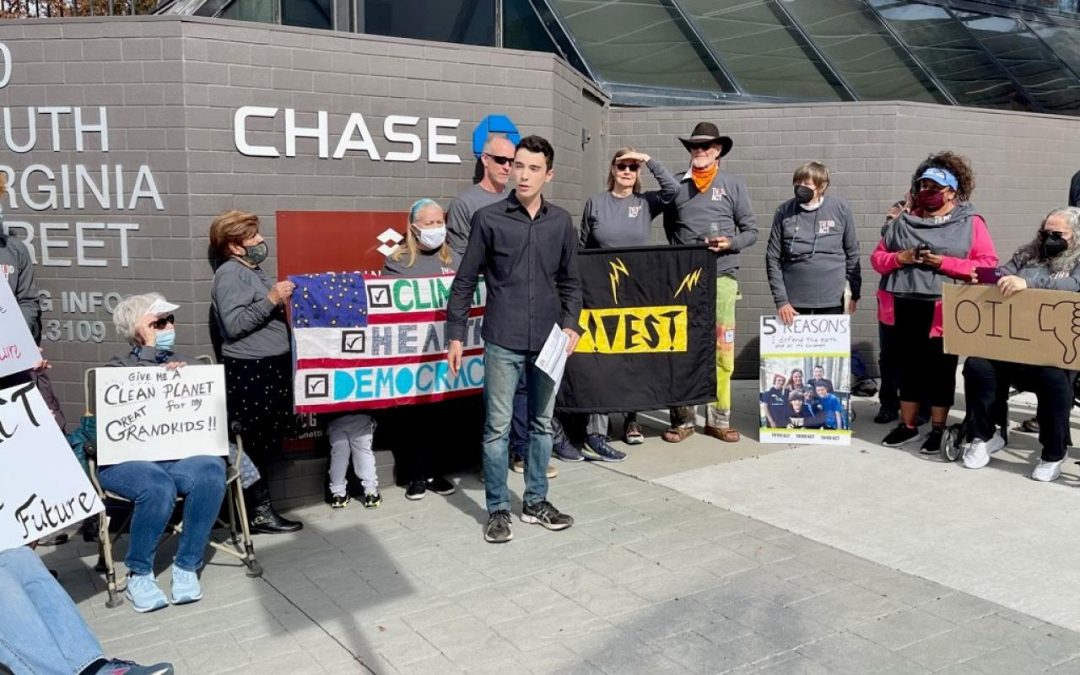
It’s time for elders to take action against the big money that supports fossil fuels.

Congregations can become a refuge for people processing grief over climate change and spur advocacy and action to halt it.
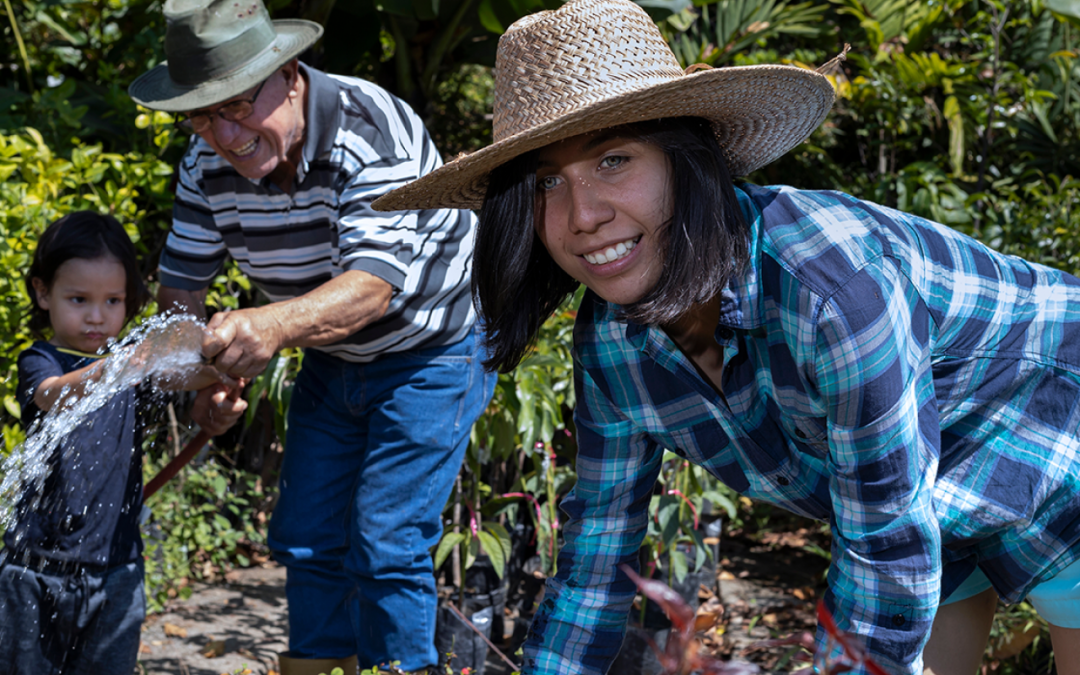
How can older adults benefit from being involved and effecting real change?
Perspectives from a life-plan community.
Local community relationships have proven to be a powerful protector during the pandemic and when disasters strike.

‘The concept of a 20-minute neighborhood illustrates an approach that is both age- and eco-friendly.’

Older adults are poised to contribute to climate change actions, but advocacy organizations need to step up recruitment and improve volunteer work.