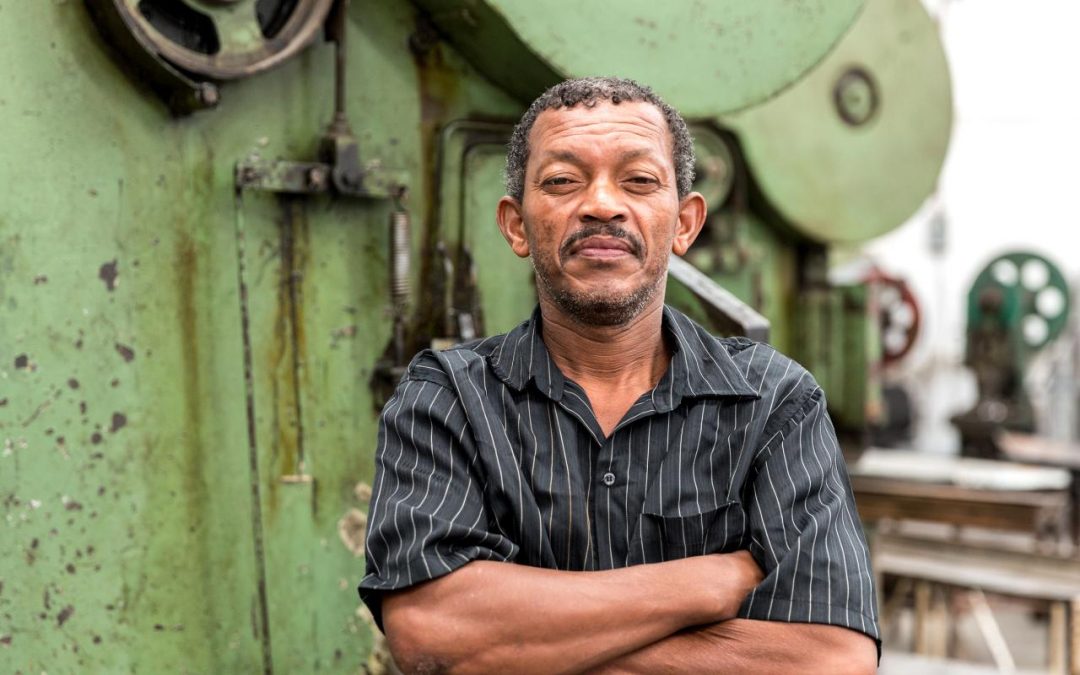
‘In 2019, 34 percent of workers were ages 50 and older, totaling almost 53 million workers.’
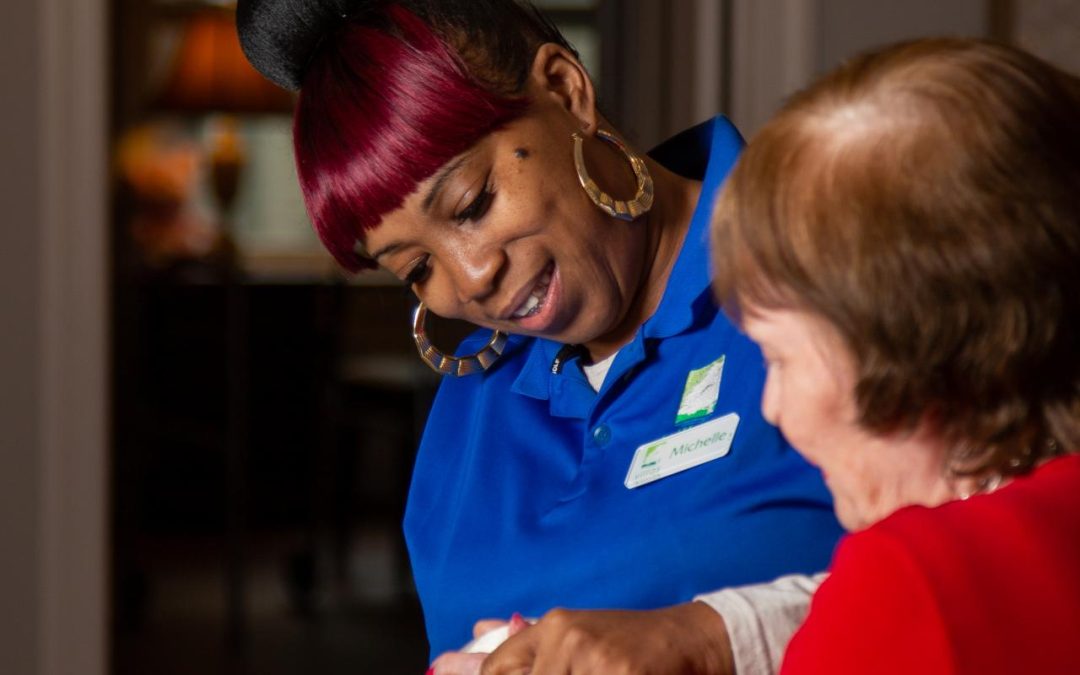
‘If I could make a change, it would be for this field to show more appreciation for what we do.’
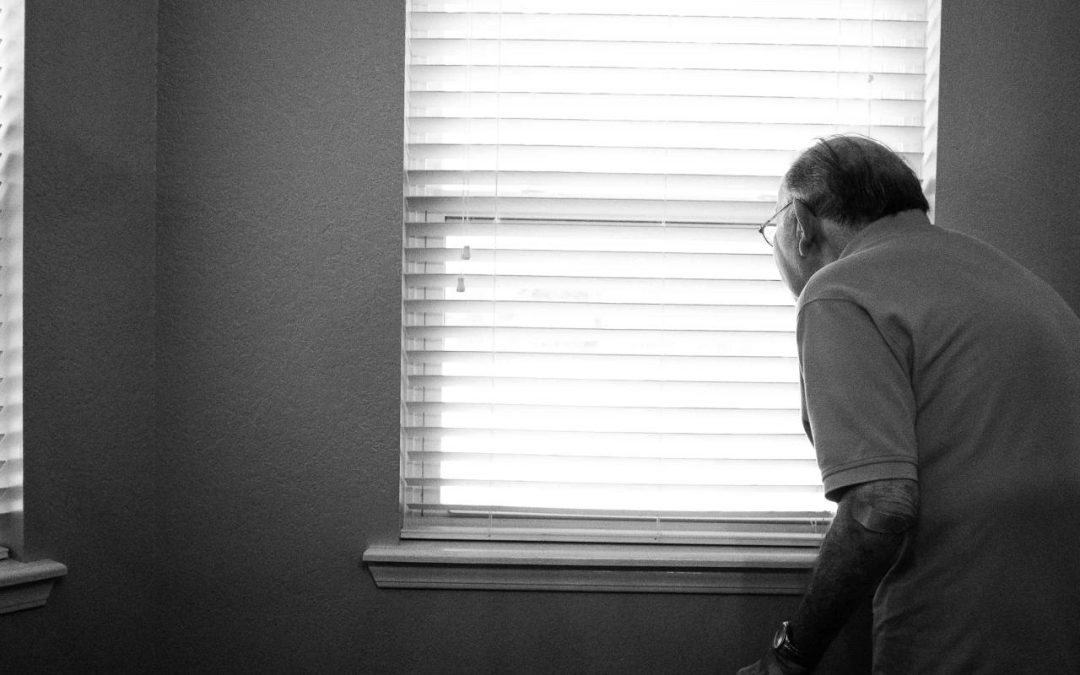
During the COVID-19 pandemic, the media has focused on numbers in nursing homes—numbers of cases, numbers of deaths—even numbers of staff or of face masks. Yet the news has missed the human experience behind those numbers.
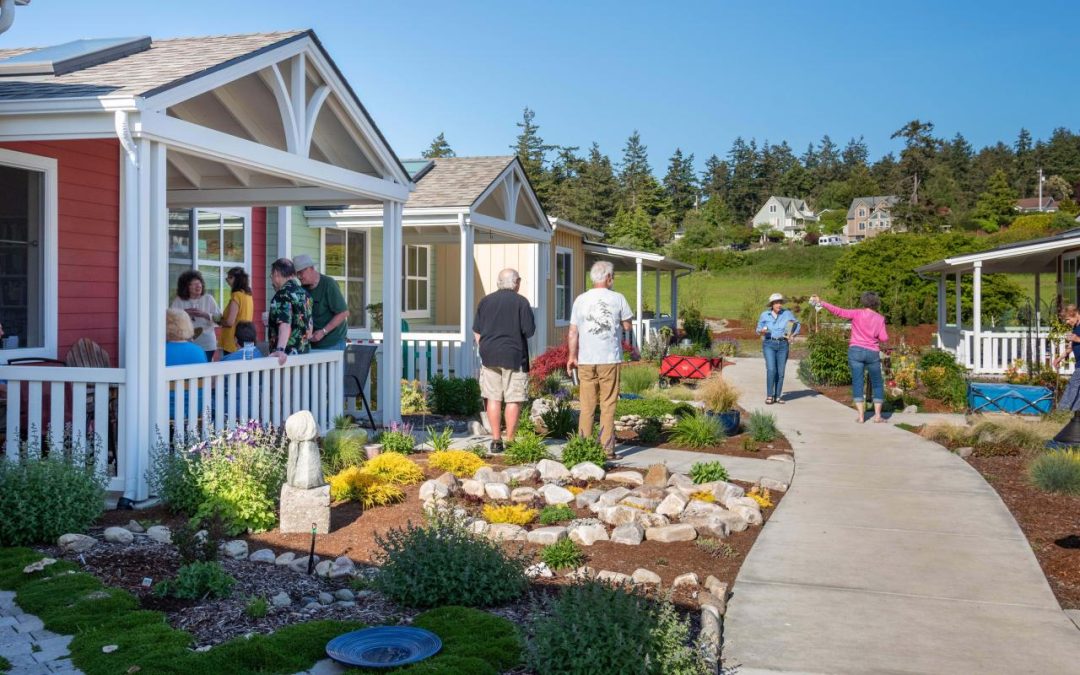
The time is ripe to consider housing for older adults and whether, generally, it aids social connection or prevents it. Architect Charles (Chuck) Durrett and gerontologist Alexandria Levitt likely have one solid answer.
Three new tech innovations that are helping support older adults during the COVID-19 pandemic
COVID-19 has highlighted our health system’s shortfalls, but it has also galvanized policymakers into action to achieve meaningful change. Thoughtful policy recommendations must address underlying community-level factors that promote social and health disparities.
‘People living with HIV often age into “no man’s land.” ‘
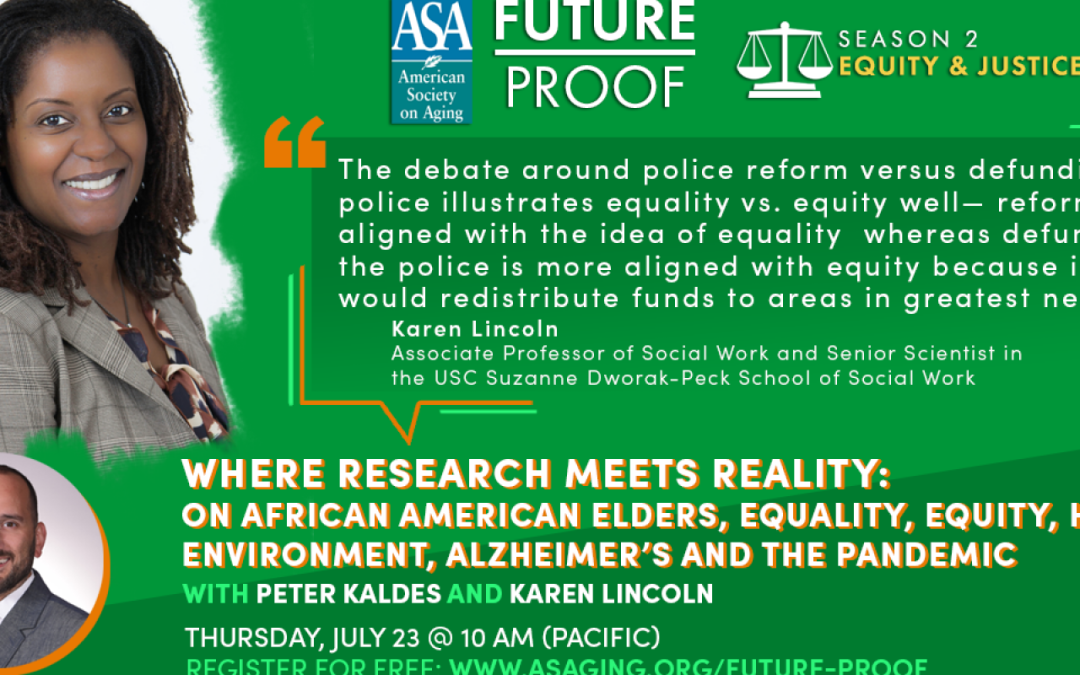
Peter Kaldes and Karen Lincoln explore where her research on social and economic inequality and equity intersects with her community practice work with older African Americans who have Alzheimer’s and other mental health conditions, as well as the impact of the coronavirus on this same population.
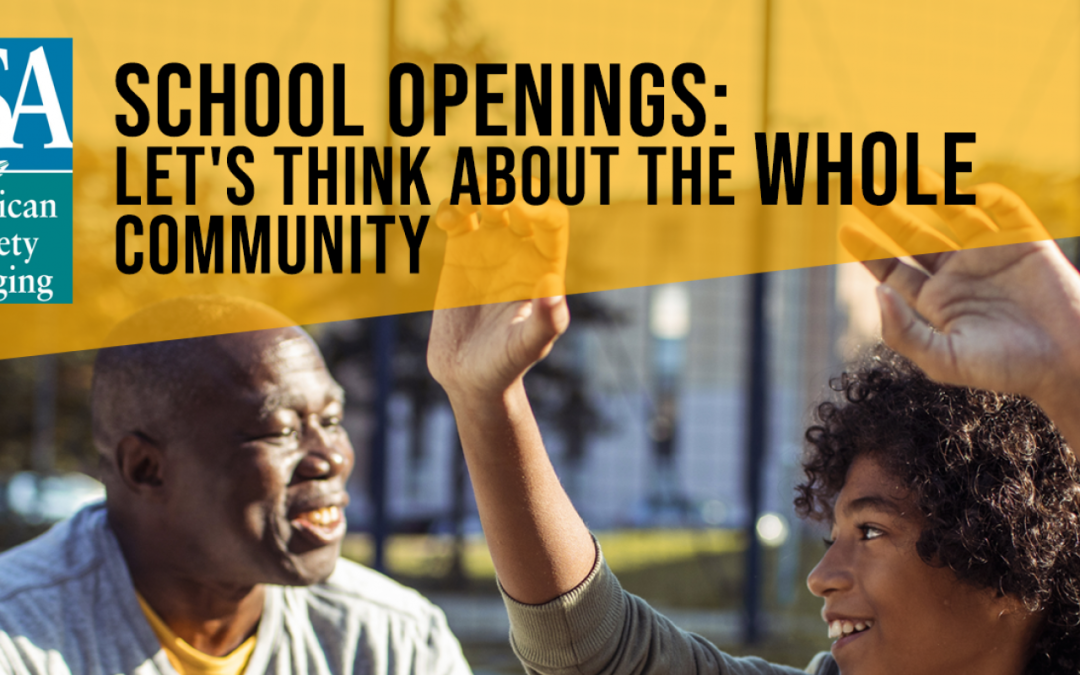
As members of communities that are struggling with school reopenings, you are a critical voice for all the older adults you serve. Tell your superintendents and elected officials that older adults must be considered when reopening schools.
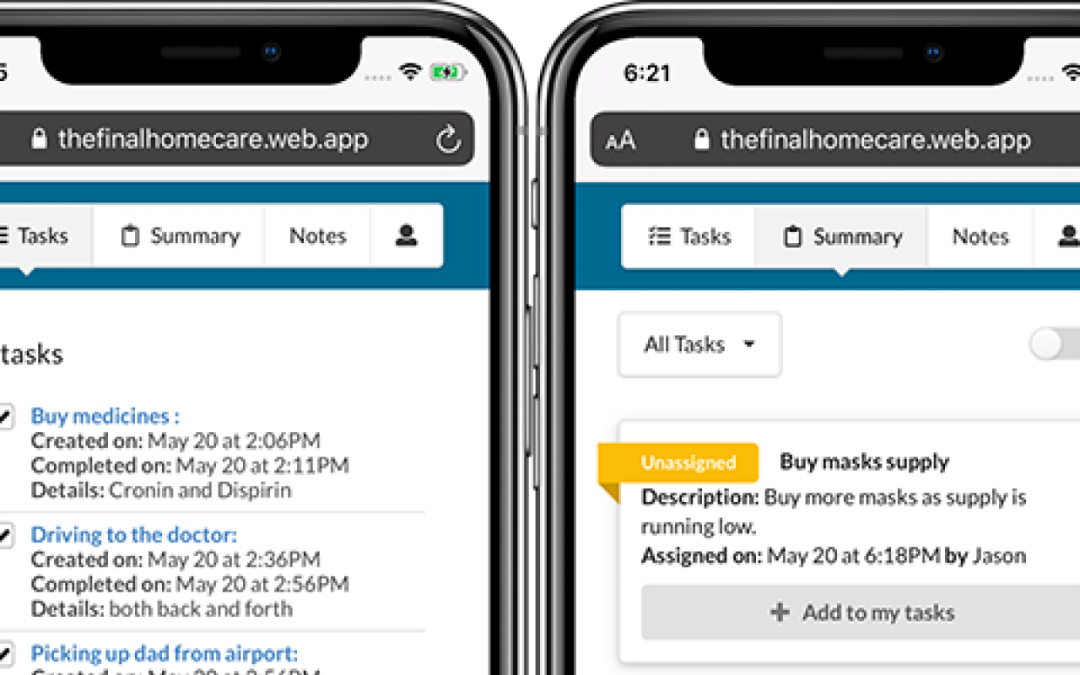
New app, designed by two college Northwestern University college students, streamlines communication between families of older adults and their caregivers, or between family members.
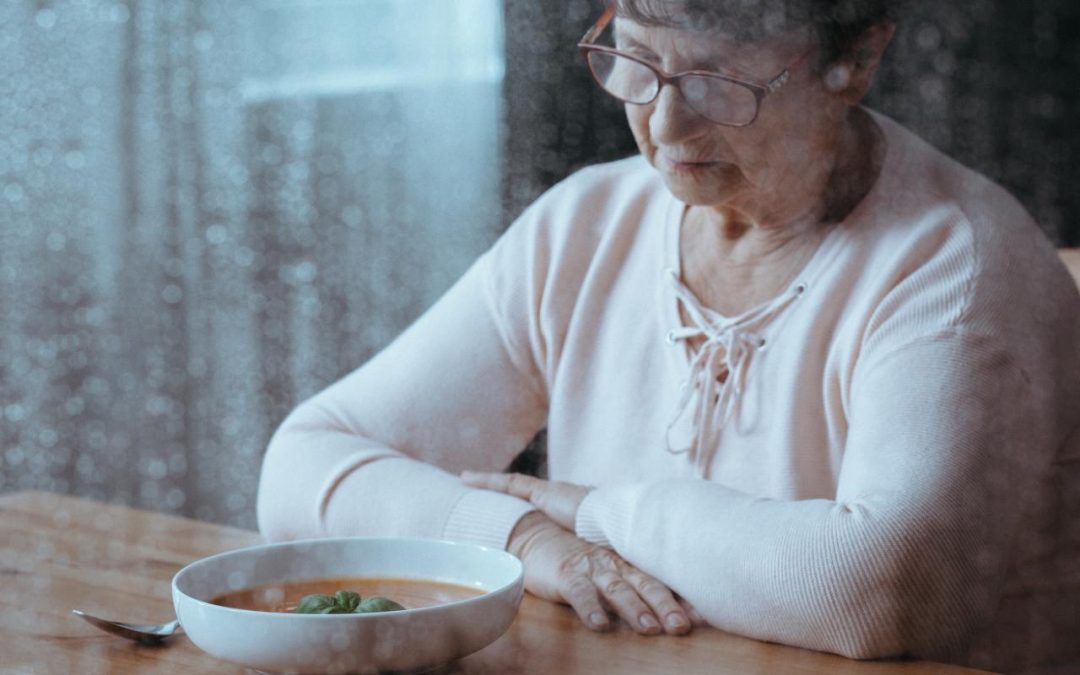
‘I find I choose medication over food. And I need to take food with my medication. I try to balance, but I’m in between a hammer and a hard place.’