
Access to transportation is a vital prescription to stem the loneliness epidemic.
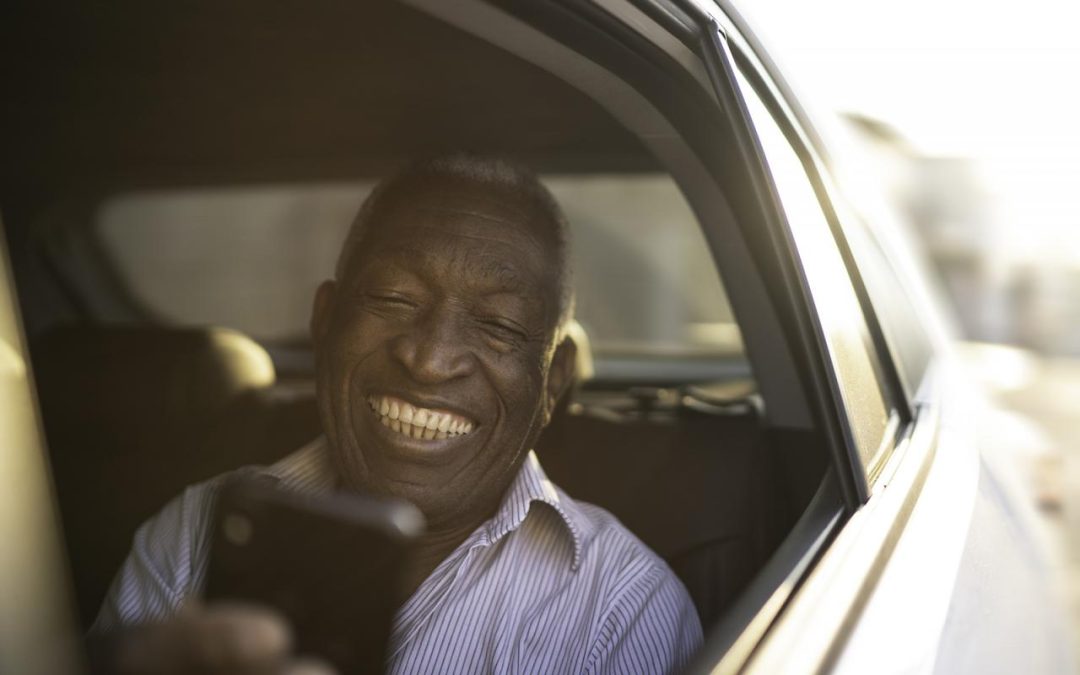
Preventing Social Isolation with Door-to-Door Transport
read more
Access to transportation is a vital prescription to stem the loneliness epidemic.

Reviewing risk factors in Black American caregiving families.

‘For most people social networks and support are also a foundational need.’

How Innovative Community Programs at Home and Abroad Address Food Insecurity and Social Isolation

Physical activity via social engagement can counteract decline in health caused by isolation.
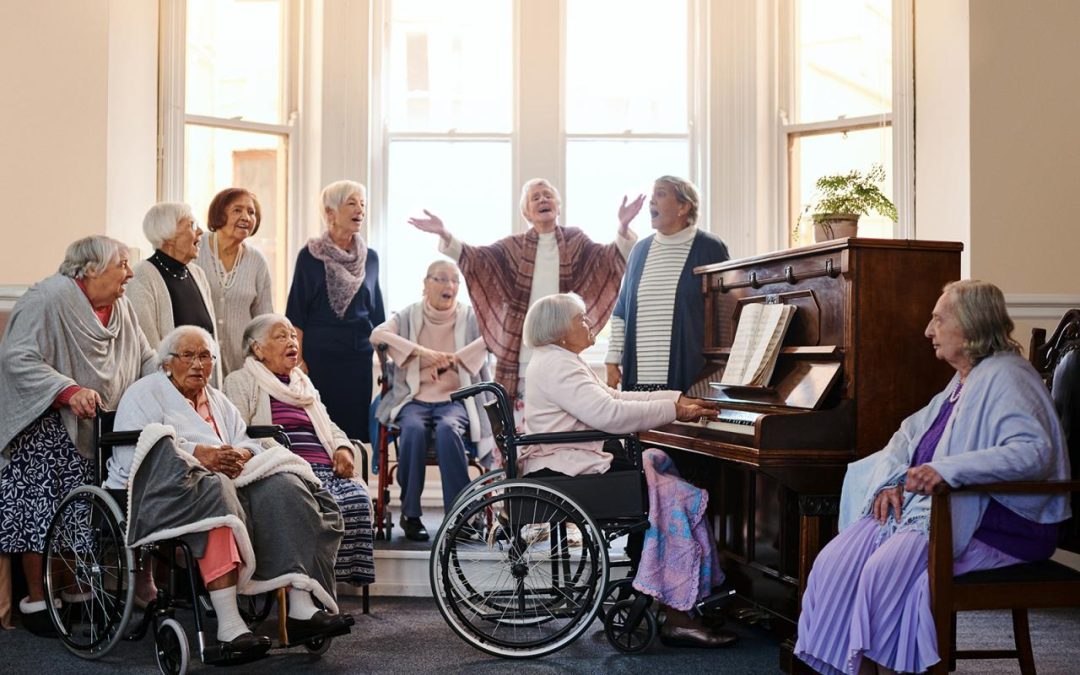
Becoming an integral part of a community is a better solution for social isolation than many volunteer programs.

How laughter can crack the code to reaching elders with dementia.
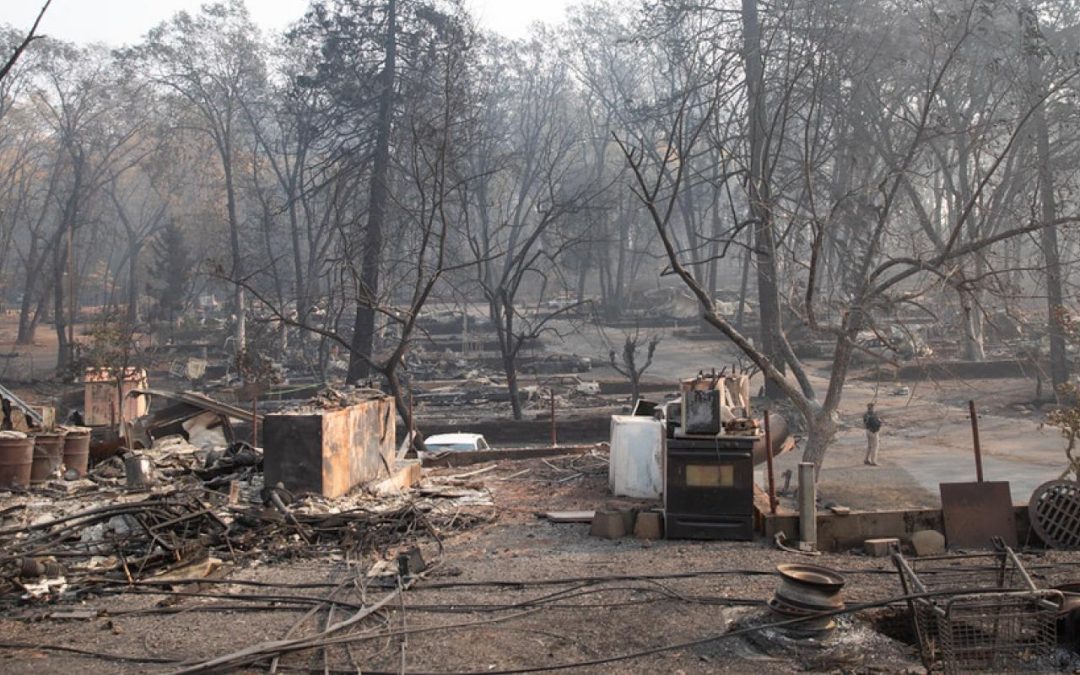
What calamities have you survived? How did you do it?
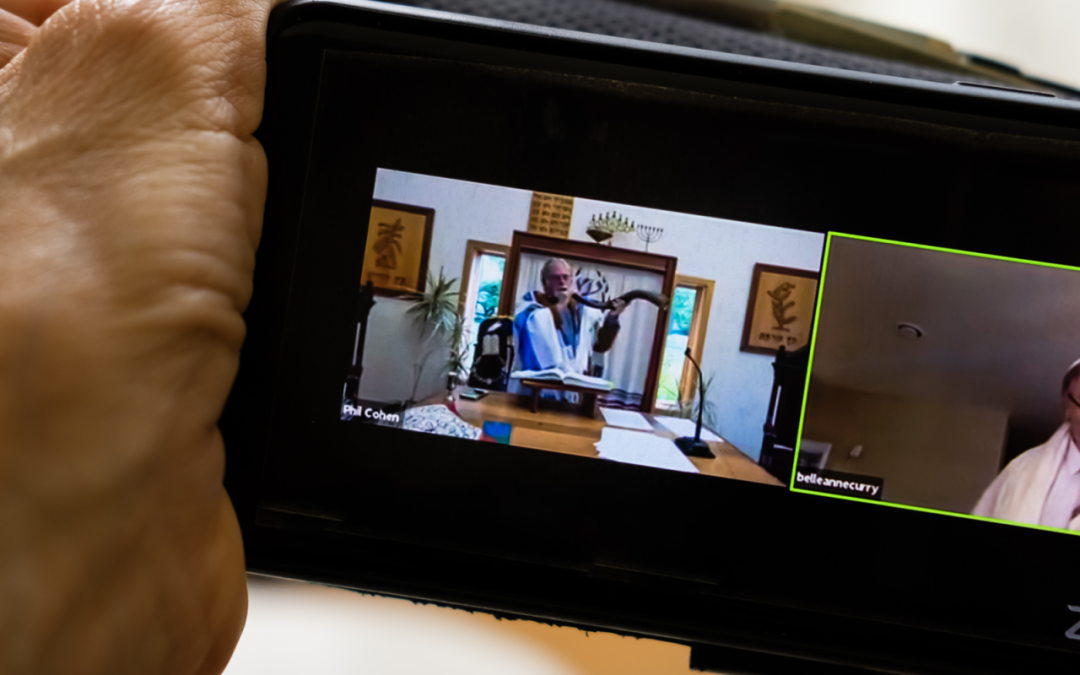
As the country gears up for a winter holiday season that includes holidays from many cultures, this is a chance for all of us to think about new ways to celebrate.

‘Older adults can leverage technology to prevent fall risk.’
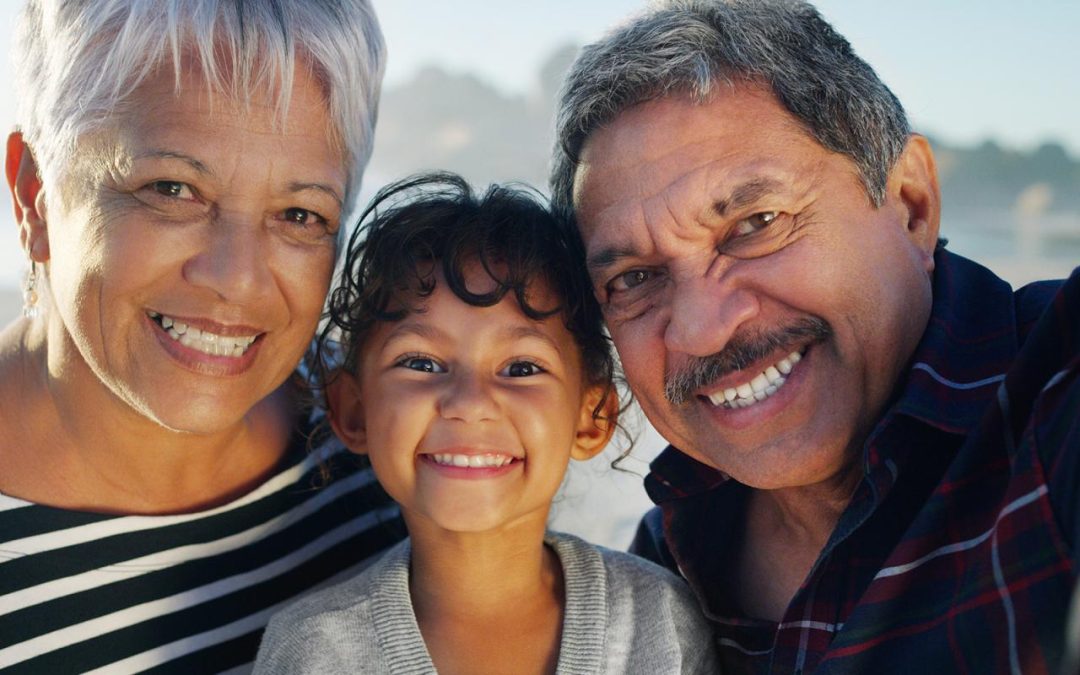
Nearly 6 million children live in grandparent-headed households in the United States. What impact will COVID-19 have on these families?
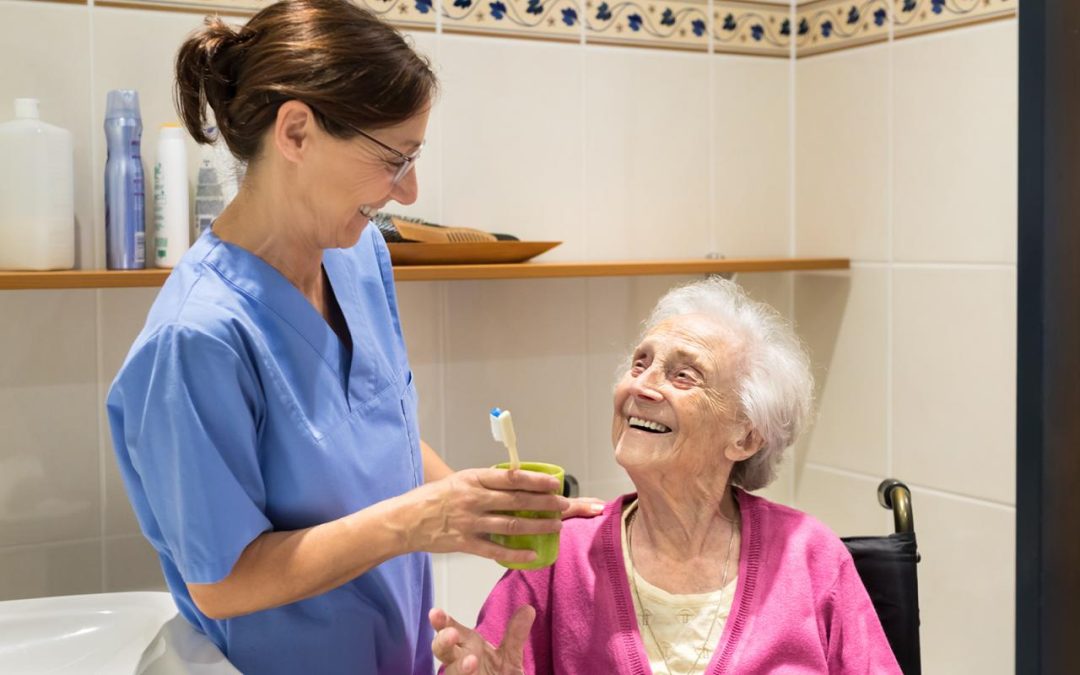
‘During the first year of the two-year study, pneumonia incidence was reduced by 31 percent among nursing home residents.’

Stress is probably a key player in the association of racism with cognition.

How do we reinvent ourselves? How do we leverage what we had and make it so super cool that it’s irresistible?
‘They are not a monolith or a lock for either party. How older adults vote depends upon who they are and where they live.’

Biden’s proposal would give the HHS Secretary authority to negotiate drug prices.

‘Gallup found that 54 percent of respondents ages 65 and older support recent racial justice protests.’

‘For some, I was the only person they spoke to all day.’

‘These older adults have rewritten the stories they tell themselves about climate change.’
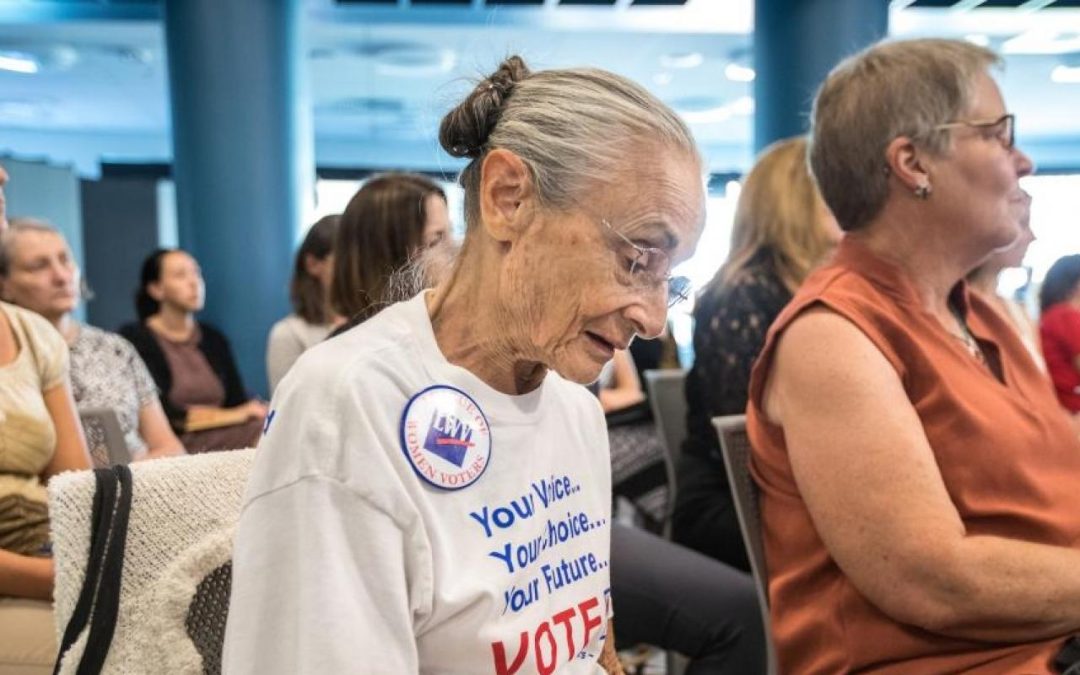
‘Voting is such a fundamental right.’