
‘From 2015 to 2016, 19 percent of older adults filled at least one opioid prescription.’

Help for Primary Care Practitioners in Addressing Older Adult Alcohol and Opioid Use
read more
‘From 2015 to 2016, 19 percent of older adults filled at least one opioid prescription.’
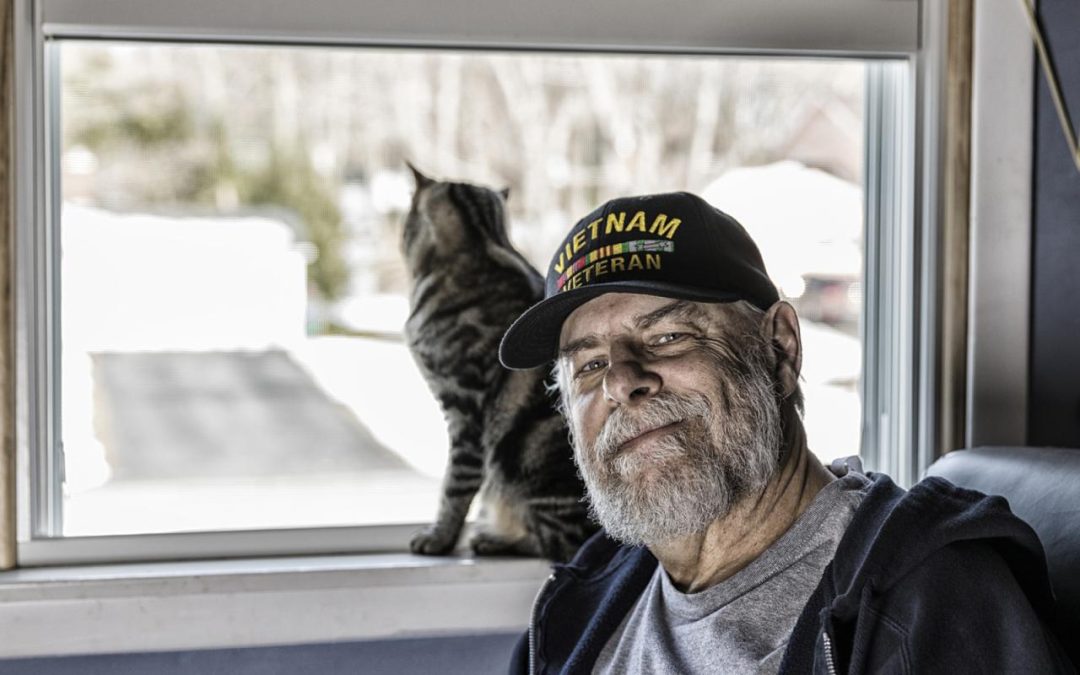
Aging veterans with alcohol use disorder and multiple morbidities face a complex slate of needs.

Volunteers are a key component to the program, and it demonstrates a 95 percent satisfaction rate.

Metro In-Home Solutions, a collaborative of four charitable organizations, accelerates home modifications for Detroit’s older adults.

Federal housing assistance programs are not meeting the affordable housing needs of low-income elders: two potential solutions may mitigate this shortcoming.

When a person is subject to guardianship, they retain the right to be involved in decisions.
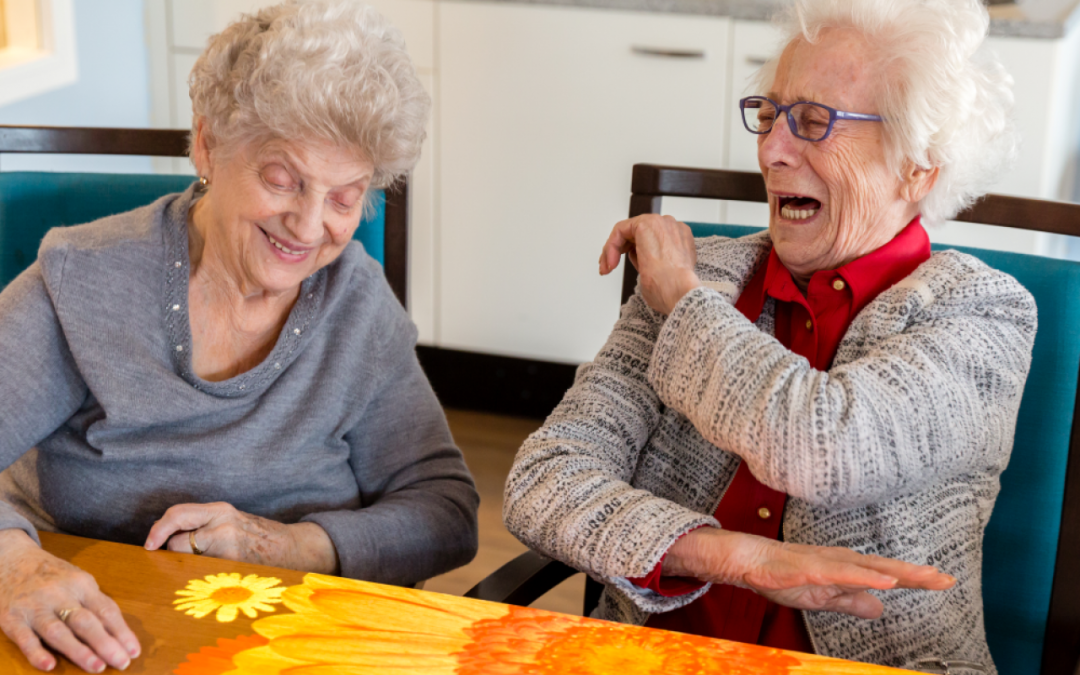
The Tovertafel shows benefits for elders with dementia and their caregivers.

‘Food insecurity is an issue of equity—significant disparities exist in the nation’s older population’s access to food.’

‘Many in the media, as well as in government, resorted to politicizing the pandemic by placing the blame largely on individuals.’

‘Social determinants of health are strongly patterned by place.’

Catastrophic disasters can be extremely disruptive and take months—if not years—to recover from.

Three case studies of protecting residents from COVID-19 during low-income senior building renovations.

Aging in place may be the “ideal” held by the majority of older Americans, yet, for too many, it is an increasingly challenging, if not impossible, goal.

On-demand public transit allows travelers to request a shared shuttle that picks them up in a few minutes.

We must find a way to increase the resilience of long-term care settings to future unexpected events.

As part of a community, we are all affected, and we must protect the immunocompromised and find access for those who have none.

Volunteer mapping provides detailed data on sidewalk access.

Adult children are now more engaged and knowledgeable about their parents’ care.
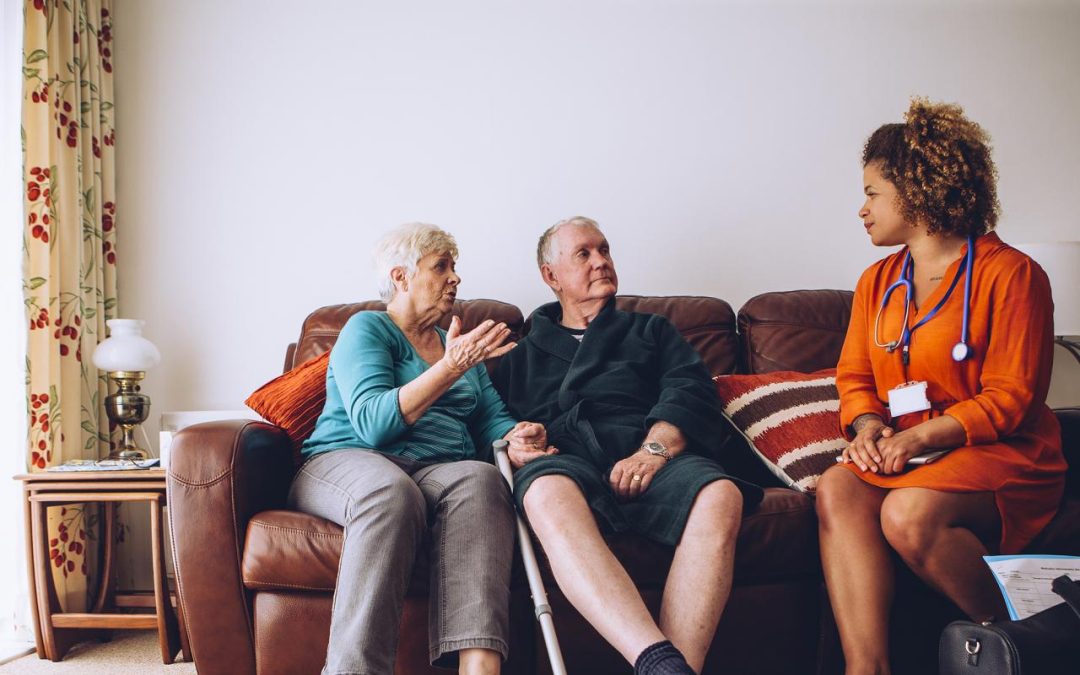
‘It’s time to stop pretending that we mostly won’t live into old age, or that most of us won’t need LTSS.’

The MNT Act would promote health equity among minority communities with higher rates of nutrition-related chronic diseases.