
Interventions that can help older adults to remain connected and engaged.
Social Connection in Older Age
read more
Interventions that can help older adults to remain connected and engaged.

Earning the trust of African American elders in hospice and care at the end of life.

Connecting key aspects of resilience for a smoother transition into and through retirement.

Connecting to different generations can change how we approach death and dying.

Grief is a universal experience that begs for conversation, but we have yet to normalize the discussion.
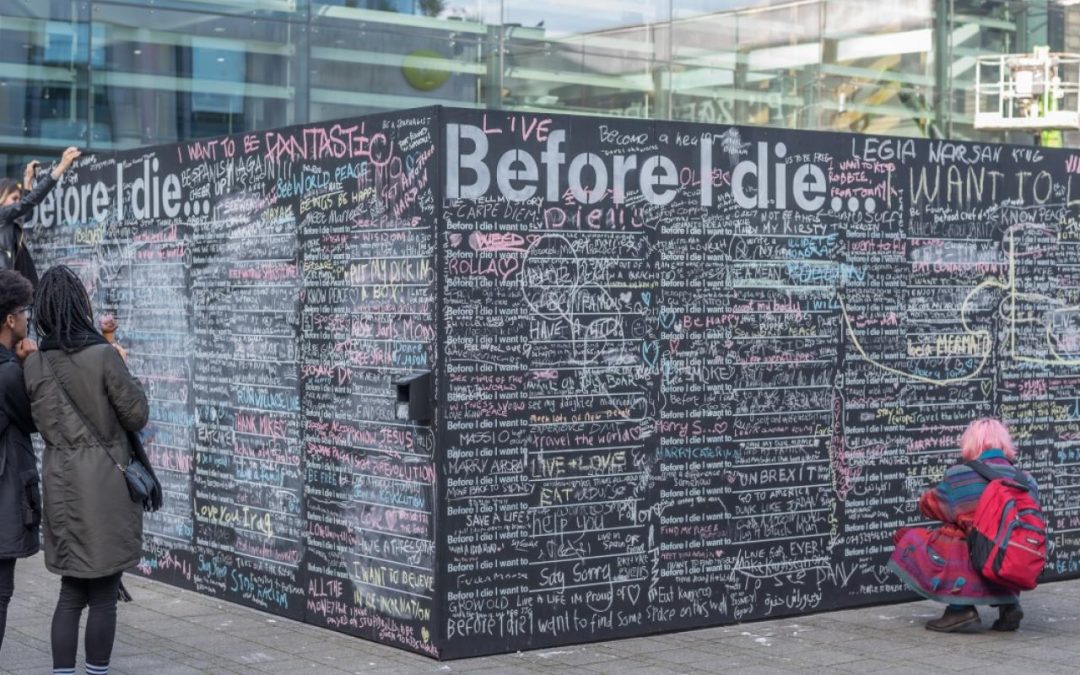
Guest Editor Carole Fisher’s mission to improve how we die and how we talk about death.

The national strategy will expand access to nutritional counseling.

Finding bipartisan support for LTC improvements and Medicare Advantage services.
A new study parses out the effects of discrimination on immigrants as they acculturate to life in the United States.
Robust aim for corralling the insidious lasting effects from the pandemic.

An expert of aging and ageism explains the impact of age discrimination.

Ageism not only affects daily life, but also life post-COVID—what follows are ideas for avoiding it when seeking medical help.

Long COVID symptoms are numerous but can be tough to diagnose, and to document for disability payment.

How brain fog functions and what can be done to ameliorate it.
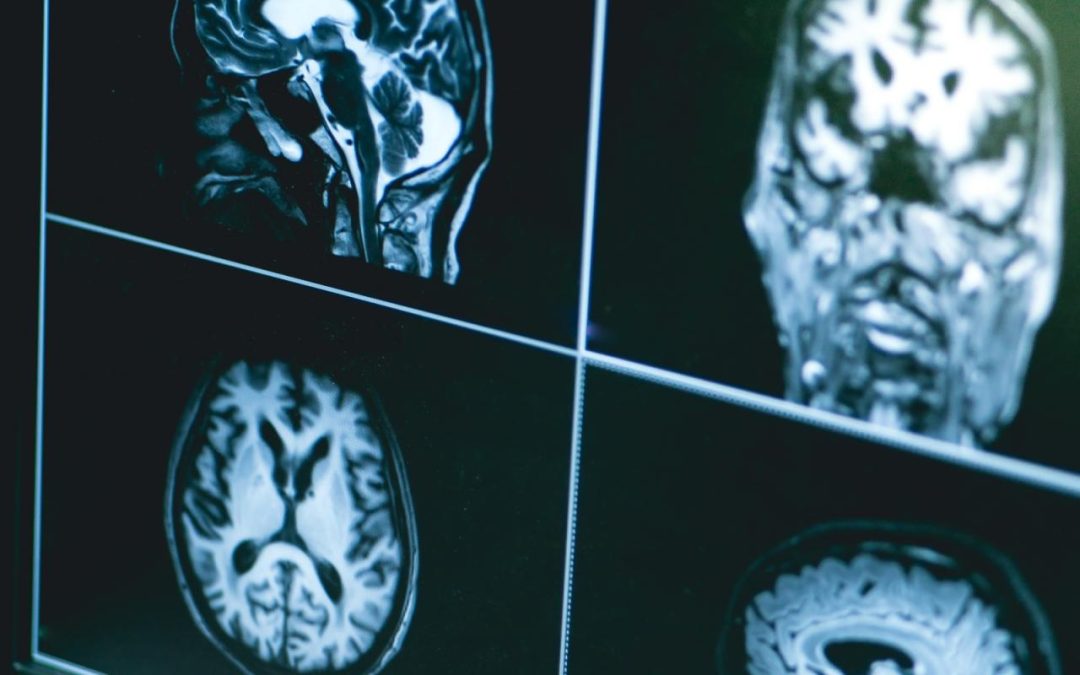
Which illnesses most often follow Long COVID and how do they tend to affect older adults?

Older adults are most at risk of Long COVID and have a role to play in driving research forward on this complex condition.

Malnutrition Awareness Week is a good time to think about the fact that 50% of older adults are at risk of becoming or already malnourished.

An essentially temporary workforce can’t care for elders as they should.

Data from the Care Connections Program shows benefits for training elders to use devices for socializing and healthcare.
One caregiver’s tale illustrates a national crisis.