
Nothing but admiration for a woman living alone against all odds.

A Lesson in Determination
read more
Nothing but admiration for a woman living alone against all odds.

A complicated relationship remembered when severing odd financial ties.
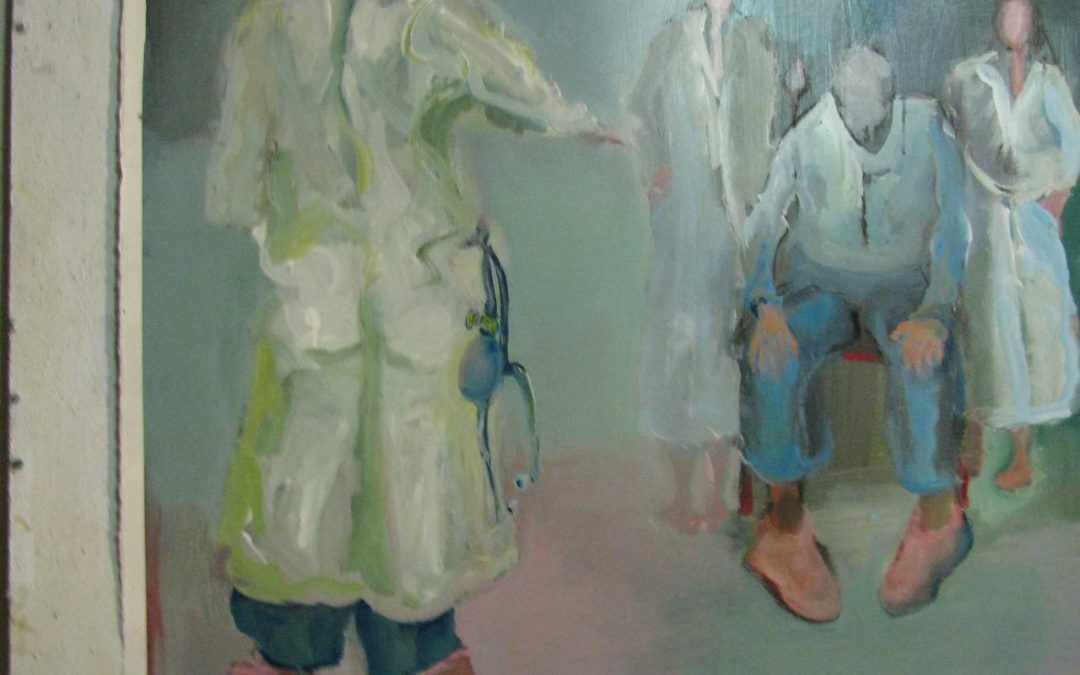
Acrylic on Paper Paintings
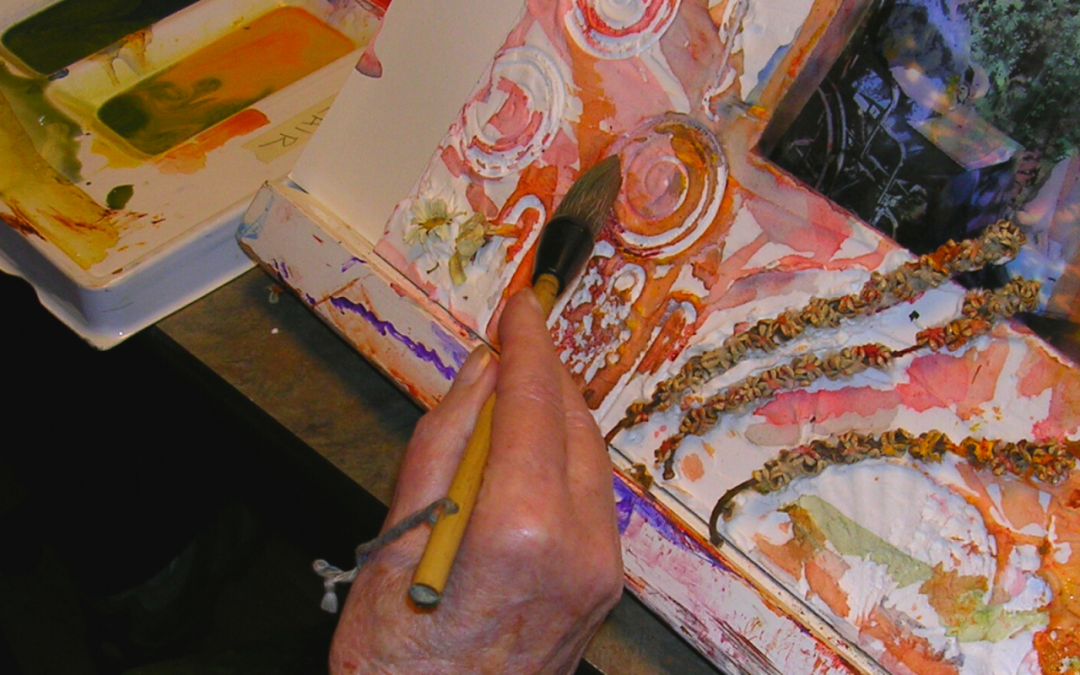
How an artist’s work was transformed by dementia.
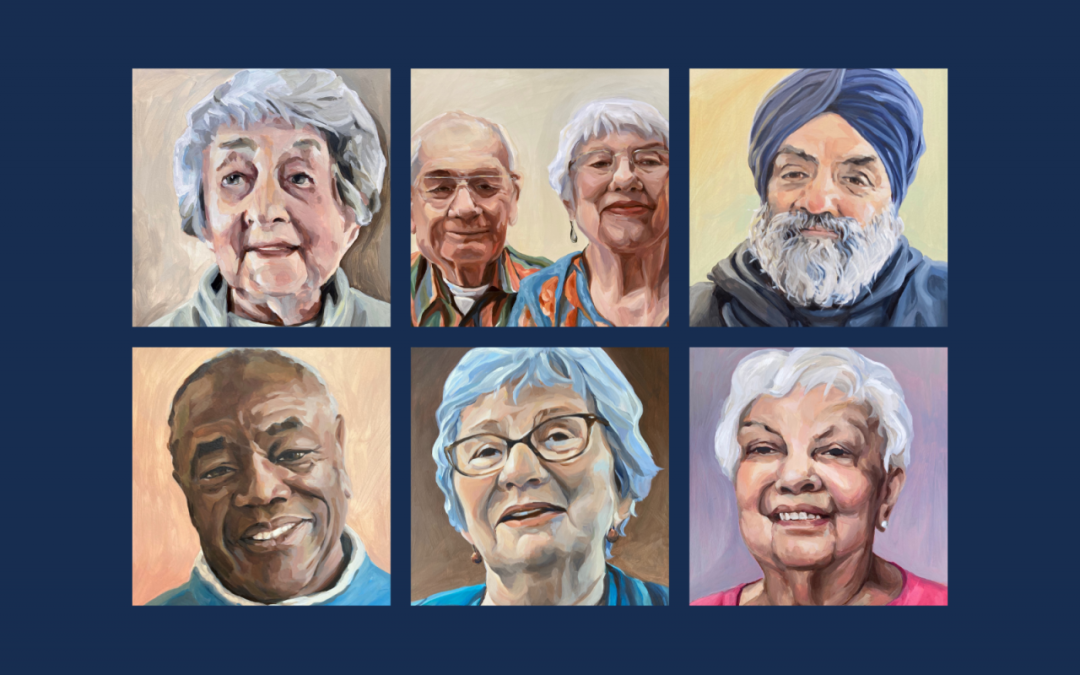
A portrait and interview project by Aging Well WhatCom explores what it means to age in a certain place and includes fascinating personal histories.

A split Congress means health equity legislation is less likely to rise to the level of must-pass, must-do items on the bipartisan shortlist.
Older adults had not been a priority in the mental health system, and mental health had not been a priority in aging programs.

The Rosalynn Carter Institute for Caregivers has multiple support programs for those caring for veterans of any era.

Let’s do our part to stamp out hate.

Despite barriers to adoption, CGM has been shown to prevent hypoglycemia and other issues.

‘When we sit together in the same space, we all gain new insight and inspiration.’

The stakes are high this election, especially for low-income elders of color.

One recent survey points clearly to age bias by physicians when working with breast cancer patients.

‘Our work is, in many ways, to come to terms with all that our life has been.’
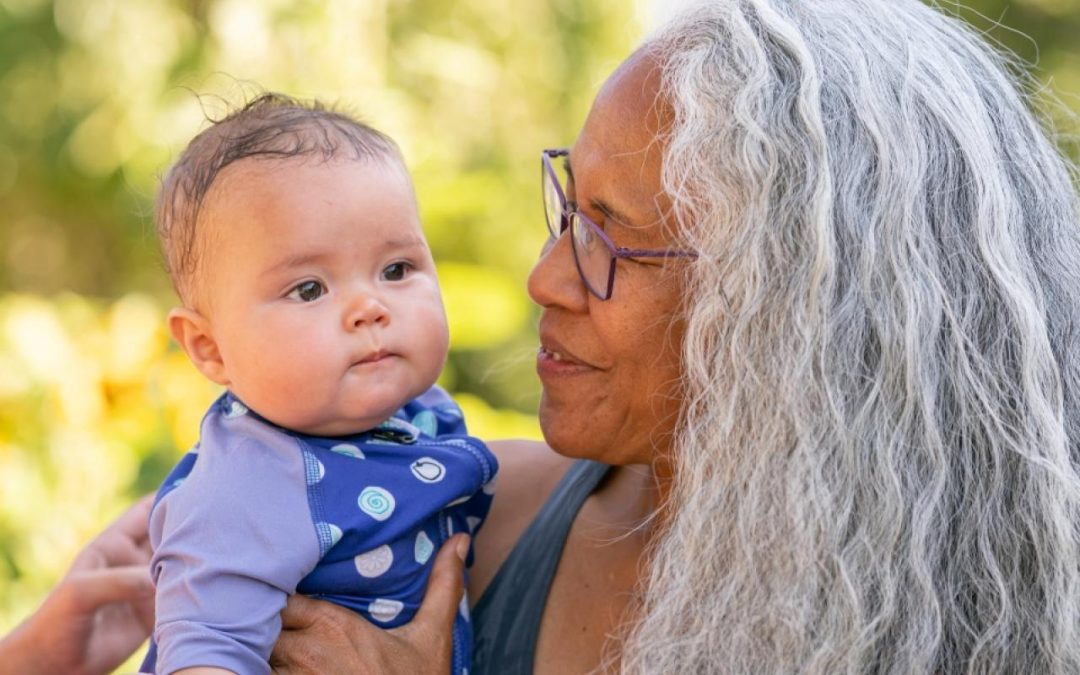
Addressing uptake levels, barriers and potential solutions to ACP in Indigenous people.

Solutions for creating an equitable end-of-life experience for all elders, no matter their race, ethnicity, sexual identity, and socioeconomic status.

Why palliative care is so much more effective toward the end of life than overmedicalized care.
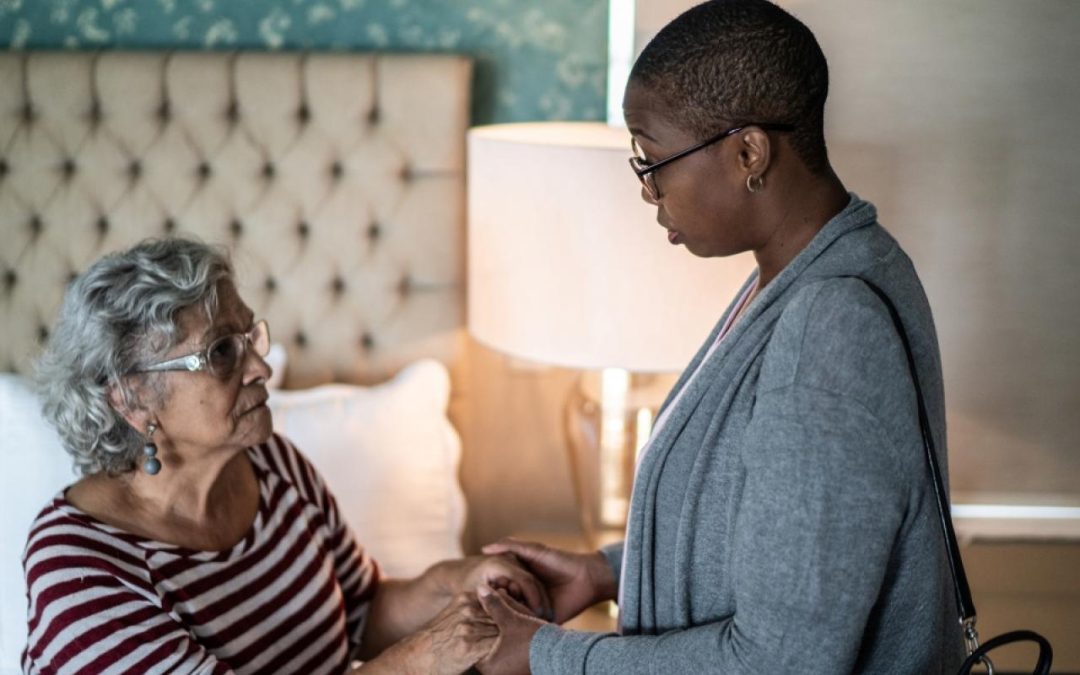
A primer on the role these professionals play at the bedside and for family members and caregivers.

Treating physical and mental health as the intertwined issues they are.

Answering the query ‘Why bother?’ treating substance use disorder at the end of life.