
More equal access to healthcare and safety net provisions across the life course could be key.

Why Is Our Life Expectancy Declining and How Might We Fix It?
read more
More equal access to healthcare and safety net provisions across the life course could be key.

If the Court were to adopt the nursing facility’s reasoning, the consequences would be dire.
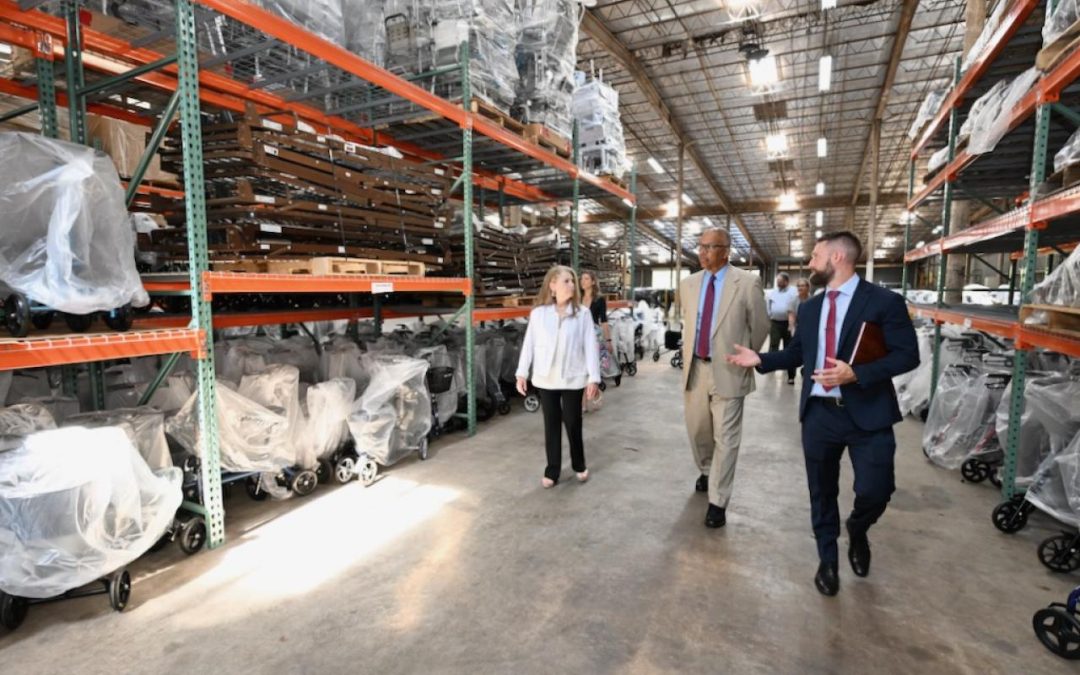
Maryland Department of Aging routinely recycles durable medical equipment for those who need it.

Program fosters leaders who change health and aging policy and improve healthcare for elders.
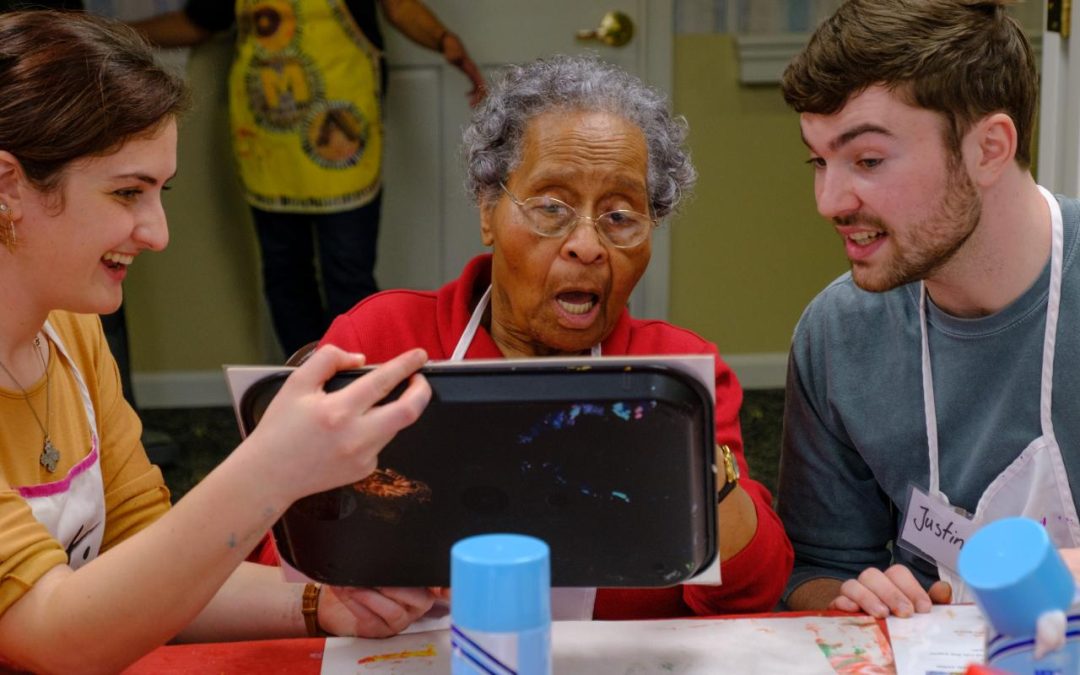
A program builds bridges across age and cognitive barriers using art.

Apple Fitness+ is a fitness and wellness service with studio-style workouts and meditations.
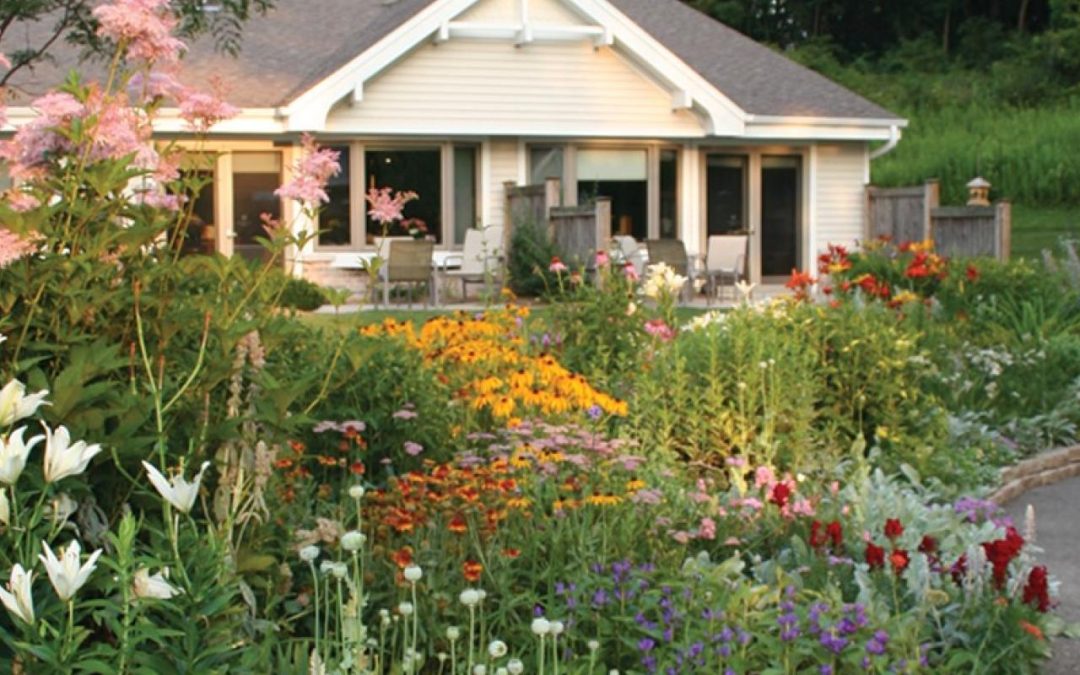
Access to nature returned my mother’s will to live—and made me a biophilia advocate.

Finding funding opportunities for services and supports is easier via the Roadmap.

‘Previous research has shown the value of nutrition in reducing hospital length of stay and readmission rates in surgery patients.’
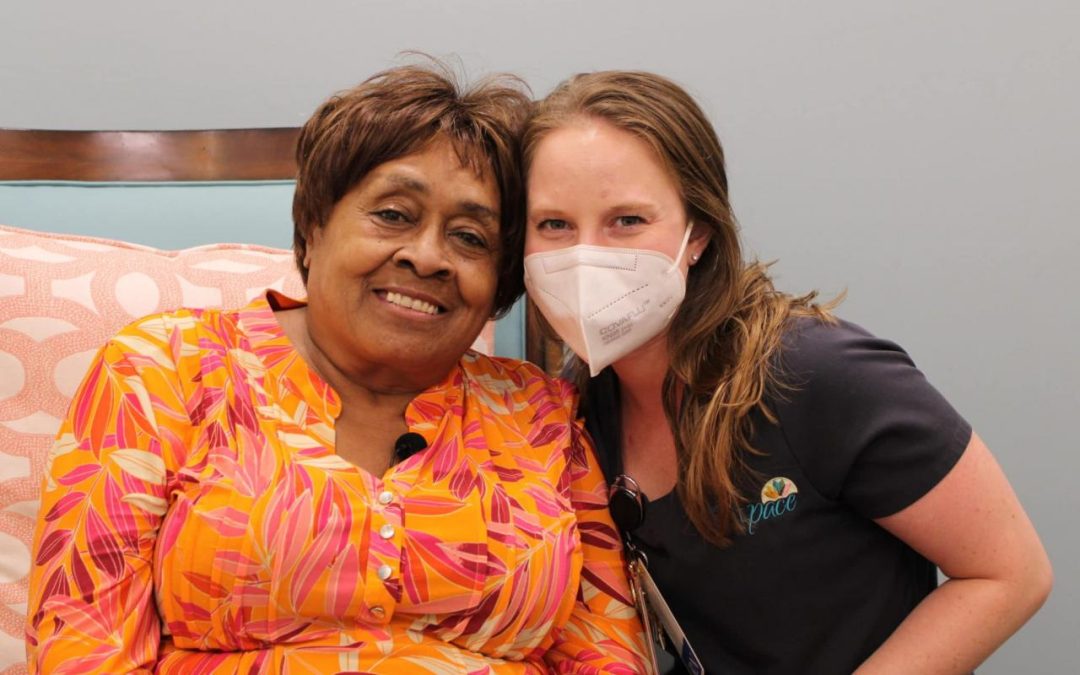
ASA members can foster the growth of PACE via the new guide.

Existing help for food insecure families tends to assume kids live with parents, not grandparents, and should be fixed to reflect reality. .

From winging it to glory.

With thanks and gratitude.

Or how to keep on walking.

Don’t look for me at AARP conventions, sipping Earl Grey tea from a bone china cup.

‘You know we’re all different?’

Levity, music and air.
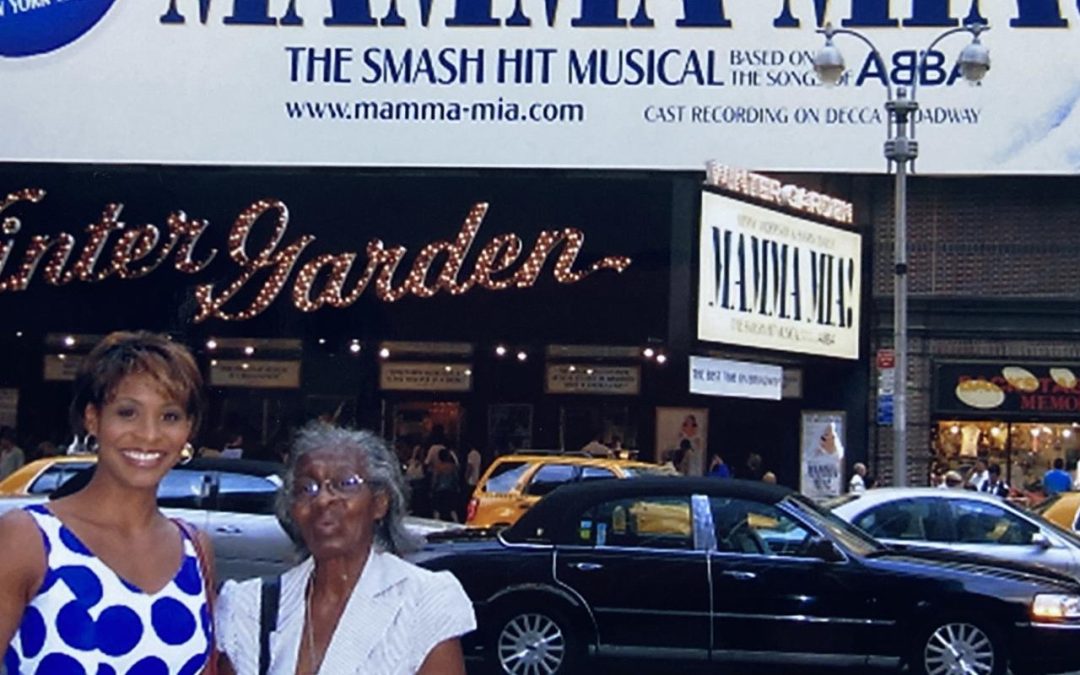
How musical memories lessen the feelings of loss.
How to exit the stage on one’s own terms.

‘Slow down or you’re never going to get it.’