
Relying upon an intrinsic motivation to work with older adults will not be enough to attract more workers to this field.

How Can We Make Caring for Older Adults Desirable Work?
read more
Relying upon an intrinsic motivation to work with older adults will not be enough to attract more workers to this field.

Stories from the field: One nurse practitioner’s experience and why it’s so rewarding.
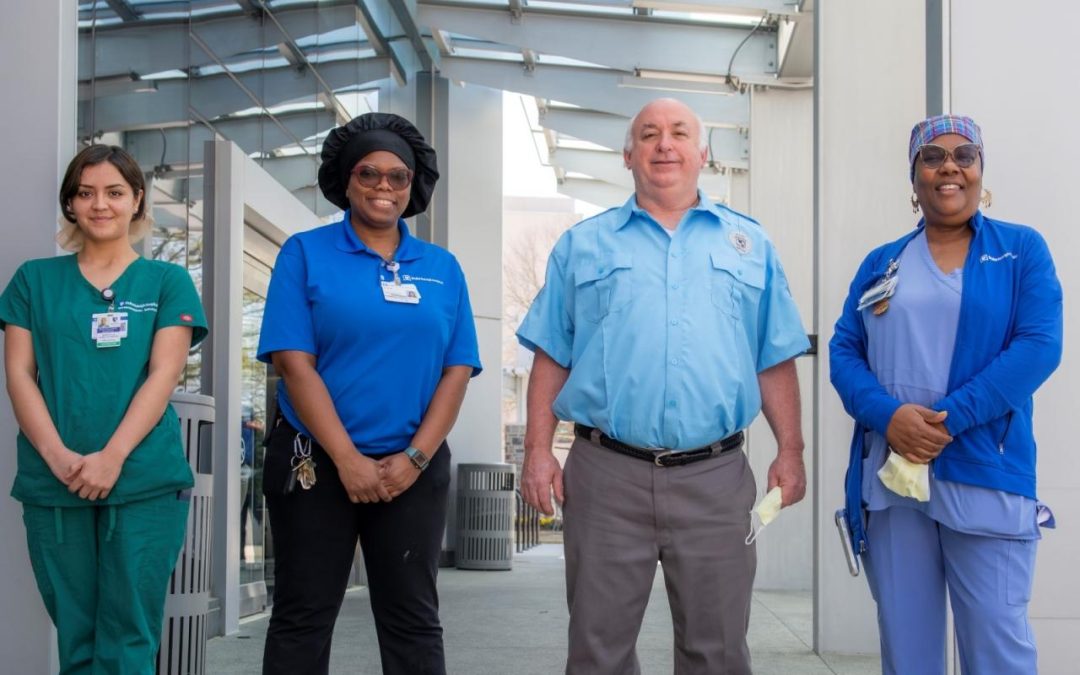
Duke University Health System is on a journey to create a more equitable culture.
During Older Americans Month, let’s think of the older adults who work in direct care jobs and how we might make those jobs more stable and alluring.

Research to determine the most immediate needs is key to allocate resources to groups who would most benefit.

Enhancing housing opportunities through adaptive reuse.

Hospitals are understaffed and nurses are under stress, if you end up a patient or a patient’s family member, here are tips to support those who remain.
The relief among children of older undocumented immigrants is palpable after California expanded Medi-Cal benefits to that population.
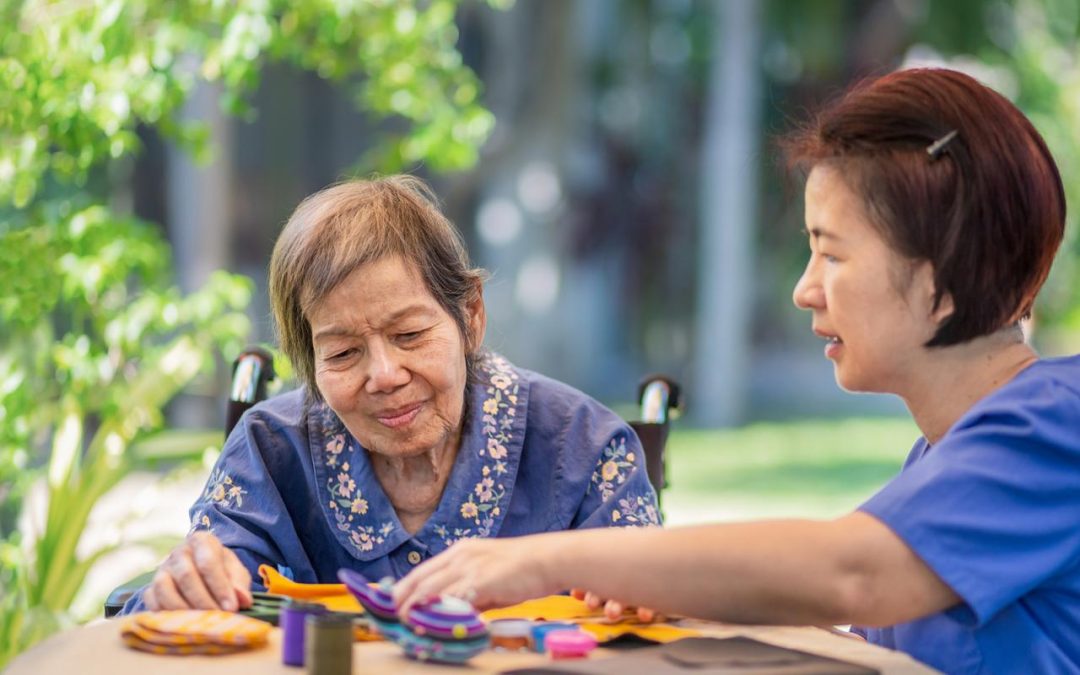
The Frameworks Institute is busy reframing care work to push for better conditions, protections and pay.

For persons living with dementia to live well throughout the course of the disease, we must embrace person-centered care.
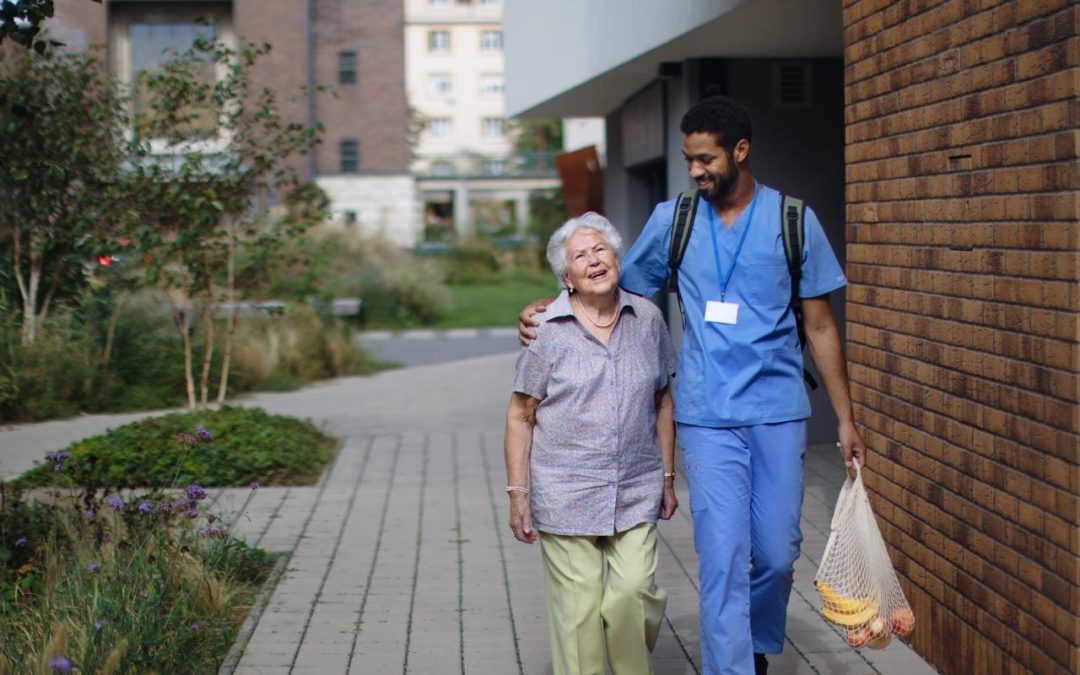
Offering four strategies for bolstering direct care workers’ contribution to dementia care.

Guidance for caregiver service organizations to build and test translatable remote interventions.

Ways to use technology have grown immensely across the past decades, and benefits for people with dementia are now being seen.

One model addresses the interconnected concepts of person-centered care, living well, and well-being.

‘The changing demographics of older adults represents a unique opportunity to transform care for this cohort.’

Prioritizing support and quality outcomes.

‘Practitioners need to know what and how to do early detection, and then how to add some simple, relevant next steps.’
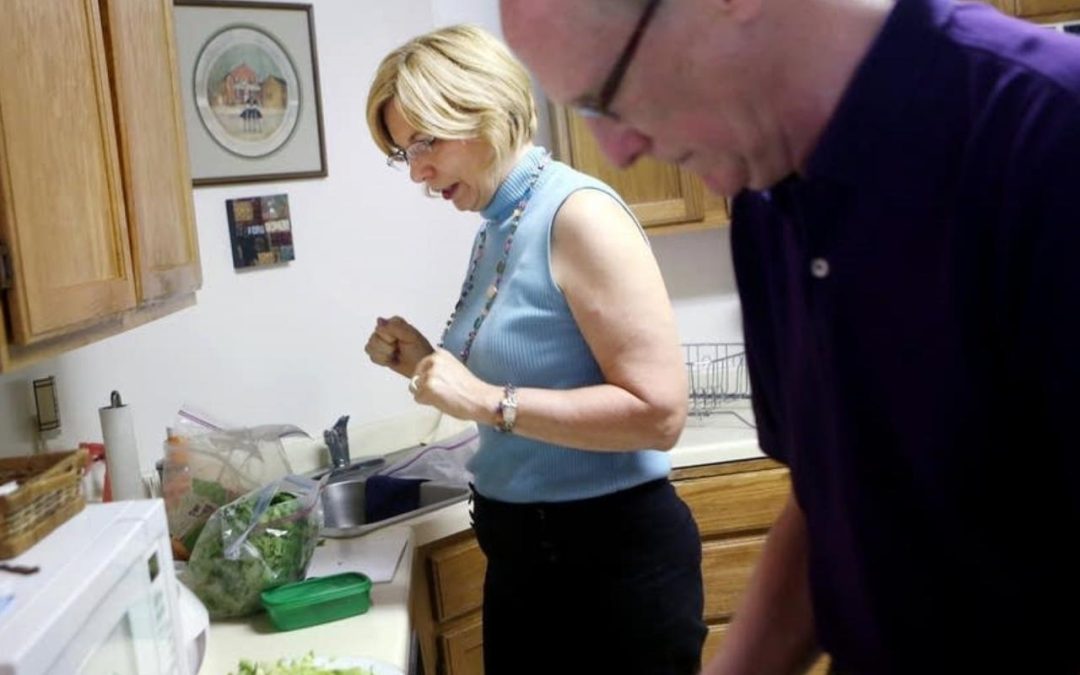
Lessons learned from a thoughtful and intensive approach to an Alzheimer’s diagnosis.

Deep experience with dementia and Alzheimer’s provide a perfect backdrop for how to live well with the conditions.

A public health agenda that reduces dementia risk factors could yield governmental and healthcare savings and improve health and well-being.