Designing community for mental well-being in later life.
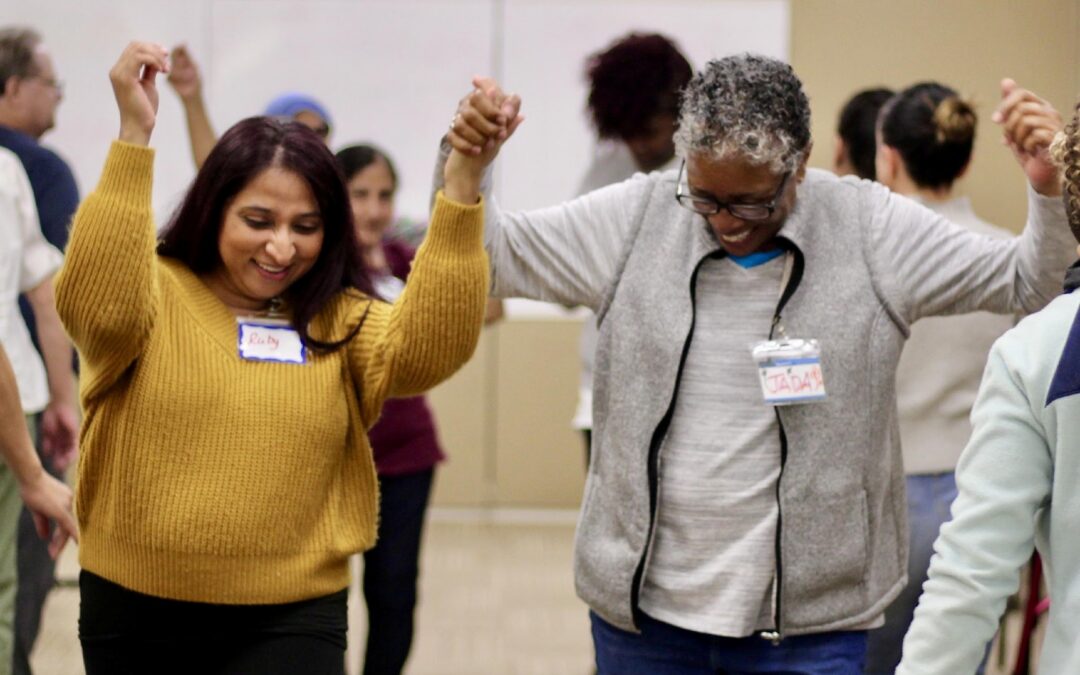
Beyond Social Connection
read more
Designing community for mental well-being in later life.
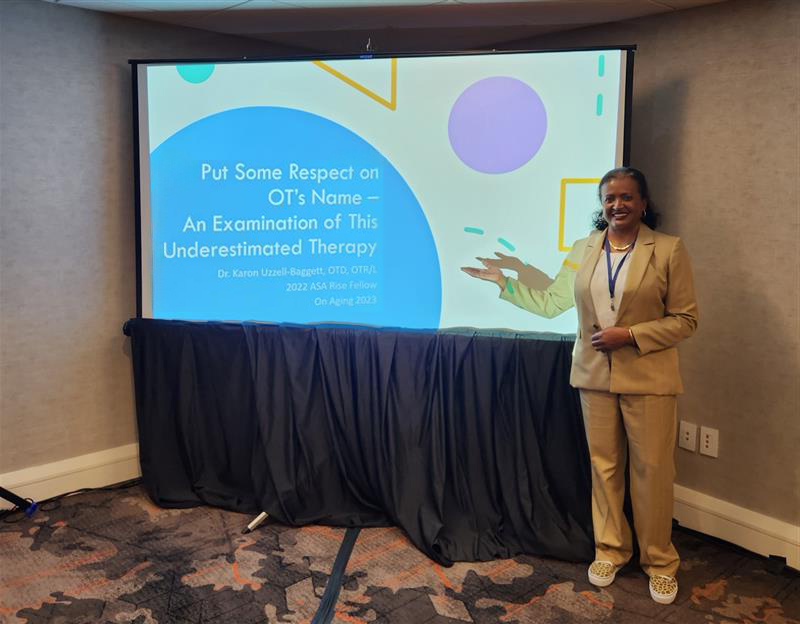
Why this ASA RISE alum strives to help the practice of Occupational Therapy reach its full potential.
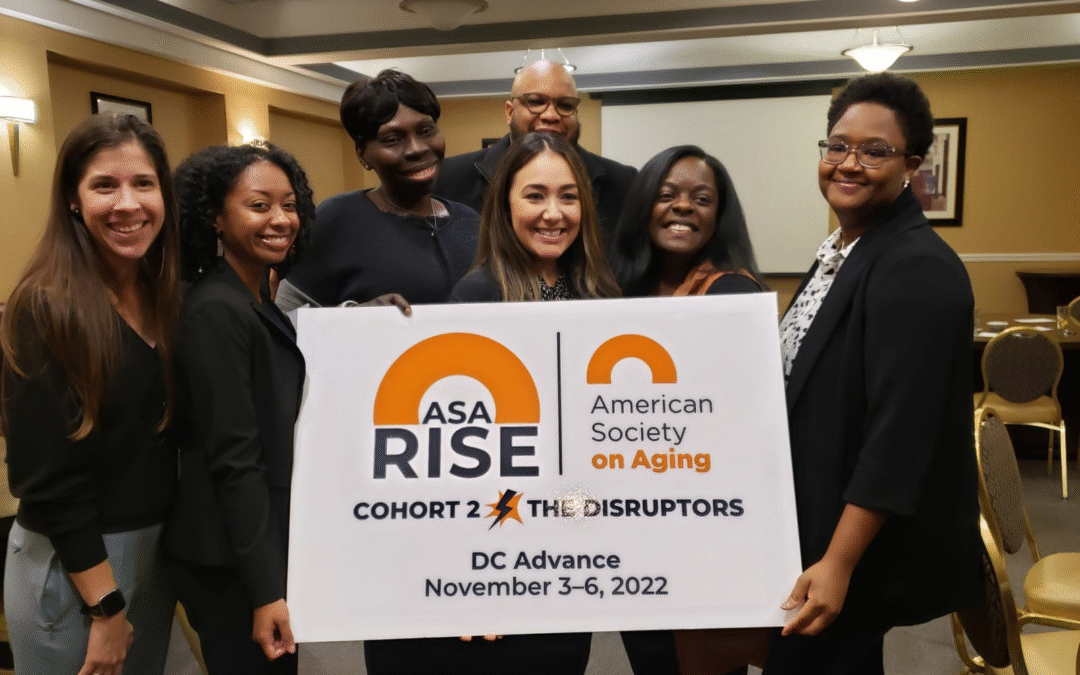
One ASA RISE alum’s successful effort to weave equity into her daily, critical work helping people who call in to the Alzheimer’s Association.

When intergenerational connection is intentional and sustained, it can transform individual lives and entire communities.
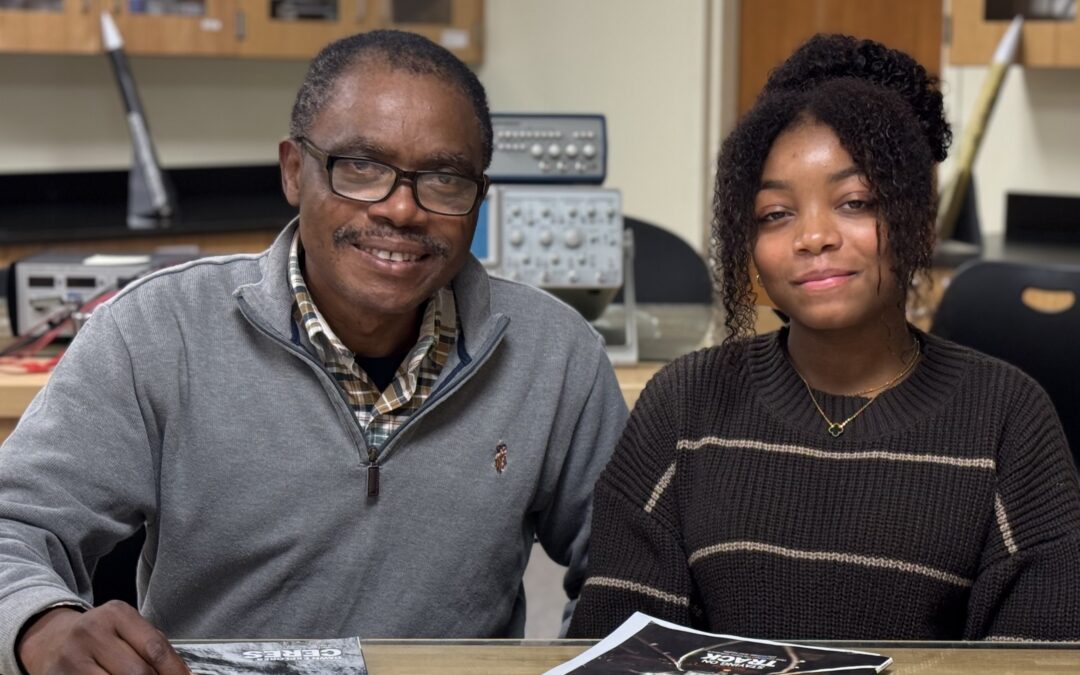
Early glimpses of what’s possible when generations connect left this leader wanting—and pushing—for more.
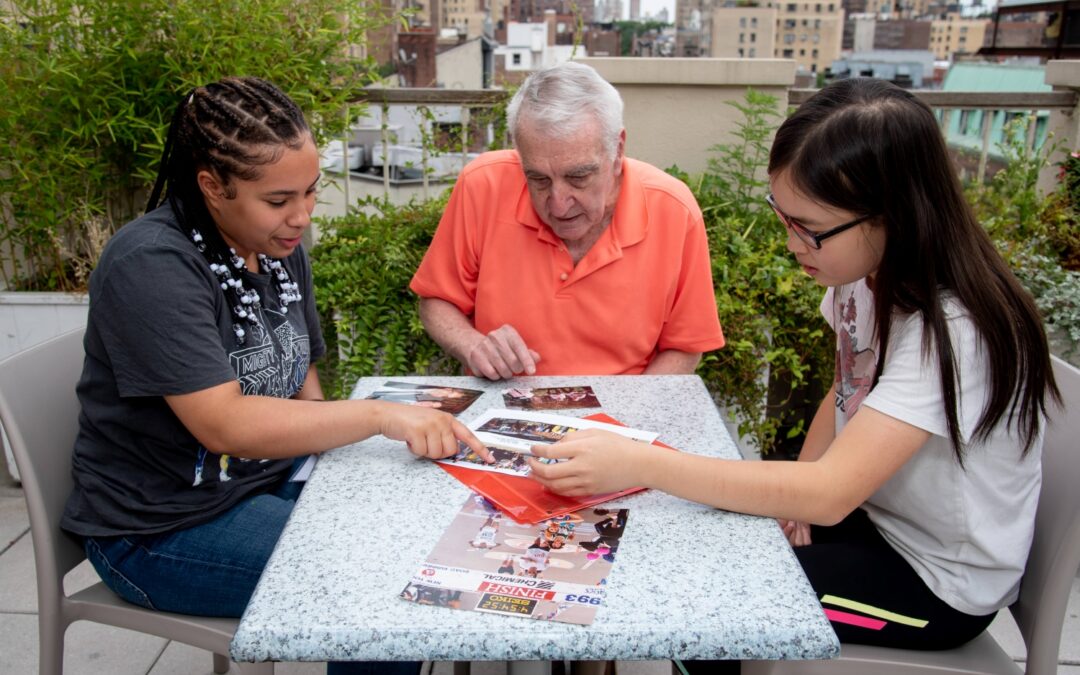
‘Intergenerational connection is not just a program model. It’s a way of living with purpose, presence and generosity.’
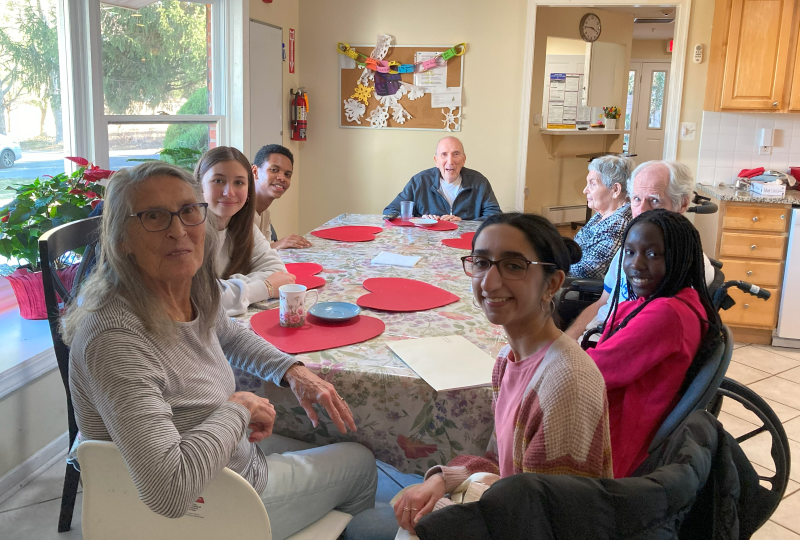
Lessons from Link Generations’ programming that connects teens with older adults.
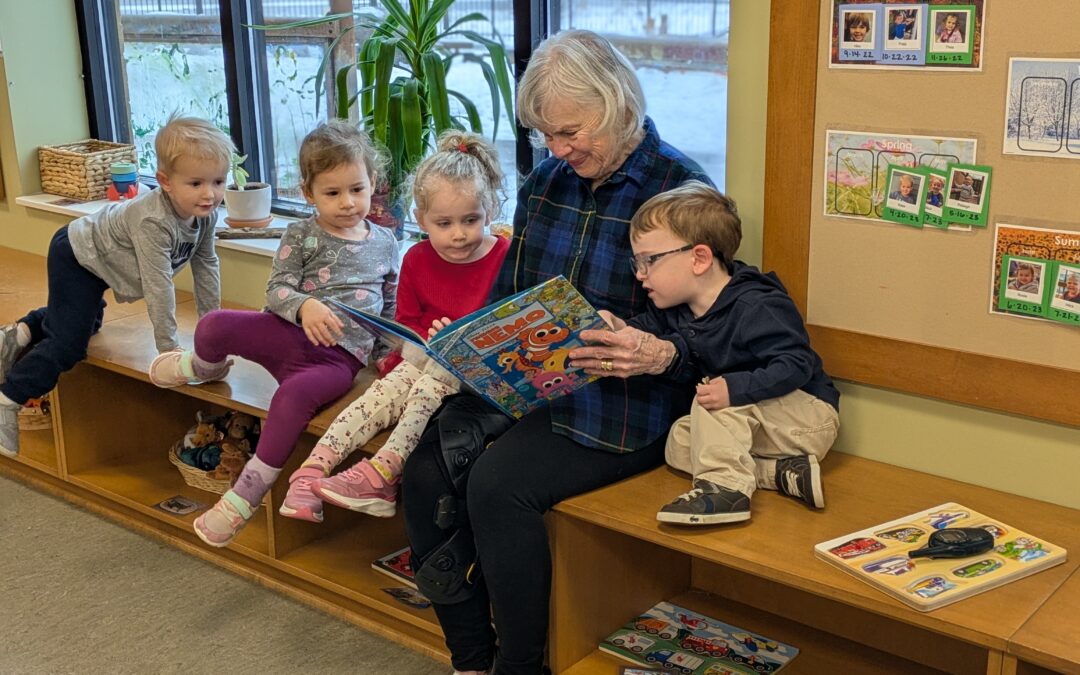
All Seasons Preschool in Minnesota hosts a thriving intergenerational relationship-building program where students form bonds with older adults.
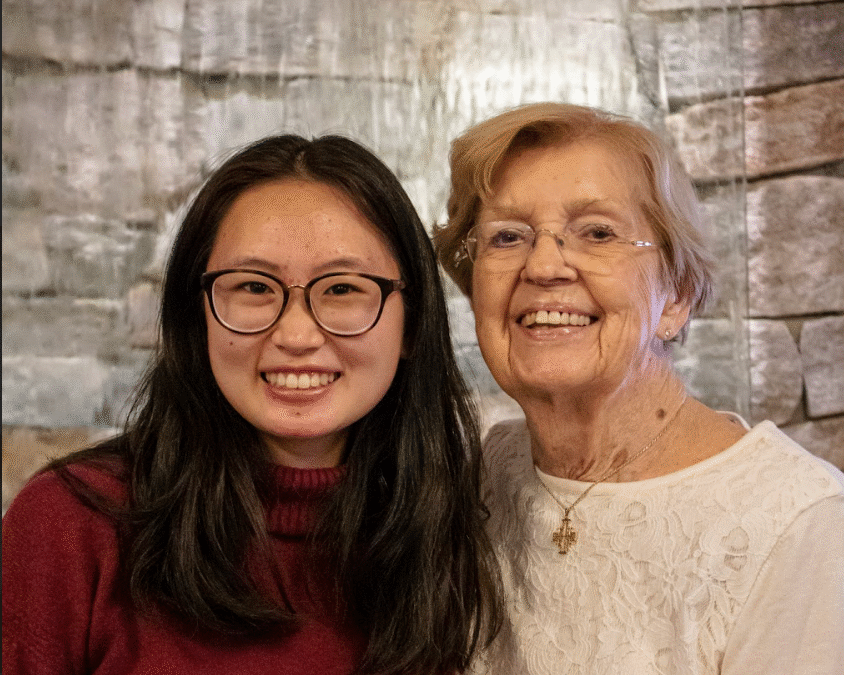
A soon-to-be med student on what she learned about active conversations with elders.
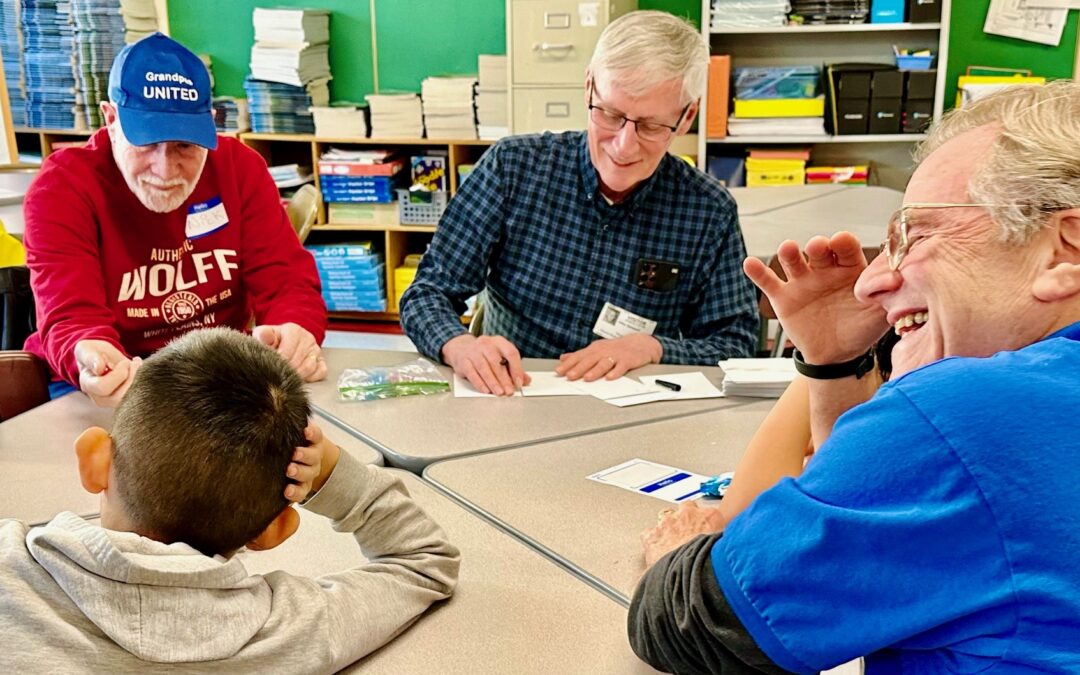
Older men want to matter. They want to serve. They want to lead with humility, wisdom and compassion.
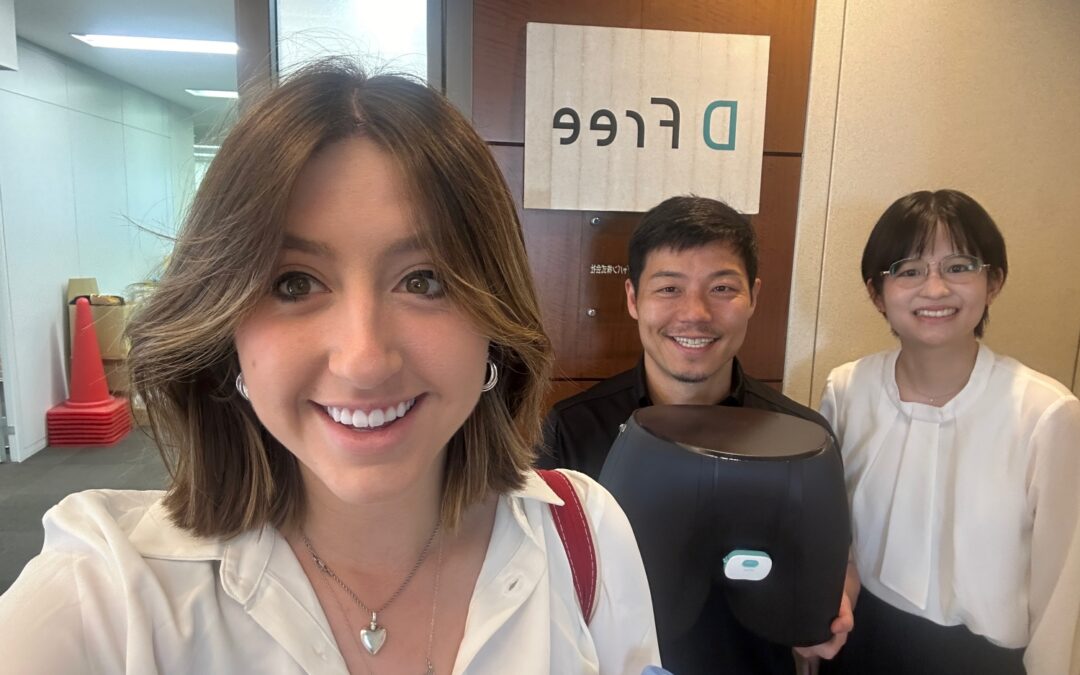
A journey through sample long-term care options pointed to some great solutions.
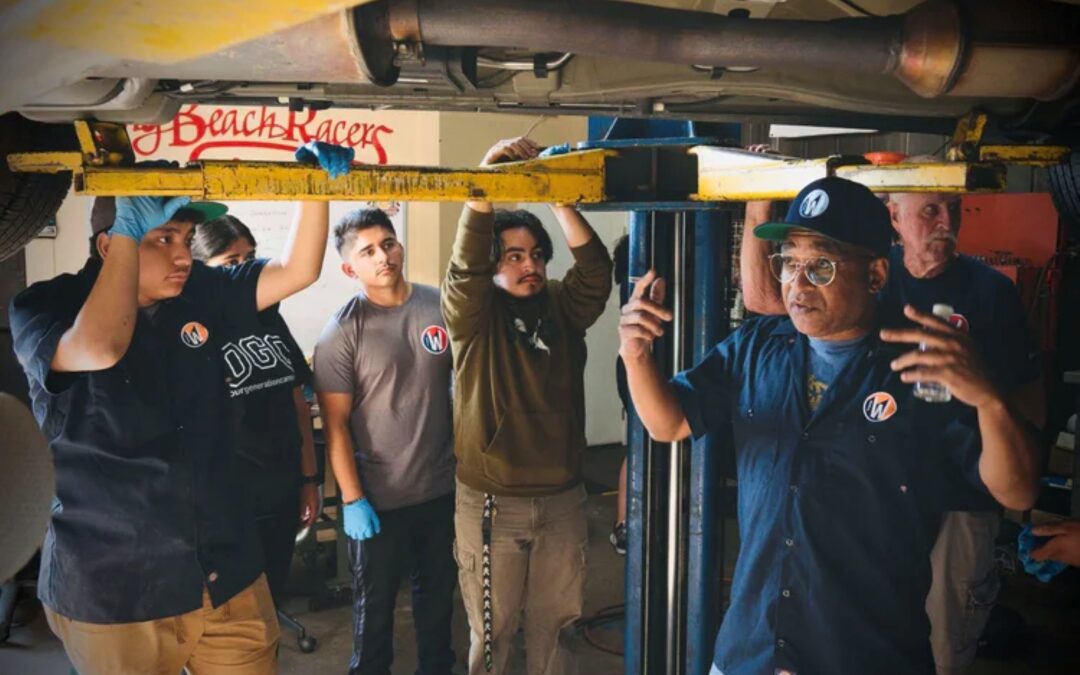
Or how to tighten relationships between generations and gain employable skills at the same time.
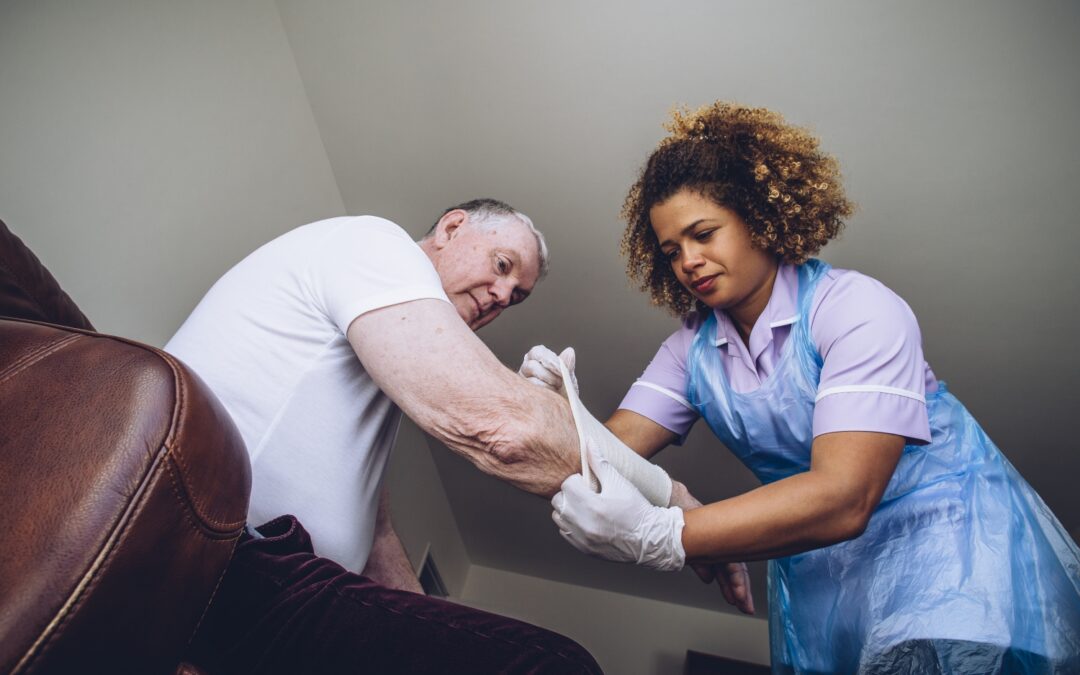
Mobile wound management fosters a shorter healing time, with patients’ wounds healing on average nearly twice as fast.
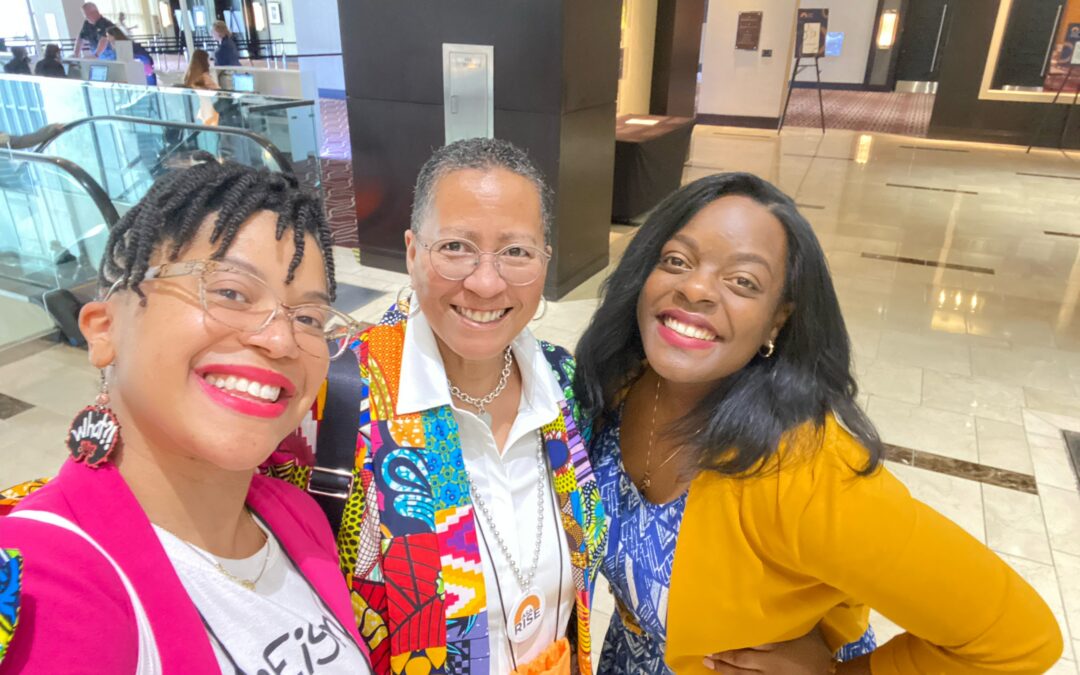
An ASA RISE Fellow on the power of immediacy for solving caregiving crises and how an online platform could lead to lasting change.

Proving how community, collaboration, creativity and trust are essential for supporting older adults in rural areas.

Recall notifications are not finding affected consumers, but more effective methodologies are possible.

Bridging traditions between the United States and Campania.

Evidence-based prevention, empowering people to achieve health goals, and driving choice and competition are the three pillars guiding CMMI models.
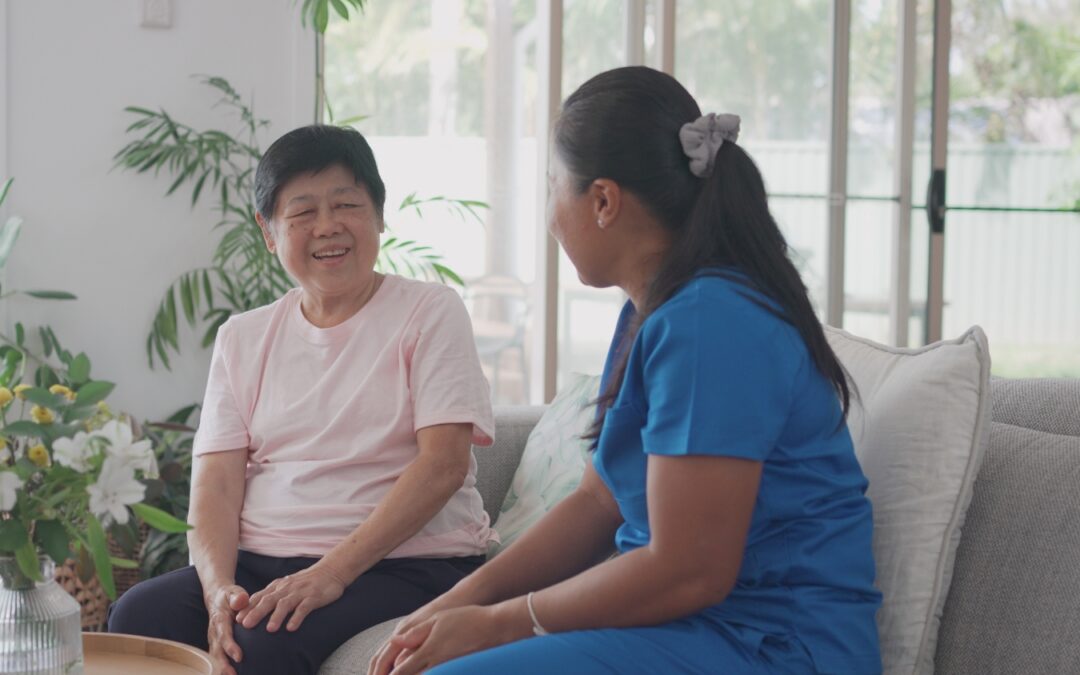
The role of Medicaid and managed care in home- and community-based services and long-term supportive services.

Tracking the growth of home- and community-based services over three decades.