
Shining a light on the disparities in care, caregiving, and women who make it work.

Why Care Is So Fundamental
read more
Shining a light on the disparities in care, caregiving, and women who make it work.

Candidates tend to talk around direct care work when they should propose concrete solutions.

The crucial role of health policy research in disseminating the successful Hospital at Home program.

A primer on the best ways to secure internal resources or grants for research projects.

Using the commemorative day as an inspiration for one’s life work.

‘These workers deserve good jobs, and all U.S. workers need access to quality care. Yet the latter is dependent upon the former.’

Help for analyzing the feasibility of preferred living destinations in older age.

The difficult state of the current insurance market in states experiencing regular climate events, and challenges linked to evacuation.

Increasingly, older adults need to take hard look at potential climate change effects when deciding where to live.

Focusing on ending ageism, especially as it intersects with other ‘isms,’ will improve the odds of everyone aging productively.
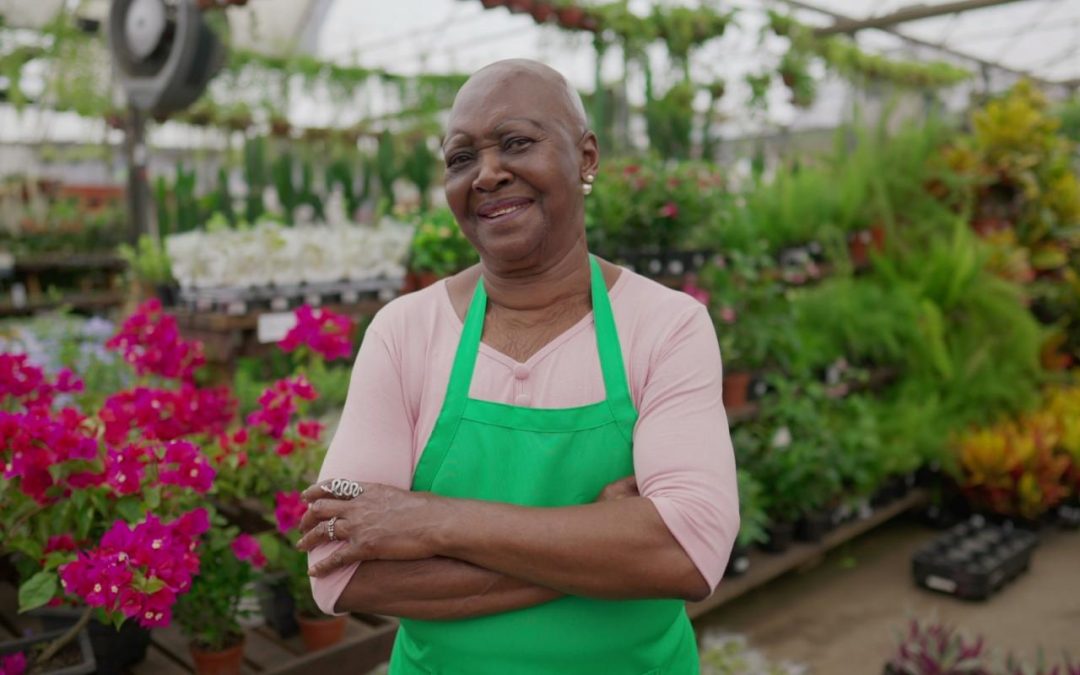
Illustrating the disparities in health insurance and retirement plan coverage among American entrepreneurs ages 50 to 64.

Book is a passionate portrayal of where the two halves of America fit in retirement.

Grandparents caring for grandchildren without a parent present in the household have emerged as a vulnerable group.
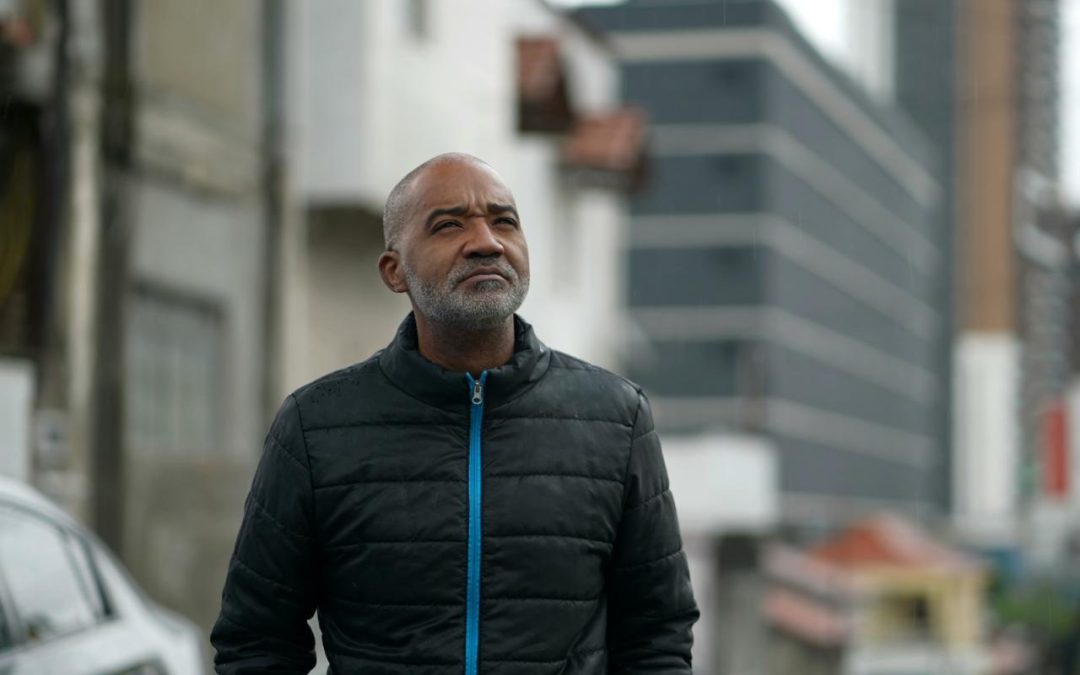
The surest solutions involve government programs and government funding—which may prove difficult with today’s political polarization.

Thoughts on the dire nature of available elder housing from ASA’s Economic Security Council.

Our new effort aims to address profound needs by centering this caregiver dyad in policy and practice-related conversations.

Trends in TV, film and theater that indicate what elders might actually appreciate.

When marketers and advertisers ignore or target consumers in ageist ways, their bottom line isn’t the only thing that suffers.

A care expert asks and answers the tough questions about caregiving in a new podcast.

Excluding older workers from the workforce means losing the knowledge, skills, experience, unique perspectives, problem-solving abilities, and institutional memory they possess.