
The United States has the resources to solve the caregiving problem, it just requires shattering the status quo.

The Economic Costs of Caregiving
read more
The United States has the resources to solve the caregiving problem, it just requires shattering the status quo.
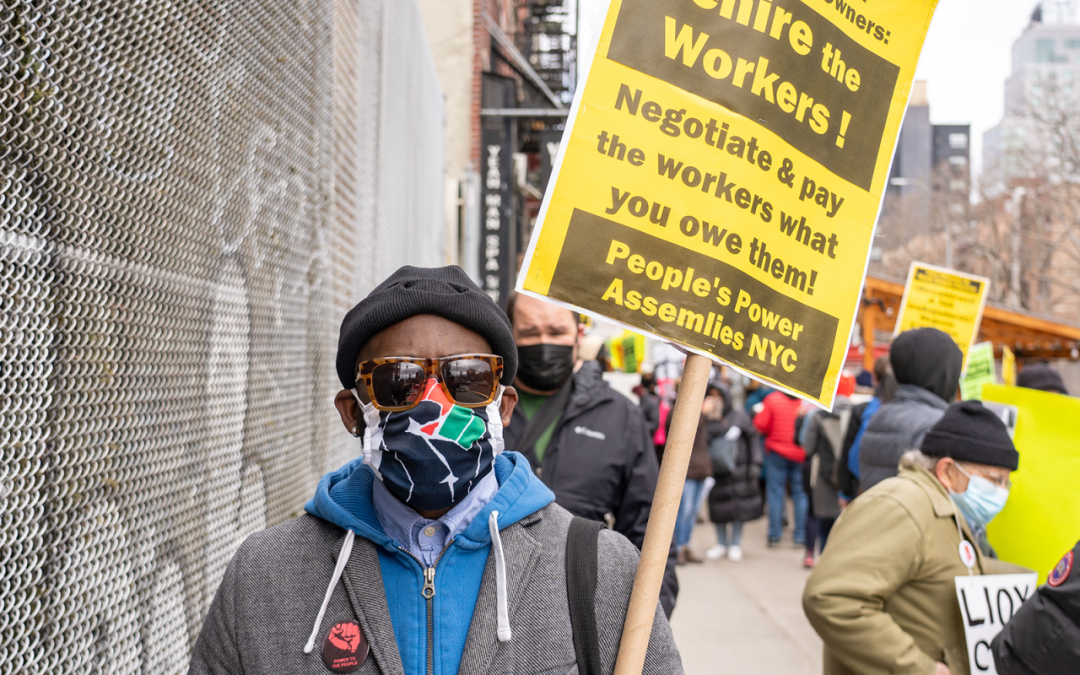
Unionized workers earn more, have better benefits, and have the security of a written contract protecting their rights.

The two stories told of older Americans don’t jibe with reality, which encompasses both scenarios, and everything in between.

NCOA’s call to action to solve a seemingly intractable economic security issue among older adults.

‘Systemic inequities have led to higher poverty rates for people of color, LGBTQ+ older adults and women.’

Older learners want transferable career skills four areas, including tech, communication, networking and well-being.

Enabling another line of protection for older adults’ finances.

Take a break from vacation and get that On Aging proposal polished!

The ASA RISE mentorship component exceeds expectations.
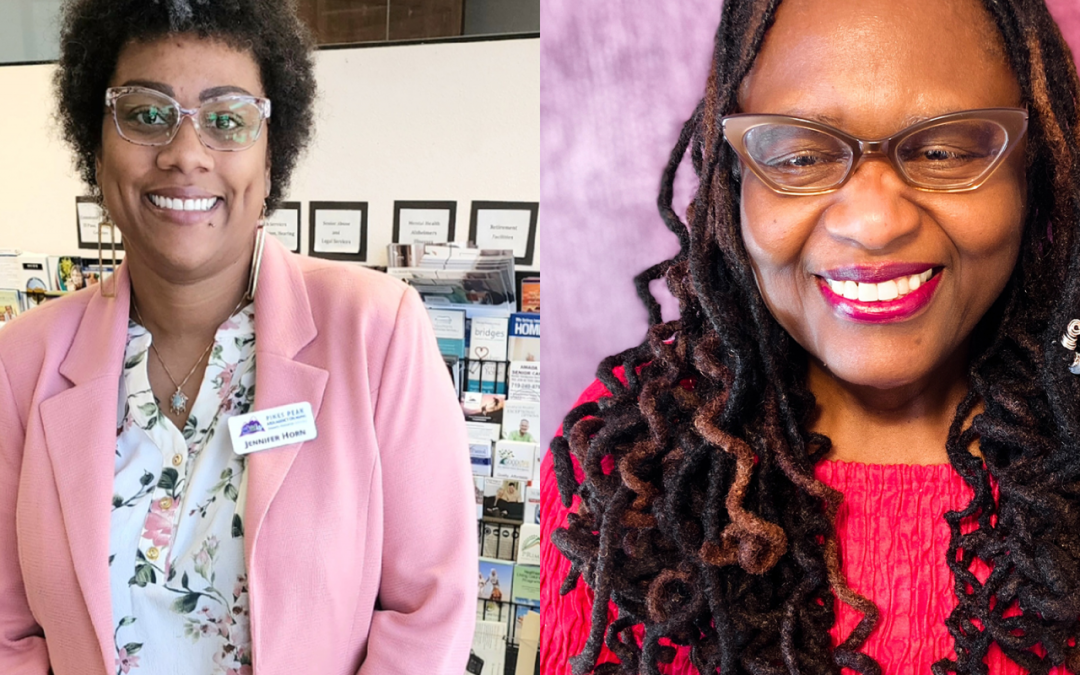
Having a mentor that knows my challenges and matches my interests is imperative in the field of aging.

Collaboration between the health, aging, human services and homelessness sectors is fostering productive ideas in the city.

Three-hours of panels were rich with solutions.

A skid row doctor on why homeless people with psychiatric illnesses and/or dementia need our help and empathy.

‘Environmental inequities are social inequities, resulting in health and economic disparities.’

‘Today, more than 3 million older adults live in households that are severely rental cost burdened.’

Mental illness, drug use, abuse and dementia can all make help hard to secure.

Reasons for becoming homeless are many, but discrimination and stigmatization happen to all.

‘Researchers project continued and significant growth in older adult homelessness across the next decade.’

In 2020 we heard the first significant acknowledgement of direct care workers from a presidential candidate.

Detailing ways to ensure nurse aides hired during the pandemic are sufficiently trained.