
New data reveals behavioral health crisis among older adults.

America’s Growing Gray Gap
read more
New data reveals behavioral health crisis among older adults.

The Green House Project is a person-centered model for what works in communities, if implemented and built out.

Forging a new era of transparency and technology in aging services.

Comprehensive aging policy should invest in diverse congregate living models and remove regulatory barriers that make homelike group settings difficult to establish.

The quantification of sleep in older adults.
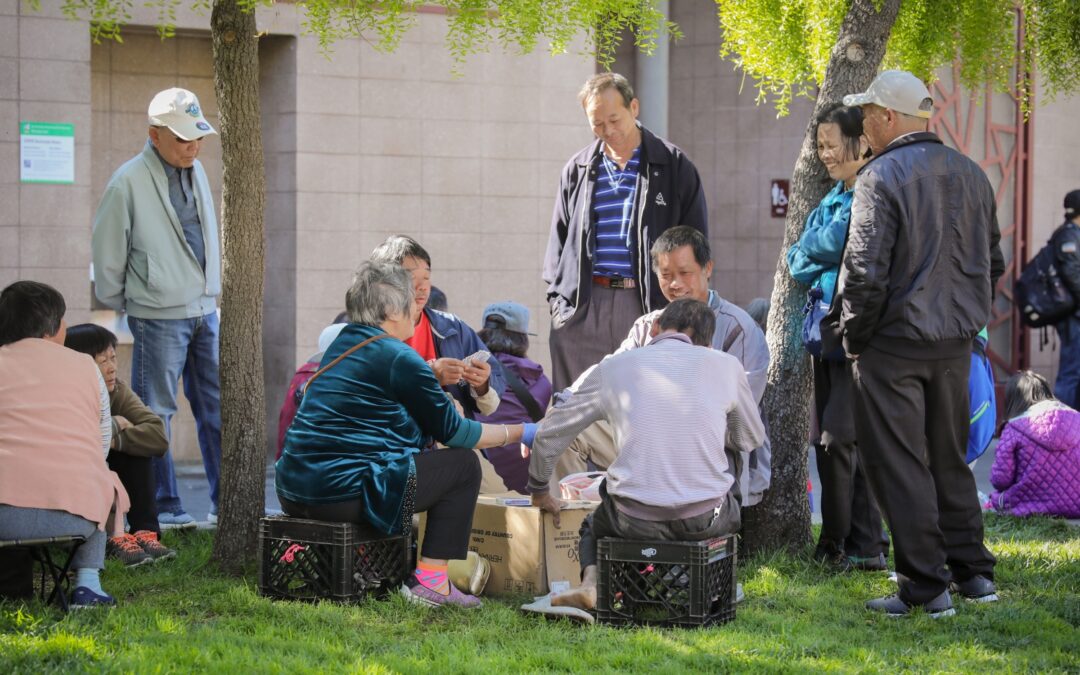
Rounding up the various risk profiles of housing and neighborhoods, and effects on elders.
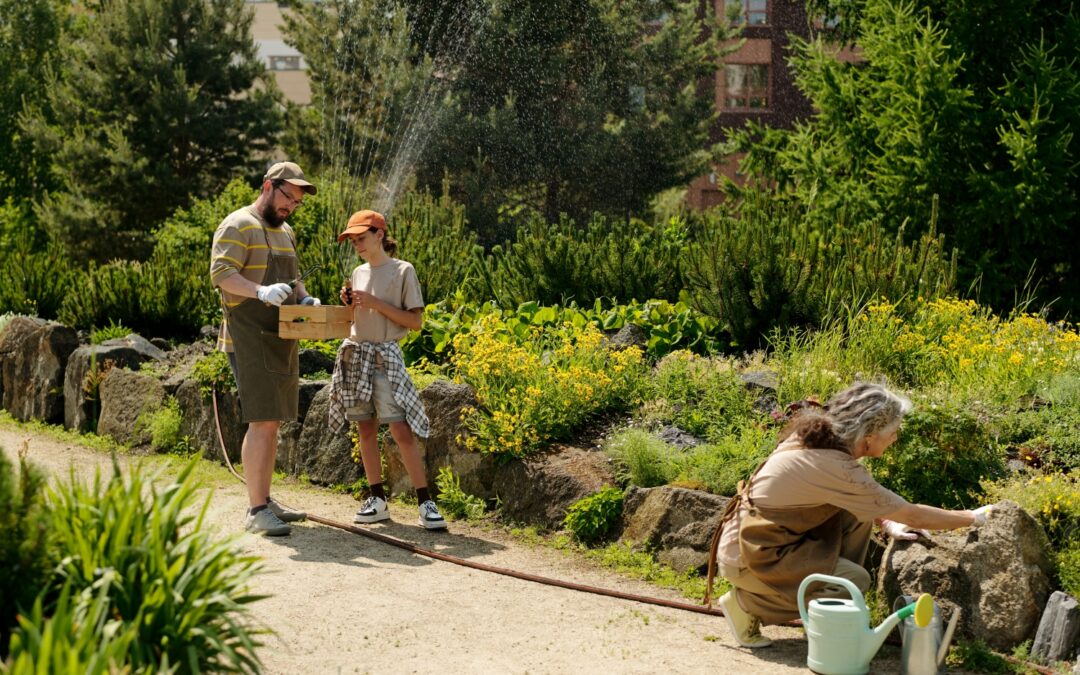
Neighborhoods can provide supportive environments for active aging.
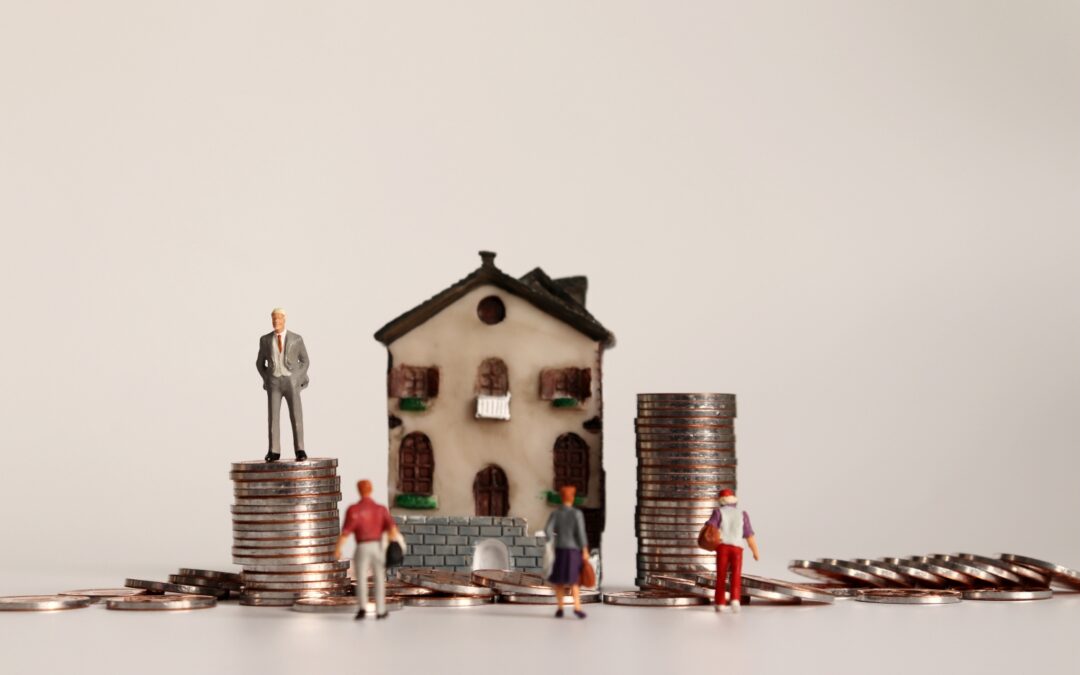
Challenges paying for housing can worsen health, make repairs impossible, and lead to unwanted or unnecessary moves.

Bridging the digital divide is essential, yet politics may prevent our progress.

Potential challenges to living in increasingly warm climes, and how the Age-Friendly Communities Framework can help with prevention and planning.
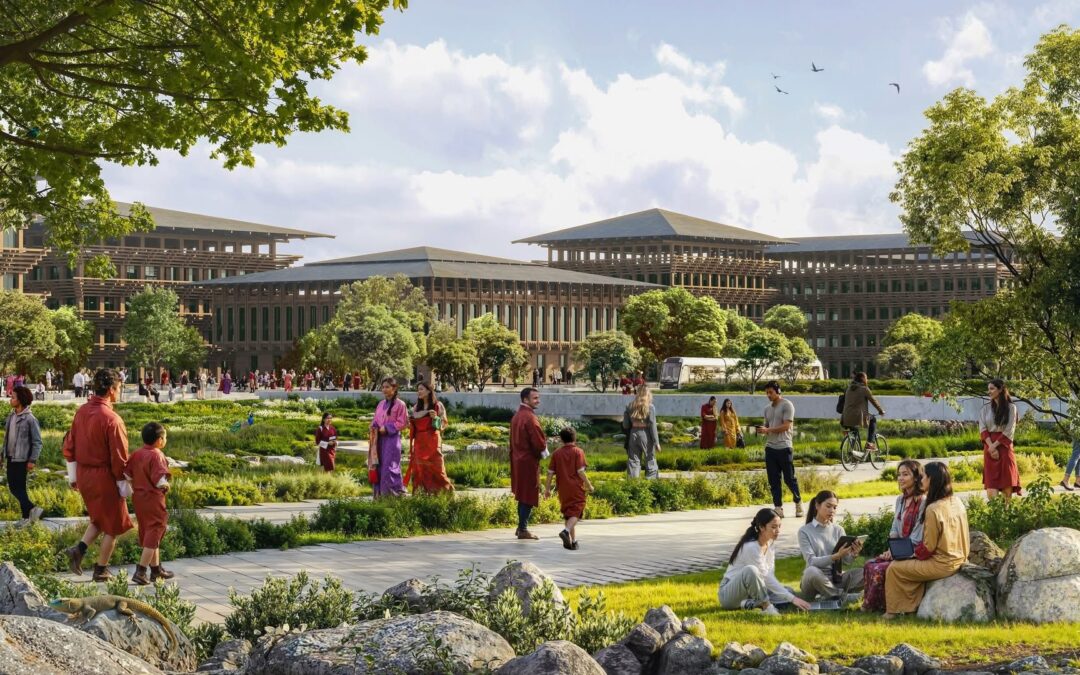
How our communities and local relationships can foster connection and social health, a pillar of health, well-being and longevity.

How we build belonging into digital spaces.
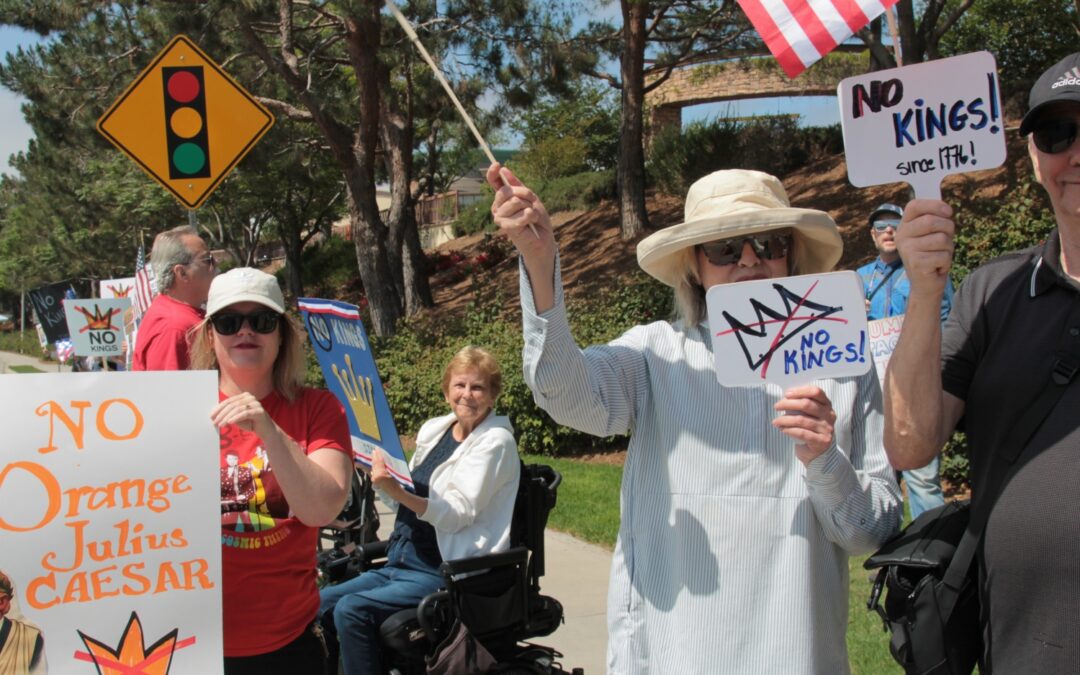
Shaped by the Civil Rights movement, Vietnam and Watergate, they’re back in force with no intention to stop until they succeed.

New West Health–Gallup state rankings reveal the answers from lived experience.

Activists are slowly seeing change on commuter trains in Boston and Chicago.

How retired NHLers stay healthy for their later years.
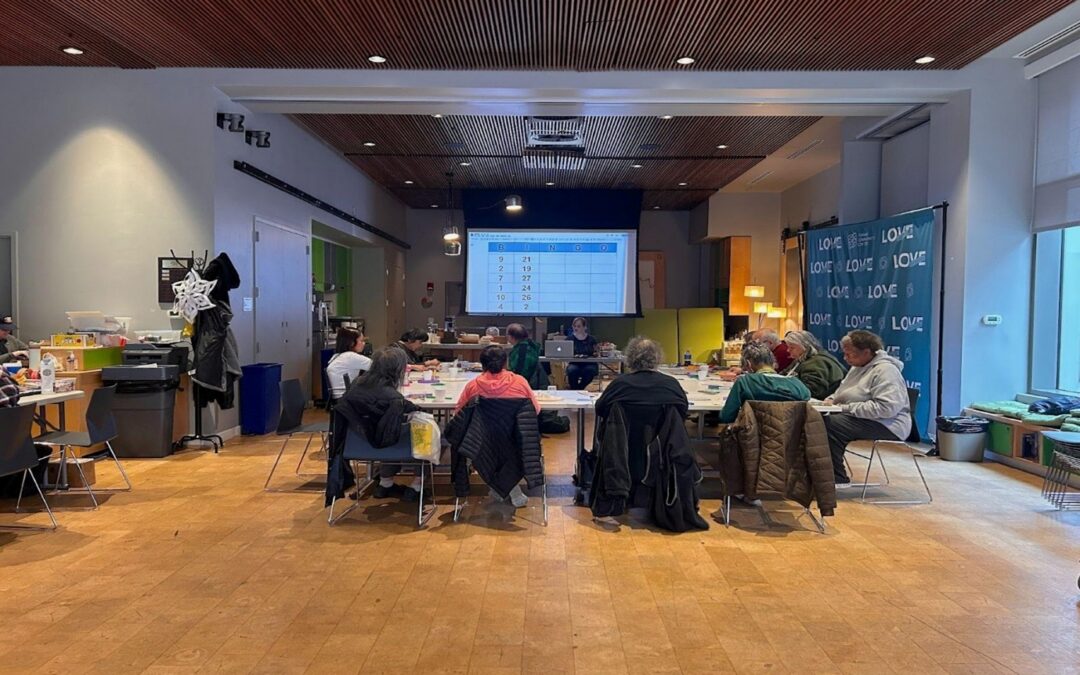
When isolation does not define retirement.
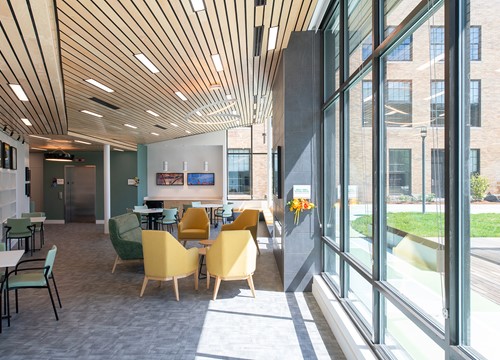
Affordability, unity and companionship are built into this LGBTQ+ welcoming senior housing development in Boston.

A policy argument for social health in aging.
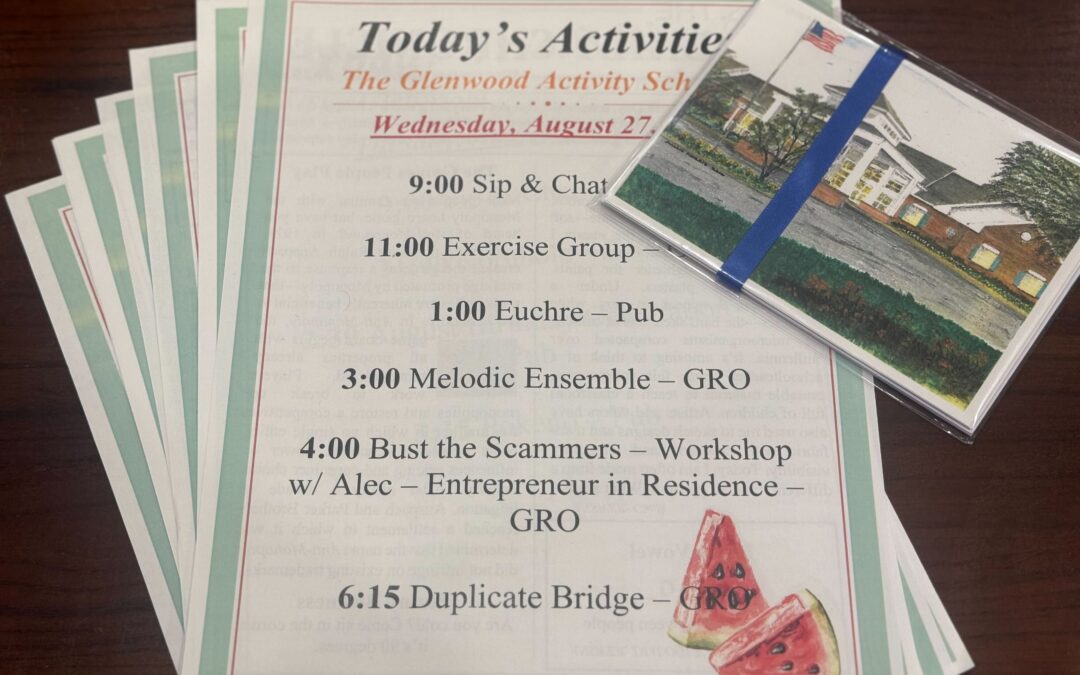
‘None of Glenwood’s energy would exist without the staff who enable, not dictate, daily life.’