‘The ASA Rise program uniquely augments these efforts.’

Our Pledge to Support Diverse Talent in the Field of Aging
read more
‘The ASA Rise program uniquely augments these efforts.’

We must do better for our older loved ones, and for ourselves.

We need a U.N. convention on the rights of older people, and we need it now.

Lessons learned from COVID-19.
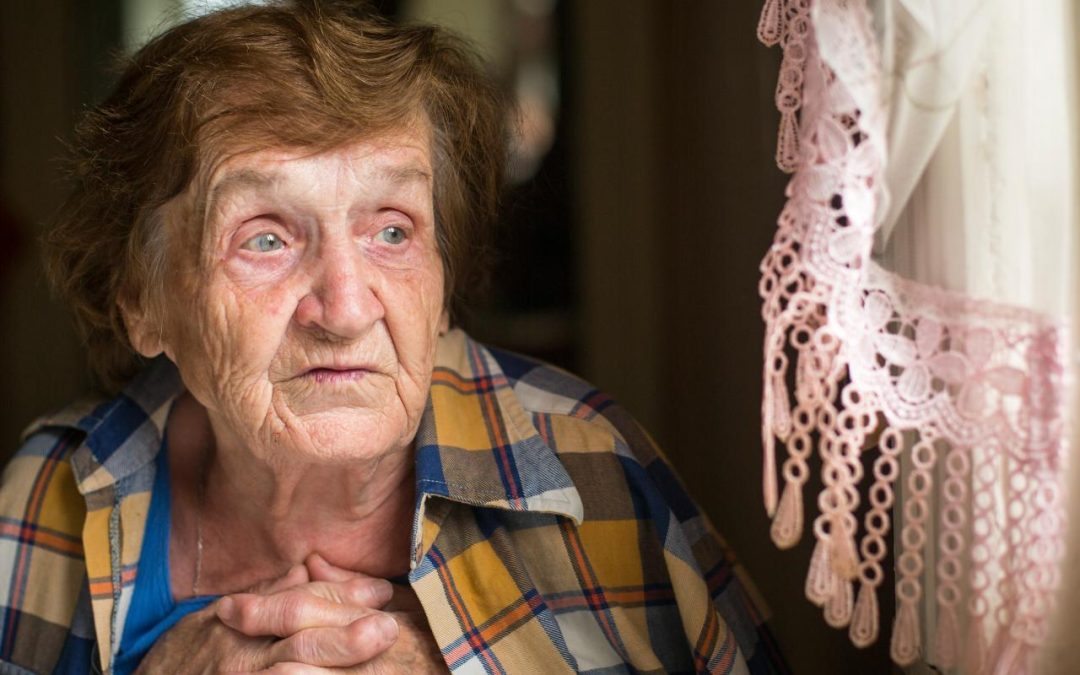
How such practices can affirm older adults’ experiences and validate their worldviews.

Precarious legal status of older parents can lead to continued economic precarity in future generations.

Expanding Medicare coverage for all elders, combined with immigration reforms are needed to ensure this population can access healthcare.
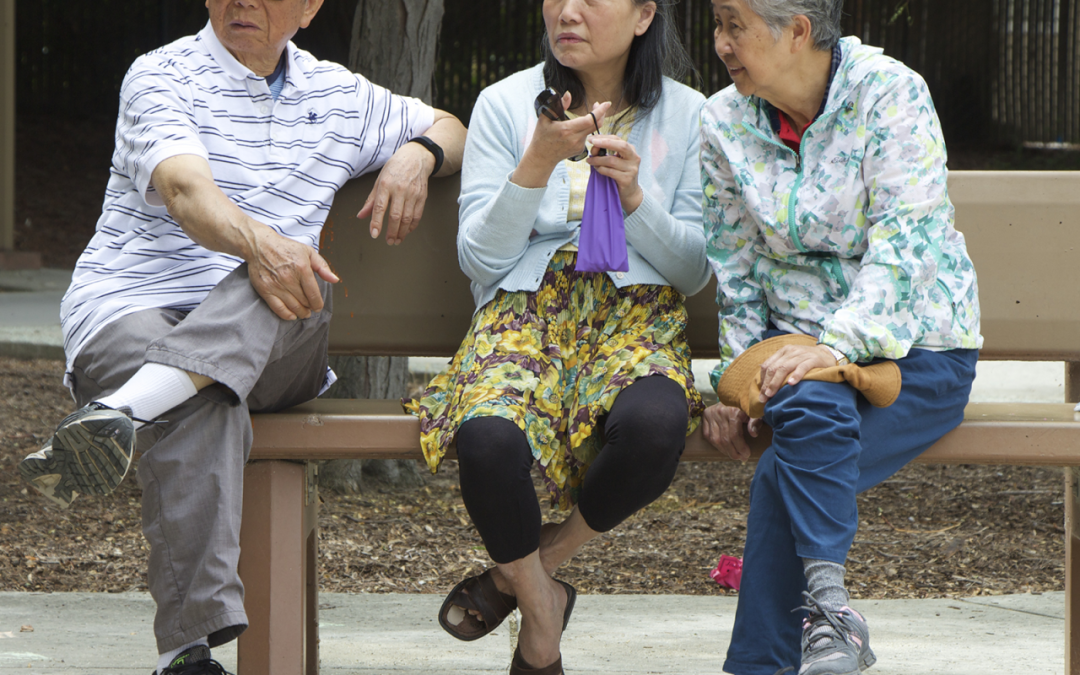
To improve older immigrants’ health and well-being it’s critical to work with community organizations.

Public benefits are not simply a supplement for older immigrants—they are a lifeline.

Between May 2019 and June 2020, comfort in using video conferencing platforms rose from 53% to 64% in people ages 50–80.

Nutrition care can help address chronic diseases and support active aging.

Perhaps the title of the “most critical to our daily lives” General Session goes to the final one, with Ai-jen Poo and Bill McKibben.

New study demonstrates barriers to tech use for many elders.

‘Let’s not be ageist about the OAA!’

How will the OAA’s accomplishments match up to the increasing numbers of elders and lack of caregivers?

Consumers, local providers, state agencies, and federal policymakers all want data about older adults being served.

Why AAAs are busy contracting with community-based organizations, and how it’s paying off.

The Act combines national policy aspiration and ambition in spreading services across America, plus optimism that our country can enable older adults age successfully in place.
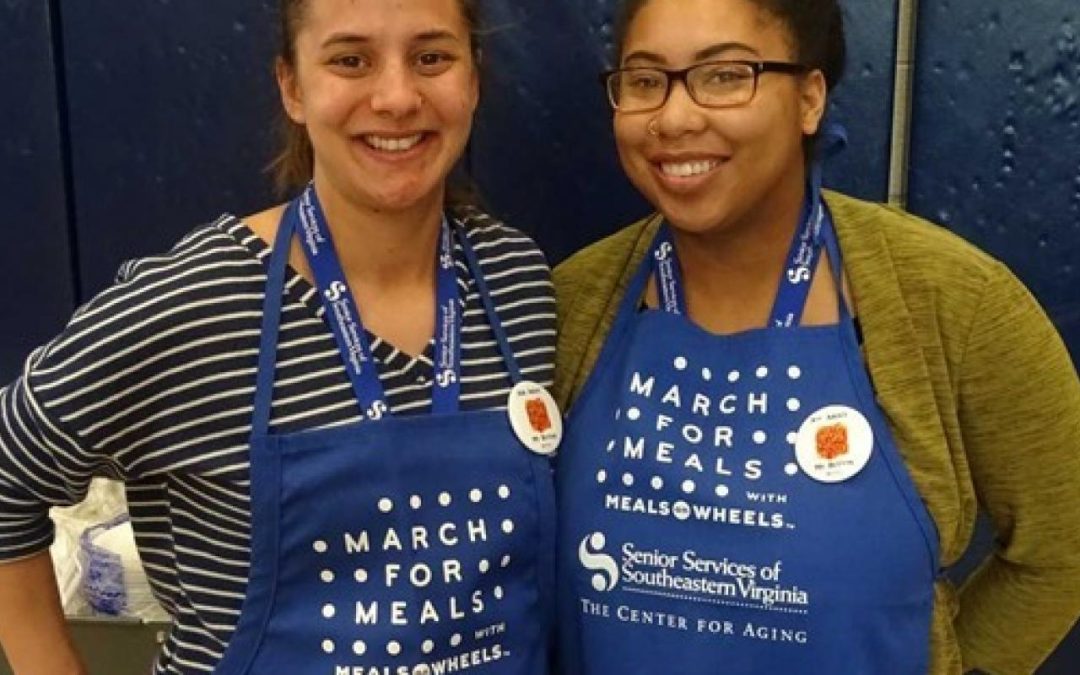
SEVAMP embraced innovation as its guiding principle.

A detailed, personal look at what’s in Title VII, what’s not, and what its funding covers.