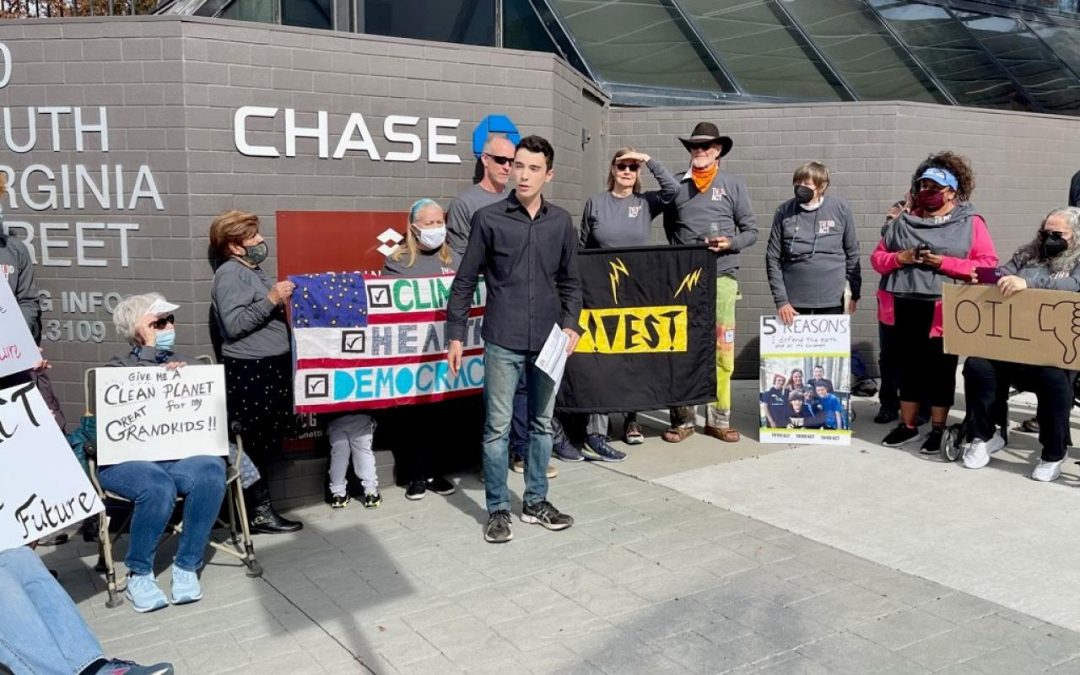
It’s time for elders to take action against the big money that supports fossil fuels.
What’s Your Third Act?
read more
It’s time for elders to take action against the big money that supports fossil fuels.

‘The concept of a 20-minute neighborhood illustrates an approach that is both age- and eco-friendly.’
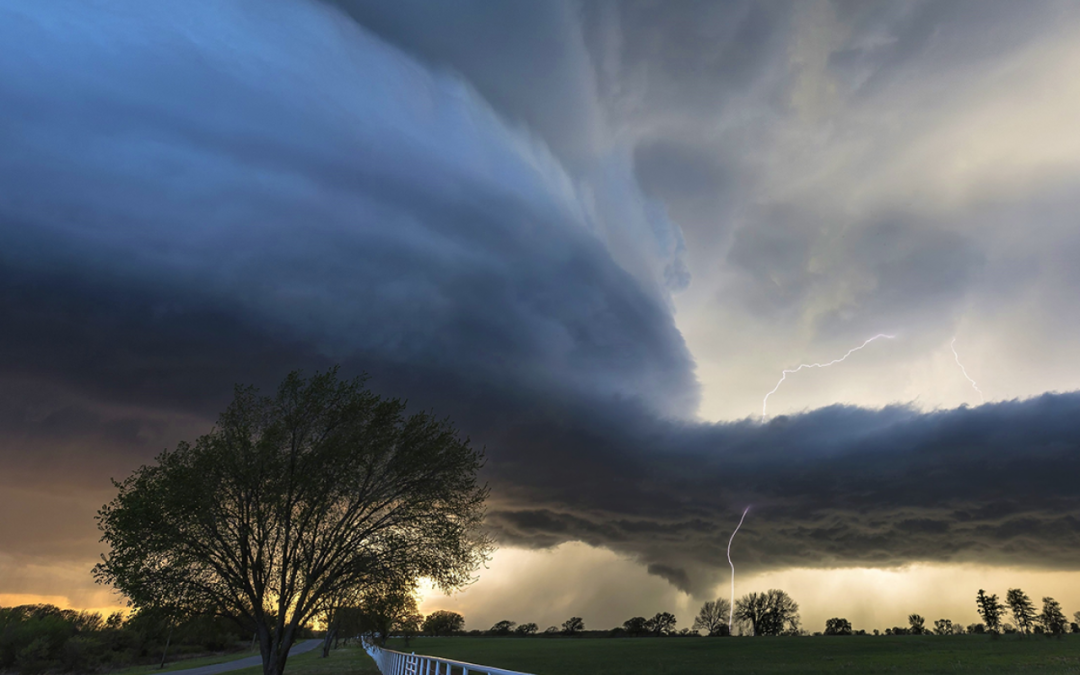
Climate justice must involve transgenerational, equitable action.

Older adults are poised to contribute to climate change actions, but advocacy organizations need to step up recruitment and improve volunteer work.
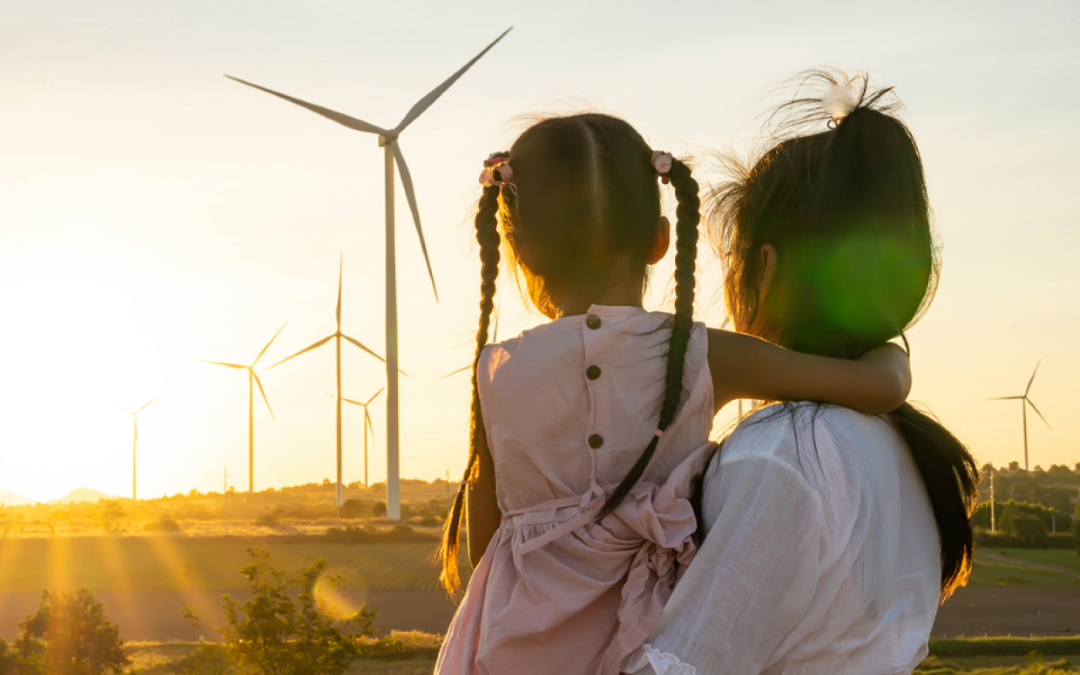
How do we successfully rewrite the generational compact?
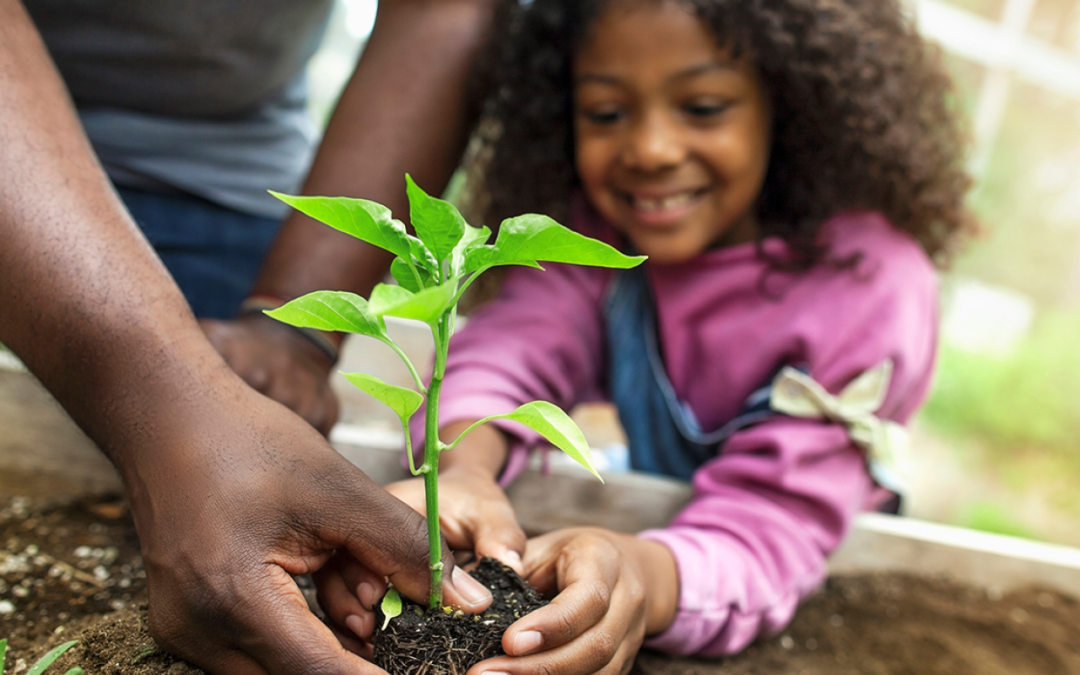
Guest editor brings vast experience in aging to convince elders to act on climate causes.

‘Age differences in climate views loom large but need not pose a significant barrier to climate action.’
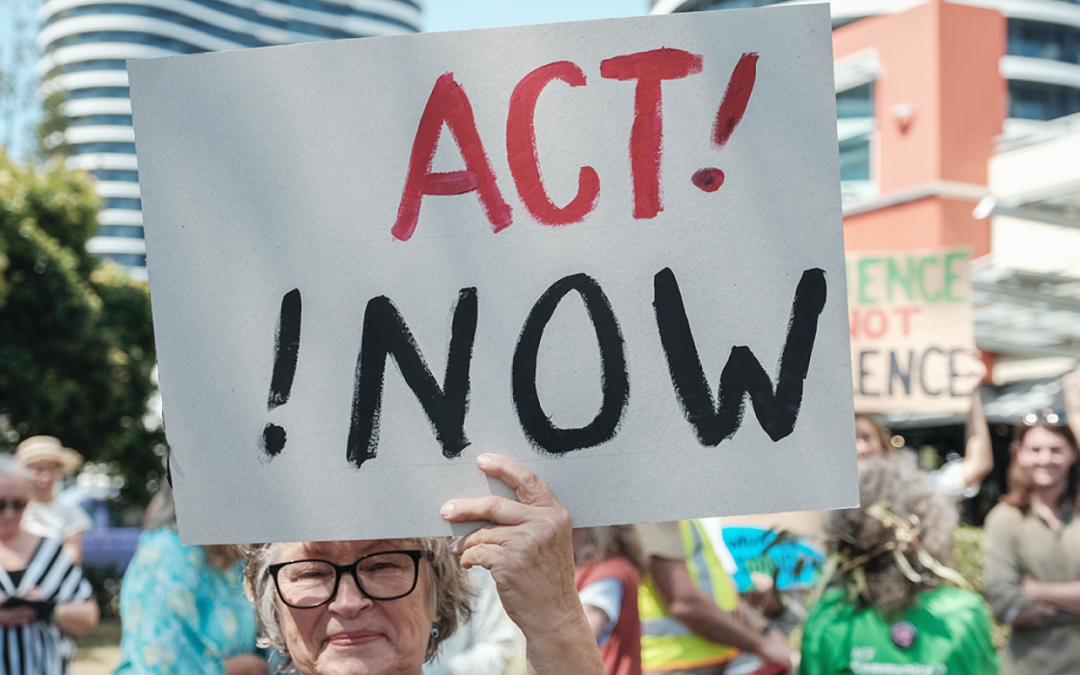
Recommendations on enticing older adults to join in solving the climate crisis instead of being its casualties.
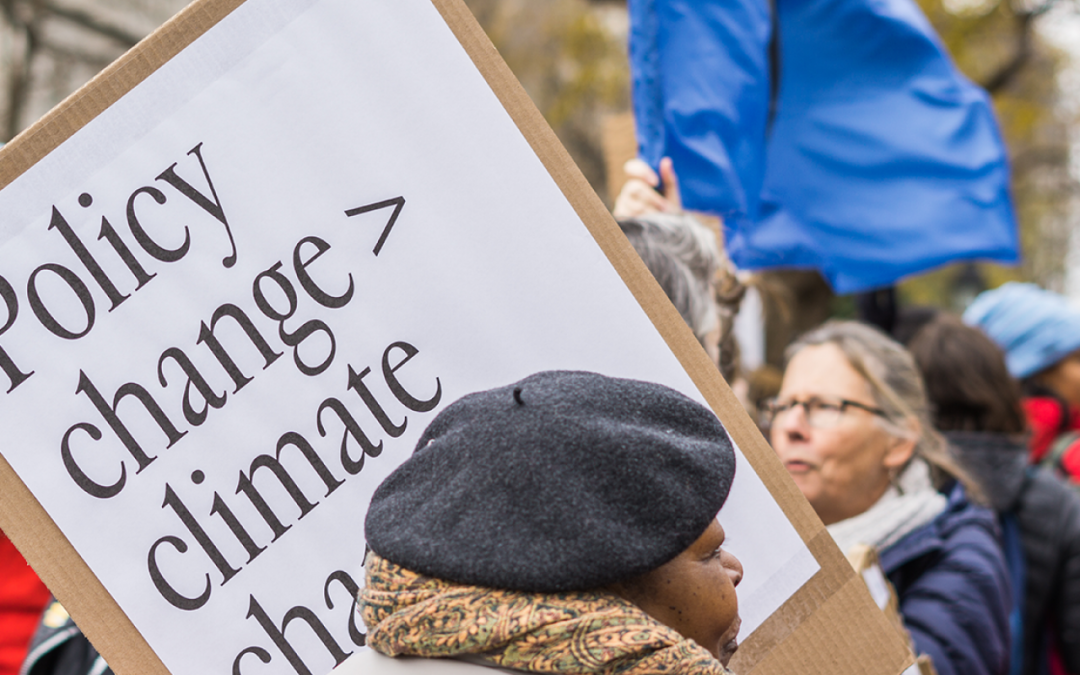
ASA’s climate policy agenda will emphasize health policy and climate justice; emergency preparedness, response, and recovery; and volunteerism.
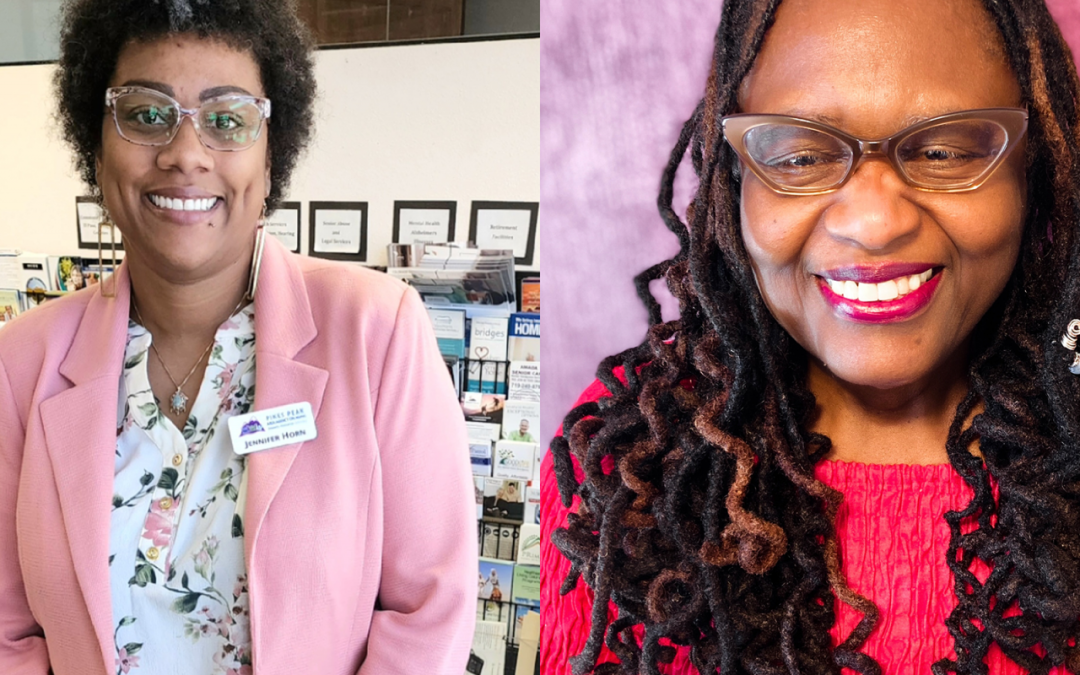
Having a mentor that knows my challenges and matches my interests is imperative in the field of aging.

Collaboration between the health, aging, human services and homelessness sectors is fostering productive ideas in the city.
Six organizations in aging sign on to urge adoption of this UN convention.
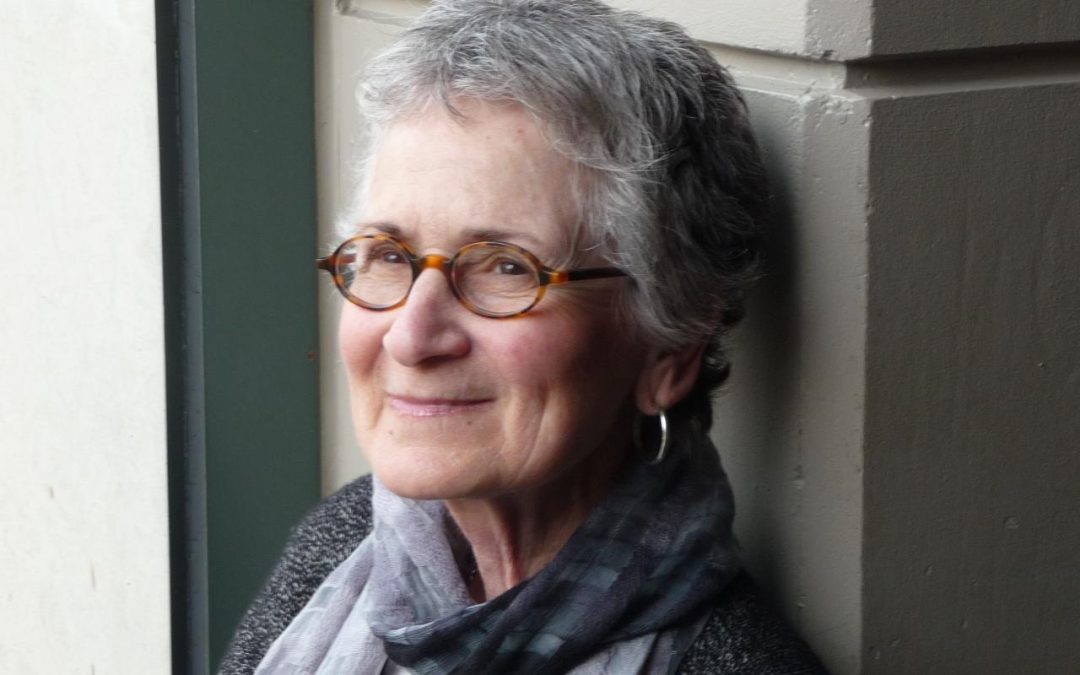
The beloved scholar, activist, mother, grandmother and friend will be sorely missed.

Smart resources for older adults who own guns and those who work with them.

Being socially connected provides safety and security, buffers stress responses, aids emotion regulation, improves health behaviors, and improves access to resources.
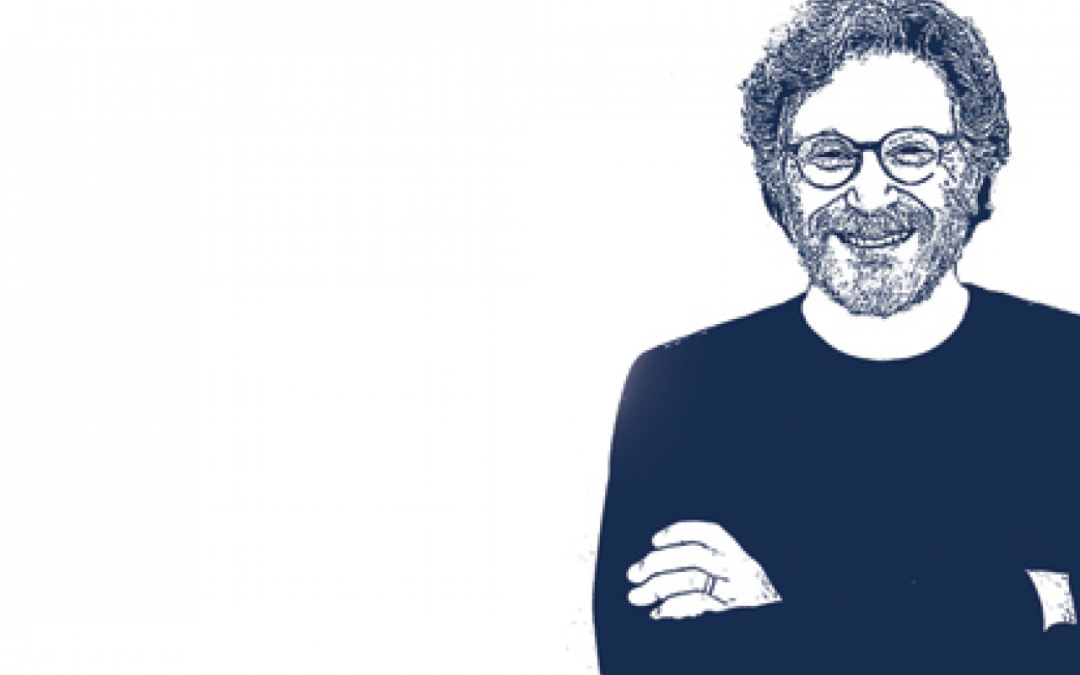
‘We must look at aging as not about older persons only. Aging is a lifelong process.’
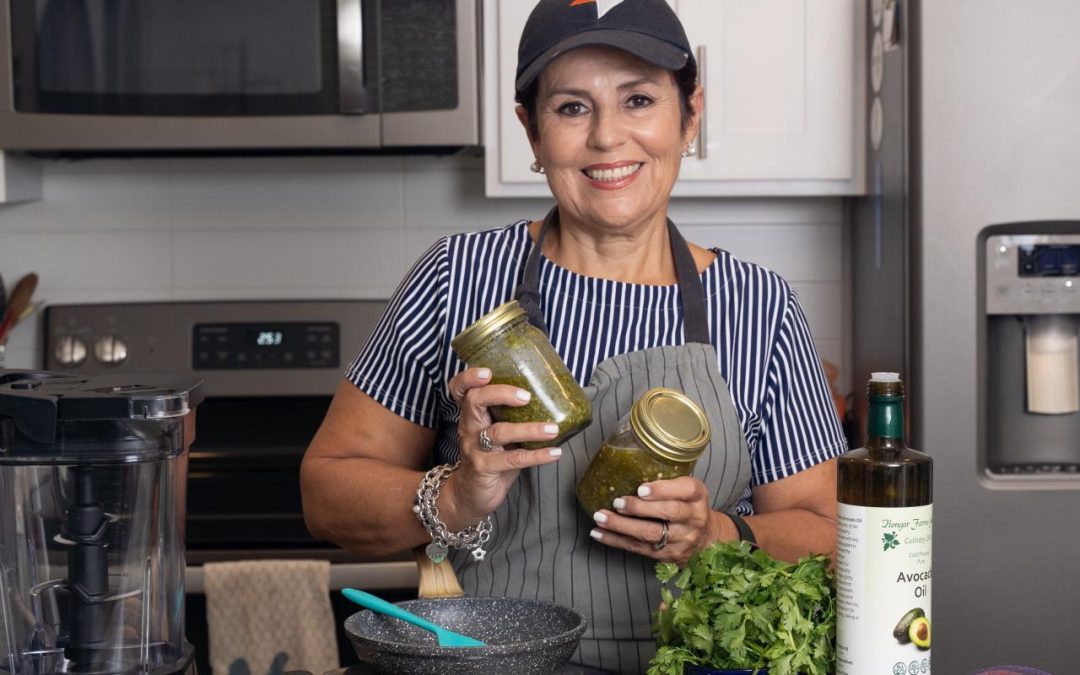
The platform allows elders to learn, create, share and socialize.
These leaders are honest and transparent about what they’ve learned and their wish to leave a legacy for those working on behalf of elders for generations to come.

The National Oceanic and Atmospheric Administration has embarked on multiple efforts to prepare Americans.
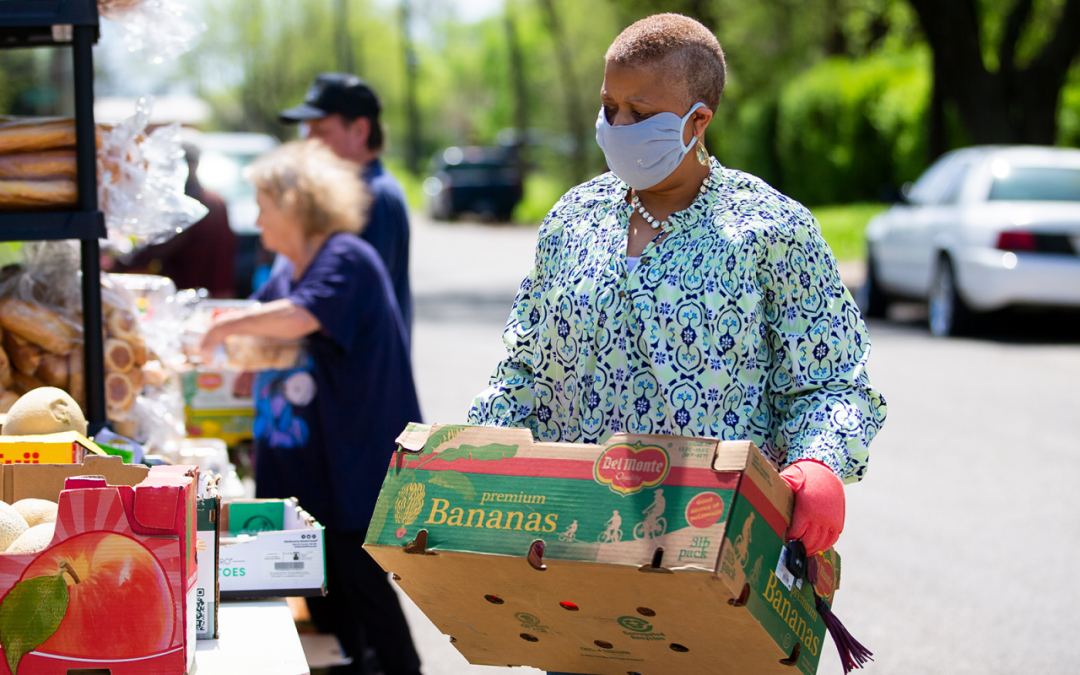
We need to learn from the past, expand connections to community providers, and prioritize nutrition security.