
As urban planners, landscape designers and public health researchers, we have studied physical and social environmental effects on health and well-being. Our research confirms that where people live can greatly affect how easy it is to remain in their own homes as they age and retain an active lifestyle. We strongly believe that one’s house and neighborhood shape daily habits, health and overall well-being. We also want to point out that the physical environment, including manmade and natural components, is closely interconnected with the social and technical infrastructure of the community.
About 10 years ago, the U.S. Surgeon General encouraged communities to make walking easier as a way to improve health and reduce disease for people of all ages and abilities. Since then, many groups across different sectors have worked to make neighborhoods safer and more walkable, either by improving existing areas or designing new ones. These efforts have helped people understand that, as they say in this space, “place matters for health.”
Neighborhoods with safe streets and places to walk can make a big difference in how healthy and happy people feel. These changes are powerful because they help many people at once, support public policies, and last for decades because community infrastructure tends to stay in place for a long time.
Neighborhood streets are versatile community spaces and essential infrastructure that promote people’s walking, physical activity and social engagement. Complete Streets policies and projects have accelerated street improvements across the United States, with more than 1,700 policies adopted.
‘University retirement communities are gaining traction as an innovative residential model offering older residents opportunities to live, work, play and learn on or near university campuses.’
Redefining neighborhoods, Complete Streets is “an approach to planning, designing, and building streets that enables safe access for all users, including pedestrians, bicyclists, motorists, and transit riders of all ages and abilities.” While Complete Streets focuses on public-sector policy efforts, organizations like 8 80 Cities demonstrate nonprofit advocacy. 8 80 Cities promotes the idea that “if everything we do in our cities is great for an 8-year-old and an 80-year-old, then it will be better for all people.” Our article focuses on walkable and intergenerational communities as two key place-based approaches that promote the health and well-being of people of all ages and abilities.
Examples of Active Aging Communities
Walkable Communities. Walkable communities are those that accommodate and further promote walking for transportation, recreation and exercise. These communities typically feature specific characteristics (3Ds+R):
a) Density—relatively compact urban development allowing for vibrant and proximate opportunities for pedestrians;
b) Destinations—availability of pedestrian-friendly destinations, such as food, retailers/services and recreational destinations, in the neighborhood;
c) Distance—proximity to such walkable destinations within a comfortable walking distance; and
d) Route—safe, accessible, convenient, comfortable and attractive streets for pedestrians.
Complete Streets are excellent examples of planned connectivity enhancing such characteristics.
Walkable communities often include elements of urban nature, such as street trees, parks, trails and landscaped medians. Exposure to nature or greenery can bring numerous health benefits, such as lowering stress and depression, promoting social interactions and physical activities, and improving mood, cognition, and sleep quality. Also noted are environmental benefits related to reducing urban heat islands, enhancing air quality, and stormwater management. By reducing reliance upon automobiles, walkable communities can provide additional mobility, health and environmental benefits via reduced emissions.
Urban planners and designers are increasingly considering walkability through principles of smart growth that include compact, mixed-use development, connected street networks, accessible public transportation, and pedestrian-friendly open and green spaces. There also are many more concepts, such as New Urbanism, 15-Minute City, pocket neighborhoods and universal design, which embrace walkability as a core principle.
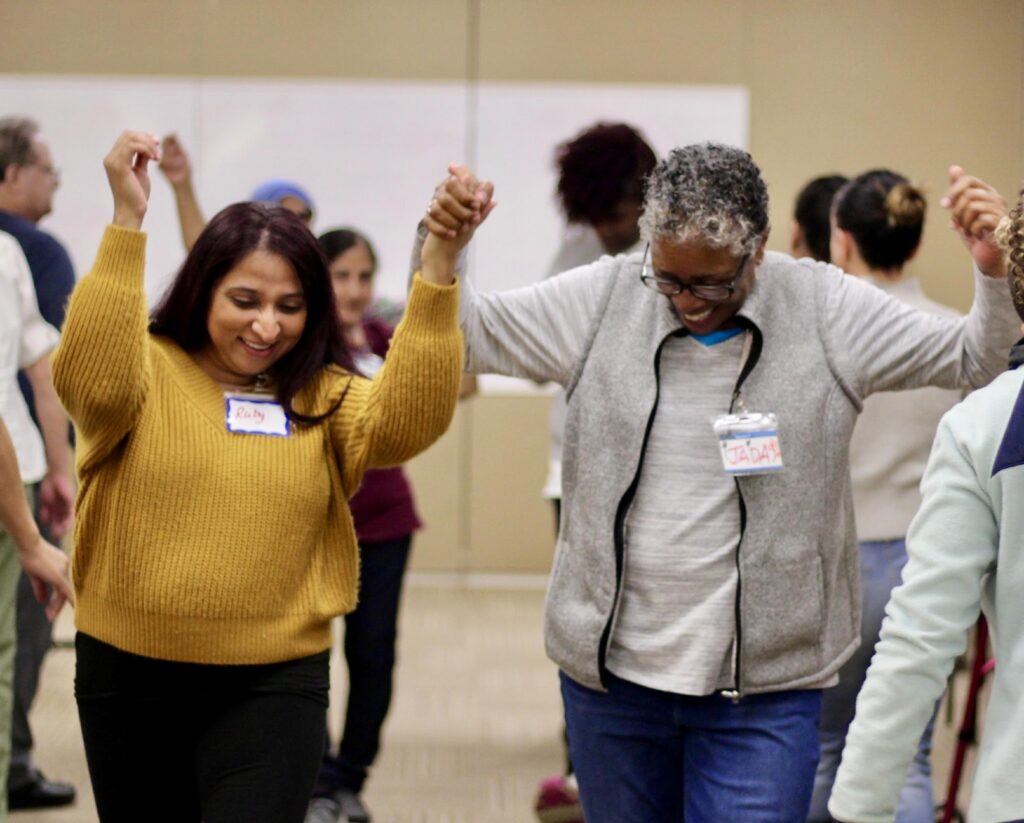
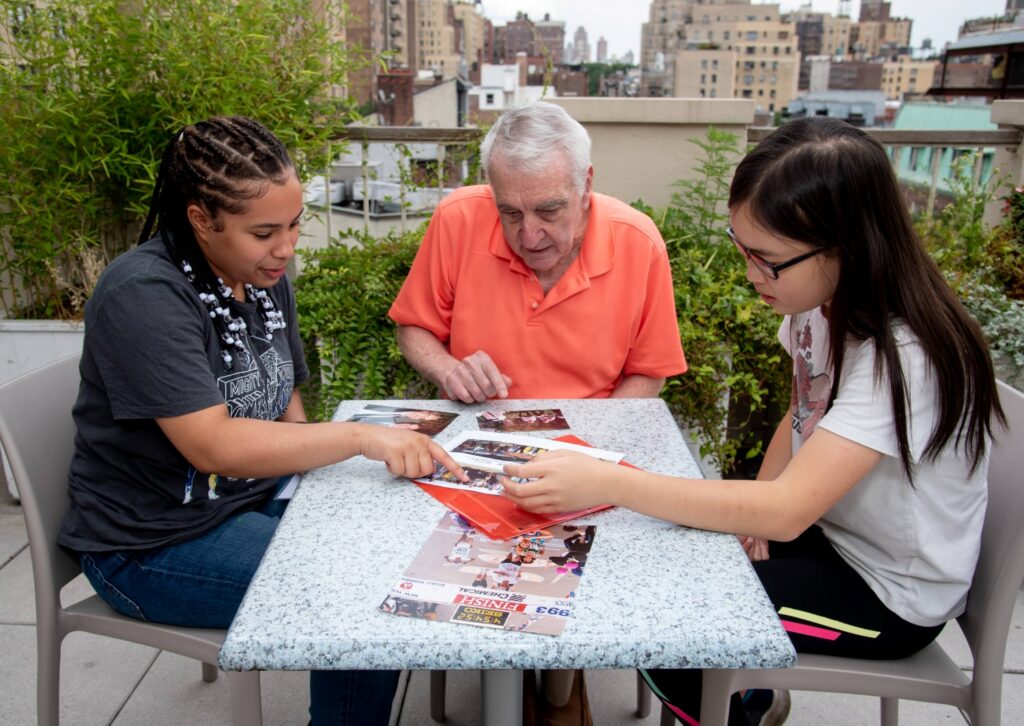
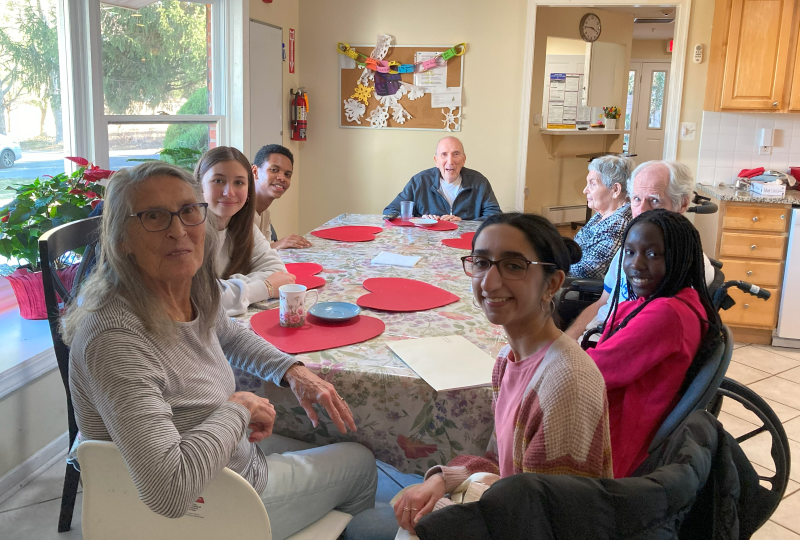
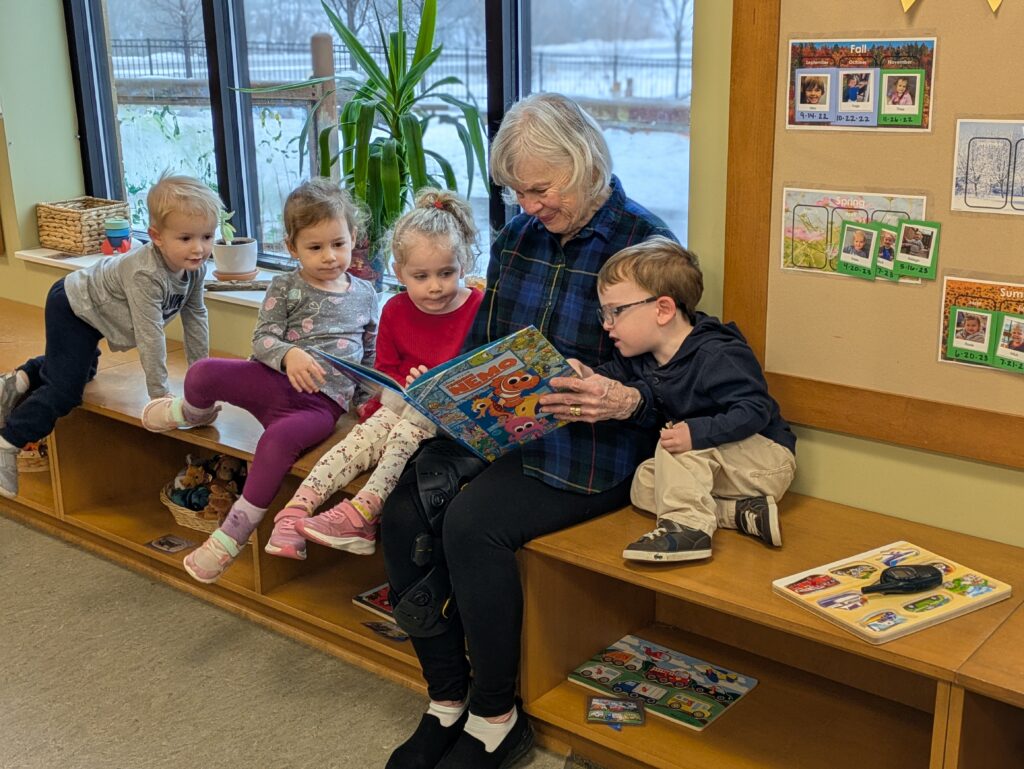
Intergenerational Communities. Generations United endorses the intergenerational community concept for supporting active aging in place, while providing broader societal benefits such as reducing generational gaps and ageism. Key characteristics and features of an intergenerational community include: 1) safe, pleasant and welcoming places supporting diverse casual and formal social interactions; 2) walkable and accessible environments for easy access to major commercial, recreational and service destinations; 3) inclusive and universal designs accommodating people of different ages and abilities; 4) diverse and affordable housing options supporting intergenerational living; and 5) comfortable ambient environments such as thermal comfort.
In recent decades, efforts to create intergenerational communities in the United States have been gaining traction, focusing on promoting both social (e.g., intergenerational programs) and built (e.g., parks, community gardens and shared courtyards) environmental strategies. Bridge Meadows in Portland, Ore., is an intentional, program-based intergenerational community with accessible, affordable housing and shared outdoor spaces that support families with adopted children and low-income older adults who can act as grandparents to the children.
‘A broader cultural shift is needed to create inclusive and universal environments that support people of all ages and abilities.’
University retirement communities also have received growing attention as an innovative residential model that offers older residents opportunities to live, work, play, and learn on or near university campuses. They provide easy access to campus resources and foster social interactions between older adults and university students, faculty and staff.
Varcity at Texas A&M University is an example of such a community that is in development, featuring diverse housing options and shared recreational, commercial and medical amenities to promote intergenerational interaction and healthy aging in place. Mirabella at Arizona State University is another example built on the Tempe campus that provides a full range of recreational amenities and lifelong learning opportunities to integrate older residents into the core of campus life. These types of intergenerational communities are likely to become more prevalent living environments in our aging society.
Design Principles of Active Aging Communities
The two highlighted community design strategies above reflect ongoing and emerging efforts to promote health and active living for all. These efforts share general themes and design principles, including the following.
- Walkable Destinations: Having desired daily places nearby to walk to for utilitarian, social and recreational purposes, such as stores, restaurants, parks and community centers, to reduce car-dependent living by making walking a viable and healthy mobility option for people of all ages.
- Safe and Complete Streets: Making walking safe, easy and enjoyable by incorporating pedestrian-friendly infrastructure (e.g., sidewalks and safe crossings) and amenities (e.g., benches, signage and shade structure).
- Urban Nature and Green Infrastructure: Availability of diverse natural spaces and connected green infrastructure, promoting physical, mental and social health, while contributing to environmental sustainability and resilience.
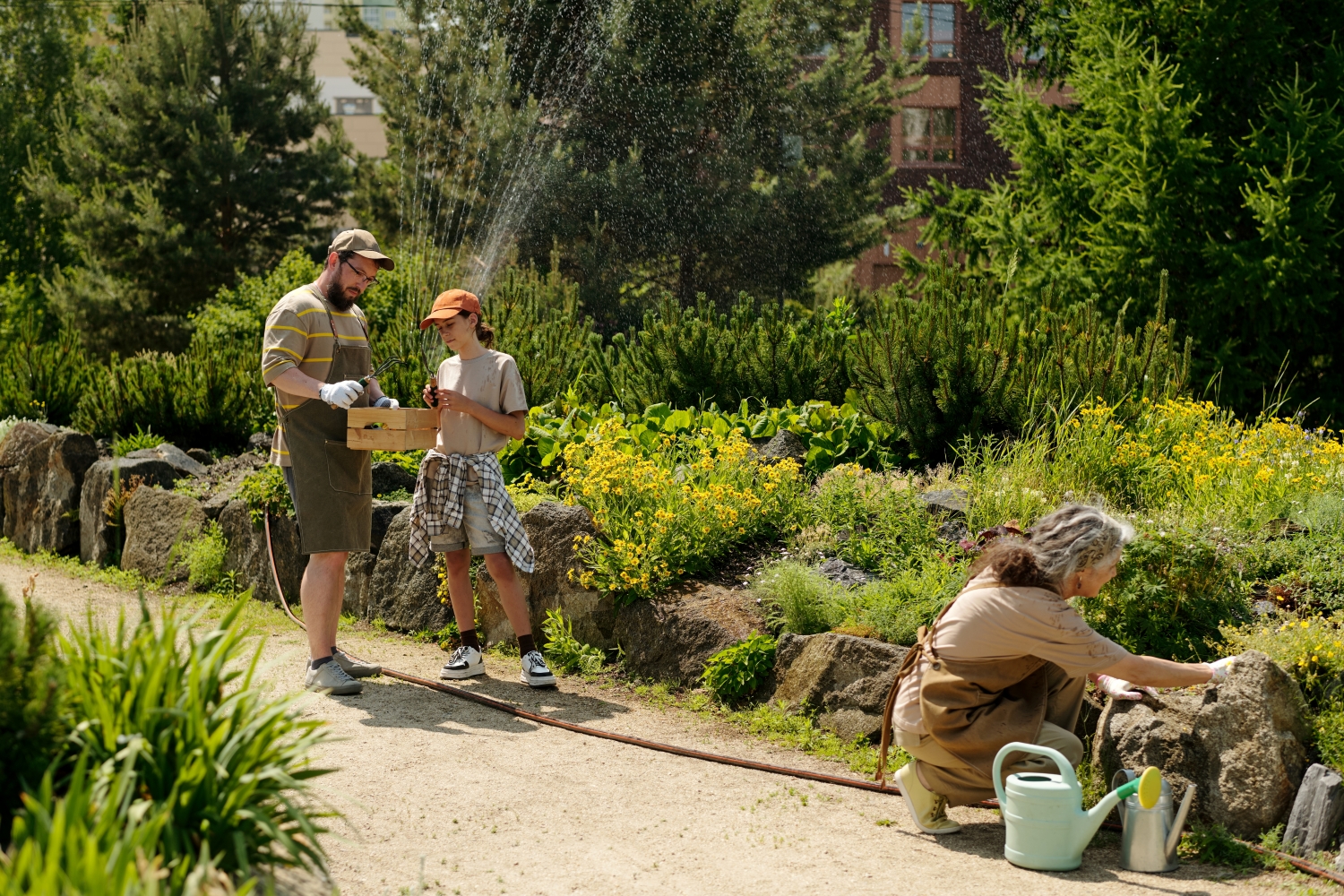
- Age-Friendly and Intergenerational Features: Including age-friendly destinations and intergenerational amenities that bring people of all ages together, such as intergenerational parks, co-housing with shared public spaces, community/neighborhood centers, community gardens and local markets; and streets and public spaces designed to be inclusive, incorporating universal design principles to make places accessible and attractive to all ages and abilities.
- Supporting Programs and Services: Promoting lifelong learning, intergenerational exchanges and social engagements critical to healthy longevity. While we focus on place-based environmental strategies in this piece, the critical roles of diverse and tailored programs and services also should be recognized.
Place-Based Strategies to Promote Active Aging in Place
Place matters in health for all. When communities are designed to promote walking and social interactions across generations, they deliver a wide range of health and environmental benefits that make it easier for people to stay active, independent and connected through every stage of life.
A broader cultural shift is needed to create inclusive and universal environments that support people of all ages and abilities. National movements such as 8 80 Cities, Complete Streets, and intergenerational communities are examples of efforts that apply inclusive and universal design principles to promote active aging for everyone. No two people are alike—each has distinct characteristics, attitudes, preferences and lifestyles. Effective place-based strategies should be grounded in the unique local culture, context, and needs of people who live and visit there.
Facilitating such a shift will require long-term, sustained efforts. Thus, we urge immediate attention and action focused on creating safe, accessible and attractive streets and public spaces that support people of all ages and abilities. This shift is critical for promoting intergenerational interactions and older adults’ ability to continue living in their homes and communities.
Chanam Lee, PhD, is a professor and executive associate dean, Sinan Zhong, is an assistant professor, both in the College of Architecture, and Marcia Ory, PhD, MPH, is Regents & Distinguished professor in the School of Public Health, all at Texas A&M University in College Station.
Photo credit: Shutterstock/Pressmaster