
It was the first few weeks of my freshman year at Tufts University, and my mind was racing with the usual anxieties that consume a first-year student: Whether I could succeed in my classes, whether I had passed my wind ensemble audition, and most importantly, whether I would make friends. I told myself to just take things one step at a time, beginning with attending the General Interest Meeting for a club I had come across earlier that week: The Legacy Project. As I entered the room, however, one person asked for my name, another pulled out a chair, and a third noticed the flute case slung over my shoulder. I realized I had walked into a community where I was welcomed, and the anxieties I had carried in with me began to quiet.
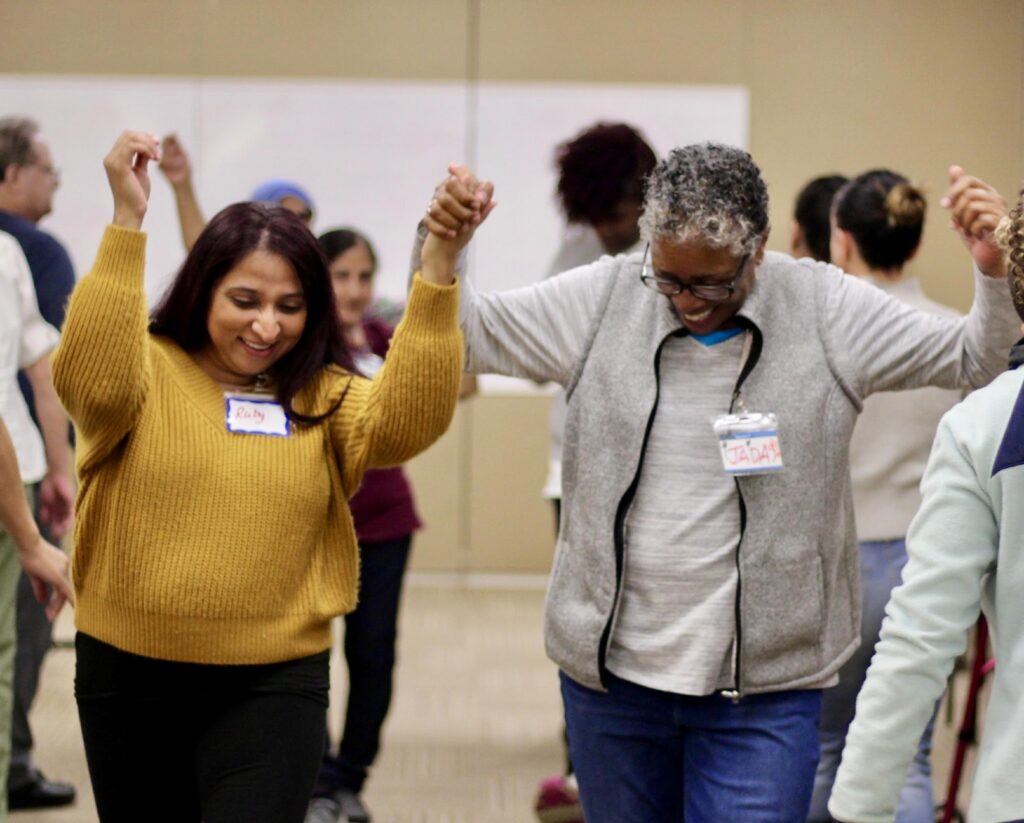
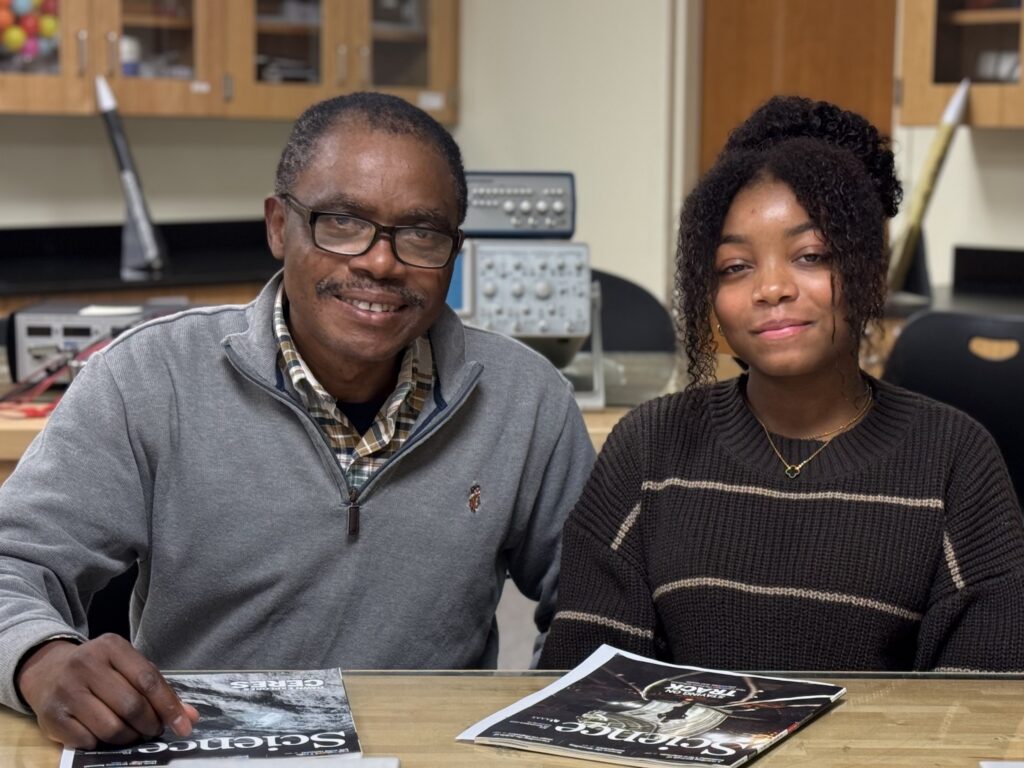
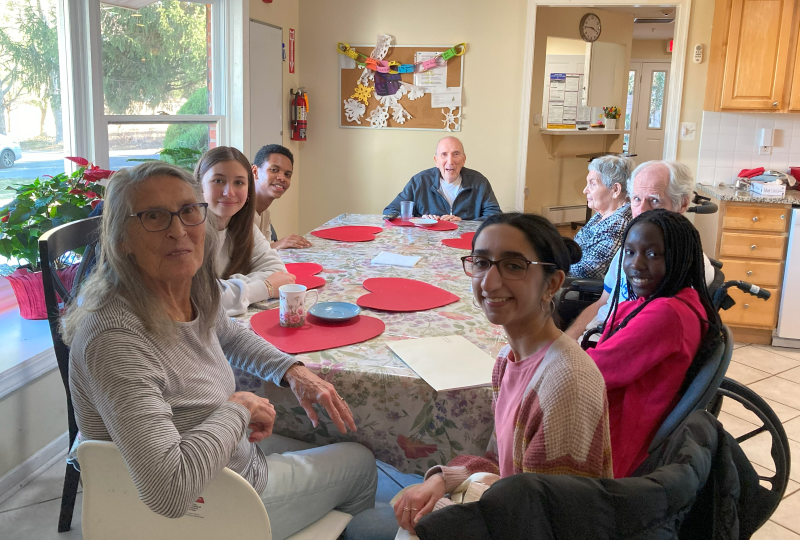
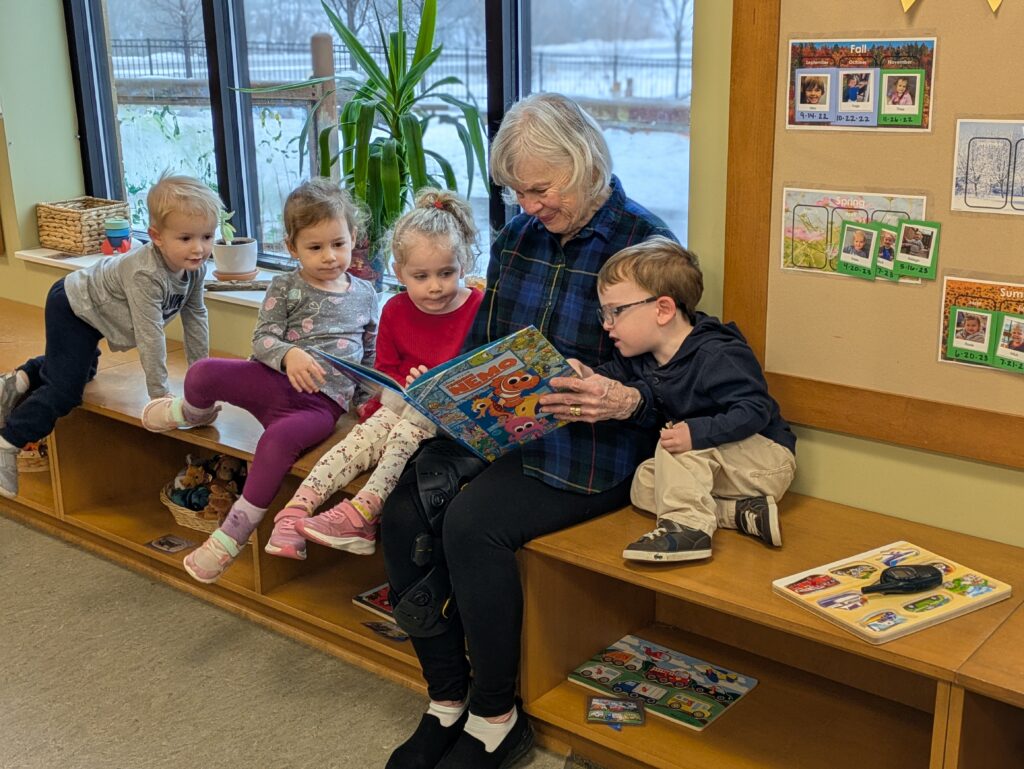
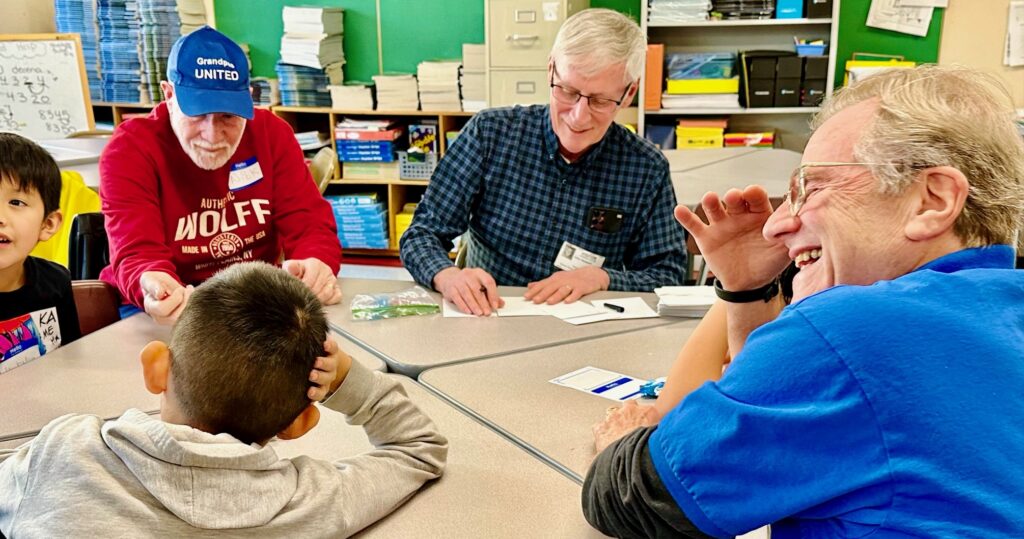
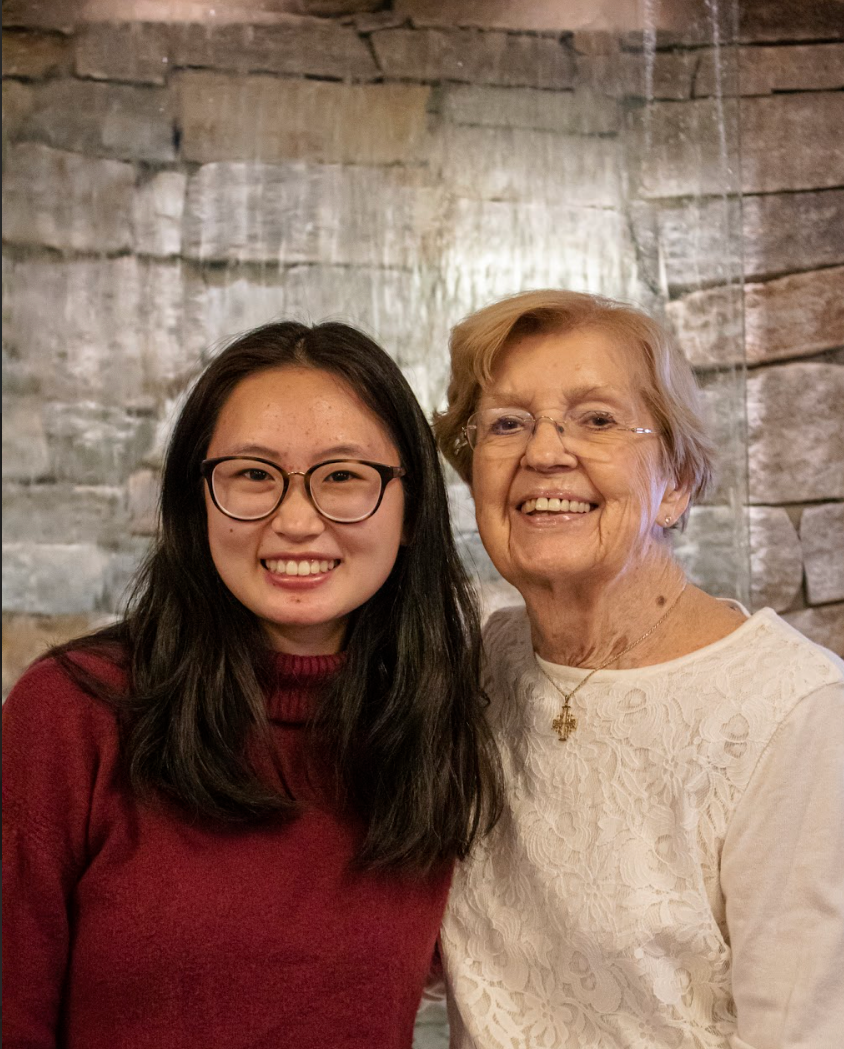
In The Legacy Project at Tufts, students are paired one-on-one with an older adult from the nearby communities surrounding Medford and Somerville for the goal of intergenerational interviewing and storytelling. I was paired with Jennie, a 97-year-old who spends her days gardening in the community greenhouse and feeding the birds that visit her balcony.
Through weekly hour-long visits, we shared stories of our lives and opinions, which covered everything from the latest news headlines to what it means to live a fulfilling life. At first, I saw my role as a passive one, where I simply dedicated my time to listening politely and conversing for an hour. But as each visit seemed to pass more quickly than the last, and Sundays became my favorite day of the week, I soon realized that our relationship had become more reciprocal than I had anticipated. When I got my first job and caught myself thinking, I can’t wait to tell Jennie, I realized that our conversations had evolved into a genuine friendship.
‘Slowly, I found myself straying from the provided questions meant to guide conversations and began asking questions of my own.’
Our conversations extended beyond the past and into the present. When I talked about my hope to travel to Europe, Jennie pulled out a worn photo album and showed me pictures from her travels decades earlier. When she complained about her loud apartment neighbors, I related my own experience to the constant hum-drumming of music coming from my dorm neighbor. When I shared stories from my long shifts at the hospital, she recalled her years as a nurse and her advice for enduring the hours.
Slowly, I found myself straying from the provided questions meant to guide conversations and began asking questions of my own. By staying authentic, remembering details, and returning week after week, Jennie and I built a strong bridge, despite the decades that separated us, through shared curiosity and mutual care.
Several months into our meetings, Jennie began to share the complex health issues that affect her daily quality of life. She told me she finally felt comfortable sharing this with me because she saw me as a friend. This added information did not define how I saw Jennie, nor our relationship, but rather added another layer to my understanding of who she was. Through listening with intention, we had developed a deep level of trust with each other.
As co-president of the Tufts Chapter of The Legacy Project, over the past three years I have come to understand that building and supporting a community begins with attention, which is achieved through listening. Students initially join the project for many reasons. Some, like me, seek opportunities to meet others who care about community service, while others hope to develop skills in storytelling and writing. Others might have had a close relationship with a grandparent they lost or are missing a grandparent who lives far away. Others never had a grandparent figure at all.
What keeps students engaged and returning year after year, however, is the feeling of being heard and valued. In our weekly meetings, where we have discussions on topics in aging, prepare crafts for our older adult matches, or simply share highlights of our conversations, we begin to learn one another’s stories. Through listening with the intention of remembering, we check in about how an exam went, how a game turned out, or each other’s thoughts about a new album. Over time, these small acts of attention build trust, and turn fellow members into friends who form study groups, attend each other’s performances, and support one another within and beyond the club.
Listening has also shaped how I support students when encountering challenges. When a student struggles with a visit or feels uncertain about navigating conversations, I have grown to understand that offering uninterrupted time to listen often provides more support than immediate solutions. Listening first, asking clarifying questions, then reflecting back what I hear without judgment often creates a foundation of trust and mutual understanding that then allows collaborative problem-solving.
‘It has become my priority to approach each patient encounter with the same attentiveness that transformed my relationships in The Legacy Project.’
As I complete my final year at Tufts and prepare to begin medical school this fall, these lessons have shaped how I hope to practice medicine. Through conversations with my older matches about their healthcare experiences of frustration, fears, and moments of feeling dismissed or truly understood, I have learned that listening is foundational to patient care. Active listening builds trust by allowing patients to feel heard and valued, often before treatment is discussed. It places patients at the center of their care and allows providers to see beyond the diagnoses and appreciate the patient’s lived histories, identities, and circumstances that shape their health. It has become my priority to approach each patient encounter with the same attentiveness that transformed my relationships in The Legacy Project.
My four years with The Legacy Project have been shaped by a community of fellow younger and older friends that grew each year. Listening with intention has guided how I build community, support others in times of uncertainty, and imagine my future as a physician. When practiced consistently, I have seen how listening builds trust and allows people to be seen beyond their roles, ages or diagnoses. The same attentiveness that once quieted my freshman anxieties and made Jennie feel comfortable sharing her health experiences, has taught me how powerful it can be to make space for others to feel understood.
Through its mechanism of intergenerational interviewing and storytelling, The Legacy Project shows the power of active listening to build meaningful connections within and across generations, and how the stories that emerge foster a deeper understanding of the people around us.
Ada Yu is co-president of Tufts Chapter of The Legacy Project and a fourth-year behavioral neuroscience student at Tufts University in Boston.
Photo caption: Ada Yu, left, with Jennie in Spring 2023.
Photo courtesy of Ada Yu.