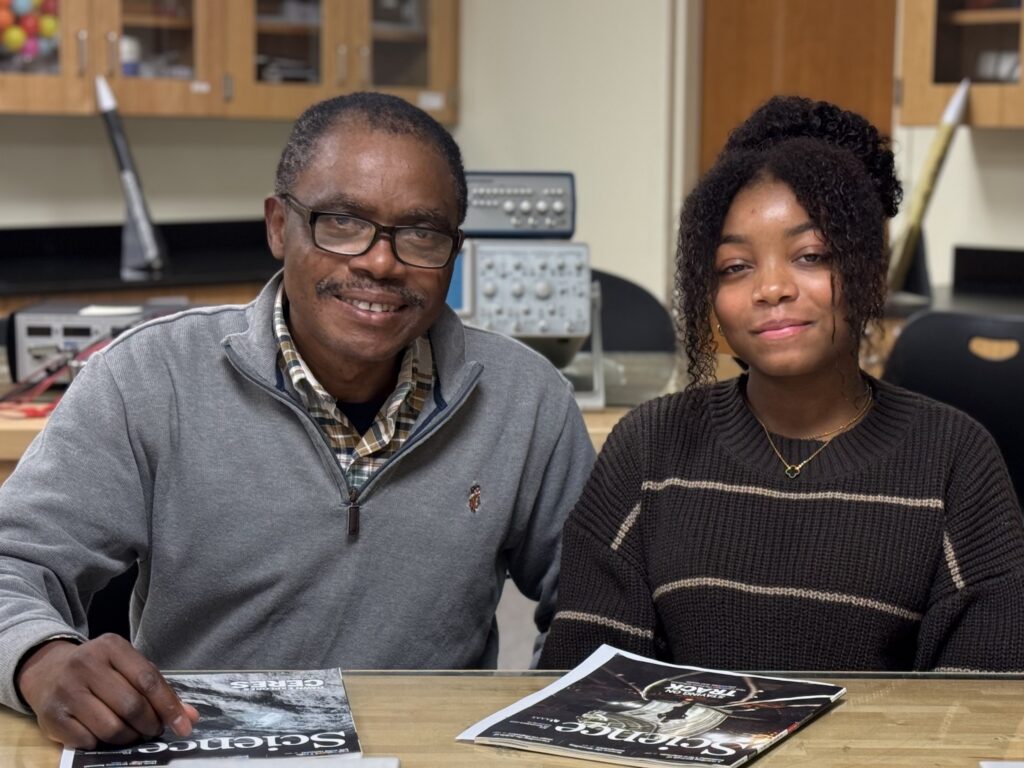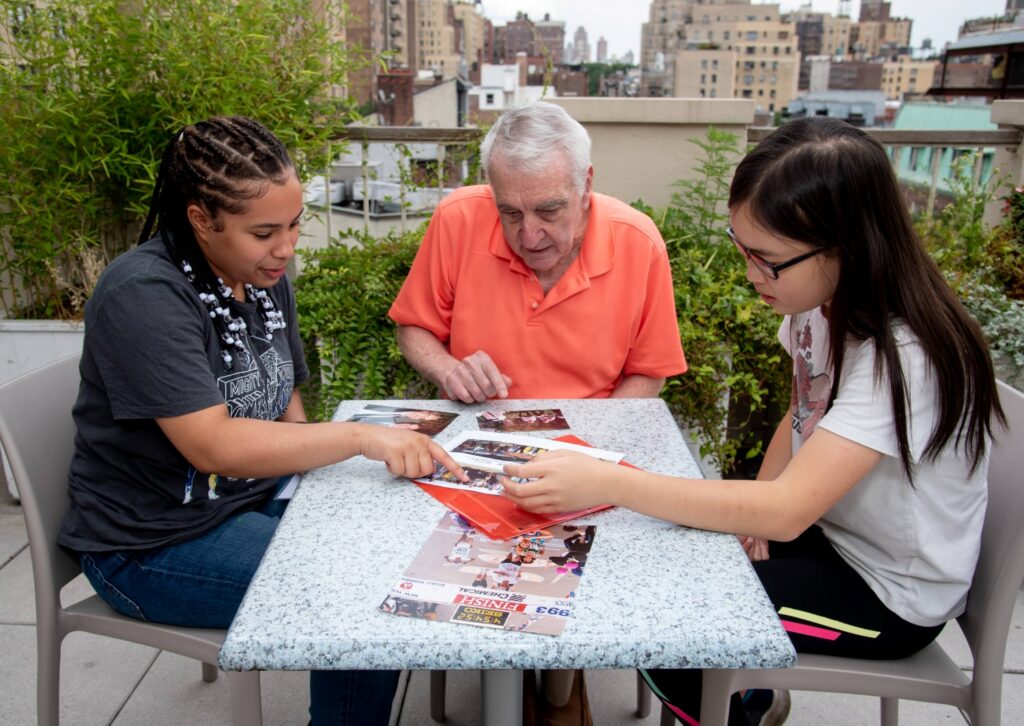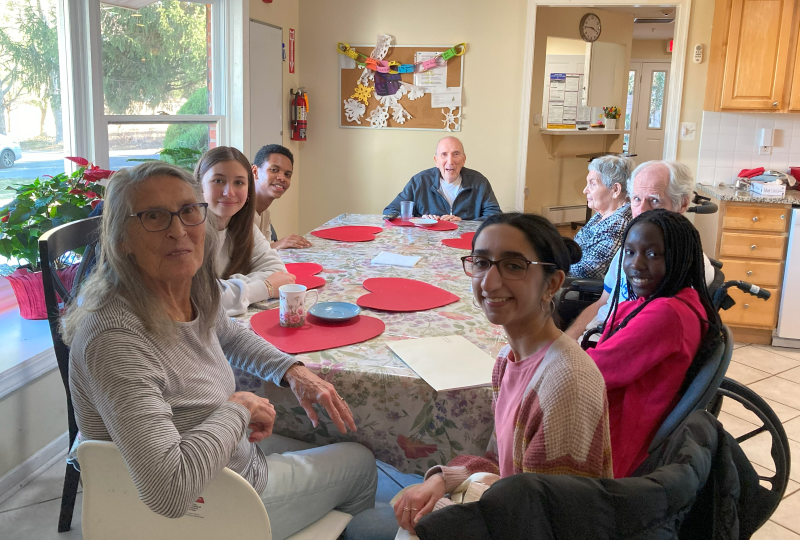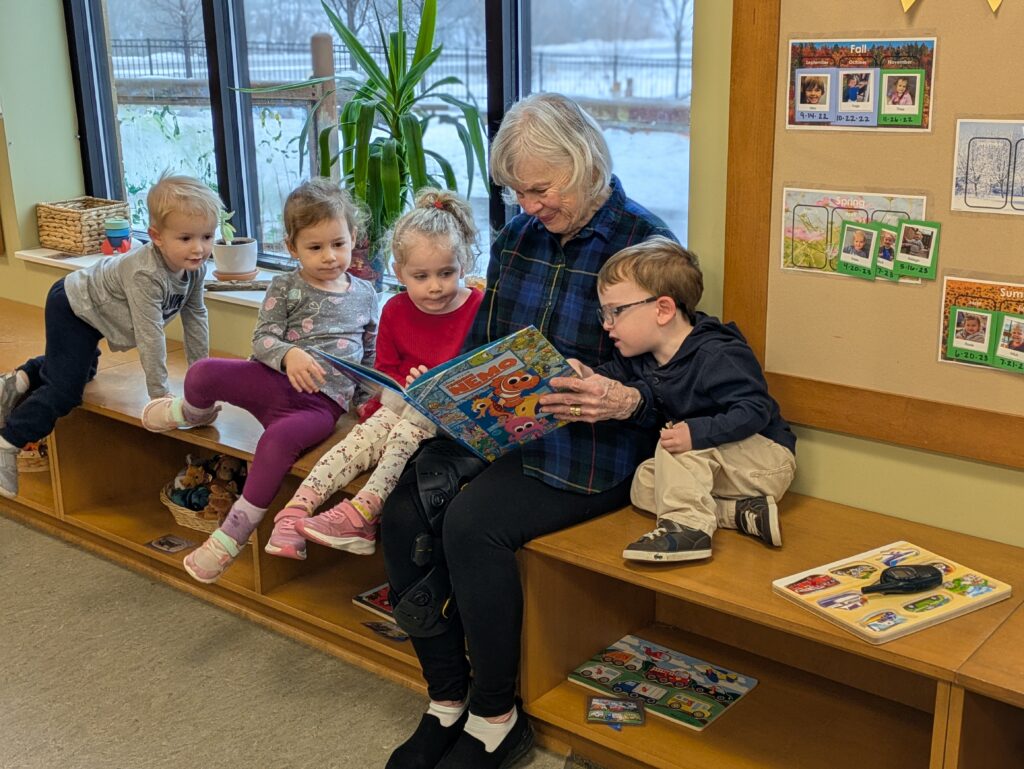
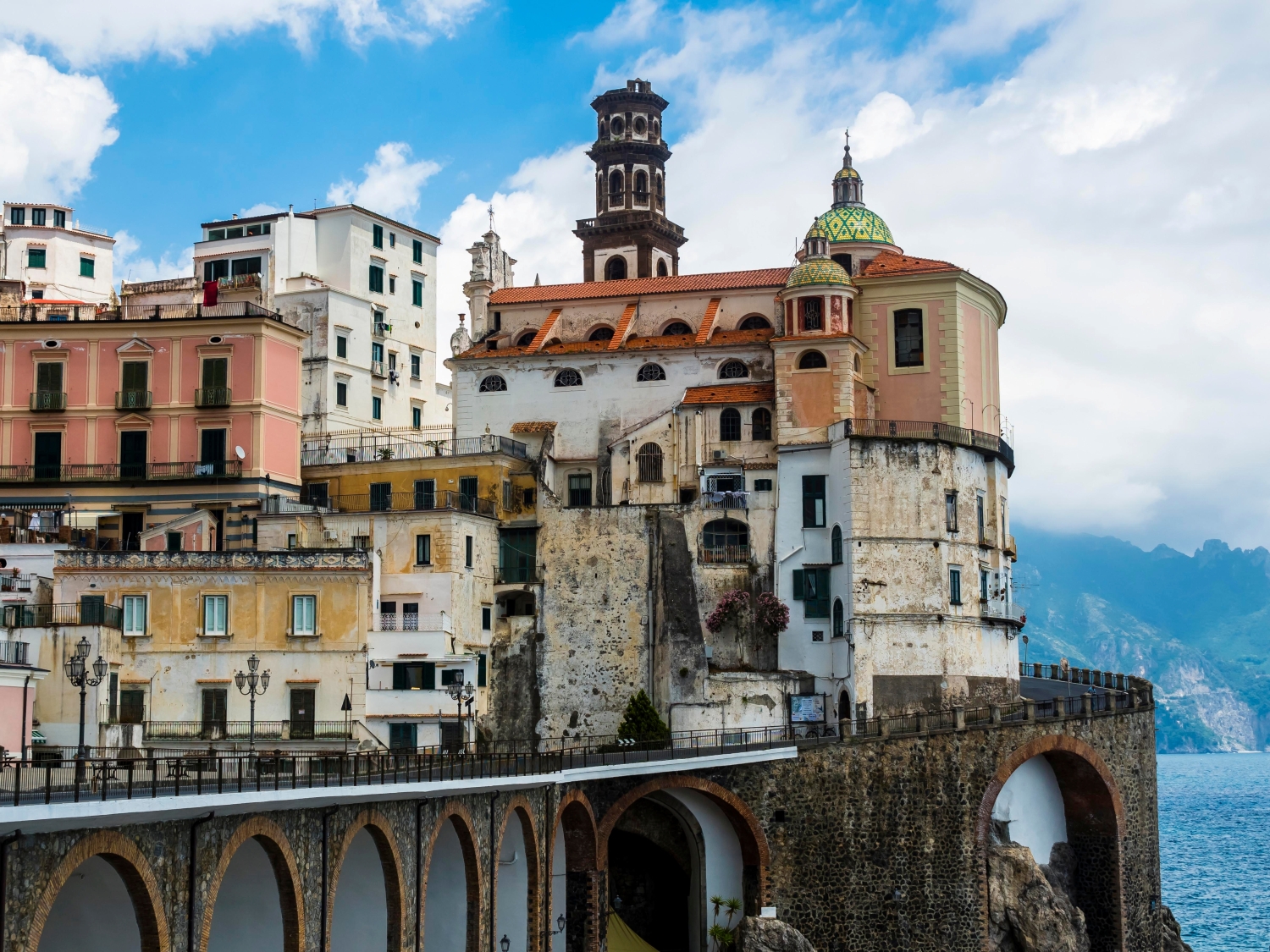

On a trip to Campania in Southern Italy, we were escorted around much of the countryside by a driver named Alberto, who lived on a farm near the hills of Sorrento and worked as a professional driver. Like my grandparents, he learned English with his parents from American television. We talked a great deal and found out that we had similar backgrounds. We lived in a multigenerational family, with grandparents and children under one roof or very close to one another.
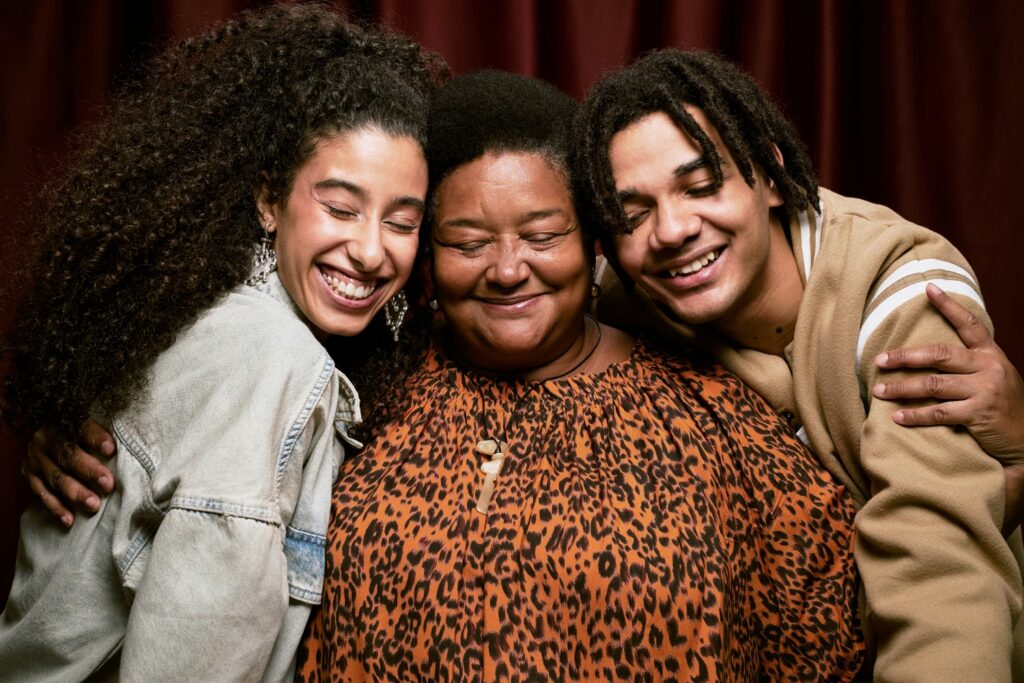
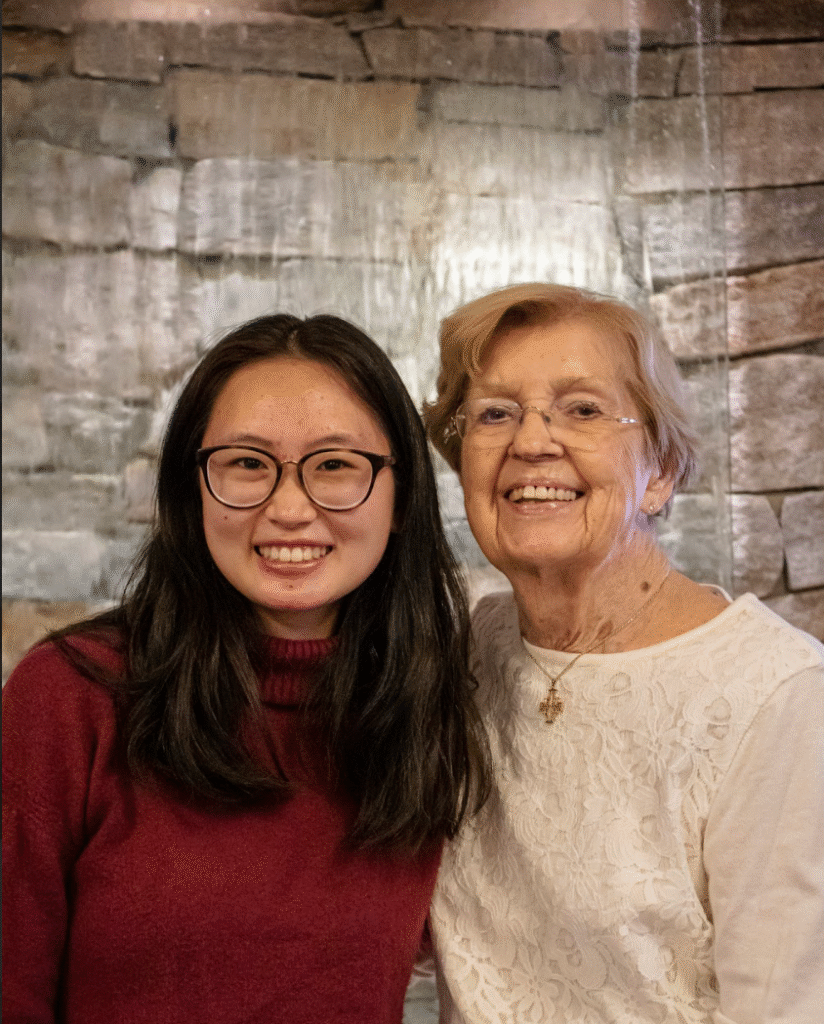
Multigenerational living is a form of Levito Madre that his family also maintains. This tradition represents the spirit of multigenerational family ties and how grandparents, especially, pass down generational knowledge and wisdom. Our conversations recall my experience throughout most of my life living in a multigenerational family. Multigenerational families, including grandparents, may offer some alternatives for us in the United States, not only for strapped young adults but also for older grandparents seeking to remain independent and avoid residential care.
For decades, the United States and Italy’s Campania region have represented contrasting approaches to family living arrangements. While multigenerational households remained common in places like Campania, the United States embraced the nuclear family model, idealizing independence and separate households. However, this distinction is blurring as economic pressures, changing social values, and practical considerations drive a resurgence of multigenerational living in America—bringing it closer to the family structure that has long characterized Campanian society.
The Traditional Divide: Independence vs. Continuity
Historically, American culture celebrates independence and self-sufficiency. Many expect young adults to leave home after high school or college, establish separate households, and build their own nuclear families. Housing developments, career expectations, and social norms reinforced this pattern. The ability to purchase one’s home became a defining marker of adult success in the American dream narrative.
‘Economic factors have accelerated the return to multigenerational living in the United States.’
Meanwhile, in Campania, multigenerational households never lost their cultural significance. They view extended families as a natural continuation of family bonds. Grandparents, parents, and children sharing living spaces represent not just economic pragmatism but a deeply valued social structure where knowledge, traditions and mutual support flows between generations, reflecting much of my family’s past and current experiences. This cultural significance of multigenerational living is something we can all appreciate and respect, regardless of our own family structures.
Economic Catalysts Driving the American Shift
Economic factors have accelerated the return to multigenerational living in the United States. Soaring real estate prices and educational debt have made independent living unattainable for many young adults. For older Americans, the high cost of senior-living facilities has led families to reconsider home-based care. Grandparents can help with childcare, saving families money and providing support. What was once seen as a temporary solution has become a practical and beneficial model, a shift accelerated by the pandemic, which highlighted the value of family support.
The New American Multigenerational Household
Today’s American multigenerational households are not mere replicas of their historical counterparts. Families are innovating and creating unique living arrangements. Many municipalities are revising zoning laws to allow for separate small dwellings on the same property, striking a balance between proximity and privacy.
The introduction of Accessory Dwelling Units (ADU) is one such change. Families are also redesigning existing homes to include separate living quarters, private entrances and common gathering spaces. Some extended families are purchasing adjacent properties or homes with shared outdoor spaces to maintain independence while fostering close connections. These adaptations reflect an American approach to multigenerational living, preserving the cultural value of personal space while reaping the benefits of family proximity.
Campanian Continuity: Evolution Rather Than Revolution
In Campania, multigenerational living continues to evolve rather than fundamentally change. Modern Italian families in the region are finding ways to adapt traditional arrangements to contemporary realities. Urban apartment buildings house different branches of the same family on separate floors, providing autonomy while maintaining daily interaction. Extended families coordinate childcare, cooking, and eldercare while allowing individuals to maintain personal independence. The passing down of cultural practices—from cooking techniques to artisanal skills—remains central to the multigenerational household’s purpose.
‘Rather than representing backward-looking traditionalism, multigenerational living may represent a forward-thinking adaptation to contemporary challenges.’
The Campanian model shows that family continuity can persist, even as individual autonomy becomes more important. Preserving family connections across generations sustains cultural knowledge and identity.
Beyond Economics: The Social and Emotional Revival
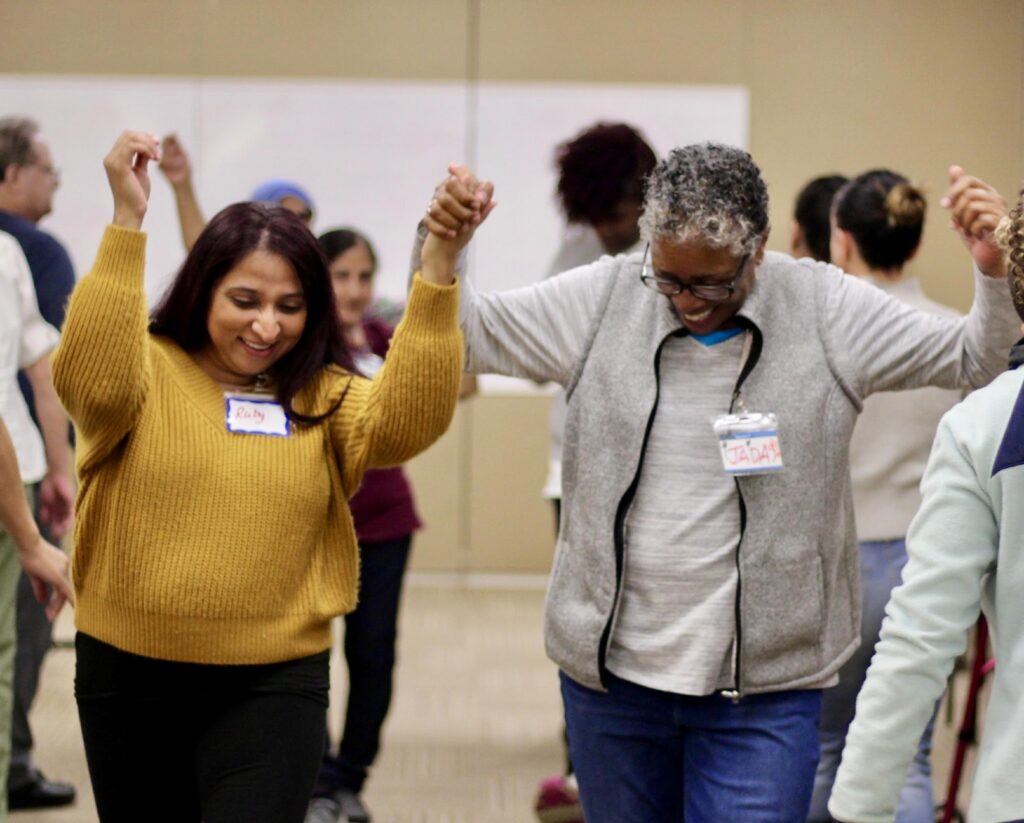
While economics drove the initial resurgence of multigenerational living in America, many families have found benefits beyond finances. Children gain from their grandparents’ presence, older adults experience less loneliness, and shared household duties help everyone. Immigrant families also use these households to maintain culture and language. As these advantages become clear, the stigma of “living with your parents” is fading, replaced by appreciation for the emotional value of this arrangement.
Technology Enabling New Possibilities
Digital technologies are making multigenerational living more viable in both societies. The ability to work from anywhere has removed the need for geographic mobility from many Americans’ careers. Adaptable living spaces can now accommodate different needs and preferences within the same household. Technological advances make caring for older family members at home easier than in institutions. These innovations not only allow families to maintain multigenerational households, but also address modern expectations for privacy, independence, and convenience, paving the way for a more connected and forward-thinking family life.
As American families increasingly adopt multigenerational living arrangements, we witness a fascinating convergence between seemingly divergent cultural traditions. The pragmatic wisdom of Campanian family structures—prioritizing resource sharing, mutual support and cultural continuity—is being rediscovered in American society, albeit with adaptations that reflect distinct cultural values. This convergence suggests that rather than representing backward-looking traditionalism, multigenerational living may represent a forward-thinking adaptation to contemporary challenges. By combining the strengths of extended family support with modern personal development concepts, these evolving household structures offer a blueprint for sustainable family life in both societies.
The Future of Family Living
The revival of multigenerational living in the United States is more than a short-term response to economic hardship. It may represent a lasting shift in how Americans see family life and the roles of grandparents. While the nuclear family will remain, greater acceptance of extended families points to a more flexible, adaptive approach. Americans can learn from places like Campania, where family ties endure. Just as sourdough starter connects past and future bread, multigenerational households connect generations. As needs and values change, these connections are increasingly important. The multigenerational family could be the key to a more resilient and supportive future for many families.
For more on intergenerational and multigenerational living, in the United States, watch for our March–April issue of Generations Today on March 18.
James Lomastro, PhD, has more than 40 years’ experience as a senior administrator in healthcare, human services, behavioral health, and home- and community-based services. He was a surveyor at the Commission on Accreditation of Rehabilitation Facilities surveying throughout the United States and Canada. Lomastro is a member of the Coordinating Committee of Dignity Alliance Massachusetts. The author lived in a group home while in graduate school.