

“The true measure of any society can be found in how it treats its most vulnerable members.”
—attributed to Mahatma Gandhi
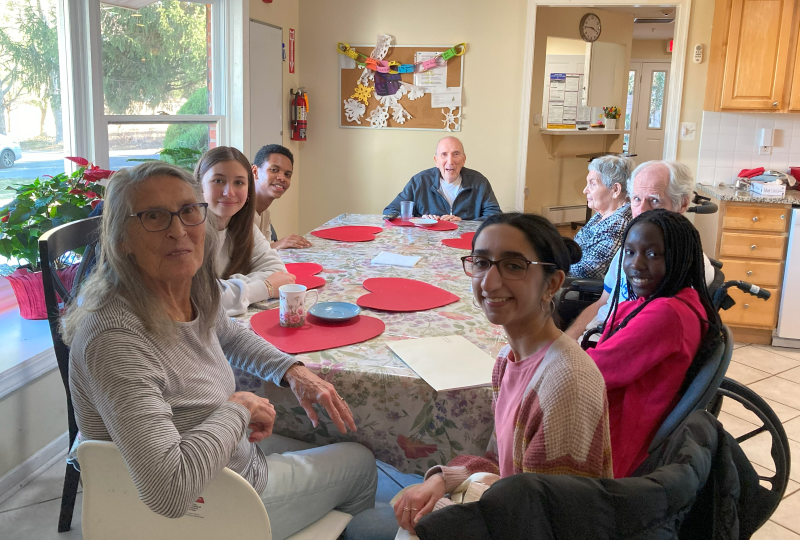
In introducing this issue of Generations Journal, I began with a note about Benjamin Rose and his desire to help older adults maintain their “comfort and dignity.” Comfort and dignity included the ability to remain at home.
Medicaid and Medicaid Waiver programs helped expand options for care at home. More recently, Special Needs Plans offered through Medicare Advantage plans have sought to broaden supports for individuals with chronic health conditions, through care coordination and inclusion of additional (non-medical) benefits.
In its 2023 LTSS Scorecard AARP (2023) noted, “for the first time … more than half of Medicaid LTSS spending nationally for older people and adults with physical disabilities went to HCBS.”
First released in 2011, the Scorecard has tracked the expansion of HCBS programs and improvements in quality and availability of care. AARP identifies five essential elements in a high quality LTSS system: affordability and access, choice of setting and provider, safety and quality, support for family caregivers, and community integration (emphasis added).
If we rely upon Medicaid and Medicare to address the needs of older adults who want to age in place, do we run the risk of seeing everything as a medical issue? Most older Americans do not qualify for Medicaid. According to the Centers for Medicare & Medicaid Services (2026), 12 million people are “dually eligible for and enrolled in Medicare and Medicaid.”
‘If we rely upon Medicaid and Medicare to address the needs of older adults who want to age in place, do we run the risk of seeing everything as a medical issue?’
Recent cuts in federal funding for Medicaid and other safety net programs may erode progress that has been made in expanding opportunities for Americans to age in place and have access to services wherever they choose to call home.
Can we look beyond the care needs of vulnerable populations to consider their value as members of society? And what tools are available to promote health, wellness, and community engagement across the lifespan?
The Community Assessment Survey of Older Adults (CASOA) is an instrument used by state and municipal entities to address “the needs, preferences and quality of life” of the older adult population (Polco, 2026a). Similar to the findings in AARP’s Home and Community Preferences Survey, more than three quarters of respondents report a high quality of life and desire to age in place. Despite this, many respondents report challenges with “transportation options, housing, social connections, access to healthcare and information about community services” (Polco, 2026b).
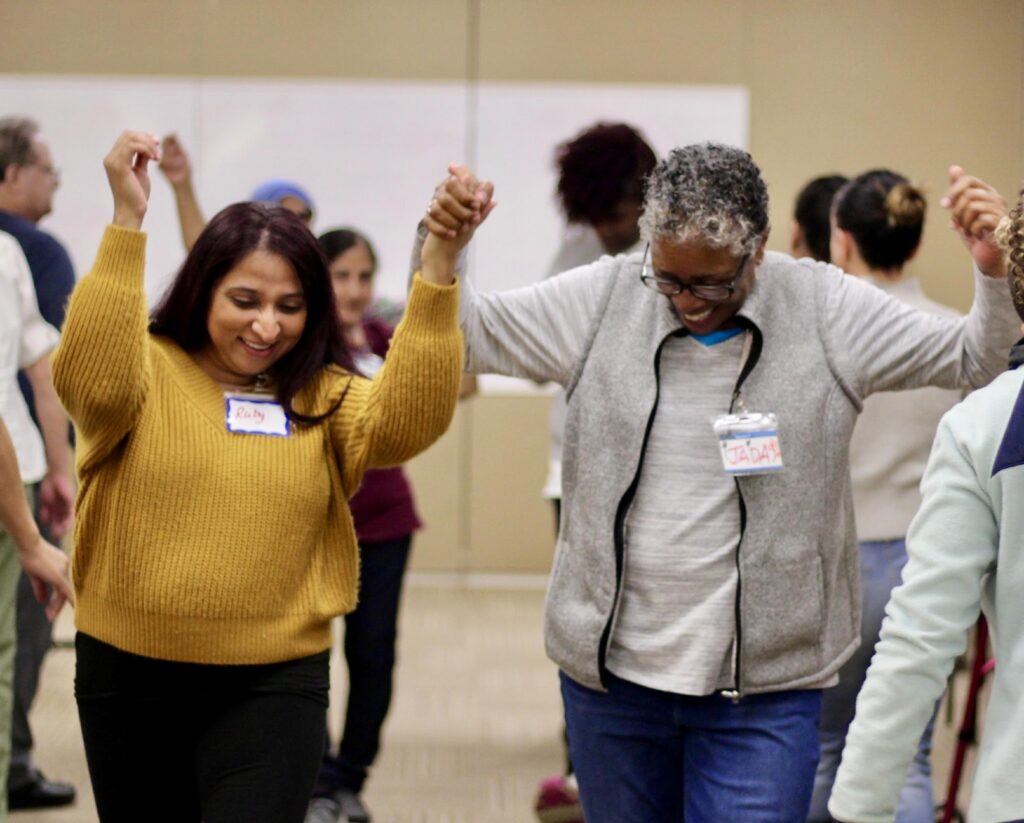
One strength of the Older Americans Act is its emphasis on local, community-developed, and community-responsive programs. Transportation, case management, nutrition programs, health promotion, and caregiver supports were developed through the “aging network” and demonstrated these initiatives’ value and effectiveness, the importance of collaboration and coordination provided through area agencies on aging, and the power of leveraging federal, state, and local public funding with community assets, volunteerism, and private philanthropy.
But locally responsive programs tailored to meet the needs of specific communities may seem disjointed or uneven to those outside the network. It is important that we emphasize the effectiveness of home- and community-based programs, and their value to the quality of life for older adults beyond discussions of healthcare and medical treatment.
Ensuring the comfort and dignity of older adults requires us to consider an “all-of-the-above” strategy. Expanding funding for community-based programs through the Older Americans Act, implementing polices that support older adults and their caregivers in navigating changing care needs, offering robust person-centered care and care planning that provides access to care when needed, and ensuring safety-net programs are in place to address the costs of long-term care. We know what works and we have developed effective methods to measure program quality and care outcomes. Do we also have the resolve to make it so? It is the standard we will be judged by.
Orion Bell is president and CEO at Benjamin Rose in Cleveland, OH. He has more than 30 years of experience as a service provider in the aging network.
Photo credit: Shutterstock/Ruslan Huzau
References
AARP. (2023). 2023 LTSS Scorecard executive summary. https://ltsschoices.aarp.org/sites/default/files/documents/2023-09/2023%20LTSS%20Scorecard%20Executive%20Summary.pdf
Centers for Medicare & Medicaid Services. (2026) Seniors & Medicare and Medicaid enrollees. Medicaid.gov. https://www.medicaid.gov/medicaid/eligibility-policy/seniors-medicare-and-medicaid-enrollees
Polco. (2026a). Community Assessment Survey of Older Adults (CASOA). https://info.polco.us/platform/benchmark-surveys/community-assessment-survey-for-older-adults
Polco. (2026b). Aging well in place: What older adults want from local governments. https://blog.polco.us/aging-well-in-place-what-older-adults-want-from-local-governments