
‘Up to one of two older adults is either at risk of malnutrition or is malnourished.’
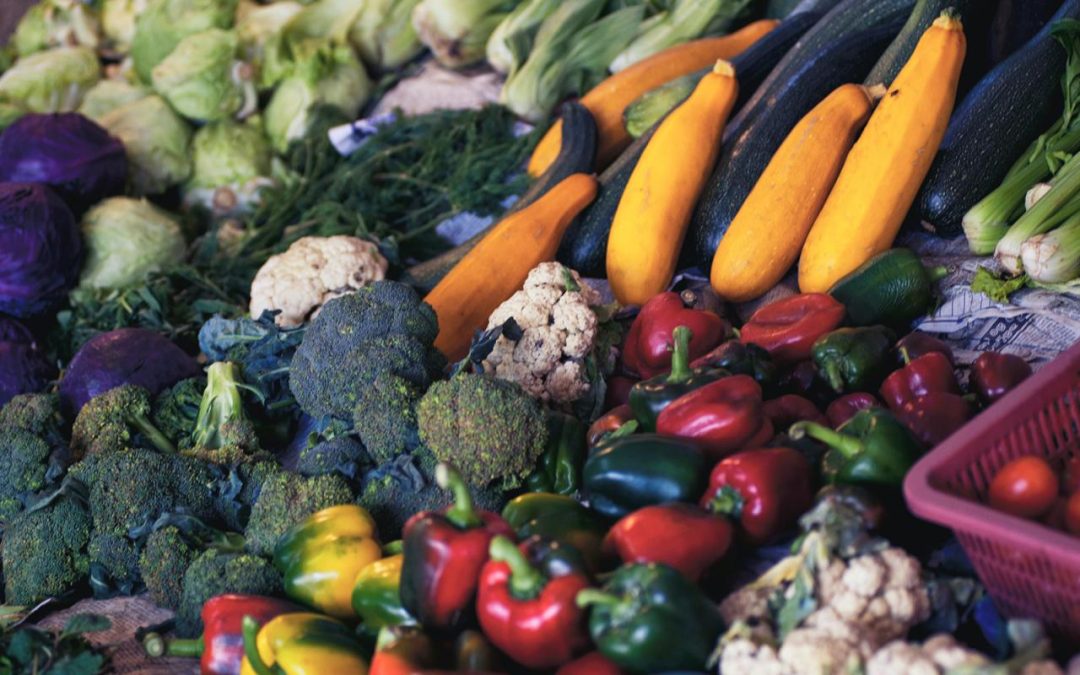
Good Nutrition May Help Support Vaccine Response in Older Adults
read more
‘Up to one of two older adults is either at risk of malnutrition or is malnourished.’
Limited research on substance use among elders compromises uptake of evidence-based practices.

‘Our survival as a people and a culture has been threatened once again by sickness and disease.’

The pandemic’s mental health toll—grief, anxiety, and depression, has lent an air of urgency to the already-critical study of the older adult cohort’s use and misuse of substances.

Substance use disorders and multiple morbidities present a complex picture.

Telehealth can benefit elders, but must be tailored to their needs.

‘How much alcohol is too much alcohol for older adults?’

This population’s needs are often overlooked given assumptions that older adults do not engage in substance use.
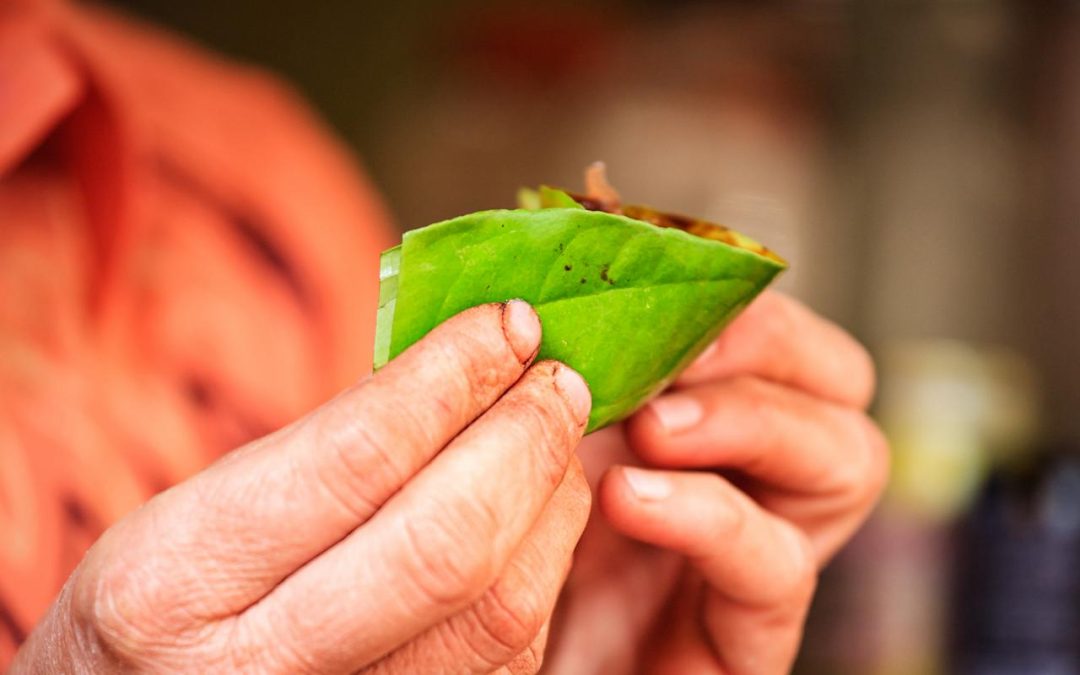
The need for screening and culturally responsive interventions is key with smokeless tobacco use.
There is a rising prevalence of hazardous drinking among older adults, making them ripe for SBIRT-Plus programming.
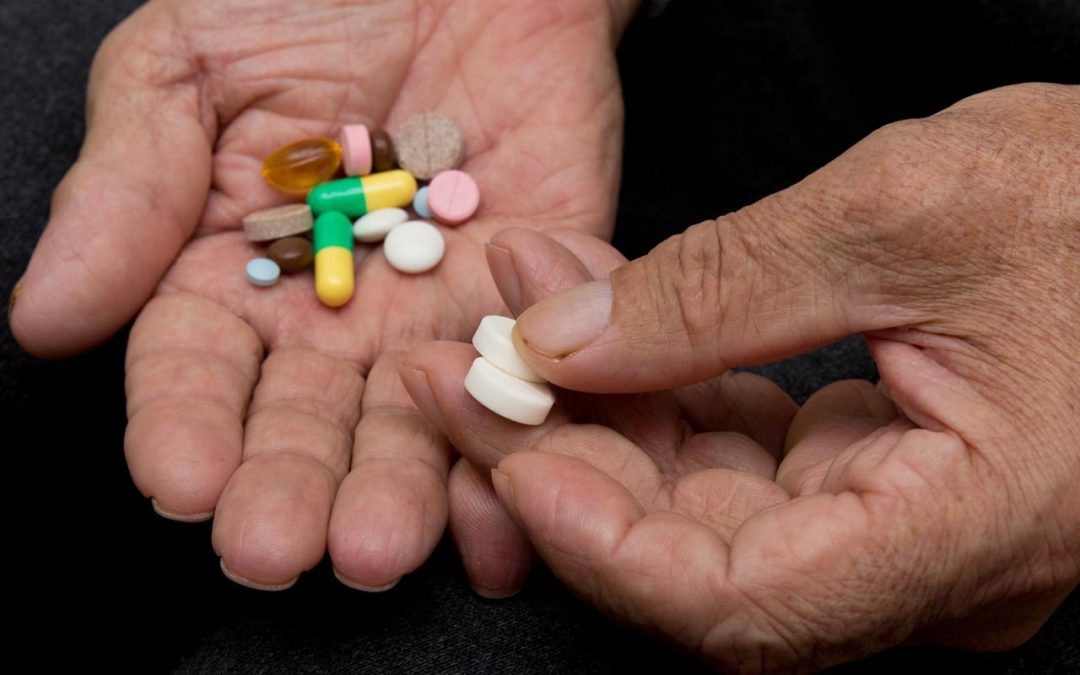
Belonging to an older cohort decreased the probability of ever receiving treatment for a substance use disorder.
Fellows engage in policy work across a broad spectrum of fields, from elder abuse to community gardens to improving access to care for SUDs.
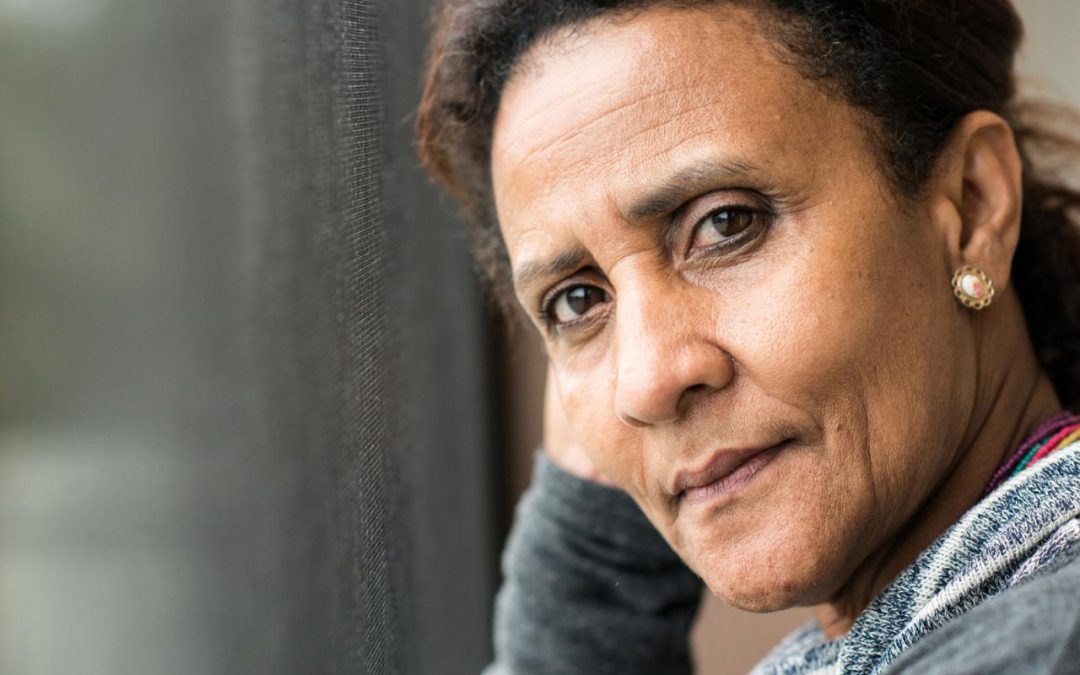
‘The interventions seem to have improved Mr. F’s chances to live a full life, despite his tragic experiences.’
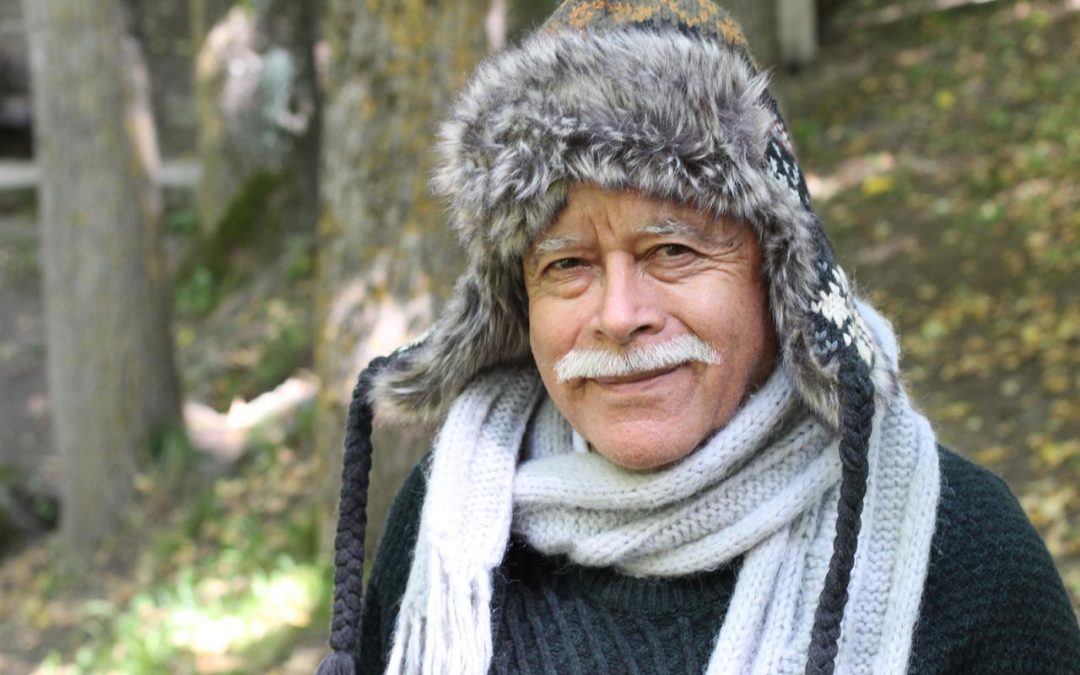
The desire to be an Elder and pass on wisdom to the next generation could be a great motivator for maintaining sobriety.
Barriers facing older adults with opioid use disorder have only been exacerbated by the pandemic.

Sharing wisdom with younger patients is a big part of the equation.
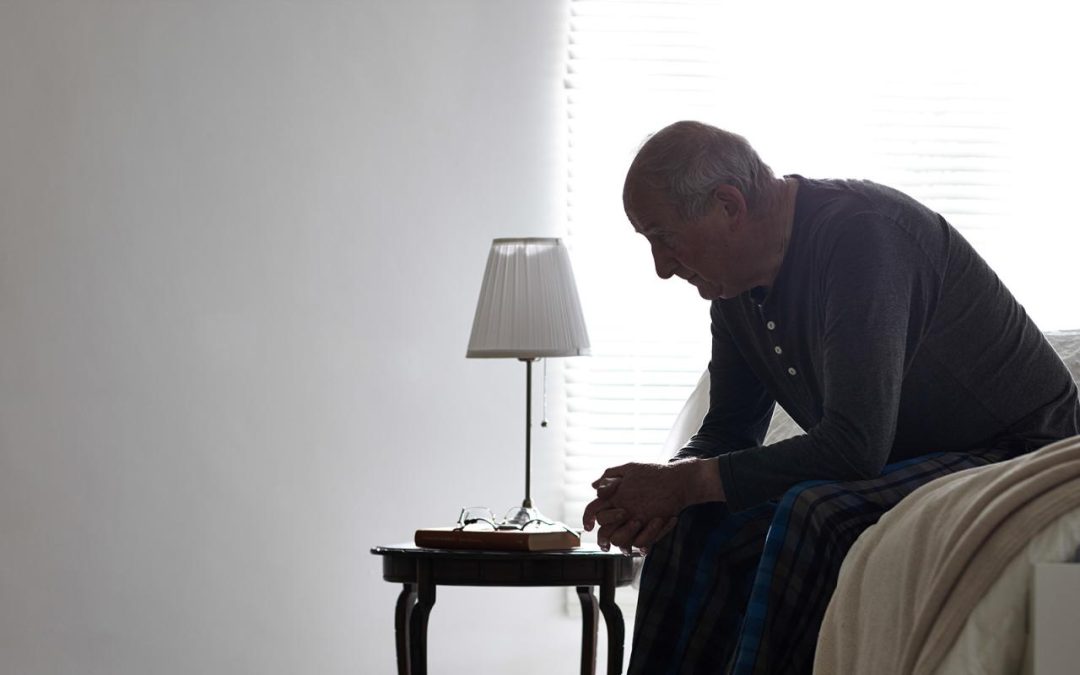
Excess use of alcohol, use of tobacco and mind-altering drugs are poorly understood as health problems and highly stigmatized.

‘At the core of his plan is a recognition of the preference for aging in place.’

‘The COVID-19 pandemic has profoundly disrupted the educational landscape and learning modalities.’

Countless CNAs and residential care aides have left jobs due to contracting the virus, or to quarantine or care for kids or other relatives.