
Hope is a powerful tool to combat poverty, fostering individual and community resilience.

Future Proof: Combatting Poverty With Hope
read more
Hope is a powerful tool to combat poverty, fostering individual and community resilience.

Caring Across Generations collaborated with The People's TV and the American Society on Aging on a three-part video series on care and caregiving. In this virtual exhibit we explore “What is your vision of giving and receiving care as you age?”
Use of these products may help in diabetes self-management.

‘Employers and policymakers must make direct care jobs more financially viable.’

While spreading holiday cheer, share tips on preventing online shopping scams.

Manufactured homes are now virtually indistinguishable from site-built homes.

With AARP Foundation’s Bill Rivera and Audra Wilson, President and CEO, Shriver Center on Poverty Law
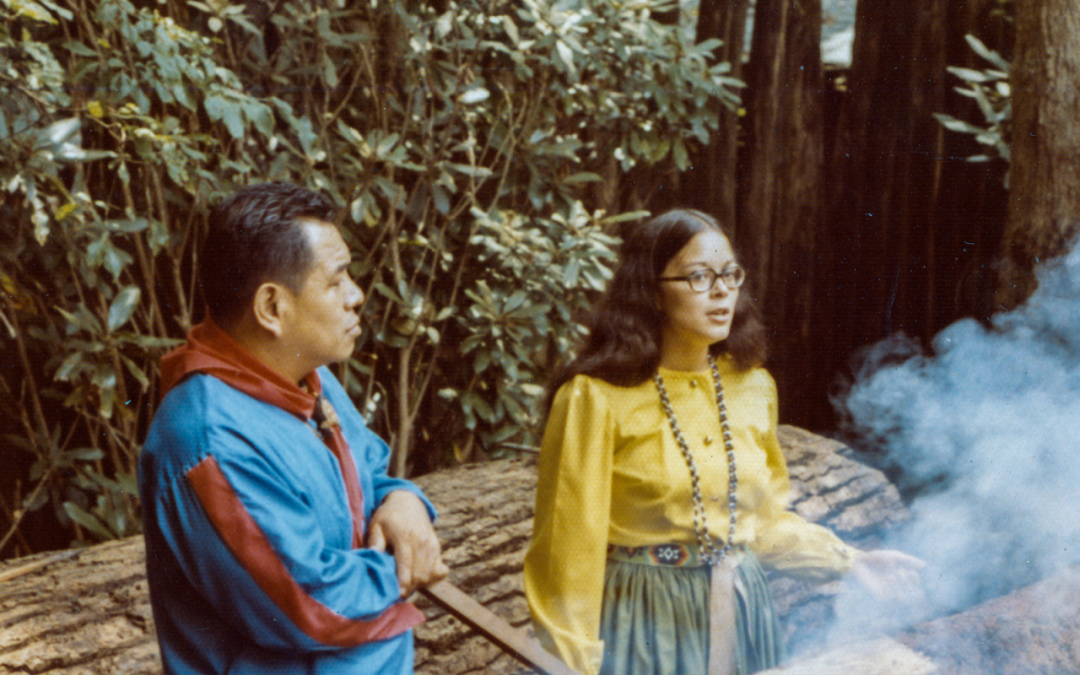
‘The best part was hanging around the elders as they quietly showcased their brilliance and artistry.’
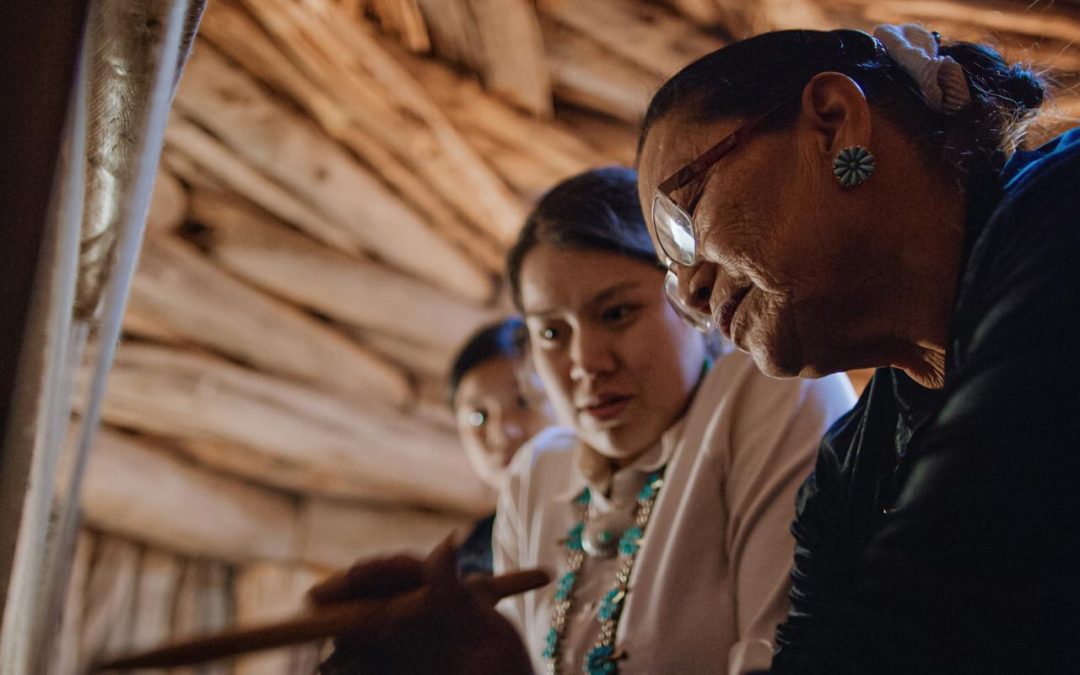
As indigenous populations move to urban centers, Native cultures are threatened.
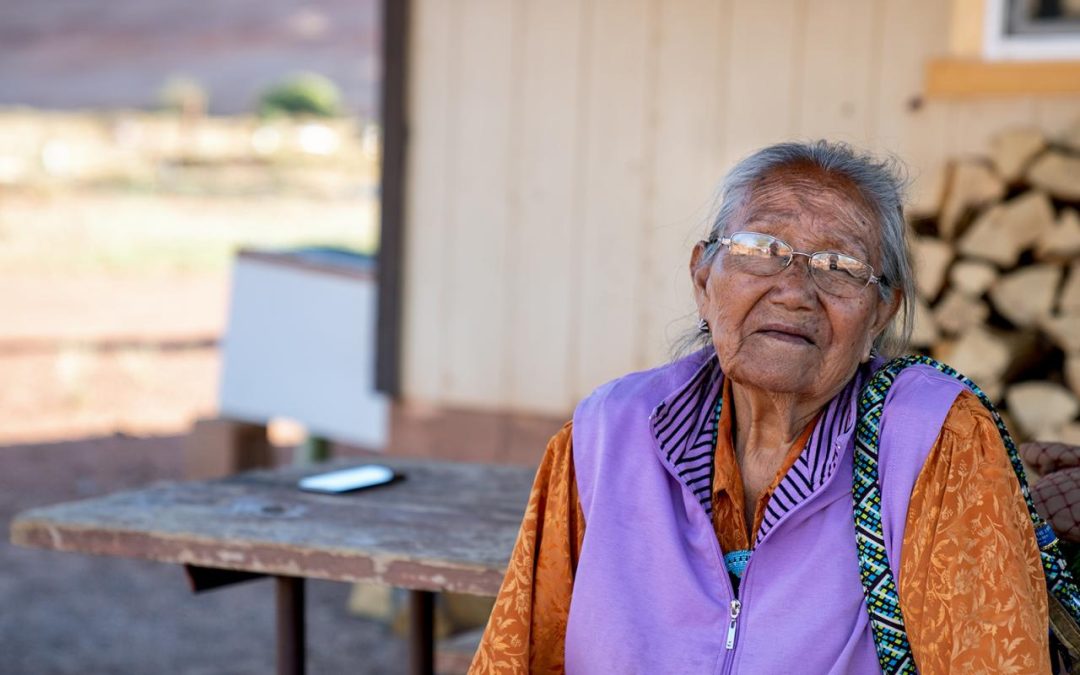
‘It is critical to appreciate the diversity across and within these communities.’

‘At what point will we stop accepting the poor to mediocre care that is the reality in too many nursing homes?’

Using story to divest ourselves from the American ideal of rugged individualism.

For the second time in their generation, my aunts helped weave together a care plan that would become my inherited responsibility.

‘There are thousands of older adults in prison serving extensive sentences for crimes committed decades ago.’

‘Transforming care and caregiving will lead to a more just world, where everyone can age and thrive.’

‘This is an opportunity to put people first through investments that are racially equitable, intentional, and moral.’

The call to support care infrastructure as policy and practice presents a historic watershed moment for youth caregivers.
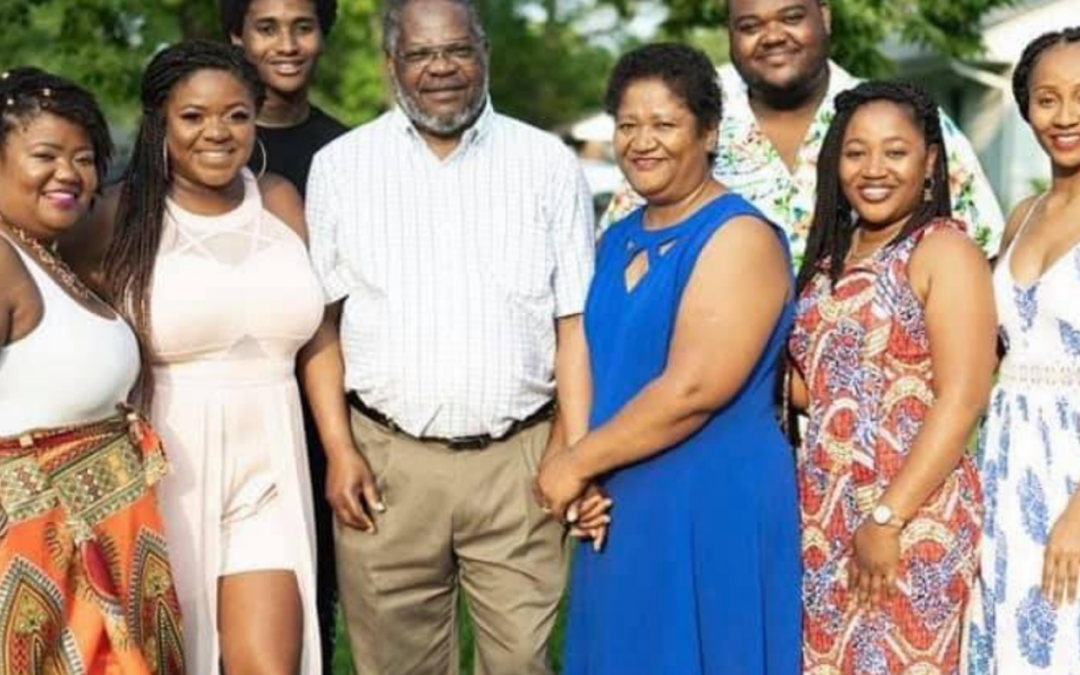
One immigrant family’s story lays out the situation for many.

Sustained advocacy could combat America’s short memory.
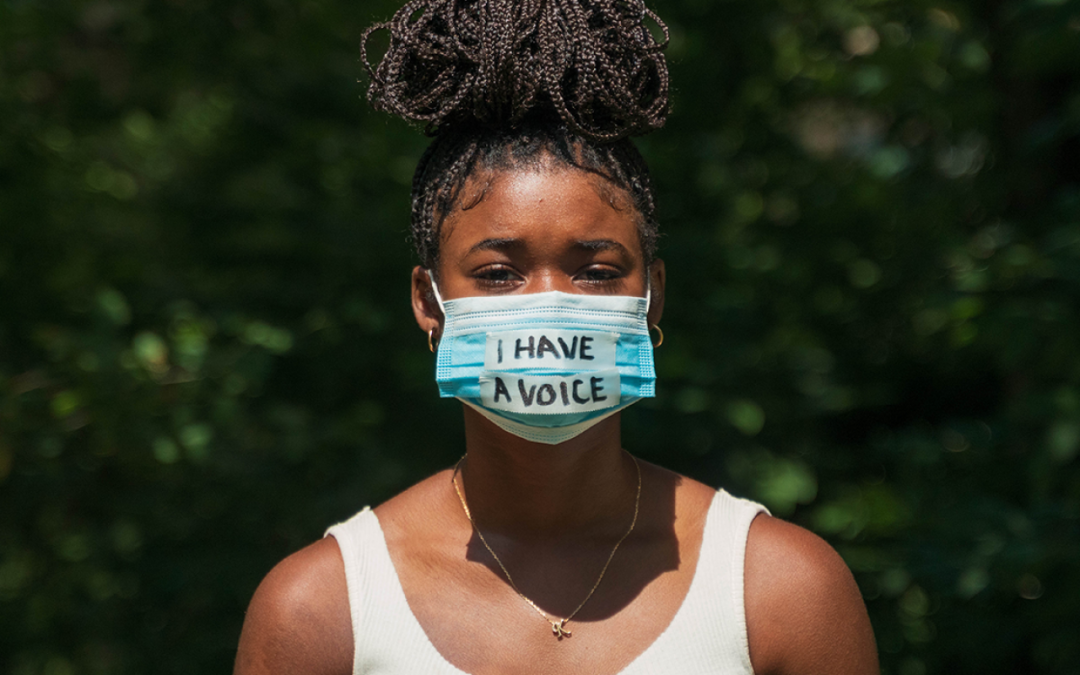
‘Paid family and medical leave could address many of the cultural and economic realities of today’s families.’