
Cuts to the CDC’s Division of HIV Prevention would have devastating consequences for the growing population of older adults living with HIV.
We Cannot Afford to Lose Ground in the Fight Against HIV/AIDS
read more
Cuts to the CDC’s Division of HIV Prevention would have devastating consequences for the growing population of older adults living with HIV.
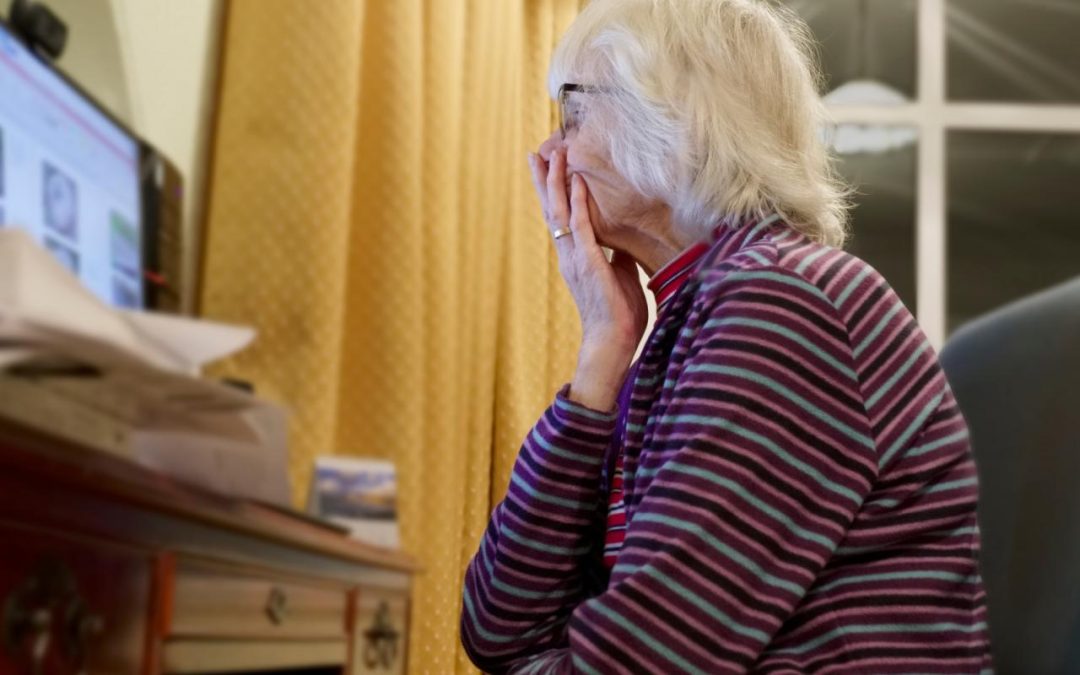
A student’s quest to protect older adults from online scams.

Healthcare goals, medication management, frailty, social vulnerability, and age-friendly leadership must all be tracked.

‘We’re in a very competitive staffing environment. There are 4 CCRCs within a few miles of here.’

Rethinking aging—from isolation to connection.

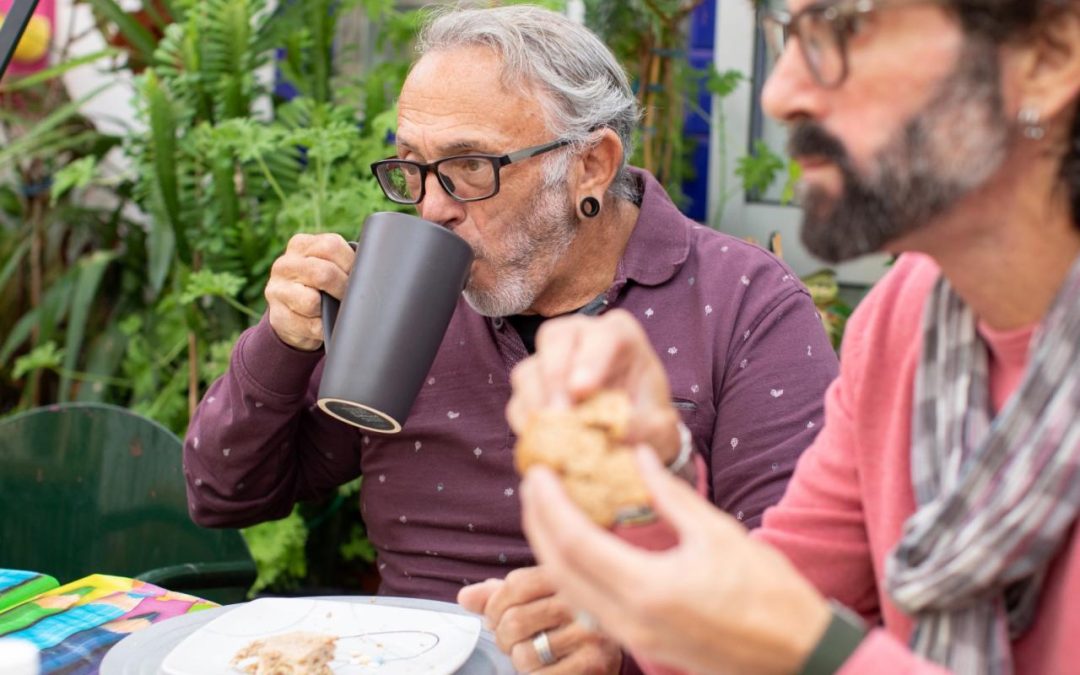
A pop-up café approach to dining at older adult centers is proving to be quite popular.
‘They’re living longer. They’re staying longer. And, unfortunately, our bed space is limited.’

‘We expect doctors to somehow fix the unfixable and to defy the inevitable.’

How does social prescribing work ideally, and how might it work more broadly in the U.S.?

Interviews reveal what might and might not work to foster social prescribing in the community.

An eyes-wide-open account of how social prescribing should work, equitably.

How might solving for social isolation and loneliness improve physical health?
Where and how the practice got off the ground in a real way.
‘Often, the most important issues with older adults are not purely medical.’

Art Pharmacy demonstrates that “prescribing” the arts in community reliably improves older adult well-being.

Health professional students learned how to educate elders on SIL and provide potential social prescriptions to help.
Reducing medications empowers deprescribing advocacy.

Removing dementia from our vocabulary would likely lead to earlier detection and hope for help.

AgeSpan in Massachusetts benefits from a diverse service area and staff, which means ramping up racial equity training for service providers, funders and staff.
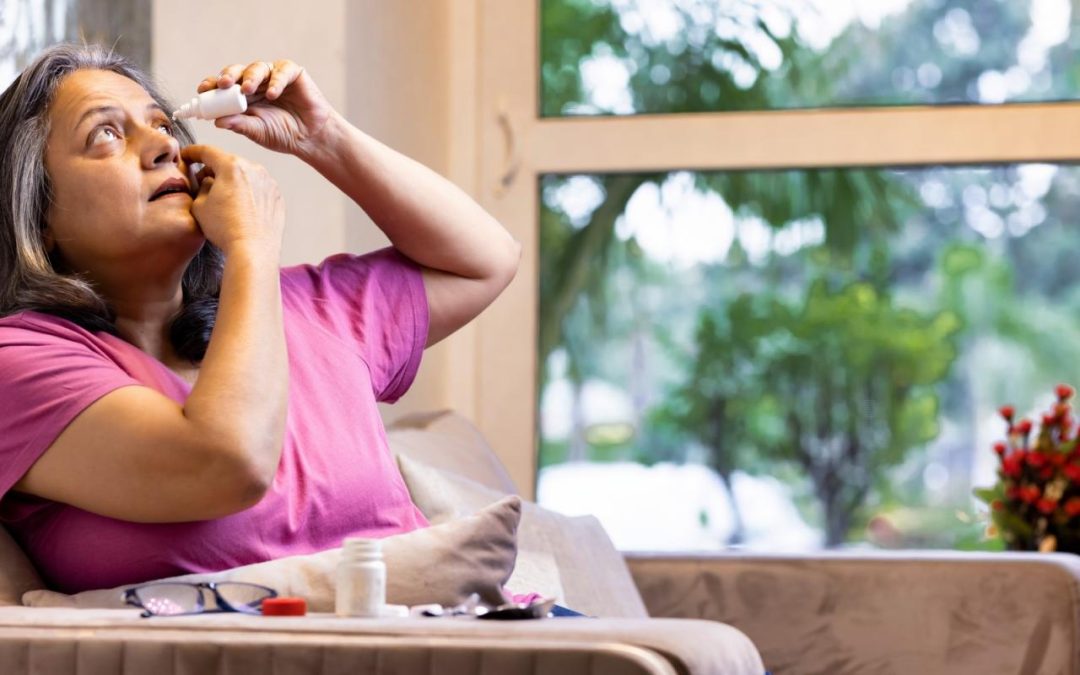
Exploring new digital health tools for older adults to monitor and manage eye disease at home.